


Spinach stands out as a popular superfood, loved for its vibrant green leaves and rich flavor. Packed with essential nutrients, it offers numerous spinach benefits that can enhance your overall well-being. From vitamins to minerals, spinach provides a variety of elements crucial for maintaining good health. Have you ever wondered how these nutrients specifically benefit your body?
Key Takeaways
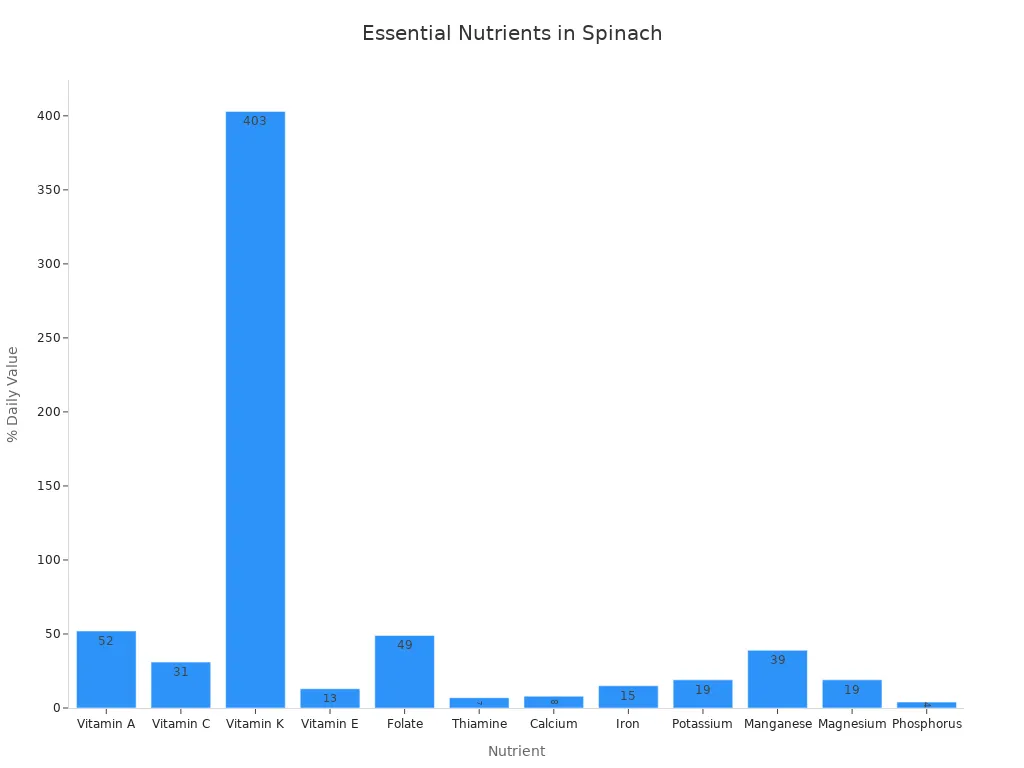
Spinach is rich in vitamins A, C, and K, which support vision, immune function, and blood clotting.
The iron in spinach helps transport oxygen in your body, boosting energy levels and reducing fatigue.
Spinach contains antioxidants that may lower cancer risk and protect your cells from damage.
Including spinach in your diet can improve digestion due to its high fiber content, helping you feel full longer.
Enjoy spinach in salads, smoothies, or cooked dishes to maximize its health benefits and enhance your meals.
Nutrient Summary
Spinach is a true nutritional powerhouse. It contains a wide range of vitamins, minerals, and antioxidants that contribute to your health. This leafy green is low in calories, making it an excellent choice for anyone looking to maintain a healthy diet.
Vitamins in Spinach
Spinach is rich in several essential vitamins. Here’s a quick look at some of the key vitamins found in spinach:
Vitamin | Amount | Daily Value % |
|---|---|---|
Vitamin C | 48mg | 53% |
Vitamin K | 821mcg | 821% |
Vitamin A | 15941IU | 319% |
Folate | 330mcg | 82% |
These vitamins play vital roles in your body. For example, vitamin K is crucial for blood clotting, while vitamin C supports your immune system.
Minerals in Spinach
Spinach also provides important minerals that support various bodily functions. Here’s a table highlighting some of the most abundant minerals in spinach:
Mineral | Contribution to Health |
|---|---|
Iron | Essential for creating hemoglobin, which transports oxygen to body tissues. |
Calcium | Crucial for bone health and important for signaling in the nervous system, heart, and muscles. |
Potassium | Helps regulate fluid balance and supports muscle and nerve function. |
Magnesium | Involved in over 300 biochemical reactions in the body, including muscle and nerve function. |
Antioxidants in Spinach
Spinach is also packed with antioxidants, which help protect your cells from damage. The ORAC (Oxygen Radical Absorbance Capacity) value of spinach is 1513, indicating its strong antioxidant capacity. These compounds can reduce the risk of chronic diseases and support overall health.
Vitamin A and Spinach Benefits

Spinach is a fantastic source of Vitamin A, primarily due to its high content of carotenoids. Carotenoids are pigments found in plants that your body converts into Vitamin A. One of the most notable carotenoids in spinach is β-carotene. Your body converts β-carotene into Vitamin A at a conversion factor of 21:1. This means you need to consume 21 units of β-carotene to produce just one unit of Vitamin A. While this conversion is less efficient than in carrots, which have a conversion factor of 15:1, spinach still provides significant benefits.
The health benefits of Vitamin A are numerous. Here are some key advantages you gain from consuming spinach:
Spinach juice offers about 63% of the recommended daily intake of Vitamin A in just a 240 ml serving.
Vitamin A plays a crucial role in maintaining healthy vision. A deficiency can lead to dry eyes and impaired night vision.
The antioxidants lutein and zeaxanthin found in spinach help protect against age-related macular degeneration and lower the risk of cataracts.
Including spinach in your diet not only boosts your Vitamin A intake but also supports your overall health. By consuming this leafy green, you can protect your eyesight and enjoy the many health benefits of spinach.
Vitamin C: Health Benefits of Spinach
Vitamin C is a powerful antioxidant that plays a crucial role in your health. Spinach is an excellent source of this essential nutrient. One cup of raw spinach contains about 28.1 milligrams of vitamin C, which represents approximately 34% of your daily recommended intake. This means that by including spinach in your diet, you significantly boost your vitamin C levels.
The health benefits of vitamin C are extensive. Here are some key points to consider:
Supports Immune Function: Vitamin C enhances your immune system. It helps your body fight off infections and illnesses. Regular consumption of vitamin C-rich foods like spinach can keep your immune system strong.
Promotes Skin Health: Vitamin C is vital for collagen production. Collagen is a protein that helps maintain skin elasticity and firmness. By consuming spinach, you support your skin’s health and aid in wound healing.
Enhances Iron Absorption: When you eat vitamin C with iron-rich plant foods, it increases iron absorption. This is particularly beneficial for vegetarians who rely on plant sources for their iron intake. Spinach, being rich in both iron and vitamin C, makes a perfect combination for improving your overall health.
Vitamin K: Essential for Health
Vitamin K plays a vital role in your body, especially when it comes to blood clotting. This nutrient helps create proteins necessary for this process. Without enough vitamin K, your body cannot form clots properly, which can lead to excessive bleeding. Spinach is an excellent source of vitamin K1, containing between 240–1220 μg per 100 grams. This high concentration makes spinach a fantastic choice for boosting your vitamin K intake.
Here are some key points about vitamin K1 and its importance:
Blood Clotting: Vitamin K is crucial for synthesizing prothrombin, a protein that directly aids in blood clotting.
Bone Health: Consuming vitamin K1 can help maintain strong bones. It controls the production of osteoclasts, which break down bone. This action can lower your risk of osteoporosis.
Anti-Inflammatory Properties: Vitamin K1 has anti-inflammatory effects. It can help reduce chronic inflammation in your body, which is linked to various health issues.
Clinical studies, including the Framingham Offspring Study, show an inverse relationship between vitamin K1 intake and inflammatory markers. Higher consumption of vitamin K1 is associated with reduced risks of Type II diabetes and obesity, both of which can contribute to bone loss.
Incorporating spinach into your diet not only enhances your vitamin K levels but also supports your overall health. By enjoying this leafy green, you can take significant steps toward maintaining healthy blood clotting and strong bones.
Iron and Energy Levels

Iron plays a crucial role in your body, especially in producing red blood cells. These cells carry oxygen from your lungs to every part of your body. Without enough iron, your body cannot make enough hemoglobin, the protein in red blood cells that binds oxygen. This can lead to fatigue and weakness.
Spinach is an excellent source of iron. When you consume spinach, your body uses the iron to create hemoglobin. Here’s how iron supports your energy levels:
Oxygen Transport: Iron is a key component of hemoglobin. It helps transport oxygen efficiently throughout your body. When your cells receive enough oxygen, they can produce energy effectively.
Energy Production: Hemoglobin’s ability to quickly acquire and release oxygen is vital for maintaining energy levels in your tissues. When your muscles and organs receive adequate oxygen, they function optimally, allowing you to stay active and alert.
Cellular Energy: Iron also plays a role in cytochromes, which are proteins that contain iron. These proteins are essential for mitochondrial electron transport. This process is necessary for ATP synthesis, the primary energy currency of your cells. More ATP means more energy for your daily activities.
Including spinach in your diet not only boosts your iron intake but also supports healthy blood and energy levels. By adding this leafy green to your meals, you can help ensure your body has the iron it needs to function at its best.
Calcium and Bone Health
Calcium is essential for strong bones and muscles. It helps maintain bone density and supports muscle contractions. Without enough calcium, you risk developing weak bones, which can lead to fractures and osteoporosis later in life.
Spinach can contribute to your calcium intake, but it has some limitations. Here’s what you should know about the calcium content in spinach:
Spinach contains 260 mg of calcium per 1 cup when cooked.
However, due to its high oxalate content, only about 5% of this calcium is bioavailable for absorption. This means you only absorb approximately 13 mg of calcium from that serving.
In comparison, dairy products have a calcium bioavailability of about 30%. For example, if a cup of milk has 300 mg of calcium, you absorb around 100 mg.
While spinach is nutritious, it should not be your primary source of calcium. Other foods, like dairy or fortified plant-based alternatives, provide more absorbable calcium. Here’s a quick comparison:
Food Source | Calcium Content (per serving) | Bioavailability (%) | Absorbed Calcium (mg) |
|---|---|---|---|
Spinach | 260 mg | 5% | 13 mg |
Dairy (Milk) | 300 mg | 30% | 100 mg |
Bok Choy | 100 mg | 50% | 50 mg |
Incorporating a variety of calcium sources into your diet is crucial for maintaining bone health. While spinach can be part of your calcium intake, consider balancing it with other foods that offer higher bioavailability. This way, you can ensure your bones stay strong and healthy.
Remember, a well-rounded diet is key to getting the nutrients your body needs! 🥗
Folate: DNA and Health
Folate, also known as vitamin B9, plays a vital role in your body. It is essential for DNA and RNA synthesis and repair. This nutrient supports tissue growth and regeneration, especially in rapidly dividing cells like those in bone marrow and fetal tissues. Spinach is a great source of folate, providing about 131 micrograms per half-cup of boiled spinach. This amount covers 33% of your daily value. If you eat one cup of raw spinach, you get 58 micrograms, or 15% of your daily value.
Here are some key roles of folate in your health:
DNA Synthesis: Folate helps create and repair DNA. This process is crucial for cell division and growth.
Cell Growth: It supports the growth of new cells, which is especially important during pregnancy.
Methyl Group Donation: The cofactor 5-methyltetrahydrofolate (5-MTHF) donates methyl groups necessary for nucleotide synthesis.
Folate is particularly important for pregnant women. Adequate folate intake can prevent serious health issues for both mother and baby. Here’s a quick overview of folate recommendations for pregnant individuals:
Health Aspect | Recommendation |
|---|---|
Daily Folate Intake for Pregnant Women | 600 mcg DFE/day to support fetal development and prevent neural tube defects. |
Importance of Folate | Prevents neural tube defects (NTDs) and supports overall fetal growth. |
Risk of Insufficient Folate | Increased risk of low birth weight, preterm delivery, and fetal growth retardation. |
Including spinach in your diet can help you meet your folate needs. By doing so, you support your DNA health and overall well-being. Enjoying this leafy green can be a simple yet effective way to boost your nutrient intake.
Potassium: Heart Health Benefits
Potassium plays a vital role in maintaining your heart health. This essential mineral helps lower blood pressure by balancing the effects of sodium in your body. When you consume enough potassium, it helps your kidneys excrete excess sodium, which can lead to lower blood pressure levels.
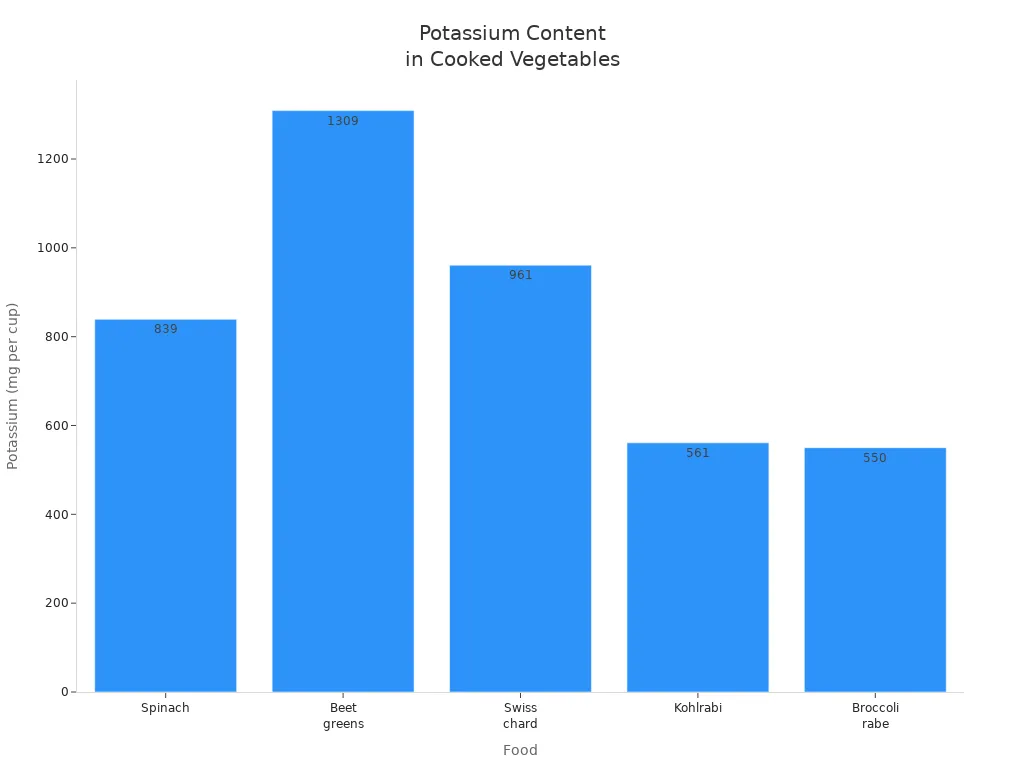
Spinach is an excellent source of potassium, containing 839 mg per cup when cooked. This amount ranks spinach high among leafy greens for potassium content. Here’s how spinach compares to other potassium-rich foods:
Food | Potassium Content (mg per cup cooked) |
|---|---|
Spinach | 839 |
Beet greens | 1,309 |
Swiss chard | 961 |
Kohlrabi | 561 |
Broccoli rabe | 550 |
Research shows that consuming spinach can effectively lower blood pressure levels. One study involving 27 participants demonstrated this effect, and several other studies have corroborated these findings, indicating that spinach contributes positively to heart health.
Here are some key benefits of potassium for your heart:
Regulates Blood Pressure: Adequate potassium intake helps maintain healthy blood pressure levels.
Supports Heart Function: Potassium is crucial for proper heart muscle function. It helps regulate heartbeats and prevents arrhythmias.
Reduces Stroke Risk: Studies suggest that higher potassium intake is linked to a lower risk of stroke.
By including potassium-rich foods like spinach in your diet, you can support your heart health and lower blood pressure effectively. Enjoying this leafy green not only enhances your meals but also contributes to your overall well-being.
Fiber: Digestive Health
Fiber plays a crucial role in your digestive health. It helps keep your digestive system running smoothly. Here are some key benefits of fiber found in spinach:
One serving of raw spinach (about two-thirds of a cup) contains nearly 2 grams of fiber.
Cooked spinach has an even higher fiber content.
Fiber promotes regular bowel movements and prevents constipation.
It regulates sugar absorption, which helps maintain stable energy levels.
Including fiber in your diet can also aid in weight management. Here’s how fiber from spinach supports your efforts:
Fiber helps you feel full longer. This feeling of fullness can reduce your overall calorie intake.
Spinach is rich in insoluble fiber, which adds bulk to your meals and aids digestion.
The high water content in spinach enhances this feeling of fullness, making it easier to manage your appetite.
Research shows that thylakoids in spinach can enhance satiety hormones. This means they can help you feel satisfied after meals. Studies indicate that thylakoid supplementation can decrease feelings of hunger and improve appetite control.
Incorporating spinach into your meals not only improves gut health but also supports your weight management goals. By enjoying this leafy green, you can take significant steps toward a healthier lifestyle.
Antioxidants and Cancer Risk
Antioxidants play a crucial role in reducing cancer risk. They help protect your cells from damage caused by free radicals. Free radicals are unstable molecules that can harm your DNA and lead to cancer. By consuming foods rich in antioxidants, you can lower your chances of developing cancer.
Spinach is an excellent source of antioxidants. It contains high levels of polyphenols, which are known for their protective effects. The total polyphenol content in spinach extracts measures about 1.5 mg GAE/g for hot water extraction and 0.5 mg GAE/g for ethanol extraction. These antioxidants demonstrate protective effects against DNA damage caused by oxidative stress.
Research supports the idea that spinach consumption may lower cancer risk. One study found a significant decrease in aggressive prostate cancer risk linked to eating cooked greens, including spinach. This study identified at least 13 flavonoid compounds in spinach that may act as antioxidants and anti-cancer agents.
Another study involved a large population-based analysis of breast cancer cases. It showed that consuming carrots or spinach more than twice a week was associated with a reduced risk of breast cancer. The odds ratio was 0.56, indicating a strong protective effect. These findings suggest that including spinach in your diet can help you protect against diseases like cancer.
Incorporating spinach into your meals is a simple way to boost your antioxidant intake. You can enjoy it in salads, smoothies, or cooked dishes. By doing so, you not only enhance your meals but also take a proactive step toward reducing your cancer risk.
Omega-3 Fatty Acids in Spinach
Omega-3 fatty acids are essential fats that your body needs for various functions. These healthy fats support heart health, brain function, and reduce inflammation. Including omega-3s in your diet can lead to numerous health benefits:
Heart Health: Omega-3s help lower blood pressure and reduce triglycerides.
Brain Function: They support cognitive function and may lower the risk of dementia.
Anti-Inflammatory Properties: Omega-3s can help reduce inflammation in the body, which is linked to chronic diseases.
Spinach contributes to your omega-3 intake, although it contains lower amounts compared to some other plant sources. Here’s what you should know about the omega-3 content in spinach:
One cup of spinach contains approximately 0.041 grams of omega-3 fatty acids.
In 100 grams of spinach, you find about 370 milligrams of omega-3s.
While spinach is a good source, other plants like purslane offer much higher levels. Purslane contains up to five times more omega-3s than spinach, with approximately 4 mg per gram of fresh weight.
Here’s a quick comparison of omega-3 sources:
Source Type | Examples |
|---|---|
Plant-based | Spinach, Flaxseed, Walnuts, Canola Oil |
Marine-based | Fish Oil, Algal Oil |
Incorporating spinach into your meals can help you increase your omega-3 intake. Pair it with other omega-3-rich foods for a balanced diet. Enjoy spinach in salads, smoothies, or cooked dishes to reap its health benefits!
Spinach offers numerous health benefits thanks to its rich nutrient profile. Here are some key takeaways:
Spinach improves blood glucose levels.
It reduces cancer risk with its antioxidants.
Spinach lowers blood pressure and boosts bone health.
The fiber content eases constipation and supports digestion.
Including spinach in your diet is a healthy addition. You can enjoy it in various ways, such as in salads, smoothies, or cooked dishes. Explore different recipes to make spinach a regular part of your meals. By doing so, you enhance your health and enjoy the delicious taste of this superfood!
FAQ
What are the best ways to eat spinach?
You can enjoy spinach raw in salads, blended in smoothies, or cooked in dishes like soups and stir-fries. Each method retains its nutrients while offering different flavors and textures.
Is spinach safe to eat every day?
Yes, you can eat spinach daily. Its nutrient density supports health. However, balance it with other vegetables to ensure a varied diet.
Can spinach help with weight loss?
Spinach is low in calories and high in fiber. This combination helps you feel full longer, making it a great addition to a weight-loss diet.
How should I store spinach?
Store fresh spinach in the refrigerator in a sealed container or plastic bag. Keep it dry to prevent wilting. Use it within a week for the best quality.
Are there any side effects of eating spinach?
Spinach contains oxalates, which can interfere with calcium absorption. If you have kidney stones or certain health conditions, consult your doctor before consuming large amounts.