
Cooking pasta perfectly can transform an ordinary meal into something extraordinary. You might have faced frustrations with overcooked or undercooked pasta. These common mistakes can ruin the dish’s quality. Properly cooked pasta not only tastes better, but it also enhances your dining experience. Let’s dive into how to avoid these pitfalls!
Key Takeaways
Always use enough water when cooking pasta. A good rule is 1 liter of water for every 100 grams of pasta. This prevents stickiness and ensures even cooking.
Salt your pasta water to enhance flavor. Use about 10 grams of salt per liter of water. This makes your pasta taste better and helps sauces stick.
Avoid adding oil to pasta water. It creates a slippery coating that prevents sauce from adhering. Instead, stir the pasta occasionally to prevent sticking.
Insufficient Water
Sticky and Uneven Pasta
When you skimp on the water while cooking pasta, you risk ending up with sticky and unevenly cooked noodles. Insufficient water creates a higher concentration of starches, which makes the pasta gummy. This happens because the starches release too quickly, causing the strands to cling together. If you want to avoid a sticky mess, always use enough water to allow the pasta to move freely.
Here are some key points to remember about insufficient water:
Less water means a higher starch concentration, leading to stickiness.
Pasta needs space to cook evenly; crowded noodles can’t absorb heat properly.
The right amount of water helps achieve the desired texture and consistency.
How Much Water to Use
So, how much water should you use? A good rule of thumb is to use 1 liter of water for every 100 grams of pasta. For larger quantities, aim for 1 liter for every 400 grams of dried pasta. Here’s a quick reference table for different pasta types:
Pasta Type | Optimal Water Ratio (L per 400 g) |
|---|---|
Bronze-die extruded (e.g., De Cecco, Rustichella) | 1.0 L |
Fresh egg pasta (refrigerated) | 0.75 L |
Gluten-free (rice/corn blend) | 1.2 L |
Legume-based (lentil/chickpea) | 1.0 L |
Using the right amount of water not only prevents stickiness but also ensures that your pasta cooks evenly. Remember, a little extra water can make a big difference in your final dish!
Not Salting Water
Seasoning the Pasta
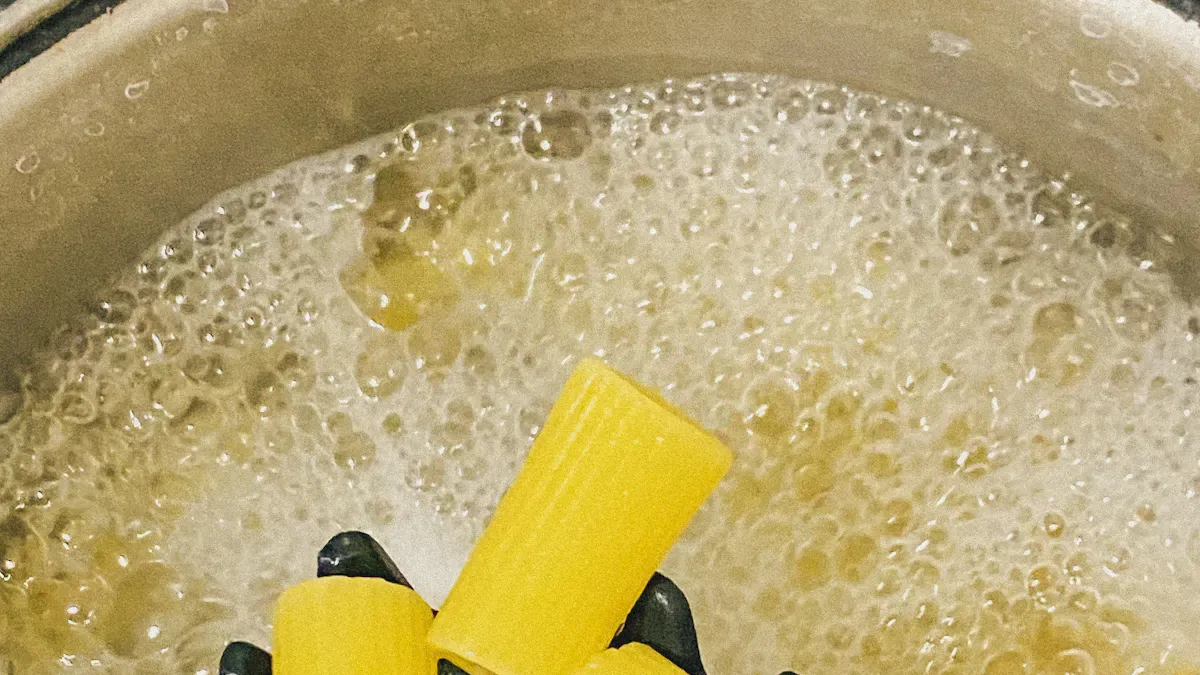
Salting your pasta water is one of the simplest yet most impactful steps in cooking. When you skip this step, your pasta can end up tasting bland. Salt seeps into the noodles, seasoning them thoroughly. This process enhances the flavor from the inside out, making every bite more enjoyable. Without salt, your pasta relies heavily on the sauce for flavor, which can lead to an unbalanced dish.
Here’s what happens when you salt your water:
The flavor improves significantly, making the pasta taste vibrant.
The texture becomes firmer, giving you that perfect bite.
Sauces cling better to salted pasta, enhancing the overall dish.
How to Salt Properly
So, how much salt should you use? A common guideline is around 10 grams (about 3/4 tablespoon) of salt per liter of water. For larger pots, some chefs recommend using 1.5 to 2 tablespoons of fine salt. Here’s a quick reference:
10 grams per liter: This is the standard ratio for most pasta dishes.
1.5 to 2 tablespoons: Ideal for larger pots with 6 quarts of water.
Using the right amount of salt not only enhances flavor but also improves the texture and sauce adherence of your pasta. Remember, a well-seasoned pot of water is key to cooking pasta perfectly!
Aspect | Salted Water | Unsalted Water |
|---|---|---|
Flavor | Enhances flavor from the inside out | Tends to taste bland |
Texture | Improves texture, firmer outer layer | Lacks structure, softer texture |
Sauce Adherence | Helps sauces cling better | Relies on sauce for flavor |
Don’t forget to season the pasta well; it makes all the difference!
Adding Oil to Water
Sauce Adherence
You might think adding oil to your pasta water prevents sticking, but that’s a common myth. In reality, oil floats on top of the water and doesn’t mix with it. When you drain your pasta, that oil creates a slippery film on the noodles. This coating makes it hard for your sauce to cling, which can ruin the flavor of your dish. Culinary studies show that adding oil reduces sauce adhesion by 55%. So, if you want your sauce to stick, skip the oil!
Here’s what happens when you add oil to your pasta water:
It creates a slick coating on the noodles.
Your sauce struggles to adhere, leading to a bland experience.
You miss out on the full flavor potential of your meal.
Alternatives to Oil
Instead of oil, focus on these tips to keep your pasta from sticking:
Use plenty of water: As mentioned earlier, the right amount of water allows pasta to move freely, reducing stickiness.
Stir occasionally: Give your pasta a gentle stir during the first few minutes of cooking. This helps separate the noodles and prevents them from clumping together.
Add salt: Salting your water not only enhances flavor but also helps improve the texture of the pasta, making it less likely to stick.
By following these simple steps, you can achieve perfectly cooked pasta that holds onto your sauce beautifully. Remember, no oil needed!
Overcooking the Pasta
Texture and Flavor Loss
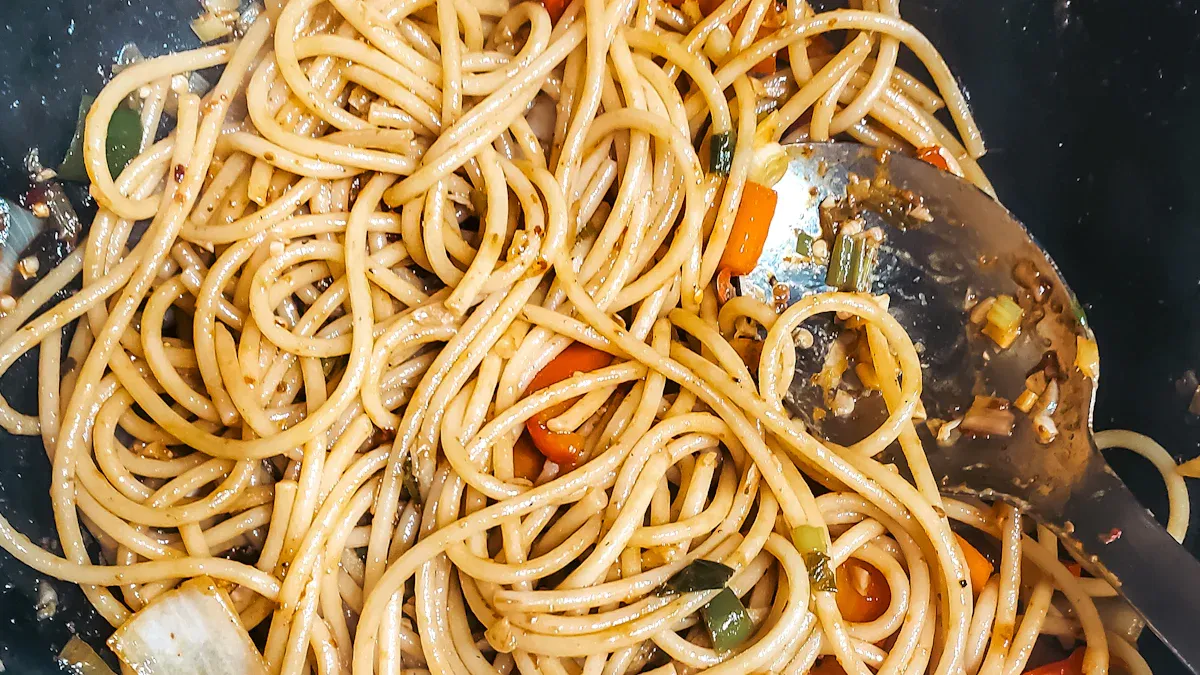
Overcooking pasta can ruin your meal. When you let it cook for too long, the texture becomes mushy. You lose that delightful al dente bite that makes pasta enjoyable. Instead of a firm noodle, you get a soggy mess. This change affects the flavor too. Overcooked pasta often tastes bland and lacks the rich, satisfying experience you want.
Here are some consequences of overcooking pasta:
Increased resistant starch: Overcooked pasta can have up to 2.49% resistant starch, compared to just 1.19% in undercooked pasta.
Nutrient loss: Cooking for too long can cause starch molecules to burst, leading to a reduction in carbohydrate content.
Digestive issues: Overcooked pasta can form a sticky dough in your digestive tract, making it harder to digest.
How to Time Cooking
To avoid overcooking the pasta, keep an eye on the clock. Start checking the pasta a couple of minutes before the package instructions suggest. Most pasta cooks in about 8 to 12 minutes, depending on the type. Here’s a quick tip: taste a piece! If it’s firm but not hard, it’s ready.
Also, remember to reserve some pasta water before draining. This starchy water can help adjust your sauce’s consistency if needed. By timing your cooking right, you can enjoy perfectly cooked pasta every time!
Rinsing Pasta
Losing Starch
When you rinse your pasta, you wash away important starch. This starch helps sauces stick to the noodles, enhancing the flavor of your dish. If you don’t rinse the pasta, the starch creates a natural bond with the sauce. This means your pasta will taste better and have a more satisfying texture. Rinsing can make it difficult for sauces like pesto, red sauce, or cream to cling to the pasta. You want your sauce to coat every strand, right?
When Not to Rinse
Chef Lorenzo Boni compares rinsing pasta to rinsing a grilled chicken breast. Just like you wouldn’t wash away the flavors from the chicken, you shouldn’t rinse your pasta. Rinsing removes the very essence that makes your dish delicious. Instead of rinsing, simply drain the pasta and toss it directly with your sauce. This way, you keep all the flavor and texture intact.
Here’s a quick reminder:
Don’t rinse the pasta after cooking.
Always drain the pasta and mix it with your sauce immediately.
Enjoy the full flavor of your meal without losing any of that tasty starch!
Ignoring Pasta Water
Adjusting Sauce Consistency
When you ignore pasta water, you miss out on a secret ingredient that can elevate your dish. This starchy liquid, often called “liquid gold,” has amazing thickening properties. It absorbs starch from the pasta, which gives it the power to enhance your sauce. Here’s how reserved pasta water can improve your sauce:
It activates starch-sauce binding, helping the sauce cling better.
It adjusts the viscosity without diluting flavor.
In blind taste tests, pasta with reserved water scored significantly higher for sauce cling compared to rinsed pasta.
Using this water can turn a dry sauce into a rich, smooth delight!
How to Save It
Saving pasta water is easy if you remember a few simple tricks. Here are some methods to ensure you keep this valuable resource:
Set a measuring cup in your colander before cooking. This will remind you to save some cooking water.
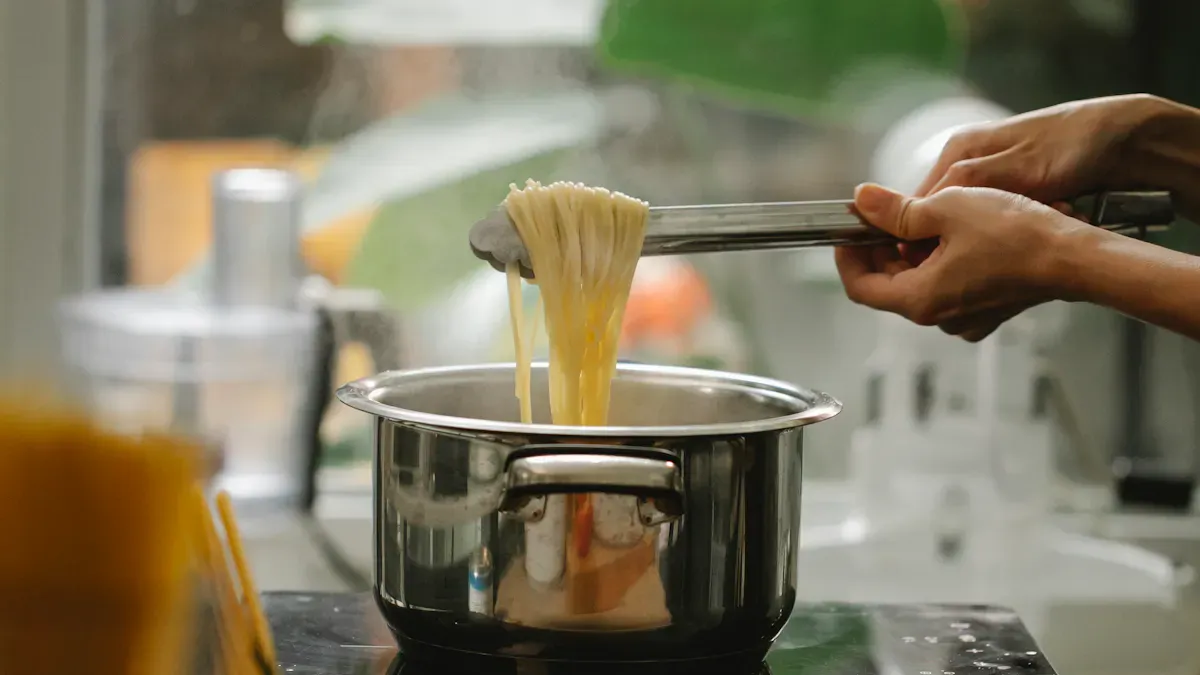
Use tongs for long noodles or a slotted spoon for shorter ones to retrieve water before draining.
Always season your cooking water with about 1.5 tablespoons of salt per pound of pasta. This adds flavor to your sauce when you mix it in.
Avoid common mistakes like pouring all the cooking water down the drain. Doing so can lead to a dry, clumpy sauce that separates from the noodles. Instead, reserve at least one cup of starchy pasta water before draining. This simple step can make a huge difference in your pasta dishes!
Timing the Sauce
Avoiding Cold Sauce
Timing your sauce with your pasta is crucial for a delicious meal. If your sauce is cold when you mix it with hot pasta, you’ll end up with a disappointing dish. Cold sauce can dull flavors and ruin the overall experience. You want your sauce to be warm and ready to embrace the pasta as soon as it’s done cooking.
To keep your sauce at the right temperature, consider these tips:
Heat the sauce while the pasta cooks: Start your sauce before boiling the water. This way, both will finish around the same time.
Use a separate pot: If you’re making a thick sauce, heat it in a separate pot to avoid uneven cooking.
Quickly combine: Once your pasta is ready, drain it and immediately toss it with the sauce. This keeps everything hot and flavorful.
Perfect Timing Tips
Here’s a secret: quickly placing the pasta back in the hot pot can make a big difference. Add some of the starchy water along with your sauce. This starchy water helps the pasta absorb the full flavor of the sauce. Stir vigorously with a cooking fork or spoon. This method emulsifies the starch with the sauce, releasing complex flavors that elevate your dish.
Giada De Laurentiis emphasizes not rinsing your pasta after cooking. The starch acts like glue, helping the sauce cling to your noodles. Remember, a well-timed sauce and pasta combination can turn a simple meal into a culinary delight!
Avoid cooking pasta in jarred sauce: This can lead to uneven cooking and a gummy texture.
Be mindful of sauce thickness: Thick sauces can boil unevenly, causing splattering and affecting the final dish.
By coordinating your sauce and pasta cooking times, you’ll create a harmonious dish that’s bursting with flavor!
Wrong Pasta Shape
Sauce Compatibility
Choosing the wrong pasta shape can really affect your dish. Each pasta shape has a purpose, designed to hold specific sauces. For example, ridges and curves help capture sauce, enhancing both texture and flavor. Here are some key points about sauce compatibility:
Pasta shape affects sauce distribution and experience in each bite.
Ridges, curves, and hollow centers are engineered to capture various sauce textures.
The geometry of pasta influences how well it holds onto sauces, which is essential for a balanced dish.
Best Pairings
Knowing which pasta pairs best with which sauce can elevate your meal. Here are some classic combinations that chefs recommend:
Spaghetti + Pomodoro
Linguine + Pesto
Fettuccine + Alfredo
Rigatoni + Bolognese
Penne + Arrabbiata
Ziti + Sausage Ragu
Orecchiette + Broccoli Rabe
Farfalle + Cream Sauces
Gnocchi + Gorgonzola
For instance, linguine, which comes from Liguria, is perfect with seafood and pesto. Orecchiette from Puglia is designed to catch the florets of Cime di Rapa (broccoli rabe). By choosing the right size and shape of pasta, you ensure that your dish not only looks appealing but also tastes fantastic!
Remember, the right pasta shape can make all the difference in your cooking. So, next time you’re in the kitchen, think about how your pasta shape complements your sauce!
Now that you know the common mistakes in cooking pasta, you can avoid them! Remember to use plenty of water, salt it well, and skip the oil. Check your pasta frequently and save that starchy water. With these tips, you’ll create delicious pasta dishes every time, perfect for a pasta salad or any meal!
FAQ
How do I know when my pasta is done cooking?
Taste a piece! It should be firm yet tender, known as al dente.
Can I cook pasta in the sauce?
You can, but it may lead to uneven cooking. It’s best to cook pasta separately.
What’s the best way to store leftover pasta?
Store it in an airtight container in the fridge. Use it within 3-5 days for best quality.