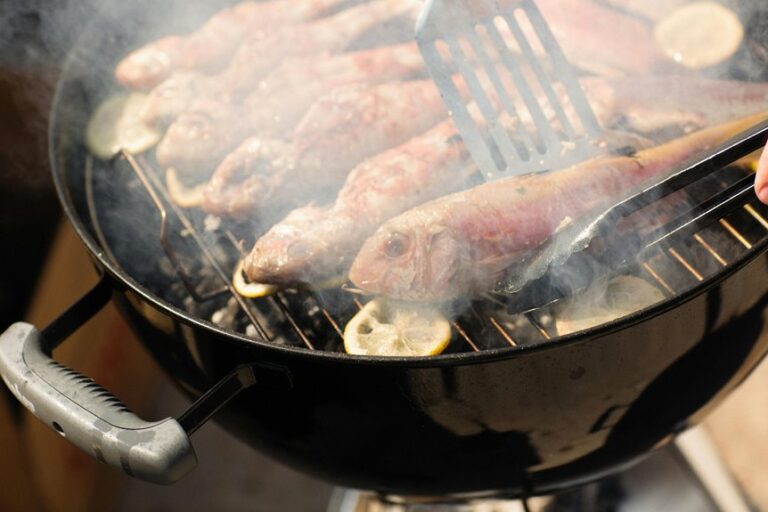

What turns a plain chicken breast into a dinner that feels almost unfairly juicy? You start with the right cut, then you give it the care it wants. Pick even breasts, season them well, and use a quick marinade or dry rub so the flavor reaches past the surface. After that, grill with smart heat control so the meat stays tender, not tired, and you’ll want to know the small finish that makes every bite better.
Choose the Best Chicken Cut
Start with the right cut, and grilling gets a lot easier.
You’ll do best with chicken breasts that look even, fresh, and firm. Choose pieces that match in size so they cook at the same pace. In case one side looks bulky, trim it initially.
Then consider free range vs. farmed, since the label can shape flavor and texture a bit.
You can also pick bone in options whenever you want more built-in moisture, but they need extra care and time.
Boneless skinless breasts give you the cleanest, simplest result for this recipe.
Should the meat feel very thick, split it before you cook. That small step helps you fit in, cook smart, and enjoy a tender meal without stress.
Season Grilled Chicken for Maximum Flavor
To build big flavor, you can start with a simple dry rub that clings to the chicken and seasons every bite.
Should you want even more depth, let your marinade work for the right amount of time, since too little won’t sink in and too long can turn the meat soft.
Whenever you match the seasoning to the clock, you get chicken that tastes bold, balanced, and grilled just right.
Dry Rub Basics
Rubbing in flavor is one of the easiest ways to make grilled chicken taste bold without a lot of fuss. You can mix salt, pepper, garlic powder, paprika, and dried herbs, then press them onto every side so each bite feels like it belongs at the table with the rest of the meal. Focus on spice layering, because each small hit of seasoning builds deeper taste.
For better texture contrast, add a little brown sugar only provided your heat stays gentle, or skip it for a cleaner crust. Pat the chicken dry initially, then rub it on evenly so the coating sticks well. Let it sit briefly while you heat the grill, and you’ll set up a savory crust that makes your crew happy.
Marinade Timing Tips
At that moment you marinate grilled chicken, timing matters just as much as the ingredients, because the right window gives you deep flavor without making the meat soft or tough.
You’re not just seasoning dinner, you’re helping your crew get juicy, confident bites every time. Use quick brining whenever you’re short on time, then move to marinade for steady flavor.
- Marinate for 20 minutes whenever you need speed.
- Aim for 2 hours for fuller taste.
- Try overnight marinating only in the fridge.
- Stop at 12 hours so the chicken stays firm.
Keep your marinade simple with oil, herbs, garlic, and salt. Should you add lemon, use zest, not lots of juice.
That way, you’ll build flavor, stay in control, and serve chicken everyone wants a second piece of.
Make a Marinade That Adds Moisture
You can make your marinade work harder through balancing a little acid with enough oil, so the chicken stays tender without turning tough.
Salt also plays a big role because it helps the meat hold onto moisture while the flavors sink in.
Then you can add garlic, herbs, and a few spices to give each bite a fresh, savory taste that feels juicy, not dry.
Acid and Oil Balance
A well-balanced marinade can make grilled chicken taste juicy, bright, and deeply seasoned without turning it mushy. You want the acid ratio low enough to wake up the flavor, not so strong that it tightens the meat. Keep the oil proportion higher, because oil helps carry herbs and coats the chicken in a gentle layer.
- Use lemon juice or vinegar sparingly.
- Blend in olive oil for softness.
- Add garlic, herbs, and pepper for depth.
- Marinate 20 minutes to 2 hours in the fridge.
That simple mix helps you fit in with every grill night crew, because your chicken comes out balanced, welcoming, and easy to love.
Salt for Juiciness
Salt does more than season chicken, because it also helps the meat hold onto moisture as it hits the grill. You can use the kosher technique to coat each piece evenly, so you and your crew get tender bites every time. Keep the brine timing simple: 30 to 60 minutes works well for most breasts, and longer soaks can make the texture too soft.
| Salt amount | Time | Result |
|---|---|---|
| Light coat | 20 min | Mild juiciness |
| Even coat | 30 min | Better moisture |
| Full brine | 60 min | Best hold |
Mix salt with water in a bowl or bag, then massage the chicken gently. This helps the seasoning sink in and keeps the meat feeling welcoming, not dry, as you gather at the grill.
Flavorful Herb Additions
Fresh herbs and the right marinade can turn plain chicken into something that tastes bright, juicy, and full of life. You can build that cozy, crowd-pleasing flavor with olive oil, garlic, lemon zest, and a handful of chopped herbs. The oil helps lock in moisture, while the herbs make every bite feel fresh and familiar. Try this simple mix:
- parsley for a clean, lively taste
- thyme for gentle depth
- lemon herb notes for brightness
- citrus fennel for a light, fragrant finish
Let the chicken rest in the marinade for 20 minutes to 2 hours, so the flavors settle in without turning the meat tough. Whenever you bring this to the grill, you’re not just cooking chicken. You’re making dinner feel like yours.
Prep Chicken for Juicy Grilling
Getting your chicken ready the right way makes all the difference between dry meat and a juicy, tender bite. You’re not just prepping dinner; you’re setting up a meal your people will recollect. Start with breasts that match in size, then lightly pound them so they cook evenly. Should one side be thick, slice it first. A short brine or a simple dry rub helps lock in moisture and flavor.
| Step | Why it helps |
|---|---|
| Choose similar pieces | They cook at the same pace |
| Lightly pound | Keeps the meat tender |
| Brine briefly | Adds juiciness |
| Use skin scoring | Helps seasoning reach deeper |
| Try butter basting | Adds rich flavor |
Keep the chicken cold until you’re ready, and you’ll feel a lot more confident at the grill.
Set Up the Grill for Even Cooking
To get that juicy chicken with a nice sear, start heating your grill at medium-high, around 400°F, so the heat is strong enough to brown the outside without drying out the center.
Then you can set up the grill like a team effort, with hot and calm spots working together. Should you use charcoal placement, pile the coals on one side and leave the other side open. That gives you indirect zones for gentler cooking whenever the flames get lively.
- Clean and oil the grates.
- Keep one side hotter than the other.
- Close the lid to hold steady heat.
- Give chicken room, so it doesn’t steam.
With this setup, you’ll feel more in control, and your chicken will fit right in on the grill.
How Long Should You Grill Chicken?
Grilling chicken doesn’t take long, but it does need your attention.
For boneless breasts, aim for 6 to 8 minutes total over medium-high heat, turning once so you stay in control and keep the meat tender.
In case you’re using bone in pieces, plan for longer bone in timing, since the heat needs more time to reach the center.
Thighs and drumsticks often need 20 to 30 minutes, depending on size.
Watch for carryover cooking after you lift the chicken off the grill, because the heat keeps working for a few minutes.
That’s why a short rest helps your dinner feel juicy and welcoming.
Should your pieces are thick, give them a little extra time and stay calm.
You’ve got this, and your grill crew will taste it.
What Temperature Means Grilled Chicken Is Done?
In case you’ve just checked the grill time and your chicken is still on the grate, the next question is simple: how do you know it’s actually done? You don’t need guesswork. Check the thickest part with a meat thermometer, and aim for an internal temperature of 165°F. That number tells you the chicken is safe and still juicy. Should you pull it right at 165°F, carryover cooking can nudge it a bit higher while it settles.
- Insert the thermometer from the side.
- Avoid touching bone or the grate.
- Check more than one piece.
- Trust the number, not the color.
When you hit that mark, you can feel confident your grill crew is eating safely and happily.
Let Grilled Chicken Rest Before Slicing
Letting grilled chicken rest before slicing is the small pause that makes a big difference. Whenever you pull it off the grill, set it aside for 5 to 10 minutes so carryover cooking can finish the job without drying the meat.
During this quiet time, juice redistribution happens inside each piece, so every bite stays tender and familiar, like the kind of dinner you’re glad to share. Should you cut too soon, those juices run out onto the board instead of staying with you on the plate.
Keep the chicken loosely covered, then slice against the grain once it’s ready. That simple wait helps your grilled chicken feel juicier, calmer, and more satisfying, especially as everyone’s already gathering around the table.
Use a Dry Rub for Extra Flavor
A dry rub can wake up grilled chicken fast, and it’s one of the easiest ways to add bold flavor without extra fuss. You can mix smoked paprika, garlic powder, pepper, and a brown sugar free base, then add citrus zest for a bright lift. In case you want deeper, richer notes, try a coffee rub with a little cumin.
- Pat the chicken dry.
- Coat it evenly.
- Press the spices in.
- Let it sit 15 minutes.
This simple step helps you feel like you’re cooking with the crowd, not just for it, because every bite tastes shared and welcome. Keep the layer light, so the spices cling well and don’t overpower the chicken.
Grill Chicken Breasts Without Drying Them Out
Chicken breasts stay juicy whenever you handle them with care from the start, and that’s usually where people save dinner.
Initially, even out the thick parts so they cook at the same pace. Then season them well and let them sit for a bit so the salt can help hold in moisture.
On the grill, use indirect heat after a quick sear, because steady warmth keeps the meat from tightening up. Close the lid and watch the clock, not your worries.
Should you want extra comfort, brush on butter basting near the end for a glossy finish and a softer bite.
Pull the chicken off when it’s just done, then let it rest before you slice. That little pause keeps your plate happy.
Boost the Flavor of Grilled Chicken Thighs
Sizzle up your grilled chicken thighs giving them a little extra love prior to them hit the grates. You can build bold flavor fast, and your crew will taste it in every bite.
Start with a smoky brine to season deep, then add citrus zest for a bright finish that lifts the meat without turning it tough.
- Mix salt, pepper, garlic, and herbs.
- Soak the thighs in the smoky brine for 30 to 60 minutes.
- Pat them lightly, then rub on olive oil and citrus zest.
- Let the thighs sit while the grill heats so the flavor settles in.
Next, cook them over steady heat, and you’ll get a savory crust that feels right at home on your table.
Fix Dry Grilled Chicken Without Ruining It
Provided that your grilled chicken turned out a little dry, don’t panic, because you can bring it back with a little sauce. Spoon on a warm pan sauce, salsa, or a light broth-based glaze so the meat soaks up moisture without getting soggy.
Then slice it against the grain, and you’ll make each bite feel tenderer right away.
Rehydrate With Sauce
A little sauce can save dry grilled chicken, but the trick is to add moisture without turning the meat soggy or washing away the flavor you worked hard to build. You can do that with a light sauce infusion and a thin moisture glazing, so every bite feels cared for.
Start with warm pan juices, broth, or a quick herb butter. Then brush on just enough to coat the surface.
- Use a spoon, not a flood.
- Warm the sauce initially.
- Keep it light and glossy.
- Serve right away.
When you stay gentle, you keep the char, the spice, and the comfort. That way, your chicken still tastes like it belongs at the center of a good meal, not a rescue mission.
Slice Against Grain
Slice the grilled chicken across the grain, and you can turn a dry bite into something much easier to chew. You’re not fixing the meat so much as helping it act tender. Look for the fiber direction initially, then cut short, clean slices against those lines. This breaks the long muscle strands, so each piece feels softer and less stringy in your mouth.
Keep your knife sharp and use gentle pressure, because rough sawing can tear the meat and make it look tired. For the best presentation slices, angle the knife slightly and keep pieces even. That way, your plate feels welcoming, and you get a meal that still looks good enough to share with friends without any fuss.
Serve Grilled Chicken With Bold Sides
Bold sides can turn grilled chicken from simple dinner into a meal that feels complete and exciting. You’ll feel right at home whenever the plate brings color, crunch, and a little heat. Try these four crowd-pleasers:
- smoky corn with lime and chili
- charred pineapple for sweet tang
- crisp slaw with herbs
- roasted potatoes with garlic
Each side lifts the chicken’s smoky flavor and keeps every bite interesting. You can mix sweet, salty, and fresh elements so your meal feels balanced and welcoming.
Should you be serving friends or family, these bold extras make everyone reach for seconds. Then, pair them with your sliced chicken and watch the plate feel warm, shared, and satisfying.
Frequently Asked Questions
Should Chicken Breasts Be Brined Before Grilling?
Yes, brining chicken breasts before grilling helps them stay moist, seasons the meat throughout, and makes grilling less risky, so you can serve chicken that is tender and flavorful every time.
Can I Grill Chicken Straight From the Refrigerator?
Yes, you can grill it straight from the refrigerator. For better results, let the chicken rest at room temperature for 15 minutes before grilling. Carryover heat will finish cooking it gently.
Is It Better to Use Bone-In Chicken for Grilling?
Yes, bone in chicken usually delivers deeper flavor and stays juicier on the grill, but it needs lower heat and more attention to cook through evenly. The bone helps protect the meat, while the slower pace gives you a tender, well cooked result.
How Do I Stop Chicken From Sticking to the Grill?
Preheat the grates until they are hot, then brush them with oil before adding the chicken. Clean, well heated metal releases food more reliably, and this simple step helps the chicken lift off with less sticking.
Does Dry Brining Help Grilled Chicken Stay Juicy?
Yes, dry brining helps grilled chicken stay juicy by letting salt move into the meat, which improves seasoning and helps the chicken hold onto moisture. It also gives the skin better texture and the meat a more tender bite when you salt it ahead of time and let it rest.