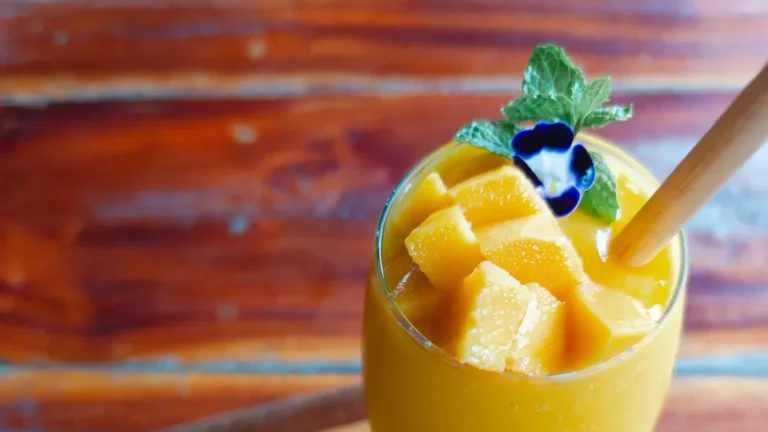

At the point you want a smoothie bowl that feels thick, cold, and satisfying, you need to treat it more like soft-serve than a drink. Start with mostly frozen banana and berries, then add only a splash of plant milk so the mix stays spoonable. From there, you can build in creaminess and nutrients with mango, coconut milk cubes, yogurt, nut butter, or seeds, and the real trick is how you blend it so it doesn’t melt into soup.
What Makes a Thick Smoothie Bowl?
A thick smoothie bowl starts with one simple rule: keep the mix frozen and keep the liquid low. You get that plush, spoonable feel whenever you use mostly frozen fruit, because the cold fruit sugars hold the blend tight instead of turning runny.
Then you add just enough milk to help the blades move, not enough to thin the bowl. As you blend, keep scraping and pause provided needed, so the texture stays creamy and close-knit.
The right serving temperature matters too, since a warmer bowl softens fast. Once you aim for that chilled, almost soft-serve feel, you make a bowl that feels made for you, with every bite thick, cool, and comforting.
Choose the Best Frozen Fruit Base
The best frozen fruit base gives you that thick, scoopable texture you want right away.
You’ll usually get the creamiest bowl with frozen bananas, mangoes, berries, or a mix of them, since they blend into a soft-serve feel without turning watery.
Should you pick fruits with different strengths, like sweet bananas and tangy berries, you can build a bowl that tastes balanced and feels extra rich.
Frozen Fruit Texture
Frozen fruit makes or breaks your smoothie bowl, so you want to choose pieces that blend thick, creamy, and cold without turning watery. You’re not just making breakfast; you’re joining the thick-bowl crowd with every frosty scoop. Fruit crystallization can make chunks hard, so keep your fruit sealed and cold. Good temperature storage helps the pieces stay separate and blend evenly.
- Pick frozen bananas for sweet, smooth body.
- Add berries or mango for a firm, rich base.
- Use only a small splash of milk, then blend slowly.
If the fruit feels icy, let it rest for a minute. Then pulse again and scrape the sides. That way, you keep the texture dense and spoonable, not runny.
Best Fruit Combinations
Which frozen fruit combo gives you that thick, dreamy smoothie bowl base you actually want? You do, and you can pick one that feels like your own. Frozen bananas give you creaminess, while strawberries add bright flavor and a soft blush. Should you want tropical pairings, mix mango with pineapple for a sunny, mellow base that still tastes fresh. For citrus medleys, blend orange with mango or berries for a lively, tangy bowl that wakes up your spoon. You can also pair blueberries with banana for a deeper, jammy taste that feels cozy. Keep the fruit fully frozen, and your bowl stays rich and scoopable. Once you match sweet fruit with tart fruit, you build balance, and you make each bite feel like your kind of breakfast.
Thicker Bowl Bases
Should you have loved the fruit pairings above, now it’s time to pick the base that gives your smoothie bowl real body. You want frozen fruit that blends dense, not runny, so your bowl feels like a treat you earned.
- Start with frozen bananas for sweetness and a soft-serve feel.
- Add berries or mango for bright flavor and extra thickness.
- Use frozen zucchini or cauliflower whenever you desire frozen starches that stay mild and creamy.
Keep liquid near ¼ cup, then blend slowly and scrape the sides.
In case you need more richness, try frozen coconut milk cubes or yogurt. These work like gentle gelatin alternatives, helping your bowl hold shape without wobble.
Given the right base, you’ll feel right at home in every spoonful.
Add Creaminess Without Thinning It Out
To make a smoothie bowl creamy without watering it down, start leaning on rich ingredients that add body rather than extra liquid. You can stir in coconut cream for a lush, spoonable feel, and silken tofu should you desire a smooth finish with extra protein. Half an avocado also blends in quietly and keeps the flavor mellow.
Were you to need more richness, try a spoon of nut butter or a few frozen banana chunks. These choices help you feel like your bowl belongs in the thick-and-cozy club, not the sad-soup crowd. Keep plant milk small, just enough to get things moving.
Then add toppings that echo that creamy base, like chia seeds, coconut flakes, or yogurt, so every bite stays plush and satisfying throughout.
How Do You Blend a Smoothie Bowl?
You’ll want a blender that can handle frozen fruit without stalling, so a high-speed model with a tamper works best.
Start with just a little liquid and blend on low at outset, because that helps you keep the bowl thick instead of turning it runny.
Should the mixture gets stuck, stop and scrape the sides, then keep blending until it looks like soft serve.
Choosing The Right Blender
A good smoothie bowl starts with the right blender, because thick, scoopable texture depends on power and control, not luck. You want a machine that helps you feel confident, not frustrated, whenever the fruit is frozen and stubborn.
- High power blenders handle frozen bananas, berries, and add-ins with less stopping.
- Personal blenders work well for one serving, especially whenever you want a quick, cozy breakfast.
- Choose a blender with a tamper or strong pulse mode so you can keep the mix moving.
Should you often make bowls for friends or family, a larger jar gives you room to blend together.
In case you usually make one bowl for yourself, a smaller model can feel easier and more personal. Either way, pick the tool that fits your kitchen and your routine.
Blending For Thick Texture
Now that you’ve picked a blender that can handle frozen fruit without giving up halfway, the next step is learning how to blend for thickness.
You’ll want to start with just a splash of plant milk, then add frozen bananas, berries, or mango. Keep the mix tight so it moves slowly and stays creamy. Use low speed blending initially, because high speed can warm the mixture and thin it out.
Should the blades stall, use the tamper technique to push ingredients down instead of adding more liquid. Pause and scrape the sides when needed, since that helps everything blend evenly. You can also add frozen cauliflower or avocado for extra body.
Soon, you’ll have that cozy, spoonable bowl your crew will want too.
Add Nutrients Without Losing Thickness
Should you desire more nutrition in your smoothie bowl without turning it thin, the trick is to add ingredients that bring body as well as benefits. You can build micronutrient layering by folding in spinach, frozen cauliflower, or a scoop of protein powder. They blend in smoothly and keep that spoon stand-up feel your bowl needs. Try antioxidant pairing, too: match berries with cacao, or mango with camu camu, so you get more color and more support in each bite.
- Add frozen zucchini for thickness and extra vitamins.
- Use chia seeds or nut butter for fiber and healthy fats.
- Stir in half an avocado for creaminess that feels rich and friendly.
You’ll stay on track with the crew, and your bowl won’t betray you should it go runny.
Top Smoothie Bowl Toppings for Texture
Toppings are where your smoothie bowl really comes to life, and they can help you keep that thick, spoonable base you worked so hard to make. You want contrast, so start with Crunchy Seeds like pumpkin, sunflower, or chia for a light snap.
Then add sliced almonds, toasted coconut, or cacao nibs for extra bite without burdening things down. Should you crave sweetness, try a few berries, banana coins, or a strip of Fruit Jerky cut into small pieces. That chewy touch feels fun and keeps each spoonful interesting.
For a cozy finish, sprinkle granola in a thin layer, then place your toppings in little clusters. You’ll get better texture, more color, and a bowl that feels made for you.
Make It Filling With Protein
A smoothie bowl can look light and pretty, but it should also keep you full, so protein matters a lot here. Whenever you build your bowl, add a scoop of protein powder, a spoon of nut butter, or Greek yogurt in case you eat dairy. These choices help you stay satisfied longer, and they fit right in with the thick base you already made.
- Choose protein timing that works for your morning or post-workout routine.
- Stir in chia seeds or hemp seeds for extra staying power.
- Try savory add ins like a pinch of salt, tahini, or unsweetened seeds for a more balanced taste.
That way, your bowl feels like part of your crew, not just a snack.
How Do You Fix a Runny Smoothie Bowl?
Whenever your smoothie bowl turns runny, don’t worry, because it’s usually easy to save. You can fix it fast via adding more frozen fruit, especially banana or berries, then blending again on low.
Should it still look loose, try ingredient swaps like avocado, chia seeds, or a spoonful of nut butter. These help you build that spoonable, scoopable texture your bowl deserves.
Next, adjust cooling through chilling your bowl, blender jar, or mix for a few minutes, since cold ingredients thicken better.
Also, cut back on liquid next time and pour in just a little at the outset. Should it be needed, pause and scrape the sides, then blend again.
You’re not alone here. A runny bowl happens, and you can bring it back with patience.
Best Smoothie Bowl Flavor Combinations
As you want a smoothie bowl that truly tastes astonishing, the best flavor combos usually start with one bold fruit and one creamy base. You can build a bowl that feels like your go-to order with a few smart pairings:
- Banana and berry give you a sweet, familiar mix that feels cozy and bright.
- Mango and pineapple create a tropical fusion that tastes sunny and lively.
- Strawberry and orange bring a citrus zing that wakes up your spoon fast.
You can also add avocado for a smooth finish, then top with coconut flakes or seeds for balance. Whenever you choose flavors that complement each other, your bowl feels both exciting and comforting.
That’s the sweet spot, and it’s where your best bowl starts.
Customize Your Smoothie Bowl for Any Diet
Whether you eat dairy-free, high-protein, low-sugar, or fully plant-based, you can shape your smoothie bowl to fit your day without losing that thick, spoonable feel.
Start with frozen fruit, then match your base to your needs. For dairy-free bowls, use almond milk or coconut milk. For extra protein, blend in yogurt, nut butter, or protein powder. Should you want less sugar, lean on berries, avocado, and frozen cauliflower.
Whenever you need allergy swaps, trade nuts for seeds and dairy for oat or soy options. This also makes meal prep easier because you can freeze portions ahead and build bowls fast. Add chia, hemp, or cocoa for more flavor and staying power.
You still get a bowl that feels like it belongs on your table.
Frequently Asked Questions
Can I Make a Smoothie Bowl Without a High-Speed Blender?
Yes, you can make one without a high speed blender. A food processor or mason jar blender works well. Chop the frozen fruit first, add only a small splash of liquid, pulse in short bursts, and scrape the sides until the mixture turns thick and creamy.
How Do I Store Leftover Smoothie Bowl for Later?
Keep leftover smoothie bowl in a sealed container and freeze it in individual portions right away. That helps preserve the texture, and you can thaw just one serving when you want it. Give it a quick stir after thawing, then top with fresh fruit or granola and serve.
Can I Use Fresh Fruit Instead of Frozen Fruit?
Yes, you can use fresh fruit, but the bowl will be less thick and airy. Cut back on liquid, add ice or frozen banana, and you can still make a creamy bowl with a fresh fruit flavor.
Which Sweeteners Work Best Without Making It Watery?
Maple syrup, agave nectar, stevia, and monk fruit powder all mix in smoothly without thinning the bowl.
How Can I Make Smoothie Bowls Kid-Friendly?
You can make smoothie bowls more appealing to kids by using mild flavors, renaming them “ice cream bowls,” and adding playful toppings. Serve them in cups for easy handling, and let children pick colorful fruit, granola, or sprinkles.