

Most tea shelves look the same at first glance: brown boxes, herbal promises, vague claims about wellness. Picking something that actually tastes good, fits your routine, and won’t leave you wide awake at midnight is harder than it should be. This roundup narrows the field to ten genuinely different non-caffeinated teas, from a wide-ranging sampler to single-note spice blends, so you can match a cup to the moment without guesswork.
A Quick View Of The Lineup

Twinings Best of Tea Sampler, 56 Count

Celestial Seasonings Bengal Spice Herbal Tea

Celestial Seasonings Sleepytime Herbal Tea
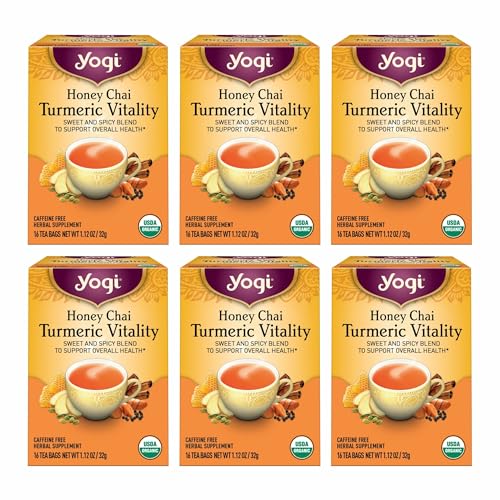
Yogi Honey Chai Turmeric Vitality Tea

Yogi Get Well Organic Tea Sampler
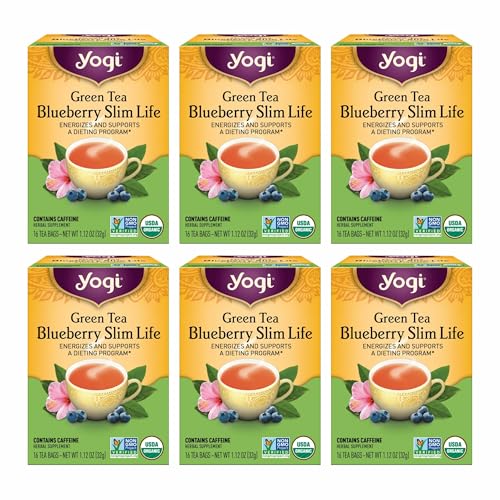
Yogi Green Tea Blueberry Slim Life Tea

Yogi Raspberry Leaf Tea

LeafLea Turmeric Ginger Cinnamon Tea Bags

LeafLea Turmeric Tea with Ginger & Cinnamon

LeafLea Ginger Turmeric Cinnamon Tea Bags
Meet The Standout Selections
The Twinings sampler makes a strong first impression because it solves the biggest problem for anyone new to loose-bag exploration: too many boxes, not enough variety. Fifty-six bags spread across seven flavors, eight of each, give you a real cross-section rather than a sampler in name only.
Unlike the single-note spice picks later in this list, the Twinings box mixes caffeinated classics like English Breakfast and Earl Grey with a decaf black and two genuinely caffeine-free options, Lemon & Ginger and Pure Peppermint. The decorative gift packaging means it doubles as a present for college students, coworkers, or that one friend who always says they’ll start drinking more tea. For most households, the variety alone justifies the space it takes on the counter.
Where It Excels
- Seven distinct flavors in a single box, so you can find your preferences before committing to a full-size package
- Includes a true decaf black tea option, which most samplers skip entirely
- Packaging arrives gift-ready, removing one step for holiday gifting
- Mixed caffeine profile lets you rotate between morning blacks and evening herbals from one stash
- Brand recognition helps with consistency across reorders down the line
Honest Caveats
- Eight bags per flavor runs out fast for daily drinkers, so you may find yourself reordering the same flavors individually
- Some flavors lean toward the lighter end and may taste thin to anyone used to loose-leaf strength
Who It Suits Best
Curious newcomers and gift-givers who want a low-commitment way to sample widely without stocking seven separate boxes.
Consider Something Else When
The Celestial Seasonings Bengal Spice Herbal Tea suits chai-style spice lovers who already know they want a warm, single-flavor cup rather than broad variety.
Bengal Spice exists for a specific kind of evening, the one where you want chai flavor without the caffeine gamble. It’s brewed from cinnamon, ginger, cardamom, and clove, leaning hard into the warm-spice side of the chai spectrum without any actual black tea in the blend.
Compared to the broad Twinings sampler, this is a focused single-flavor choice that rewards you with consistency. Adding milk and a touch of sugar turns the cup into something closer to a masala chai, which makes it a quiet winner for late afternoons when you still want something comforting but not stimulating. For most kitchens, the bold flavor also means the bag holds up to a longer steep without turning bitter.
Why It Works Well
- Strong spice profile means a single bag flavors a full mug, even with milk added
- Caffeine-free format makes it usable in the late afternoon without sleep concerns
- Chai-adjacent flavor works for drinkers who find straight herbal teas too mild
Points To Keep In Mind
- Spice-forward flavor can feel overpowering if you’re used to lighter green or white teas
- Bag-only format means no option for loose-leaf drinkers who prefer to measure their own
Made For
Chai fans who want the warmth and ritual of spiced tea without the caffeine, especially during cooler months.
Not Your Match When
Yogi Get Well Organic Tea Sampler fits better if you want variety across multiple wellness-focused blends rather than one signature flavor.
Sleepytime is one of those products that’s been a kitchen-cabinet fixture for so long that some drinkers forget it isn’t the only chamomile option on the shelf. The blend layers chamomile, spearmint, and lemongrass into a cup that’s gentle enough for a pre-bed ritual and aromatic enough to anchor a slow evening.
Where the Bengal Spice box pushes warmth, this one leans cool and floral. A six-pack of forty-count boxes, 240 bags total, is sized for households that genuinely go through a mug a night. Storage is straightforward, since the small individual boxes stack easily in a pantry, and the consistent flavor across batches makes it an easy default when no one feels like deciding.
What Works In Its Favor
- Soft, recognizable flavor profile that works for both adults and kids settling in for the evening
- Larger pack count reduces reorder frequency for nightly drinkers
- Light, mint-tinged aroma doubles as a signal that the day is winding down
- Affordable per-bag cost compared to single-box herbals in the same category
Trade Offs
- Mild flavor may feel too subtle if you usually drink coffee or strong black tea
- Bulk packaging means the boxes take up real pantry space before the first one is empty
Right Fit For
Anyone building a reliable wind-down ritual who values a familiar, gentle flavor over novelty.
Skip It When
Yogi Honey Chai Turmeric Vitality Tea makes more sense for drinkers who want a spicier, more stimulating cup earlier in the day.
Yogi’s Honey Chai Turmeric sits at the intersection of two popular trends: warming chai spice and earthy turmeric. The blend leans on cinnamon, cardamom, ginger, and clove for the chai backbone, then layers in turmeric and organic honey flavor for a sweeter, golden finish that drinks a bit like a turmeric latte in bag form.
Unlike Celestial Seasonings Bengal Spice, which goes fully spice-forward, this one reads rounder and more dessert-like on the palate. The seven-minute steep is longer than a typical bag, and the brewing guidance to add milk or a sweetener nudges you toward a richer cup. It’s a natural choice for slow afternoons when you want a hot drink that feels substantial but won’t keep you up.
A Few Highlights
- Turmeric and chai spices combine into a layered, golden cup that feels more substantial than plain herbal tea
- USDA Organic ingredient list makes it a fit for shoppers filtering by certification
- Sweet honey note reduces the need for added sugar when brewed plain
- Six-pack count supports multi-drinker households without frequent reorders
Potential Drawbacks
- Longer steep time means slightly more planning than a quick three-minute bag
- Turmeric can stain mugs and countertops, so cleanup needs a quick rinse rather than a long soak later
Best Suited To
Slow afternoon sippers who want a chai-style cup with a turmeric twist and don’t mind a longer steep.
Look Elsewhere When
LeafLea Turmeric Ginger Cinnamon Tea Bags suit drinkers who want a cleaner three-herb turmeric blend without the honey or chai layering.
Where the Twinings sampler is a survey of traditional black and herbal teas, the Yogi Get Well pack is more directional. Six blends are assembled with what Yogi calls Ayurvedic inspiration, leaning into warm spices, ginger, and herbal combinations typically used in seasonal wellness routines.
The six-box format, 96 bags in total, makes this a good fit for households that like to keep a different blend on hand for different moods. Brewing suggestions live on the back of each individual box, so you can steep confidently even on a blend you haven’t tried before. Compared to the Honey Chai Turmeric pick, the Get Well box trades single-flavor focus for range across related wellness themes.
Real Benefits
- Multiple wellness-leaning blends in one purchase reduce decision fatigue during a sniffly week
- Each box lists its own brewing suggestions, which helps with less common herbs you may not have steeped before
- Yogi’s spice-forward style carries through the sampler, so flavor stays consistent across blends
Some Limits To Know
- Variety pack format means you can’t reorder just one favorite without committing to a different set
- Spice-heavy profile won’t suit drinkers looking for light, floral cups
Who Will Love This
Seasonal wellness drinkers and anyone stocking a tea shelf for cold-and-flu months with multiple options in arm’s reach.
Another Choice May Suit
Twinings Best of Tea Sampler works better for someone wanting a balance of traditional black teas and herbals rather than a wellness-leaning variety.
A quick note on terminology here: green tea naturally contains caffeine, even in small amounts, so this pick fits a “low-caffeine daytime” routine more than a strict caffeine-free one. The blend pairs green tea with blueberries, Garcinia cambogia fruit extract (a tropical fruit sometimes used in weight-support products), Panax ginseng root, and eleuthero root (a shrub used in traditional herbal systems) for a fruitier, more functional profile than a plain green tea bag.
Compared to the warm spice picks earlier, this one tastes lighter and slightly tart. The three-minute steep is short, which suits busy mornings when you want a hot drink without a long ritual. Organic and non-GMO ingredient sourcing will matter to some shoppers, while the six-pack size keeps the per-cup cost reasonable for daily drinkers.
The Value In It
- Fruit-and-green-tea flavor profile reads as refreshing rather than heavy, fitting daytime routines
- Three-minute steep is friendly for rushed mornings and work-from-home desks
- Multiple added botanicals give the blend a more layered cup than plain green tea
Things To Consider
- Green tea base means it’s not strictly caffeine-free, so late-evening drinking isn’t a fit
- Berry-forward flavor can taste artificial to drinkers used to plain green or herbal teas
Perfect Match For
Active daytime drinkers who want a fruitier green tea with added botanicals and a quick steep time.
Reach For A Different Pick When
Celestial Seasonings Sleepytime Herbal Tea is a better evening option if you want a cup with no caffeine at all.
Raspberry leaf is a more specialized choice than anything else on this list. It’s a single-herb tea traditionally associated with menstrual comfort and, historically, late-pregnancy support, used by midwives and Western herbalists in those contexts. The flavor reads as earthy and faintly sweet, somewhere between a mild black tea and a green herbal.
Yogi’s version comes in a six-pack of sixteen-count boxes, which is more bag than the casual drinker needs, so it makes the most sense for someone who already knows they want raspberry leaf specifically. A seven-minute steep pulls a deeper amber color, and you can adjust strength with a second bag. Storage is simple, and the boxes fit into a regular pantry rotation.
Useful Touches
- Single-herb recipe makes ingredient lists easy to read at a glance
- Vegan, USDA Organic, and non-GMO sourcing for shoppers filtering by those standards
- Yogi steeping guidance gives a clear path to a fuller-flavored cup with a second bag
Possible Compromises
- Earthier, less sweet flavor can be a tough sell for drinkers used to fruitier herbal blends
- Larger six-pack format may be more than occasional drinkers can use before bags lose freshness
Who Should Grab It
Drinkers specifically seeking raspberry leaf tea for monthly cycle comfort who already know the flavor profile suits them.
Swap It Out When
Celestial Seasonings Sleepytime Herbal Tea is a better match if you want a more general evening cup rather than a single-purpose herbal.
LeafLea’s turmeric-ginger-cinnamon blend is a smaller, more focused way to try the turmeric tea category without committing to a six-pack. The 40-bag box sits in a comfortable middle ground between a single-use sampler and a full pantry stock, which makes it the easiest entry point on this list.
Each bag is individually foil-wrapped, a step many larger brands skip, so the last bag in the box tastes closer to the first. Compared to the Honey Chai Turmeric pick from Yogi, this blend is cleaner and more spice-forward, without the honey note or chai-style layering. It also has the same multi-pack size options as the larger LeafLea boxes, so upgrading later is straightforward.
What Stands Out
- Individual foil sachets keep bags fresher over time, which matters in smaller-batch purchases
- Three-herb recipe is easy to read and free of extras that might put off purists
- 40-bag count is a manageable size for testing the blend before moving to bulk
Where It May Fall Short
- Smaller brand presence means fewer written reviews and less name recognition than Yogi or Celestial Seasonings
- Spice-heavy profile may overwhelm drinkers who prefer gentler herbals like chamomile
Built With In Mind
Curious first-time turmeric tea drinkers who want a manageable box size before stepping up to a larger supply.
Where A Sibling Pick Shines
LeafLea Turmeric Tea with Ginger & Cinnamon in the 160-count format fits heavy drinkers who already know they want the blend long-term.
Quick Facts
This 160-bag, four-box format takes the same turmeric-ginger-cinnamon blend and steps the volume up for daily drinkers. The bag count matters because turmeric tea tends to become a regular habit fast, and running out mid-week is more annoying than running out of a casual herbal.
Ingredient-wise, the recipe stays clean, with turmeric as the dominant note, ginger for warmth, and Saigon cinnamon (a Vietnamese cinnamon variety known for higher cinnamaldehyde content, the compound that gives cinnamon its signature heat) for a rounder finish. The individually foil-wrapped bags address the freshness concern that often comes with larger boxes, so even bag 159 should pour close to bag 1 in aroma. The four-box footprint stacks neatly in a cabinet, depending on your storage layout.
Everyday Perks
- Larger bag count reduces reorder frequency for daily turmeric drinkers
- Foil-wrapped sachets keep the later bags tasting as fresh as the early ones
- Three-herb recipe is simple to read on the label
Areas To Watch
- Spice-led flavor won’t suit drinkers who want a light, floral, or fruity cup
- Smaller brand recognition means fewer published customer impressions to compare against
The Right Fit
Daily turmeric tea drinkers who want a reliable mid-size supply without jumping to the largest bulk option.
A Better Fit Elsewhere
LeafLea Ginger Turmeric Cinnamon Tea Bags in the 240-count format suits heavier households that go through more than one bag a day.
Feature Snapshot
The 240-bag, six-box version is the bulk step for households where turmeric tea has become a daily fixture. Two hundred forty bags sounds like a lot, but for a multi-drinker home, it’s closer to a few months of steady use than a lifetime supply.
Same blend as the smaller LeafLea boxes: turmeric-dominant, with ginger for warmth and Saigon cinnamon to round it out. The foil-wrapped sachets do real work at this scale, since the gap between opening the first box and finishing the last one is wide enough for staleness to creep in otherwise. Storage is the main planning step, so make sure you have cabinet space before the box arrives.
Notable Gains
- Largest bag count in the LeafLea range, ideal for heavy daily use
- Same foil-wrapped sachet format as smaller boxes, so freshness scales with the volume
- Clean three-herb recipe stays consistent across the larger format
Where It Is Less Suited
- Bulk format assumes steady use, and bags may sit long enough to lose interest in slower households
- Six-box footprint needs real cabinet space, which can be a problem in smaller kitchens
Whose Shelf It Belongs On
Multi-drinker households or solo drinkers who go through a bag a day and want to skip frequent reorders.
Where Another Pick Suits Better
LeafLea Turmeric Ginger Cinnamon Tea Bags in the 40-count format fits casual drinkers who want to test the blend first without committing to six boxes.
What To Weigh Before Choosing Your Next Cup
A great non-caffeinated tea starts with the format, not the flavor. Sampler boxes like the Twinings variety pack help you find what you like before settling on a single flavor. Focused blends, such as Bengal Spice or Yogi Honey Chai Turmeric, reward you with consistency once you know your preferences. Bulk formats from LeafLea make sense for steady daily drinkers, while smaller 40-bag boxes work for testing a new flavor.
Flavor direction matters more than ingredient lists at this level. Warm spice drinkers gravitate toward chai and turmeric blends, while evening drinkers usually prefer the chamomile-mint profile of Sleepytime. Always check whether the blend is truly caffeine-free: green-tea-based options like Yogi Green Tea Blueberry Slim Life contain some caffeine, even when the marketing leans toward wellness.
Packaging quietly shapes the experience. Individually foil-wrapped sachets keep bags fresher in larger boxes, which matters when you’re buying 160 or 240 bags at a time. Brewing instructions also vary, with steeping times ranging from three minutes to seven, so plan around the time you actually have. Sourcing claims like USDA Organic or non-GMO are worth noting, especially if you filter your tea purchases by those standards.
For specific life moments, the choice narrows. Raspberry leaf tea is a single-purpose blend for monthly cycle comfort, while a wellness variety pack is better for stocking a shelf during cold season. Bedtime drinkers should stick to truly caffeine-free options to avoid sleep disruption.
Key Considerations Across These Picks
Pitfalls Shoppers Hit
The most common mistake is treating any tea labeled “herbal” as automatically caffeine-free. Green tea-based blends like Yogi Green Tea Blueberry Slim Life contain real caffeine, so always read the ingredient list, especially if you’re shopping for evening drinking. Another trap is buying bulk boxes before testing the flavor. A 240-bag supply goes cold fast if the blend turns out to be too spicy or too mild. Start with a smaller format or a sampler to confirm you actually want to drink that flavor daily.
Where The Extra Money Goes
Larger pack counts and foil-wrapped sachets tend to be where the price difference shows up. Bulk LeafLea boxes cost more up front but lower the per-bag cost substantially, and the foil wrapping is a real freshness investment at scale. Organic certification, like the USDA Organic seal on Yogi and LeafLea blends, also adds a small premium but pays off if ingredient sourcing matters to your shopping choices. Specialty single-herb options, like Yogi Raspberry Leaf, run a bit higher because the ingredient supply is narrower than common spice blends.
Frequently Asked Questions
Are all herbal teas caffeine-free?
Most herbal infusions are naturally caffeine-free because they’re made from herbs, flowers, spices, or fruit rather than the Camellia sinensis plant that produces real tea. The exception is any blend built on a green or black tea base, even in small amounts. Check the ingredient list to confirm, especially for evening drinking.
How long does an opened box of tea bags stay fresh?
An opened box of tea bags typically stays fresh for six to twelve months, depending on storage. Heat, light, and humidity shorten that window, so a cool, dry pantry is best. Individually foil-wrapped sachets, like those on the LeafLea boxes, extend freshness compared to bags that share an open box.
Can I reuse a tea bag for a second cup?
You can, but the second steep will be noticeably weaker than the first. For lighter herbal blends like Sleepytime, a second steep can still taste reasonable. For spice-forward blends like turmeric-ginger-cinnamon, a second bag usually gives a fuller cup than a re-steeped first one.
What’s the difference between herbal tea and decaffeinated tea?
Herbal tea is brewed from herbs, flowers, spices, or fruit and contains no caffeine to begin with. Decaffeinated tea starts as a real black or green tea, then has most of its caffeine removed through processing. The flavor, antioxidant profile, and trace caffeine content differ between the two.
Is turmeric tea safe to drink every day?
Turmeric tea is widely consumed daily by many drinkers, and small to moderate amounts are generally considered fine for most people. That said, individual tolerances vary, especially for those on blood-thinning medications or with certain digestive conditions. For a personal read on daily use, talking to a qualified health professional is the smart move.
Final Verdict
Non-caffeinated tea is one of those categories where the right answer depends entirely on your routine. A sampler like Twinings Best of Tea is a smart starting point if you’re still exploring, while Sleepytime earns its place for reliable evenings. Turmeric-ginger-cinnamon blends pull their weight for daily drinkers, and the bulk LeafLea formats reward steady habits. Pick the format that matches how often you actually brew, and the flavor will follow.
