
Keeping kids hydrated feels simple until stomach flu, a soccer tournament, or a sweltering summer camp day throws a wrench into the plan. Water alone doesn’t always replace what a child loses through sweat, especially during active play or minor illness, and most sweetened sports drinks carry a sugar load that parents rightly want to avoid. Non-GMO electrolyte options give families a middle ground: real mineral replacement, ingredient labels you can actually read, and flavors children willingly drink.
Below, nine options across liquid bottles, powder sticks, and pre-mixed formats cover the situations most households actually face, from the diaper bag to the back of a minivan.
A Fast Comparison Of The Options

Pedialyte Electrolyte Drink, Strawberry

Ultima Replenisher Daily Electrolyte Powder 90-Serving

Pedialyte Powder Packets, On-the-Go Variety

Pedialyte Powder, Strawberry Lemonade, 8 Packets

Pedialyte Electrolyte Drink, Unflavored

KinderFarms Kids Electrolyte Hydration Drink, Grape, 6 Pack
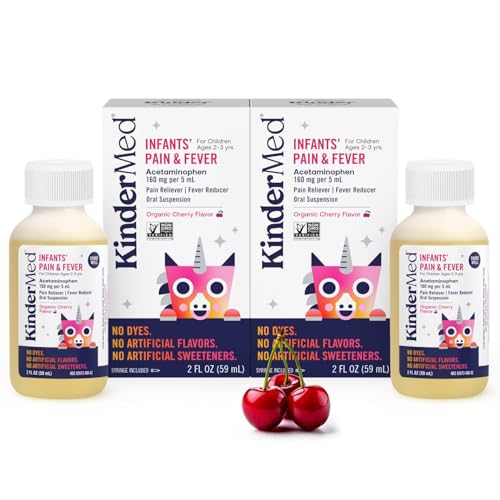
KinderMed Infants’ Pain & Fever, Organic Cherry

KinderFarms Kids Daily Hydration Electrolyte Powder, Fruit Punch

Pedialyte Zero Sugar Hydration Bundle, Fruit Punch & Berry Frost
A Closer Look At Each Pick
Pedialyte’s strawberry ready-to-drink bottle is the format most parents reach for first during a stomach bug, and there’s a reason it tends to stay in the rotation. It uses a balanced mix of sodium, chloride, and potassium, the three electrolytes (minerals that carry an electrical charge and help regulate fluid balance) the body loses fastest during vomiting or diarrhea, suspended in a sweetened solution that kids usually accept.
For households that want a no-prep option, this is the lowest-fuss pick on the list. You pour, you serve, you close the fridge. The flavor is mild enough that most children drink it without a fight, though picky eaters may still wrinkle their nose at the medicinal sweetness.
What Stands Out
- Pre-mixed format removes any guesswork about powder-to-water ratios, which helps during middle-of-the-night feedings.
- Sodium, chloride, and potassium are balanced for rehydration, not just flavor.
- The strawberry profile is widely tolerated by kids who refuse plain water during illness.
Points To Keep In Mind
- It contains added sugar, which is intentional for absorption but worth knowing if you’re tracking intake.
- Once opened, leftovers need refrigeration and are usually consumed within a couple of days to stay palatable.
Quick Facts
Who Will Love This
Parents who want a grab-and-go bottle for sick days, travel days, and the occasional post-practice cooldown.
Look Elsewhere When
Households avoiding added sugar should compare this with the dye-free Pedialyte powder packets instead.
Ultima’s 90-serving canister sits at the opposite end of the spectrum from a single ready-to-drink bottle. It is a bulk powder designed for daily use, sweetened with organic stevia, and built around six electrolytes rather than three, with added vitamin C and zinc. The flavor rotates through Cranberry Cosmo, Blue Raspberry, and Cherry Pomegranate, which keeps a daily routine from going stale.
For families who want one product that covers both kids and adults at the dinner table, this is the most versatile format. You scoop, you stir, you pour. Most days it lands somewhere in a water bottle, and nobody complains.
The Practical Payoff
- Six electrolytes, including magnesium and calcium, support a wider range of daily mineral needs than most competitors.
- One canister lasts a typical household for months, which reduces packaging waste and reorder frequency.
- The stevia-sweetened base avoids sugar, so it works for kids who already get plenty from other sources.
Honest Caveats
- Bulk powder requires a scoop and a water bottle, so it is less convenient than a pre-mixed option in the car.
- Some kids notice the stevia aftertaste, especially in plain water.
- Without single-serve packets, measuring for lunch boxes takes an extra minute.
Right Fit For
Families who want one canister on the kitchen counter that hydrates parents and kids from breakfast through practice.
Skip It When
Travel-heavy households will find the Pedialyte variety powder packets easier to toss in a backpack.
These single-serve Pedialyte sticks turn any water bottle into a hydration station, which is exactly the use case they were designed for. Each packet is pre-measured for 16 fluid ounces, so there is no scoop to wash and no ratio to remember. The box rotates Grape, Strawberry Lemonade, and Orange, giving kids enough variety to stay interested across a long road trip.
They slip into diaper bags, sports duffels, and carry-ons without taking up much space, and they weigh almost nothing. If you travel with kids, this is the format that disappears into your bag and saves you when a flight runs long.
Notable Upsides
- Pre-measured sticks remove any math, which is genuinely useful when you are managing multiple kids.
- The three-flavor variety keeps children from getting bored over a long trip.
- Lightweight sachets cost almost nothing in luggage weight and store flat.
Trade Offs
- Packets contain sugar for absorption, similar to the ready-to-drink version.
- You still need a water source, which can be a wrinkle during long drives without stops.
Best Suited To
Frequent travelers and sports parents who want a packable backup for unexpected stomach bugs or sweaty practices.
Swap It Out When
Parents who want to skip added sugar entirely should consider the KinderFarms Kids Daily Hydration powder packets instead.
Where the previous Pedialyte sticks use added coloring, this Strawberry Lemonade powder is formulated without synthetic dyes, and it advertises double the electrolytes against leading sports drinks. The flavor is brighter and slightly more grown-up than the classic strawberry, which makes it a comfortable bridge when siblings of different ages share one box.
Eight packets hit the sweet spot for a household that wants to try a powder format without committing to a 30-count box. The carton stays tidy on a pantry shelf, and you get enough sticks to cover a typical sick week plus a few practice days.
Key Advantages
- The dye-free formula addresses a common parent concern without sacrificing the Pedialyte flavor profile.
- Strawberry Lemonade tastes brighter than the standard strawberry, which can win over hesitant drinkers.
- Eight packets offer a low-commitment way to test whether powder format works for your family.
Some Limits To Know
- Like other Pedialyte powders, it still contains added sugar to support electrolyte absorption.
- Strawberry Lemonade is a single flavor, so variety seekers will want the travel mix instead.
Made For
Parents who want a recognizable Pedialyte formula with cleaner coloring and a flavor older siblings won’t turn down.
Consider Something Else When
Households avoiding sugar altogether will find the KinderFarms powder packets a closer match.
Unflavored Pedialyte is the unsung option in the lineup, and it earns its place by solving one specific problem: the child who rejects anything that even hints at sweetness. It carries the same sodium, chloride, and potassium balance as the flavored bottles, with no fruit, no color, and no aftertaste to negotiate.
You can mix it into a smoothie, a soup broth, or a sippy cup of water without changing the flavor profile of the rest of the meal. For sensory-sensitive kids, that flexibility is the whole point.
Practical Advantages
- Zero flavor means it can be added to other beverages or foods without changing the taste.
- Available in larger 33.8 fl oz formats, which reduce the number of bottles in the recycling bin.
- Children with sensory preferences often accept plain Pedialyte when flavored versions are rejected.
Possible Compromises
- Without flavor, some kids refuse it altogether, so it really only works for the open-minded drinker.
- It still includes sweeteners to help absorption, which the label makes clear.
Right Fit For
Sensory-sensitive children and parents who want a versatile base they can fold into other drinks and recipes.
Not Your Match When
Families wanting kid-appealing flavor should pivot to the strawberry or grape ready-to-drink versions.
KinderFarms builds this ready-to-drink line for parents who scrutinize ingredient panels. There are no synthetic dyes, no artificial sweeteners, and no artificial flavors, and the formula meets the Non-GMO Project standard requirements. Each bottle adds zinc to support immune function during a sick stretch, which gives the product a dual purpose that single-electrolyte drinks usually lack.
Grape and Tropical Punch both lean into familiar kid flavors without the chemical edge some flavored electrolytes have. The bottles are shelf-stable until opened, so you can keep a six-pack in the pantry without losing a slot in the fridge.
Well-Handled Touches
- Cleaner ingredient list than most flavored sports drinks, including no synthetic dyes or artificial sweeteners.
- Added zinc supports immune function during illness, which is a sensible complement to rehydration.
- Shelf-stable bottles mean you can stash extras for surprise sick days without a refrigerator run.
Worth Noting
- Cleaner formulations can taste slightly different from heavily sweetened alternatives, so some kids notice the gap.
- Glucose is still in the mix to support absorption, which matters for households on specific carbohydrate tracking.
Who Should Grab It
Ingredient-conscious parents who want a ready-to-drink option their kids will actually enjoy on a regular basis.
A Better Fit Elsewhere
Travel-heavy families may prefer the powder packets, which pack smaller than six glass or plastic bottles.
KinderMed sits slightly outside the strict electrolyte category, but it earns a spot in any honest roundup of clean-label kid products. This is an acetaminophen-based liquid formulated for children ages 2 to 3, flavored with organic cherry, and made without artificial sweeteners, dyes, or high fructose corn syrup. It is Non-GMO Project Verified, vegan, gluten-free, and kosher.
It pairs naturally with the rest of this list. When a child spikes a fever and stops drinking, you reach for the KinderFarms electrolyte drink to push fluids, and you reach for KinderMed to manage the fever itself. Two products, one ingredient philosophy.
Benefits That Matter
- Acetaminophen is a proven fever reducer, which gives it a real medical role beyond hydration support.
- The organic cherry flavor makes dosing easier during a fussy sick night.
- Free from the top nine major food allergens, which matters for households managing sensitivities.
Factors To Consider
- It is a medicine, not a daily drink, so it belongs in a different cabinet category than the rest of this list.
- The age range is narrow at 2 to 3 years, so older kids will need a different format.
Perfect Match For
Parents of toddlers who want a clean-label fever reducer to keep on hand alongside their hydration routine.
Reach For A Different Pick When
You are specifically stocking the pantry for daily hydration, in which case the KinderFarms drink or powder is the better shelf neighbor.
The KinderFarms powder takes the same clean-label philosophy as the bottled drink and turns it into something you stir into a 12-ounce glass of water. Fruit Punch is the headline flavor, and the formula meets Non-GMO Project standard requirements, with no synthetic dyes, artificial sweeteners, or artificial flavoring. Each packet delivers zinc to support immune function alongside the electrolyte mix.
This is the format for households that drink electrolytes the way other families drink lemon water: a packet a day, stirred into whatever water bottle is closest. Sixteen packets stretch across most of a month, depending on how often the kids reach for one.
Noteworthy Benefits
- Powder format is the most space-efficient way to keep electrolytes in a backpack or lunch box.
- The formula has noticeably less sugar than leading sports drinks, which appeals to parents tracking sugar intake.
- Stir-in packets work for adults too, so one box covers a wide age range.
Things To Consider
- You need a water bottle or glass and a spoon or straw to mix, which is one more step than a ready-to-drink bottle.
- Packets can clump in humid climates, so storing the box in a cool, dry pantry helps.
Whose Shelf It Belongs On
Active families with kids ages 2 and up who want a daily electrolyte habit instead of an as-needed sick-day fix.
Another Choice May Suit
Parents who want a pre-mixed option for unpredictable moments should stock the KinderFarms bottled drink instead.
The zero-sugar bundle combines two formats in one order: four liters of Fruit Punch electrolyte water, plus eight Berry Frost powder packets. Both sides of the bundle are gluten-free and free from artificial colors, which makes the set easy to recommend when parents ask for the most flexible Pedialyte option on the shelf.
You keep the bottles in the fridge for instant pouring and the powder in a drawer for travel days. Compared with the strawberry bottle earlier in the list, the Fruit Punch flavor is bolder, with a cherry-citrus profile that older kids tend to prefer, while the Berry Frost mix offers a different mood for the lunch box.
Everyday Advantages
- Two formats in one bundle cover home use and on-the-go use without separate orders.
- Zero sugar across both products, which is rare for the Pedialyte line.
- The liter bottles keep longer in the fridge than the smaller ready-to-drink formats.
A Few Limitations
- Both formats use sweeteners other than sugar for taste, which some families prefer to avoid.
- Flavor variety is limited to Fruit Punch and Berry Frost, so a third option would help long-term use.
Built With In Mind
Households that want a fridge-and-pantry split between ready-to-drink and powder formats without a second order.
Where A Sibling Pick Shines
Parents who want a true single-flavor commitment should look at the Ultima canister for daily use.
What Matters Most Before Choosing Non-GMO Electrolyte Drinks For Kids
The Non-GMO Project standard requires that a product is produced without genetic engineering, with ongoing verification through annual audits. For an electrolyte drink, that verification matters most around the flavoring, the color, and the sweetener sources, since those are the ingredients most likely to start as genetically modified crops in conventional products.
Electrolyte Profile vs Sugar Load
Sodium, chloride, and potassium are the three minerals most pediatric rehydration formulas prioritize because they are the ones children lose first through sweat, vomiting, or diarrhea. Magnesium, calcium, and phosphorus round out a broader six-electrolyte profile, which supports everyday hydration rather than emergency rehydration. Sugar, in modest amounts, actually helps the body absorb sodium and water, so a fully sugar-free product may absorb more slowly than one with a small amount of glucose.
Format Fits Different Routines
Ready-to-drink bottles solve the “I need this in the next sixty seconds” problem. Powder packets solve the “I have a water bottle and a backpack” problem. Bulk canisters solve the “this is a daily habit” problem. Most households end up keeping at least two formats on hand, one for the fridge and one for the diaper bag.
Ingredient Quality Beyond the Non-GMO Label
Dye-free, no artificial sweeteners, and no artificial flavors are separate decisions from non-GMO sourcing. The cleanest options on this list combine all three, while the more familiar pediatric brands sometimes use added sugar or sweeteners to drive absorption and acceptance. Picky eaters sometimes accept flavored versions with sugar when they reject cleaner-tasting alternatives, so trade-offs are real.
Common Shopping Slip Ups To Watch
Mistake 1: Reaching for Sports Drinks Instead
Standard sports drinks are formulated for athletes burning calories over an hour of effort, not for kids recovering from stomach flu or a hot afternoon at camp. Their sugar and sodium levels reflect that goal. Pediatric electrolyte drinks use lower sugar and a more balanced mineral ratio that suits a child’s smaller body.
Mistake 2: Confusing Zero Sugar with Zero Sweetener
Many zero-sugar products use sucralose, stevia, or similar non-nutritive sweeteners to keep the flavor profile. Some kids react to those, and some parents prefer to avoid them. Reading the full ingredient panel, not just the front label, is the only way to know what is actually in the bottle.
Frequently Asked Questions
Are Non-GMO electrolyte drinks safe for toddlers?
Most products on this list are formulated for kids and adults, with usage notes for ages 2 and up. For children under 2, consult a pediatrician before introducing electrolyte drinks, since their kidneys handle sodium differently than older children.
How often can kids drink electrolyte beverages?
For everyday hydration after moderate activity or in hot weather, once a day is a reasonable guideline for most children. During illness with active fluid loss, smaller, more frequent servings typically work better than a single large bottle.
Do Non-GMO electrolyte drinks taste different from regular ones?
Sometimes. Without the same flavor enhancers and colorings used in conventional products, the taste can be slightly less sweet or slightly less vibrant. Kids who accept the difference usually do fine, while picky eaters may prefer a flavored option even if it contains sugar.
Can I mix electrolyte powder into other drinks?
Yes, especially with unflavored or mildly flavored products. Powders dissolve in smoothies, coconut water, and even mild soups without changing the texture, which is helpful for kids who refuse plain water during illness.
Do these drinks replace water entirely?
No. Electrolyte drinks complement water, they don’t replace it. Plain water is still the best everyday drink, with electrolyte beverages reserved for rehydration after illness, intense activity, or heavy sweating.
Closing Remarks
The right non-GMO electrolyte drink depends on the moment you are stocking for: a fridge bottle for sick nights, a powder box for lunch boxes, a canister for daily use. Pick the format that matches the routine you already have, and let the ingredient list handle the rest.
