
Most mornings start with a pour, and a growing number of coffee drinkers want that pour to taste good and to do good. Organic and fair trade certification signals that your beans were grown without synthetic pesticides and that farmers earned a fairer wage. This list rounds up ten accessible, well-made options across single-serve pods, ground, and whole bean formats, so you can match your brew method to your values.
A Side-By-Side Look

Death Wish Coffee Co. Ground Coffee Bundle, Dark + Medium

Tim Hortons Original Blend Arabica Ground Coffee 30 oz

Rise Up Organic Maryland Blend Fair Trade Whole Bean 12 oz

Tiny Footprint Nicaragua Segovia Dark Roast Whole Bean 3 lb

Tiny Footprint Nicaragua Segovia Dark Roast Ground 16 oz

beaniac Organic Full On French Roast K-Cup Pods 30 ct

beaniac Organic Downtime Decaf K-Cup Pods 30 ct

beaniac Organic Kickstarter Colombian K-Cup Pods 30 ct
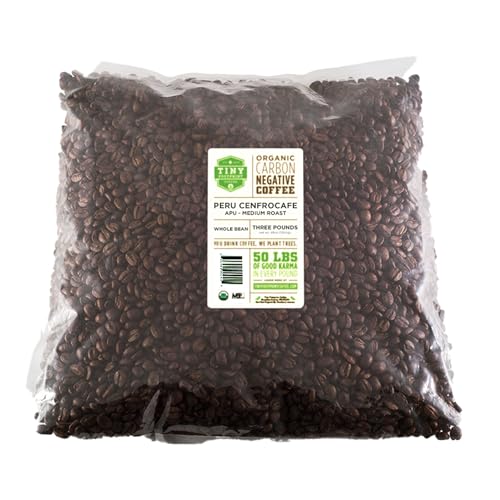
Tiny Footprint Peru APU Medium Roast Whole Bean 3 lb

Tiny Footprint Organic Signature Blend Light Roast 3 lb
What Each Pick Brings To The Table
This bundle gives you a side-by-side look at two roast styles from the same roaster, which removes a lot of trial and error if you split your mornings between bold and balanced cups. The dark roast leans into deep cocoa and dark cherry, while the medium roast carries stone fruit and caramel for a smoother sip. You get two 16-oz bags, so the format works for drip, French press, or pour-over without a grinder.
If your usual routine starts with a long, slow cup that needs to land, the dark roast here delivers a serious edge without tipping into bitter ash. Medium drinkers tend to appreciate the bundle because the lighter bag doubles as an afternoon reset. For most kitchen setups, the 32-oz total supply keeps you covered for weeks.
Everyday Perks
- Two roast profiles in one purchase, ideal for households with split preferences
- Ground format skips the grinder step, so busy mornings stay simple
- 16-oz bags stay fresh over a few weeks of daily use
- Dark roast carries a strong flavor backbone that holds up with cream
Things To Consider
- Caffeine content is marketed as high, so late-day drinkers may want to skip past 2 pm
- Ground format loses nuance faster than whole bean, so use within a few weeks of opening
Key Specs
Right Fit For
Heavy coffee drinkers who want a strong dark option and a balanced backup in the same order.
Look Elsewhere When
Beaniac Organic Full On French Roast suits you better if you brew with a Keurig and want single-serve convenience.
Tim Hortons’ Original Blend is the kind of coffee that fades into the background in the best way: mellow, easy, and approachable. The 30-oz canister outlasts a standard 12-oz bag by a wide margin, so households that brew two or three times a day don’t have to reorder every few weeks. The grind is calibrated for standard drip machines, which is the most common setup in North American kitchens.
The 100% Arabica sourcing (Arabica refers to the higher-elevation coffee species prized for smoother flavor than its Robusta cousin) keeps the cup clean rather than harsh. If your morning leans toward a quick mug before work rather than a slow ritual, this format works. For a family of two who both drink coffee daily, a single canister can stretch through a full workweek plus weekends.
Strong Points
- Large 30-oz canister lowers the cost per cup over time
- Mild roast works for drinkers who dislike bitter or smoky notes
- Pre-ground format suits standard drip brewers without any extra equipment
Trade Offs
- Flavor profile stays on the mild side, so dark-roast fans will find it underwhelming
- Once opened, the canister should be used within a few weeks for peak freshness
- Original Blend sits in the conventional coffee category rather than the certified-organic aisle, which matters for shoppers with strict sourcing priorities
Made For
Offices, shared kitchens, and families who want a familiar, easy-drinking everyday cup without a strong flavor statement.
Skip It When
Rise Up Coffee Roasters Organic Maryland Blend is a better call for shoppers who want a certified fair trade and organic whole-bean option with roast-to-order freshness.
Roast-to-order coffee has a different aroma profile than beans that sit on a shelf, and Rise Up leans into that with a 12-oz bag shipped shortly after roasting. The Maryland Blend carries a medium roast designed to bridge light and dark drinkers in the same household. Whole bean format means you need a grinder, but the trade-off is a longer flavor window after the bag is opened.
This is a regional roaster’s take on a balanced everyday cup, and the 12-oz size keeps the coffee inside the freshness sweet spot. For a single drinker who brews a pot every other day, a bag like this can last through two weeks of cups without losing character. The fair trade and organic certifications add a sourcing story that mainstream supermarket coffees often skip.
Where It Delivers
- Roast-to-order process captures peak flavor within days of packing
- Whole bean format extends usable life once you start opening the bag
- Balanced roast works for both black coffee and milk-based drinks
- Certified fair trade and organic, so the sourcing matches the cup
Worth Noting
- Requires a burr grinder (a grinder that crushes beans between two abrasive surfaces for an even particle size) for full benefit
- Smaller 12-oz bag means more frequent reorders than the 3-lb options below
Feature Snapshot
Whose Shelf It Belongs On
Solo drinkers with a burr grinder who want fresh-roasted, certified coffee in a manageable 12-oz size.
Reach For A Different Pick When
Tiny Footprint Coffee’s Peru APU Medium Roast suits you better if you want a 3-lb bag of fair trade whole beans and prefer citrus-caramel notes.
Tiny Footprint Coffee built its brand around carbon-negative sourcing, meaning the company offsets more emissions than its operations produce, which sets it apart even within the organic fair trade category. The Nicaragua Segovia Dark Roast is a single-origin bean (sourced from one geographic region rather than blended) from the PRODECOOP cooperative, and the 3-lb bag keeps heavy drinkers stocked for weeks. Flavor lands on dark chocolate and warm spice, with apricot and fig threading through the finish.
For a household that runs an espresso machine or a French press every morning, the 3-lb size avoids the grocery-store shuffle. Whole bean format pairs best with a burr grinder, and the resulting cup holds up well with milk or on its own. The shade-grown and USDA Organic certifications (shade-grown means the coffee is cultivated under a forest canopy, supporting bird habitat and slower fruit maturation) add an environmental layer beyond fair trade alone.
The Good Stuff
- Carbon-negative operations reduce net environmental footprint
- 3-lb bag stretches across a month of daily brewing
- Single-origin beans carry a distinctive regional flavor signature
- Fair trade premiums go back to the PRODECOOP cooperative for community programs
Honest Caveats
- 3-lb bags should be split into smaller airtight containers once opened to slow staling
- Dark roast intensity can overpower delicate brewing methods like Chemex pour-over
Best Suited To
Dark-roast loyalists and households that brew multiple cups daily and want a long-lasting, ethically sourced whole-bean supply.
A Better Fit Elsewhere
Tiny Footprint’s Peru APU Medium Roast is a smarter pick if you prefer a brighter, citrus-forward cup over chocolate-spice notes.
This is the same Nicaragua Segovia bean from Pick 4, just pre-ground for drip and pour-over convenience. For drinkers who don’t own a grinder or don’t want to deal with cleanup, the 16-oz bag removes that friction entirely. The flavor profile stays consistent: dark chocolate base with apricot, fig, and warm spice in the background.
Sixteen ounces is a sweet spot for solo drinkers and couples who go through a pot every couple of days. Stale coffee is the trade-off, so finishing the bag within three to four weeks of opening is the safe play. The carbon-negative and fair trade certifications carry over from the whole-bean version, so the ethical side of the cup stays intact.
A Few Strong Suits
- Pre-ground format works in any standard drip brewer out of the box
- Smaller 16-oz bag fits kitchens with limited storage space
- Same ethical sourcing as the whole-bean sibling, including carbon-negative production
Points To Note
- Ground coffee loses aromatic compounds faster than whole bean, so freshness planning matters
- Dark roast intensity may clash with lighter brewing ratios on pour-over
Perfect Match For
Drip-brewer households without a grinder who want fair trade and organic certification in a dark roast.
Not Your Match When
Beaniac Organic Full On French Roast suits you better if you brew with a Keurig and want compostable single-serve pods instead of a full pot.
Single-serve pods have a reputation for being wasteful, but beaniac sidesteps some of that by using commercially compostable (BPI-certified) materials. The Full On French Roast is a dark, heavy cup with deep roast character, which is what most Keurig drinkers expect from a coffee that calls itself a French roast. The 30-count box gives you a full month of weekday brews.
Pods shine in offices and shared kitchens where everyone wants a different cup at a different time. Keurig 2.0 compatibility means it works in most current machines, though older Keurig units may need a quick compatibility check. The Rainforest Alliance certification (a third-party sustainability standard covering biodiversity, soil, and worker welfare) adds an extra layer beyond organic and fair trade.
Real Benefits
- Compostable pod material reduces landfill load compared to standard plastic K-Cups
- 30-count box covers a full month of single morning brews
- Dark roast intensity holds up well even in smaller 6-oz brew sizes
- Compatible with Keurig 2.0 and most K-Cup brewing systems
Some Limits To Know
- Compostable pods need access to commercial composting facilities, which not every municipality offers
- Pod format is more expensive per cup than a bulk ground or whole-bean option
- Limited to single-serve brewing, so it won’t work for a full carafe crowd
Built With In Mind
Keurig owners and office break rooms that want an organic, ethically sourced dark roast in single-serve form.
Swap It Out When
Tiny Footprint’s Nicaragua Segovia Dark Roast Ground is a smarter fit for a household that wants to brew full carafes for less per cup.
Decaf gets a bad rap, but the Swiss Water process (a chemical-free decaffeination method that uses only water and activated charcoal to remove caffeine) tends to preserve more of the original flavor profile than older solvent-based methods. beaniac’s Downtime Decaf is a medium roast with a clean, tangy finish, which makes it a sensible evening option for drinkers who want the ritual without the sleep disruption.
The same compostable pod construction carries over from the Full On French Roast, so the eco-friendly angle is consistent across the line. For a household where one person drinks regular coffee in the morning and another switches to decaf at 3 pm, the pod format keeps both routines easy. Thirty pods is enough to cover a month of afternoon and evening cups.
Well-Handled Touches
- Swiss Water decaffeination avoids chemical solvents during processing
- Medium roast body holds up in smaller 6-oz brews without going thin
- Compostable pod material aligns with a low-waste kitchen routine
- Organic and Rainforest Alliance certifications cover both bean sourcing and broader impact
Soft Spots
- Decaf drinkers often need a backup since variety within the category is limited at single-serve level
- Per-cup cost is higher than brewing decaf from bulk ground beans
Who It Suits Best
Evening coffee drinkers and people cutting back on caffeine who still want organic, fairly sourced single-serve convenience.
Where A Sibling Pick Shines
Beaniac Organic Kickstarter Colombian fits better if you want a brighter medium-light cup with more citrus lift for morning brewing.
Colombian coffees are the benchmark for balanced Arabica, and the Kickstarter blend leans into that reputation with a medium-light roast that keeps the cup bright. The single-origin story (100% Colombian beans) is a nice plus if you like knowing exactly where your coffee came from. The 30-count pod box fits the same use case as the other beaniac options on this list.
For a Keurig household that prefers a lighter, more aromatic morning cup over the heavier dark roasts, this lands well. The flavor profile carries a clean, easy-drinking character that works with or without milk. Compostable pods and organic certification round out the package for shoppers who want a lighter roast without giving up the ethical side.
What Pays Off
- 100% Colombian single-origin beans give the cup a traceable backstory
- Medium-light roast body suits drinkers who find dark roasts too smoky
- Compostable pod construction keeps single-serve waste lower
Possible Compromises
- Lighter roast can read as thin in smaller 4-oz brew sizes
- Pods need commercial composting access to actually break down
- Per-cup price still outpaces bulk brewing, even with the ethical certifications
Who Should Grab It
Keurig drinkers who want a lighter, citrus-tinged cup in a single-serve format with verified organic sourcing.
Consider Something Else When
Tiny Footprint Coffee Organic Signature Blend Light Roast is the better match if you want a whole-bean light roast to grind at home rather than a pod format.
The Peru APU is a medium roast that swings between soft caramel mouthfeel and bright citrus acidity, finishing clean. Sourced through the Cenfrocafe cooperative, the coffee carries the same fair trade and USDA Organic stamps as the Nicaragua sibling, and the carbon-negative angle carries through here as well. The 3-lb bag format keeps a frequent brewer well stocked.
For pour-over or Chemex setups, the medium roast body opens up nicely with the right grind size. Whole bean format demands a grinder, but that investment pays off in cup quality over time. The flavor profile sits in the middle of the spectrum, which makes it a versatile everyday choice rather than a flavor-specific pick.
A Strong Showing
- Caramel and citrus profile works in pour-over, drip, or French press
- 3-lb bag stretches across a month of regular brewing
- Fair trade premiums fund Cenfrocafe’s grower education programs
- Carbon-negative production reduces net environmental impact
Factors To Consider
- 3-lb bag needs airtight storage containers to maintain freshness after opening
- Medium roast may feel too mild for drinkers who want a smoky dark cup
Quick Facts
Who Will Love This
Pour-over and drip brewer owners who want a balanced medium roast with citrus lift in a 3-lb whole-bean bag.
Another Choice May Suit
Rise Up Coffee Roasters Organic Maryland Blend is a better call if you prefer a smaller 12-oz bag and want roast-to-order freshness for solo brewing.
Light roasts are the trickiest style to get right, and Tiny Footprint’s Signature Blend goes for bright lemon and orange with a soft cocoa finish. The seasonal sourcing approach (beans pulled from multiple regions depending on harvest) means the exact origin can rotate, which keeps the cup varied. Whole bean format in a 3-lb bag covers a light-roast household for a full month or more.
For pour-over and Chemex drinkers who want to taste origin character, light roast brewing lets the bean’s terroir come through. The carbon-negative and USDA Organic certifications hold steady across the Tiny Footprint line, so the ethical story is consistent. Expect a brighter, more acidic cup than the medium and dark options earlier in this list.
What Makes Sense
- Citrus and cocoa notes make it versatile for pour-over enthusiasts
- 3-lb bag lowers the per-cup cost for frequent brewers
- Seasonal sourcing keeps the cup varied from batch to batch
- Carbon-negative production adds a meaningful environmental layer
Points To Note
- Light roast acidity can feel sharp to drinkers used to medium or dark cups
- Best brewed with a burr grinder and slower methods, not espresso
- Flavor profile varies between batches due to seasonal sourcing, so consistency is lower than single-origin options
Right Fit For
Light-roast loyalists and pour-over brewers who want a bright, citrus-led cup with verified organic and fair trade sourcing.
Not Your Match When
Tiny Footprint’s Nicaragua Segovia Dark Roast is the better pick if you want a heavier, chocolate-forward cup that holds up in espresso and French press.
What To Weigh Before Choosing Your Coffee
Roast level sets the tone for the entire cup. Dark roasts emphasize chocolate, smoke, and heavy body, while light roasts let origin flavors like citrus and stone fruit come through. Medium sits in the middle, which is why so many of the picks above land there. Your brewing method matters too: light roasts reward slower methods like pour-over, while dark roasts survive the heat of espresso machines.
Whole bean versus ground is the other big fork. Whole bean stays fresh longer once you open the bag, but you need a grinder to unlock that advantage. Ground skips the equipment step but starts losing aromatic compounds immediately, so finishing the bag within a few weeks matters. For Keurig households, pods are the path of least resistance, though per-cup cost runs higher than bulk formats.
Format, roast, and origin together define your daily cup, so match those three to the way you actually brew before chasing certifications. Sourcing labels (USDA Organic, Fair Trade, Rainforest Alliance) verify the supply chain story, but they don’t dictate flavor. The best cup is the one that fits your kitchen routine and your taste.
Key Considerations Across These Picks
Where Shoppers Go Wrong
Chasing the strongest certification logo without matching the format to your brewer leaves you with great ethics and a stale cup. Confirm grind size and brewing compatibility before ordering, especially for whole bean and pod options. Buying a 3-lb bag without a plan for airtight storage also wastes money, since ground and even whole bean coffee start losing character within weeks of opening.
When Paying More Pays Off
Premium-tier bags in this list tend to deliver roast-to-order freshness, single-origin traceability, or carbon-negative production that mass-market options skip. The upgrade is worth it if those values matter to you, or if you want cup complexity that a blend can’t match. Casual drinkers who just want caffeine in the morning will find better value in larger conventional canisters, but the sourcing story there is thinner.
