

The right loose leaf green tea can turn a tired afternoon into a small ritual. This roundup pulls together nine organic options across single-serve bags, classic Chinese-style leaves, shaded Japanese harvests, and a versatile herb for blending. The goal is to help you match a tea to your daily routine, not to crown a single winner. Loose leaf also means you control the strength by adjusting how much leaf you use and how long it steeps, which is something bagged tea rarely offers. Skip ahead to whichever profile fits your kitchen, your taste, and your caffeine tolerance.
The Lineup, Simplified

Newman’s Own Organic Green Tea Individually Wrapped Bags (Pack of 2)

Frontier Co-op Organic Oatstraw Green Tops, Cut and Sifted 16 oz

Ocha & Co. Organic Fukamushi Deep-Steamed Sencha 100g

Ocha & Co. Organic Sencha Loose Leaf Green Tea 100g
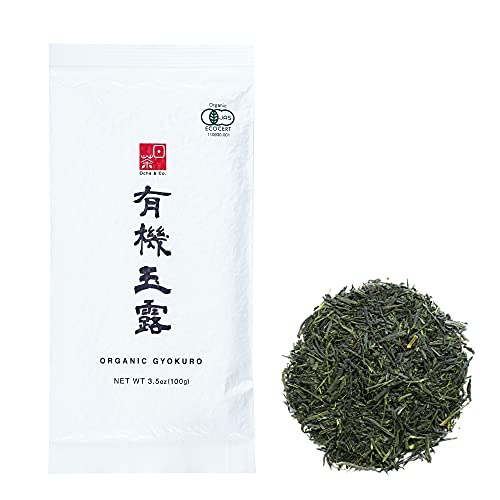
Ocha & Co. Organic Gyokuro Shade-Grown Green Tea 100g

Ocha & Co. Organic Kabusecha Shade-Grown Green Tea 100g

GLDNT Organic Gunpowder Green Tea Loose Leaf 16oz

Ocha & Co. Organic Genmaicha Sencha Brown Rice Blend 100g

GLDNT Organic Sencha Loose Leaf Green Tea 3.5oz
A Closer Look At Each Pick
Newman’s Own serves up a no-fuss entry point for anyone who wants a clean green tea without buying a tin or an infuser. Each bag is foil-wrapped and individually portioned, which makes them perfect for desk drawers, gym bags, and the shared office kitchen where the spoon situation is questionable.
The leaf blend comes from estates in India and China, both regions with deep green tea traditions, and the leaves are gently steamed to hold onto a lighter, more vegetal cup. The two-box pack adds up to 200 bags, so you can ignore the kitchen for a few months before restocking. Compared to the loose leaf options further down this list, the trade is convenience for control. You cannot adjust leaf quantity, and the mesh bag limits how far the leaves can expand.
Practical Advantages
- 200 individually wrapped bags cover a long stretch of daily use without a second thought.
- USDA-certified organic and Kosher, which matters for shoppers who care about sourcing standards.
- Steamed leaf profile keeps bitterness low, even when you forget and leave the bag in too long.
- Single-serve format removes the need for kettles, strainers, or cleanup beyond the cup.
Honest Caveats
- Bagged format limits how much you can fine-tune strength or infusion time.
- Flavor sits in a narrower lane than whole-leaf options, so tea hobbyists may want more range.
Who Should Grab It
Busy commuters and office workers who want a clean, organic cup with zero prep work.
Look Elsewhere When
You want to explore whole-leaf depth, in which case the Ocha & Co. Organic Sencha is a more rewarding place to start.
Frontier Co-op’s oatstraw is the outlier on this list, and that is the point. It is technically a green herb rather than a true Camellia sinensis tea, and it brings a soft, hay-like note that plays well in custom blends. The 16-ounce size is generous, which suits anyone who brews often or likes to experiment.
The cut and sifted texture means the pieces steep quickly and strain cleanly through a standard mesh infuser. The KSA Kosher certification is a plus for shoppers who track that detail. Where the Newman’s Own bags win on convenience, this bag of oatstraw wins on flexibility. It pairs nicely with peppermint, lemon balm, or a small pinch of any of the green teas reviewed here for a more layered cup.
Where It Excels
- Large 16-ounce pack stretches far for daily blending and bath-soak recipes.
- Cut and sifted format steeps fast and strains without clouding the cup.
- Mild, grassy character layers well with stronger greens or mint.
- US origin and KSA Kosher certification for shoppers who track those details.
Things To Consider
- Not a true green tea, so flavor expectations should be set accordingly.
- Best suited to blenders rather than anyone seeking a single-note green tea cup.
- Loose cut means you will want a dedicated canister to keep moisture out between sessions.
Best Suited To
DIY herbalists and home blenders who want a versatile base herb for custom tea mixes.
Swap It Out When
You want classic green tea flavor, in which case the Ocha & Co. Organic Fukamushi is a stronger single-note choice.
Fukamushi, which translates to “deep-steamed,” pushes sencha further than the standard approach. The extra steaming time breaks down the leaf structure, so the cup runs a deeper green, with a heavier mouthfeel and more savory character than a typical sencha. For drinkers who find regular sencha too delicate, this is a useful middle ground.
The 100-gram tin size is a sensible starting point, enough for several weeks of daily brewing at standard ratios. Because the leaves are more fragmented, you will see fine particles in the dry leaf. A finer mesh infuser or a kyusu with a built-in screen helps keep sediment out of the cup. Compared to the milder Ocha & Co. Organic Sencha that follows, this one trades subtlety for a fuller-bodied pour.
What Makes Sense
- Deep-steamed process delivers a richer, more umami-forward cup than standard sencha.
- 100-gram tin strikes a comfortable balance between value and freshness for new buyers.
- Works across hot and cold brewing without losing its character.
- Organic certification aligns with shoppers who check farming standards.
Worth Noting
- Broken leaf particles mean a fine mesh infuser is almost necessary to keep sediment down.
- Flavor intensity may feel heavy for drinkers who prefer the lighter, grassier end of sencha.
Quick Facts
The Right Fit
Drinkers who want a bolder, more savory green tea and are comfortable using a fine mesh infuser.
Consider Something Else When
You want a lighter profile, in which case the Ocha & Co. Organic Kabusecha offers a softer entry point.
Classic sencha is the workhorse of the Japanese green tea category, and this Ocha & Co. version leans into the mild, balanced side of that tradition. The leaves are grown in full sunshine, which supports a brighter, more golden-green cup with a gentle vegetal sweetness rather than the deeper umami of shaded teas.
The 100-gram size is enough to calibrate your steeping time without committing to a half-kilo bag, which is helpful for newcomers. Brewed at around 160 to 175 degrees Fahrenheit for a minute, it pulls a clean, refreshing cup without the sharp edge some cheaper senchas carry. It sits neatly between the heavier fukamushi earlier in the list and the more specialized shaded options that follow, which makes it a sensible default for most kitchens.
Everyday Advantages
- Mild, golden-green cup works as a daily drinker without flavor fatigue.
- Sun-grown leaves give a brighter, more approachable profile than shaded varieties.
- 100-gram size is friendly for newcomers still dialing in their preferred steep time.
Trade Offs
- Whole loose leaves need an infuser, which adds a small piece of kit to your routine.
- Flavor is less distinctive than the deeper fukamushi or the umami-rich gyokuro further down the list.
Who It Suits Best
First-time loose leaf drinkers who want a forgiving, well-rounded sencha for everyday brewing.
A Better Fit Elsewhere
You prefer a single-serve format, in which case the Newman’s Own individually wrapped bags remove the infuser step entirely.
Gyokuro sits at the more considered end of Japanese green tea. The plants are shaded for about 20 days before harvest, which slows photosynthesis and pushes more amino acids into the leaf. The result is a tea with a noticeably thicker mouthfeel, a savory edge, and very little bitterness, even when brewed warmer than usual.
It rewards patience. Lower water temperature, a shorter steep, and a smaller leaf-to-water ratio bring out the best in it. Where the Ocha & Co. Organic Sencha is a daily sipper, this one asks for a quieter moment. The 100-gram tin is a smart starting size, since a little leaf goes a long way and the flavor stays interesting across multiple short infusions.
Where It Delivers
- Shade-grown leaf delivers a pronounced umami profile that stands apart from standard sencha.
- Forgiving on steep time, with very little bitterness even at warmer temperatures.
- Leaves hold up well across two or three short infusions for a longer session.
- Organic origin matches shoppers who track farming and processing standards.
Points To Keep In Mind
- Premium leaf asks for cooler water and shorter steeps, so it rewards a small learning curve.
- More economical to brew by the smaller pot, which may not suit a large household.
Built With In Mind
Slow-brew drinkers who treat tea as a small ritual and want depth over convenience.
Reach For A Different Pick When
You want everyday ease, in which case the GLDNT Organic Gunpowder Green Tea is a sturdier daily option.
Kabusecha is sometimes called the middle child of Japanese greens, and that is a fair description. The plants are shaded for about 10 days, half the window used for gyokuro, so the cup picks up some umami depth without the heavy intensity. The flavor profile lands a touch sweeter and softer than a full sencha, with a lighter green color in the cup.
For drinkers who find gyokuro too rich or sencha too grassy, this is a friendly middle option. The 100-gram tin gives you room to experiment with ratios and water temperature. It is a useful bridge tea, and it doubles as a gentle evening cup for people who want a lower-key alternative to the bolder fukamushi reviewed earlier.
Useful Strengths
- Half-shading process yields a sweeter, more rounded cup than full-sun sencha.
- Sits comfortably between standard sencha and richer gyokuro for picky palates.
- Light green color and mild aroma make it approachable for newer green tea drinkers.
Worth Bearing In Mind
- Flavor can read as too subtle for drinkers who want a punchy green tea.
- Loose leaf format requires a strainer and a bit of routine cleanup.
Feature Snapshot
Perfect Match For
Sensitive palates and evening drinkers who want a gentle green tea without sharp grassy notes.
Consider Something Else When
You prefer roasted, toasty flavors, in which case the Ocha & Co. Organic Genmaicha brings a different warmth to the cup.
Gunpowder green tea gets its name from the tightly rolled pellets, which look a little like the old-fashioned gunpowder grains. The shape is not just for show. The dense rolls protect the leaf from air and light, which gives gunpowder a longer shelf life than most green teas once it is opened. For a household that brews daily, the 16-ounce size becomes a real convenience.
The flavor is fuller and slightly smokier than a typical Japanese sencha, with a clean finish when steeped briefly. Rolling out the leaves a little longer pulls a stronger, more robust cup that holds up well with a small amount of milk or sweetener. Compared to the lighter Ocha & Co. Organic Sencha, this one leans bold and is forgiving if you forget the tin open on the counter.
The Value In It
- Tightly rolled pellets protect freshness and extend usable shelf life.
- 16-ounce bulk size suits daily drinkers and shared kitchens.
- Robust cup stands up to longer steeps without tipping into bitterness.
A Few Limitations
- Bulk size means you will want a sealed canister to keep the leaf fresh between uses.
- Flavor skews bolder, which may not match drinkers who prefer delicate Japanese greens.
Feature Snapshot
Whose Shelf It Belongs On
Heavy daily drinkers and shared kitchens that want a long-lasting, sturdy green tea on standby.
Skip It When
You want delicate, nuanced flavor, in which case the Ocha & Co. Organic Gyokuro is a more refined option.
Genmaicha is sencha blended with roasted brown rice, and the addition of genmai matcha gives the cup a warm, toasty aroma that softens the green tea edge. It reads as comfort food in a teacup, the kind of brew that pairs well with a rainy afternoon or a slow breakfast. The nutty character makes it an easy bridge for people who are curious about green tea but wary of grassy intensity.
The 100-gram tin is a manageable starting size, and the leaf holds its aroma well for several weeks when stored away from sunlight. Compared to the pure sencha from the same brand, this one trades a little green-tea clarity for a wider, more savory appeal. It also works surprisingly well as a base for a light iced tea in warmer months.
Bright Spots
- Roasted brown rice and matcha add a warm, nutty layer that softens the green tea profile.
- Accessible flavor for drinkers easing into green tea from herbal or black tea backgrounds.
- 100-gram size is friendly for first-time exploration of genmaicha.
Small Caveats
- Roasted aroma can overshadow the green tea notes for purists who want clean sencha flavor.
- Loose format means a fine mesh strainer helps keep the smaller rice bits out of the cup.
Made For
Drinkers who want a cozy, toasty cup that softens the green tea edge with nutty warmth.
Where Another Pick Suits Better
You want a clean, single-note green tea, in which case the GLDNT Organic Sencha Loose Leaf Green Tea delivers a purer profile.
GLDNT’s sencha adapts the Japanese steam-processing method to keep the cup bright and grassy, with a clean finish that works in both a teapot and a tall glass of iced tea. The 3.5-ounce size is the smallest in the lineup, which makes it a low-risk way to test whether loose leaf green tea fits your routine before stepping up to a larger tin.
The flavor carries a fresh, slightly vegetal character with a long aftertaste, and the leaf holds up well in cold brew as well as hot. For shoppers who mostly drink iced tea, this is a useful option since it does not turn bitter when steeped cool for several hours. Compared to the heavier gunpowder option earlier in the list, this one reads lighter and more aromatic.
What Works In Its Favor
- Steam-processed leaf keeps the brew bright and grassy across hot and cold methods.
- Small 3.5-ounce size lowers the barrier for first-time loose leaf buyers.
- Holds up well as a cold brew, which suits year-round iced tea drinkers.
- Organic certification for shoppers who track farming standards.
Points To Note
- Smaller package means more frequent reordering for daily drinkers.
- Loose format requires an infuser, which adds a small step to the brewing routine.
Feature Snapshot
Who Will Love This
Iced tea drinkers and curious newcomers who want a small package to test loose leaf brewing at home.
Not Your Match When
You drink green tea multiple times a day, in which case the GLDNT Organic Gunpowder Green Tea bulk size stretches further between orders.
What Matters Most Before Choosing Organic Green Tea Loose Leafs
Match The Tea To Your Brewing Style
Loose leaf green tea rewards a little preparation. A basic mesh infuser or a small teapot with a built-in strainer covers most of the options in this list. If your routine is more grab-and-go, single-serve bags like the Newman’s Own pack deliver a clean cup without a strainer. Cold-brew drinkers should look for steam-processed sencha or gunpowder, both of which handle cool water without going flat.
Pay Attention To Leaf Processing
Two processing choices shape the cup more than anything else. Steamed Japanese leaves (sencha, fukamushi, gyokuro, kabusecha) lean toward savory, grassy, and umami notes. Pan-fired Chinese greens, including gunpowder, lean toward toastier, fuller-bodied profiles. Knowing which side you prefer trims the list in a hurry.
Think About Size And Storage
Green tea loses character quickly when exposed to air, light, and moisture. Smaller tins around 100 grams are a good fit for casual drinkers, since you will use the leaf before it loses much aroma. Bulk bags like the 16-ounce gunpowder only make sense for daily drinkers, and even then an airtight canister is worth the small extra step.
Caffeine And Time Of Day
Green tea carries a moderate caffeine level, lower than coffee but higher than most herbal infusions. Shaded varieties like gyokuro tend to have a smoother lift without the jittery edge, while stronger gunpowder steeps can pack more punch. For evening drinkers, a milder kabusecha or genmaicha often settles better than a bold fukamushi.
What To Watch Before You Commit
Pitfalls Shoppers Hit
The most common slip is brewing green tea with boiling water, which scorches the leaf and pulls out bitter compounds that mask the good stuff. Most Japanese-style greens prefer water around 160 to 175 degrees Fahrenheit, while gunpowder tolerates a slightly higher temperature. Another miss is steeping too long. Two to three minutes covers most cups, and longer steeps tend to push flavor toward astringency rather than depth.
Where The Extra Money Goes
Premium tiers like gyokuro cost more because the plants are shaded before harvest, which lowers yield and increases labor. Mid-tier sencha stays affordable because the plants grow in full sun and the harvest cycle is shorter. When the upgrade pays off comes down to how much you value a slow, nuanced cup versus a sturdy daily sipper. Both are valid; the question is how often you will sit with the cup rather than drink it on the way out the door.
Frequently Asked Questions
How Much Loose Leaf Green Tea Should I Use Per Cup?
A common starting point is roughly one teaspoon of leaf per eight ounces of water, adjusted to taste. Finer or more fragmented leaves, like fukamushi, can use a touch less since they release flavor quickly. Larger, whole sencha leaves can take a little more.
What Water Temperature Works Best For Green Tea?
Most green teas brew well between 160 and 175 degrees Fahrenheit. Shaded varieties like gyokuro often prefer the lower end, while gunpowder tolerates water closer to a full boil. Cooler water keeps bitterness in check and lets sweeter, more vegetal notes come through.
Can I Reuse Loose Leaf Green Tea Leaves?
Higher-grade Japanese greens, especially sencha and gyokuro, often support a second or even a third short infusion. The flavor shifts with each pour, usually starting brisk and ending more mellow. Lower-grade gunpowder and most bagged options are better suited to a single steep.
How Should I Store Loose Leaf Green Tea?
Keep it in an airtight container, away from direct sunlight, heat, and strong odors like coffee or spices. A small sealed tin inside a cupboard is usually enough. Avoid clear glass jars on the counter, since light and warmth will dull the leaf faster than air alone.
Is Organic Green Tea Different From Regular Green Tea?
Organic green tea comes from leaves grown without synthetic pesticides or fertilizers, which matters for shoppers who track farming practices. The flavor difference between organic and conventional leaves is usually subtle and depends more on processing and origin than on the farming method itself.
Closing Remarks
Picking the right organic green tea comes down to how you actually drink it, not which name sounds most impressive. Match the format to your routine, the processing to your palate, and the package size to how often you brew. A small tin of a delicate sencha beats a giant bag of something you forget in the back of the cupboard, and a single-serve pack beats a beautiful loose leaf you never have time to steep. The best cup is the one that fits your day, every day.
