
Coffee that bites back with acid is a real problem for anyone managing reflux, a touchy gut, or just a sensitive morning routine. Low-acid organic blends take a different route, sourcing higher-elevation beans (coffees grown above roughly 3,000 feet, which tend to mature slower and develop lower acidity) and skipping the synthetic chemical residue that can bother some stomachs. The nine options below cover everything from budget cans to single-origin high-altitude lots, single-serve pods for quick mornings, and a couple of bolder roasts for people who still want depth without the burn.
Your Options, Compared

Tim Hortons Original Blend 100% Arabica Ground Coffee 30 oz Can

Death Wish Valhalla Java Dark Roast Ground Coffee 12 Oz

Cameron’s Toasted Southern Pecan Ground Coffee 32 oz

Peak Performance High Altitude Organic Medium Roast Ground

Peak Performance High Altitude Organic Decaf Medium Roast Ground

Maud’s Organic Decaf Coffee Pods 16ct Swiss Water

Maud’s Organic Low Acid Dark Roast Pods 16ct

Peak Performance High Altitude Organic Medium Roast Whole Bean
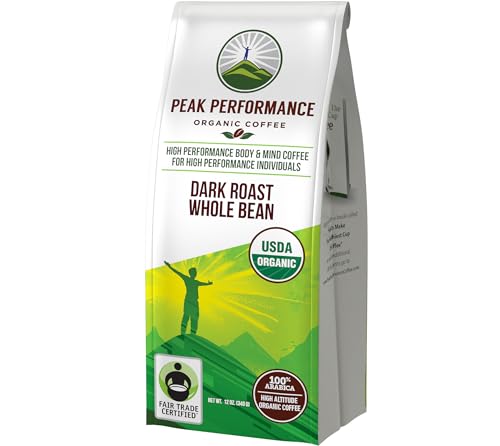
Peak Performance High Altitude Organic Dark Roast Whole Bean
Meet The Standout Selections
A 30-ounce steel can of ground Tim Hortons on the counter tells you exactly what kind of kitchen it lives in: one that runs through coffee fast. The blend draws on 100% Arabica beans (a milder, less bitter species than the hardier Robusta) pulled from Central and South American growing regions, then roasted into a medium-bodied cup that leans familiar rather than loud.
You won’t get the in-your-face low-acid credentials of the Peak Performance picks later in this list, but the bigger format and straightforward flavor make this the practical everyday driver. The resealable can lid tends to hold a reasonable seal over a few weeks, though you’ll want to keep it somewhere dry once opened.
Real Benefits
- 30-ounce can covers a household’s worth of mornings without reordering
- 100% Arabica blend aimed at smoothness over sharpness
- Available in single can or two-can packs for stocking up
- Ground format works in standard drip machines out of the box
Worth Noting
- Source does not list organic certification, so it’s a gentler everyday pick rather than a verified organic low-acid option
- Once opened, the can’s seal is the only moisture barrier; a sealed container or a clip helps in humid kitchens
- Flavor sits at a middle-of-the-road roast, which can feel flat next to the bolder dark roasts later in this list
Key Specs
Right Fit For
You brew a pot every morning, like an approachable medium-bodied cup, and care more about a steady pantry staple than single-origin character.
Where Another Pick Suits Better
Reach for Peak Performance High Altitude Organic Medium Roast Ground if certified-organic sourcing and a more deliberate low-acid profile matter more to you than bulk-can value.
This is the dark-roast corner of the low-acid conversation. Valhalla Java leans on a mix of Arabica and Robusta beans grown in the volcanic soils of Indonesia and the richer grounds of Central and South America, then roasted long enough to push the cup into deep, smoky territory. It carries USDA Organic certification and Fair Trade sourcing, so the bean provenance is on solid ground.
For most people who like their morning cup to actually taste like coffee rather than a soft suggestion, that depth is the point. The 12-ounce bag is also one of the smaller formats on this list, so it suits a single coffee drinker or a couple who wants to rotate flavors without committing to a giant can.
Useful Strengths
- USDA Organic and Fair Trade certified sourcing for traceable origins
- Arabica and Robusta blend delivers a heavier body than pure Arabica
- Available in 12 oz and 80 oz sizes to match how fast you brew
- Dark roast profile ages well in the bag, so an opened pouch keeps its character for a while
Trade Offs
- Lower 12 oz format means a higher cost per cup than the bulk Tim Hortons can
- Robusta in the blend adds caffeine punch, which isn’t ideal for late-day drinkers
- Bold smoke-and-char character can overpower mild breakfast spreads or delicate pastries
Feature Card
Made For
You want a dark, heavy, USDA Organic cup and don’t mind a bit of Robusta-driven intensity to get there.
Skip It When
The Cameron’s Toasted Southern Pecan profile is a better match if you reach for flavored, sweet-aromatic coffee over the smoke-and-char end of the spectrum.
Cameron’s sits in a different lane from the rest of this list. The Toasted Southern Pecan blend is a flavored Arabica, small-batch roasted and built to taste like a sweet, nutty pour over a Southern morning table. The 32-ounce bag is generous, and the brand sells it in several other sizes for households that want a flavored option without overcommitting.
You won’t find a low-acid label stamped on the front, but flavored roasts like this often read as gentler on the stomach because the aroma oils round out the perceived acidity. For people chasing a sweet, dessert-leaning cup, that trade-off is the whole point.
Everyday Wins
- Big 32-ounce bag for frequent flavored-coffee drinkers
- Multiple size options including 10 oz and 12 oz singles for smaller households
- Pecan flavor profile softens the cup, making it a friendly after-dinner pour
- Small-batch roasting approach gives a more hand-tended character than mass-market flavored coffees
Room For Improvement
- No specific low-acid or organic certification called out in the source data
- Flavoring means a shorter shelf life once opened; an airtight clip becomes essential
- Sweet, dessert-style profile is a poor fit for black-coffee purists who want straight bean character
Feature Card
Best Suited To
You want a generous flavored bag, lean sweet over smoky, and drink coffee as an after-dinner or weekend ritual.
A Better Fit Elsewhere
Pick Death Wish Valhalla Java Dark Roast Ground if you want a USDA Organic dark roast with clear sourcing claims instead of a flavored blend without explicit low-acid credentials.
This is the entry point to the Peak Performance line, and it sets the tone for almost every other Peak pick on this list. The coffee is USDA Organic, Fair Trade, and positioned as low acid, drawing on single-origin beans grown at high altitude. That elevation detail is doing real work: slower-maturing cherries tend to develop a smoother, less sharp cup profile that gentler stomachs tend to tolerate better.
Available across the same medium roast, dark roast, whole bean, and decaf matrix as the rest of the line, this medium roast ground bag is the one most people should start with. It pairs with any standard drip brewer, and the medium roast keeps it versatile enough for both morning and afternoon pours.
The Upside
- USDA Organic, Fair Trade, and low-acid positioning built into the core pitch
- High-altitude single-origin sourcing for a smoother cup character
- Medium roast sits in the middle of the line, easy to drink black or with milk
- Ground format saves you the grinder step at the cost of some peak freshness
Points To Note
- Ground format loses aromatics faster than the whole-bean sibling pick later in this list
- Single-origin character can read as one-note next to the layered Death Wish Valhalla Java profile
- Generic packaging and short brand history mean a smaller fan community than the older coffee names
Quick Facts
Who It Suits Best
You want a low-acid organic medium roast you can brew without special equipment, and you value clear sourcing labels over brand cachet.
Consider Something Else When
Maud’s Organic Low Acid Dark Roast Pods 16ct is a smarter pick if you run a pod brewer and want a darker, single-serve-friendly version of the same low-acid organic idea.
Decaf has a long history of getting a bad rap, mostly because of the chemical solvents some roasters use to strip the caffeine out. Peak Performance sidesteps that entirely with the Swiss Water Process, a water-only method developed to decaffeinate beans without leaving chemical residue behind. Combined with the same USDA Organic, Fair Trade, low-acid, high-altitude formula as the rest of the line, this is the most carefully built decaf on the list.
The medium roast keeps the cup soft and drinkable late in the evening, and the ground format is convenient for drip brewers. If you avoid caffeine because of sleep, pregnancy, or just a personal rule, this one lets you hold onto the morning ritual without compromise.
Points In Its Favor
- Swiss Water Process avoids chemical solvents common in cheaper decaf
- USDA Organic, Fair Trade, low-acid, and high-altitude credentials all carry over
- Medium roast profile drinks cleanly into the evening
- Single-origin approach gives a more honest origin story than commodity decaf
Less Ideal Details
- Decaf commands a premium per ounce over the caffeinated Peak Performance options
- Ground format loses the freshness edge the whole-bean pick could deliver
- Body can read as slightly thinner than the caffeinated version of the same bean
Feature Card
Whose Shelf It Belongs On
You drink coffee into the evening, avoid chemical solvents, and want a decaf that still respects the organic low-acid brief.
Look Elsewhere When
The Maud’s Organic Decaf Coffee Pods 16ct is a better fit if you use a pod brewer and want the same Swiss Water approach in single-serve form.
Pod life and low-acid organic life don’t usually overlap, which is exactly why this Maud’s box is worth flagging. The 16-count pack of organic decaf pods uses 100% Arabica beans, leans on the Swiss Water Process for decaffeination, and is positioned as low acid for sensitive stomachs. Independent lab testing for mold, mycotoxins, heavy metals, and pesticides adds a layer of confidence you don’t always see on pod packaging.
You can also buy the same family in medium roast, dark roast, half-caf, and a variety pack, so the kitchen can grow into a small lineup without changing brewers. For a single-serve household, that’s a useful kind of consistency.
A Favorable Mix
- Swiss Water decaffeination keeps the cup chemical-free
- Third-party lab testing adds transparency on contaminants
- Full lineup of organic medium, dark, decaf, half-caf, and variety pods
- Compatible with most standard pod brewers for daily convenience
Some Limits To Know
- Per-cup cost is higher than brewing a pot from the bulk Peak Performance bags
- Pods generate more packaging waste than ground or whole-bean options
- Limited 16-count pack may run out quickly for multi-coffee households
Who Should Grab It
You run a pod brewer, drink decaf most days, and want a Swiss Water organic cup without making a full pot.
Reach For A Different Pick When
Peak Performance High Altitude Organic Medium Roast Ground is the better option for larger households that want to brew a full pot of organic low-acid coffee at a lower per-cup cost.
Where the previous Maud’s pod focused on decaf, this one focuses on roast depth. The Organic Low Acid Dark Roast Pods are built around 100% Arabica beans, USDA Organic certified, and aimed squarely at drinkers who want a heavier cup but still need to be kind to their stomach. The lab testing for mold, mycotoxins, heavy metals, and pesticides is the same transparency story across the line.
Pair it with the organic medium roast and organic decaf pods in the same family and you can rotate roast levels without ever leaving the pod system. For sensitive-stomach dark roast fans, that kind of in-system variety is hard to find.
Good Reasons To Consider
- Dark roast profile for drinkers who like a heavier cup
- Low-acid positioning helps with reflux and acid sensitivity
- Independent lab testing covers common contaminants
- Compatible with most standard pod brewers for quick mornings
Where It May Fall Short
- Dark roast can push into a slightly bitter edge for people used to lighter cups
- Single 16-count sleeve may feel short for a household of multiple coffee drinkers
- Pod format still costs more per cup than the ground or whole-bean Peak Performance picks
Who Will Love This
You brew one dark, low-acid cup at a time and want a pod that respects both the bold roast and the sensitive-stomach brief.
Swap It Out When
Pick the Death Wish Valhalla Java Dark Roast Ground for a deeper, USDA Organic dark roast that you brew in a full pot rather than a pod.
Same USDA Organic, Fair Trade, low-acid, high-altitude formula as the ground bag earlier in the list, but the whole-bean format changes the experience meaningfully. Grinding right before brewing protects the aromatic oils that fade quickly once a bean is broken open, so the cup reaches your mug with a brighter, more layered character than the pre-ground sibling.
The trade is the obvious one: you need a grinder. For anyone running a burr setup on the counter, that small extra step pays back in cup quality without changing the rest of the brewing routine.
Key Advantages
- Whole-bean format protects aroma until the moment you brew
- Same organic, Fair Trade, low-acid credentials as the ground version
- High-altitude single-origin bean for a smoother finish
- Works with burr grinders at a range of settings for different brew methods
Factors To Consider
- Whole-bean format requires a home grinder, which adds gear and cleanup
- Beans lose peak flavor faster once the bag is opened and resealed repeatedly
- Per-bag cost is similar to the ground version despite the extra freshness step
Built With In Mind
You own a grinder, care about pre-brew freshness, and want the fullest expression of the same low-acid organic profile as the ground bag.
Where A Sibling Pick Shines
Pick Peak Performance High Altitude Organic Medium Roast Ground when you’d rather skip the grinder and accept a slightly flatter cup in exchange for convenience.
The dark roast closer for the Peak Performance trio. You get the same USDA Organic, Fair Trade, low-acid, high-altitude foundation, then push the roast into darker territory for drinkers who want a heavier, more chocolate-leaning cup. The whole-bean format keeps the aromatic oils intact until you grind, so the dark roast lands with more depth than a pre-ground dark bag would.
It’s the natural pair to the medium roast whole-bean pick. Keep both on the counter and you can swing from a brighter morning pour to an after-dinner cup without leaving the same sourcing story.
Where It Excels
- Dark roast profile adds body without abandoning the low-acid positioning
- Whole-bean format locks in aromatics until brewing
- Single-origin high-altitude bean keeps the cup cleaner than commodity dark roasts
- Pairable with the medium roast whole bean for variety in one consistent line
Details To Watch
- Dark roast can mute the brighter origin notes that the medium version showcases
- Whole-bean format still asks for a grinder, just like the medium sibling
- Smaller fan community than the older dark-roast brands on the market
Perfect Match For
You want a low-acid organic dark roast, own a grinder, and enjoy the depth of a longer-roasted cup without giving up clean sourcing.
Another Choice May Suit
The Death Wish Valhalla Java Dark Roast Ground is a stronger fit if you don’t want to grind your own beans and prefer a dark roast with explicit Robusta-driven intensity.
Picking The Right Low Acid Organic Coffee For Your Mornings
Three attributes tend to matter most in this category. The first is acidity itself, which is influenced by growing altitude, bean species, and roast level. High-altitude Arabica, like the Peak Performance line, naturally develops lower acidity because slower-maturing cherries produce a smoother cup. The second is the decaffeination method, especially for anyone with chemical sensitivity: the Swiss Water Process used in the Peak Performance decaf and the Maud’s decaf pods avoids the methylene chloride found in cheaper decaf options. The third is format, because whole bean keeps aromatics freshest, ground coffee is the most convenient, and pods deliver single-serve speed at a higher per-cup cost.
Roast level is the dial most people overthink. Dark roasts often read as less acidic to the palate, but a careful medium roast from a low-acid source can be just as gentle. For sensitive-stomach drinkers, the bigger gains usually come from origin and decaffeination method rather than pushing the roast darker. Whole bean vs. ground matters more for flavor depth than for acidity, so home-grinder setups earn their keep on taste, not stomach comfort.
For budget-focused shoppers, the 30-ounce Tim Hortons can offers the lowest per-ounce cost in this lineup, with the trade-off that organic and low-acid credentials aren’t explicit. For organic purists, the Peak Performance trio delivers the most consistent low-acid story across roast levels. For pod brewers, the Maud’s lineup extends the same philosophy into single-serve format, with the decaf and dark roast pods covering the two most common pod-buyer needs. For flavor-chasers, the Cameron’s Toasted Southern Pecan is the wildcard: a flavored option that rounds the cup without leaning on dark roast alone.
Key Considerations Across These Picks
Mistakes Worth Dodging
Treating any “low acid” claim as universal is the first trap. Different brands define low acid differently, and source data should confirm both the growing altitude and any organic certification rather than relying on marketing language. Another common misstep is grabbing a decaf for the caffeine reduction without checking the decaffeination method. Solvent-based processes are still common in cheaper decaf and can undo much of the gentleness the rest of the bag is built around.
Where The Extra Money Goes
The premium tier in this category pays for organic certification, traceable single-origin sourcing, the Swiss Water decaffeination process, and lab testing for contaminants like mold, mycotoxins, and heavy metals. The Peak Performance and Maud’s lines are good examples of where that extra spend shows up. For sensitive-stomach drinkers, that investment tends to pay back in fewer bad mornings and a more consistent cup.
Frequently Asked Questions
What makes a coffee low acid?
Low-acid coffees are typically grown at high altitude, where slower cherry development produces a smoother, less sharp cup. Roast level and bean species also play a role, with darker roasts and Arabica generally reading as gentler than lighter roasts and Robusta-heavy blends.
Is organic coffee automatically low acid?
No. Organic certification only addresses how the coffee was farmed, not its acidity. The two qualities often overlap in single-origin high-altitude Arabica, but they are independent characteristics that need to be confirmed separately on the product.
Are pods a good option for sensitive stomachs?
Pod coffees can be, but it depends on the brand. The Maud’s organic pod lineup explicitly targets low-acid and lab-tested quality, which is rare in the pod category. Most mass-market pods don’t make those claims, so the brand matters as much as the format.
Is decaf safe for acid reflux?
Decaf helps with caffeine-driven reflux triggers, but the decaffeination method matters. The Swiss Water Process used in the Peak Performance decaf and Maud’s decaf pods avoids chemical solvents that some sensitive drinkers react to.
How should low acid coffee be stored?
Once opened, keep the bag or can sealed tight and stored somewhere cool and dry. Whole bean stays fresh longer than ground, and flavored options like the Cameron’s pecan blend lose aroma fastest after opening, so a clip or airtight container is worth the small step.
Bottom Line
If your stomach runs the show in the morning, the Peak Performance line gives you the most consistent low-acid organic foundation, while the Maud’s pods extend that idea into single-serve convenience. Reach for the Tim Hortons can for budget-driven volume, the Cameron’s bag for a sweet flavored ritual, and the Death Wish Valhalla for a bold organic dark roast. Pick the format and roast that match your brewer and your tolerance, and the rest takes care of itself.
