

Shopping for quality matchas gets confusing fast. The packaging shouts “ceremonial” on tins that taste like lawn clippings, while the bargain bags hide surprisingly good leaves. After comparing ten widely available options across ceremonial, culinary, and ready-to-brew formats, this list separates the genuinely fresh, vibrant powders from the dusty also-rans. You’ll find picks for traditional tea drinkers, daily latte fans, and anyone curious enough to try matcha for the first time.
The Essentials At A Glance

Ujido Green Tea Matcha Powder, 4 Ounce

SOKYO Ceremonial Matcha Series 1.05oz Japanese Matcha (Shizuoka)

Republic of Tea SuperGreen Organic Immunity Green Tea, 36 Count

Akira Matcha Sticks (25 x 1.5g) Organic Premium Ceremonial
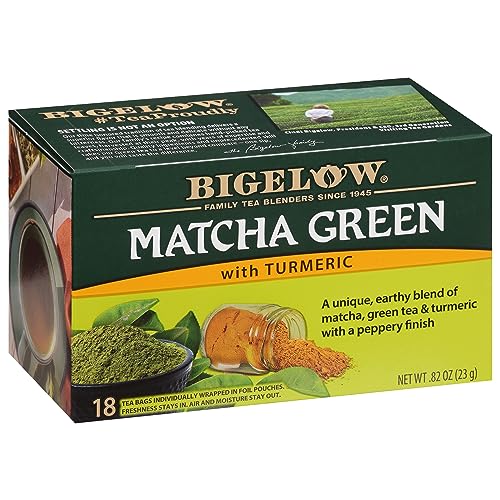
Bigelow Matcha Green Tea with Turmeric, 108 Tea Bags

Encha Ceremonial Grade Matcha Powder, First Harvest, 60g
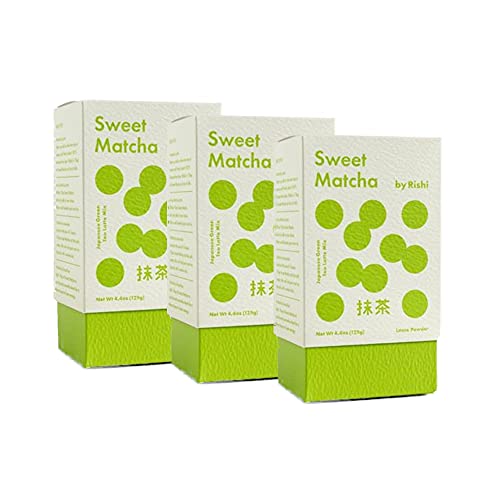
Rishi Sweet Matcha Latte Powder, 3-Pack, 4.4oz Each

Encha Latte Grade Matcha Powder, First Harvest, 30g

Twinings of London Green Tea Bags, 20 Count (Pack of 6)
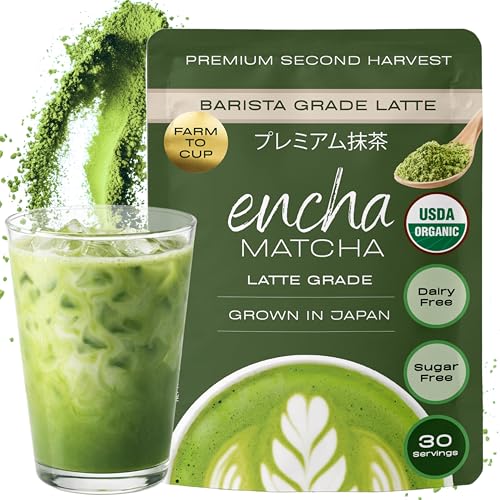
Encha Barista Grade Latte Organic Matcha Powder, 30g
Why These Options Stand Out
Ujido’s 4-ounce tin sits in a comfortable middle ground between ceremonial showpieces and bargain mystery powder. The 4-ounce size gives you enough runway for daily lattes without racing against freshness, which matters because matcha begins losing its vibrant green color and grassy sweetness once the seal breaks. The brand sources from Japanese tea regions, and the powder sifts easily into hot water with a basic kitchen whisk.
For most weeknight matcha drinkers, this lands in the sweet spot. It’s a sensible starting point before committing to the costlier single-origin picks later on the list.
Practical Advantages
- Generous 4-ounce format suits frequent daily use without rapid staleness.
- Fine grind whisks into a smooth cup with minimal clumping.
- Versatile enough for traditional bowls, smoothies, and baked goods.
- Works as a reliable stepping stone before investing in single-origin ceremonial grades.
Worth Noting
- Less region-specific character compared to SOKYO’s Shizuoka or Encha’s Uji offerings.
- Once opened, transfer to an airtight container away from light to preserve color and flavor.
Who It Suits Best
Everyday drinkers who want a reliable, versatile powder without paying a premium for single-origin pedigree.
Where Another Pick Suits Better
Traditionalists chasing regional terroir should consider SOKYO Ceremonial Matcha Series for its single-region Shizuoka character.
SOKYO’s ceremonial series zeroes in on terroir. Each tin comes from a specific Japanese prefecture, and the Shizuoka “S” version brings the bright, slightly marine character that Shizuoka teas are known for. Shade cultivation before harvest boosts the leaves’ umami and chlorophyll content, which translates to a sweeter, more rounded cup. Stone grinding preserves the delicate texture that makes whisking effortless.
This powder rewards a slower ritual. Compared to Ujido’s versatile everyday tin, SOKYO is purpose-built for the tea bowl, not the blender.
Features That Help
- Single-origin Shizuoka sourcing delivers a distinct regional flavor profile.
- Shade-grown leaves develop natural umami depth without bitterness.
- Stone-ground texture produces a silky, lump-free foam when whisked.
- Available in additional regional variants (Fuji Q, Mie K) for tasting comparisons.
Trade Offs
- 1.05-ounce tin runs out quickly with daily use, raising the per-cup cost.
- Best appreciated with plain water; milk masks the subtleties you’re paying for.
- Store sealed in the fridge once opened to protect the delicate aroma.
Feature Snapshot
Right Fit For
Traditionalists who whisk matcha in a chawan and want to taste what one specific Japanese region offers.
A Better Fit Elsewhere
Daily latte drinkers who mask flavor with milk will get more value from Rishi Sweet Matcha or Encha Latte Grade.
Republic of Tea takes matcha off the whisking bench entirely. The SuperGreen blend combines Japanese matcha with sencha-style green tea leaves and complementary herbs, pre-portioned into round tea bags. Steeping takes 1-3 minutes in water just shy of boiling, which removes the measuring and sifting steps that intimidate newcomers. The blend includes a small amount of caffeine for a gentle lift without coffee-style jitters.
For office kitchens or hotel rooms, this format removes every obstacle. It’s the most approachable way to add matcha to a workday routine.
Good Reasons To Consider
- Pre-portioned bags eliminate the need for scoops, sifters, and whisks.
- Blended herbs create a more layered cup than plain matcha powder.
- Brief steeping time fits a busy morning schedule.
- Light caffeine level provides focus without the coffee crash.
Points To Note
- Bagged format cannot match the foam and mouthfeel of whisked ceremonial powder.
- Blended herbs may not appeal to purists seeking pure matcha flavor.
Built With In Mind
Office workers and travelers who want matcha benefits with zero equipment and minimal cleanup.
Reach For A Different Pick When
You want authentic matcha foam and flavor, in which case the Akira Matcha sticks offer single-serve powder without bagging limitations.
Akira Matcha tackles a specific problem: how to keep ceremonial-grade powder fresh past the first week. Each 1.5-gram stick is sealed individually, so you only crack one open at a time. The powder is stone-ground in Japan and shipped sealed for maximum freshness. First harvest leaves, shade-grown for at least three weeks, carry the bright grassy sweetness and clean finish ceremonial drinkers expect.
Twenty-five sticks cover nearly a month of single servings, which suits a carry-on routine better than any 4-ounce tin.
Why It Works Well
- Single-serve sticks lock in freshness that bulk tins lose after opening.
- First harvest leaves deliver the bright, sweet profile ceremonial drinkers prefer.
- Tear-and-pour format fits gym bags, hotel kettles, and airport lounges.
- No measuring, no clumps, no wasted powder from a stale tin.
Soft Spots
- Per-serving cost runs higher than loose powder in larger containers.
- Sticks generate more packaging waste than a single resealable tin.
Who Should Grab It
Commuters, frequent flyers, and gym-goers who want ceremonial-grade matcha away from their kitchen counter.
Swap It Out When
Home-based daily drinkers will find the bulk SOKYO or Encha ceremonial tins more economical for fixed-location brewing.
Bigelow blends matcha with turmeric for a flavor combination that splits opinion. The green tea base provides a familiar smoothness, while the turmeric adds warmth and earthiness. Each bag comes individually foil-wrapped, which keeps the aroma intact in a shared kitchen drawer. The 108-bag pack size covers months of casual daily use, making it a practical bulk choice for households that already drink bagged tea.
It’s a different beast from the powders earlier in this list, but the convenience factor holds up.
What Pays Off
- Turmeric pairing adds an earthy warmth that plain matcha lacks.
- 108-bag count stretches across months of regular use.
- Individual foil wrapping protects each bag from moisture and odors.
- Familiar bagged format requires no new equipment or technique.
A Few Limitations
- Turmeric dominates the cup, so matcha character plays a supporting role.
- Bagged steeping cannot replicate the frothy texture of whisked powder.
Perfect Match For
Households that want a low-commitment, high-convenience matcha-flavored tea without buying whisks or sifters.
Another Choice May Suit
Those wanting real matcha body should choose the Republic of Tea SuperGreen bags or step up to a powdered ceremonial pick.
Encha’s ceremonial tin represents the benchmark for Uji-grade matcha in this list. The powder comes from first harvest leaves picked each spring on certified organic farms in Uji, a region with centuries of tea cultivation behind it. Shade-growing and stone-grinding combine to produce the whisper-fine texture and bright green hue that signal a properly handled ceremonial product. The brand has worked with the same Uji farms for over a decade, which speaks to consistent supply.
Best enjoyed the traditional way, with water and a bamboo whisk. Unlike the Akira sticks, this is a stay-at-home tin for a daily ritual.
Key Advantages
- Uji-origin sourcing connects the cup to one of Japan’s most respected tea regions.
- First harvest designation ensures the youngest, most nutrient-rich leaves of the season.
- 60-gram tin provides enough volume for several weeks of daily traditional preparation.
- Organic certification reassures shoppers who prioritize clean cultivation.
Honest Caveats
- Premium positioning means a higher per-gram cost than the Ujido everyday tin.
- Once opened, keep the tin refrigerated to slow oxidation of color and flavor.
- Not optimized for milk drinks; pull from the Encha Latte Grade instead.
Feature Snapshot
Best Suited To
Drinkers committed to a traditional matcha ritual who want a reliable Uji-source ceremonial grade at home.
Skip It When
Your daily routine involves oat milk and flavored syrups; the Encha Latte Grade or Encha Barista Grade suits that path better.
Rishi Sweet Matcha eliminates the question that derails most first-time buyers: do you sweeten it, and how much. The blend combines Japanese matcha with pure cane sugar, so each scoop already balances the natural bitterness. It dissolves easily into hot or cold milk, which removes the need for a whisk if you shake it in a jar. The 3-pack format covers months of casual lattes.
It’s the lowest-friction entry point on this list, and the right bridge product before graduating to unsweetened ceremonial grades.
Standout Benefits
- Pre-sweetened blend removes the guesswork from balancing flavor.
- Dissolves smoothly into dairy or plant milk with just a jar shake or stir.
- Versatile across hot lattes, iced versions, and even lemonade preparations.
- Kosher and Non-GMO certifications broaden the appeal across dietary needs.
Room For Improvement
- Added sugar limits portion control for anyone tracking sweetener intake.
- Not suited for traditional tea bowl preparation; this is a latte mix.
Whose Shelf It Belongs On
New matcha drinkers building a daily latte habit before exploring unsweetened, traditional-grade options.
Look Elsewhere When
You want to control sweetness yourself; the Encha Latte Grade unsweetened powder gives you that flexibility.
Encha’s Latte Grade occupies the middle lane between ceremonial purity and pre-sweetened convenience. It’s the same Uji first-harvest origin as the ceremonial tin, but the grind and blend target milk drinks. Stone-ground to a vibrant fine powder, it stays smooth and naturally sweet when whisked into milk without ever turning bitter. Unsweetened, so you control the syrup, honey, or sweetener.
Compared to the Rishi blend, this assumes you want to do your own sweetening. For most home latte setups, that’s a fair trade.
Real Benefits
- Uji first-harvest origin at a lower entry tier than the ceremonial tin.
- Specifically blended to hold up in milk without bitterness or grit.
- Unsweetened format lets you dial in sugar, honey, or plant-based alternatives.
- 30-gram tin is a sensible size for a few weeks of regular use.
Points To Keep In Mind
- Not designed for traditional water-only preparation, where the ceremonial grade excels.
- Smaller tin means frequent reordering for daily latte drinkers.
Feature Snapshot
Who Will Love This
Home baristas who want authentic Uji matcha in their lattes without pre-mixed sugar or fillers.
Not Your Match When
Pure tea ceremony drinkers will be better served by the Encha Ceremonial Grade tin earlier in this list.
Twinings of London takes the matcha conversation in a different direction. The blend uses sencha-style green tea leaves, the same Camellia sinensis plant that produces matcha, but processed without the stone-grinding step. The result is a light golden cup, mild and refreshing rather than grassy or vegetal. The 120-bag case covers a long stretch of casual daily drinking at the lowest per-cup cost on this list.
It’s not matcha in the powdered sense, and the label agrees. Anyone expecting ceremonial foam will be disappointed, but drinkers who find pure matcha too intense will appreciate the gentler profile.
Everyday Advantages
- Mild sencha-style profile suits drinkers who find pure matcha too strong.
- 120-bag case delivers strong per-cup value over months of use.
- Light golden color signals a clean, easy-drinking cup.
- Bagged format requires no equipment, whisks, or cleanup beyond a mug.
Less-Strong Areas
- Not powdered matcha, so it lacks the characteristic foam and concentrated antioxidants.
- Flavor is comparatively muted next to the Encha or SOKYO ceremonial grades.
Made For
Drinkers who want a gentle green tea routine with the convenience of bagged brewing at a modest cost.
Where A Sibling Pick Shines
Anyone specifically seeking powdered matcha’s caffeine and antioxidant profile should choose the Ujido or Encha Latte Grade instead.
Encha’s Barista Grade completes the brand’s milk-drink ladder. Where the Latte Grade pulls from first harvest alone, the Barista blend combines summer and autumn harvests, which broadens the flavor profile for café-style applications. The powder stays vibrant and balanced when mixed with dairy or plant-based milks, which is the practical test that matters most for daily latte drinkers. Unsweetened, so you build the flavor with your own syrups or sweeteners.
It pairs well with home espresso machines and milk frothers, and the format gives you room to experiment.
Positive Takeaways
- Multi-harvest blend produces a balanced, milk-friendly cup that holds color.
- Designed to perform with both dairy and oat, almond, or soy milk.
- Whisper-fine grind minimizes grit at the bottom of the cup.
- Versatile across lattes, smoothies, and baking applications.
Where It Is Less Suited
- Multi-harvest sourcing sacrifices the single-season intensity of ceremonial grades.
- Smaller tin means heavy users will reorder often.
The Right Fit
Daily home baristas making multiple milk-based matcha drinks a week who want consistent café-style results.
Where Another Pick Suits Better
Purists chasing seasonal intensity should keep the Encha Ceremonial Grade tin as their at-home traditional option.
Choosing Quality Matchas Without Getting Burned
Grade Matters More Than Hype
Matcha grades range from ceremonial at the top to culinary at the bottom. Ceremonial grade uses the youngest, most tender leaves, picked first harvest and stone-ground to a whisper-fine powder. Culinary grade pulls from later harvests and produces a more robust, slightly bitter profile that holds up in sweetened drinks and baked goods. Matcha labeled simply as “green tea powder” often sits in the middle, blending the two. For traditional preparation with water, ceremonial grade delivers the smoother, sweeter cup. For lattes, smoothies, and recipes, culinary or latte grade offers better value without a noticeable sacrifice.
Origin and Cultivation Tell the Real Story
Japanese prefectures like Uji, Shizuoka, and Mie have centuries of tea-growing expertise, and shade cultivation before harvest boosts chlorophyll and umami content. Look for first harvest labeling when seeking the sweetest, most vibrant cup. Organic certification reassures shoppers who care about pesticide residue, though it doesn’t guarantee flavor. Single-origin tins usually cost more because the supply is limited, but the regional character is worth the premium for traditional drinkers.
Freshness, Color, and Storage Habits
Matcha begins losing its bright green color and delicate aroma the moment the seal breaks. Powder that looks yellow-brown or smells like hay has likely oxidized past its prime. Buy only what you’ll use within 4-6 weeks of opening, and store opened tins in the refrigerator away from light and moisture. If your routine means months between cups, single-serve sticks like the Akira format protect freshness better than any resealable tin.
Format Should Match Your Routine
Powdered matcha offers the most authentic experience but requires a sifter, whisk, and a few minutes of attention. Pre-sweetened latte blends trade authenticity for convenience. Bagged options like the Republic of Tea and Bigelow products eliminate equipment entirely. Travelers and gym-goers get the best results from single-serve sticks. Office workers without tea gear do fine with high-quality bagged blends. Match the format to your actual routine, not the one you wish you had.
Key Considerations Across These Picks
Common Shopping Slip Ups
Buyers chasing the word “ceremonial” on a cheap tin often end up with bitter, dull powder that ruins their first impression of real matcha. Another mistake is buying bulk containers for occasional use; a 4-ounce tin opened once a month will lose its color and aroma long before you finish it. Finally, mixing ceremonial-grade powder with heavy syrups and flavored milks wastes the qualities you’re paying for; reach for a latte-grade option instead.
What The Higher Tier Buys
Premium matcha costs more because the first harvest yields less leaf per bush, shade-growing reduces volume further, and stone-grinding is slow compared to industrial milling. The cup reflects all of that: brighter color, sweeter finish, smoother foam, and more layered aroma. For daily traditional preparation, the upgrade shows up immediately. For casual latte drinking, the premium is harder to taste under milk, which is why latte-grade options exist as a middle ground.
Frequently Asked Questions
What is ceremonial grade matcha?
Ceremonial grade is the highest tier, made from the youngest first-harvest leaves shade-grown before picking. It’s stone-ground into an extra-fine powder designed for traditional preparation with water. The result is sweeter, less bitter, and brighter in color than lower grades.
Can I use ceremonial grade matcha for lattes?
You can, but the subtleties get masked under milk and sweeteners, making the premium price harder to justify. Latte-grade or barista-grade powders are blended specifically to hold up in milk, so most daily latte drinkers save money without sacrificing the experience.
How should I store matcha after opening?
Keep opened tins sealed tightly and stored in the refrigerator away from light, moisture, and strong odors. Matcha absorbs nearby aromas quickly and degrades in warmth. For infrequent drinkers, single-serve sticks protect freshness far better than any resealable bulk tin.
Is matcha higher in caffeine than regular green tea?
Yes, because you consume the whole leaf rather than steeping and discarding it. A typical serving of matcha contains more caffeine than a bag of steeped green tea, though less than a cup of brewed coffee. The combination with L-theanine produces a steadier lift without the jitters some people associate with coffee.
What’s the difference between matcha and regular green tea?
Both come from the Camellia sinensis plant, but matcha leaves are shade-grown before harvest and stone-ground into a fine powder. Regular green tea uses sun-grown leaves that are steamed, rolled, and dried for bagged or loose-leaf steeping. The shading process boosts chlorophyll and umami compounds, which is why matcha’s flavor profile differs so distinctly.
Closing Remarks
Quality matchas come in enough formats to fit nearly any routine, from the Akira sticks tucked into a gym bag to the Encha ceremonial tin waiting on a home counter. The best pick depends less on price tags and more on how you actually drink your tea. Start with your daily habit, then upgrade when you find yourself wanting more depth, more origin character, or a more traditional ritual. Your palate will tell you when it’s time to move up.
