

A morning ritual feels different when the beans actually match your taste. Specialty coffee beans sit in that sweet spot between everyday drip and single-origin craft, offering layered flavor without pretension. The challenge is that the category is crowded, packaging claims run hot, and most supermarket shelves look identical at a glance. This roundup cuts through the noise with eight whole-bean options that earn attention for specific reasons: origin pedigree, blend balance, roast consistency, and how they behave in real espresso machines at home.
The Main Contenders

Lavazza Espresso Whole Bean Coffee, 2.2 lb (Pack of 2)

Lavazza Super Crema Whole Bean Coffee, 2.2 lb (Pack of 2)

Lavazza Espresso Barista Gran Crema Whole Bean Coffee, 2.2 lb
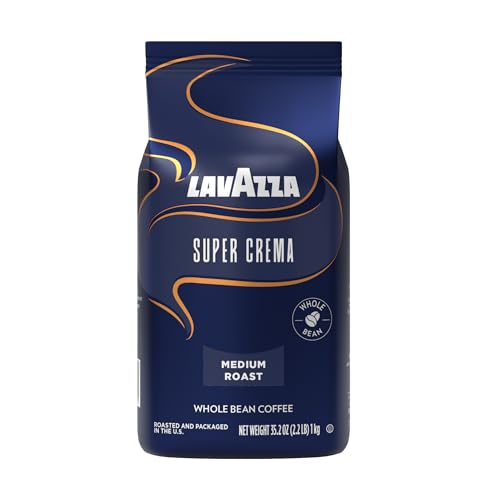
Lavazza Super Crema Whole Bean Coffee, 2.2 lb (Single Bag)

Bristot Speciale Italian Espresso Coffee Beans, 2.2 lb

Bristot Bio Organic Italian Whole Espresso Beans, 2.2 lb

Bristot Classico Oro Italian Espresso Beans, 2.2 lb

Bristot Classico Espresso Beans, 2.2 lb
A Breakdown Of The Leading Choices
Starting the list with a 100% Arabica offering, this Lavazza Espresso bag targets drinkers who want a quieter, smoother cup without the assertive bite of Robusta. The medium roast (rated intensity 5/10) keeps things approachable for early-morning use, and the 2.2 lb packaging, doubled in this pack, suits households pulling two or three shots a day.
For the price-conscious crowd or anyone stepping into whole-bean espresso from a pod machine, this is a forgiving entry point. The grind is consistent enough for entry-level burr grinders, and the aromatics lean toward gentle chocolate rather than smoky char.
A Strong Showing
- 100% Arabica means fewer jitters for caffeine-sensitive drinkers
- Lower intensity score keeps flavor mild, not aggressive
- Two-bag format stretches value for daily users
- Plays well with lighter espresso machine pressures
Things To Consider
- Lacks the thick crema and punch that Robusta-forward blends deliver
- Aromatics can fade after the bag sits open for a couple of weeks
Who It Suits Best
Mild-espresso drinkers and Arabica loyalists who prefer aromatic, low-intensity cups over bold morning jolts.
Look Elsewhere When
Drinkers craving dense crema and espresso-shop intensity will find a more satisfying match in the Lavazza Super Crema Whole Bean Coffee instead.
Super Crema is the blend most home baristas reach for first, and the two-bag version doubles down on that convenience. A mix of Arabica and Robusta, sourced across 15 coffee-growing regions, it lands at a medium roast that pulls rich and creamy shots. Compared with the pure Arabica option above, the difference shows up immediately as a thicker crema and rounder body.
The dual-bag format suits households going through a bag every three or four weeks, and storage is straightforward as long as you keep the unused bag sealed. For most entry-level and mid-tier espresso machines, this blend behaves predictably and forgives small grind-size mistakes.
The Helpful Details
- Arabica-Robusta blend produces a textbook thick crema
- Multi-region sourcing delivers more layered flavor than single-origin picks
- Forgiving in entry-level machines, including super-automatics
- Two-bag value plays well for households with two daily drinkers
Points To Note
- Caffeine content runs higher than the pure Arabica pick thanks to Robusta
- Flavor profile skews traditional Italian, less ideal for third-wave pour-over fans
Key Attributes
Made For
Home baristas who pull a shot or two each morning and want cafe-style crema without hunting for hard-to-source single origins.
Consider Something Else When
Pour-over purists chasing bright, terroir-driven cups will find the Bristot Classico Oro Italian Espresso Beans a more rounded alternative.
Barista Gran Crema pushes slightly darker than Super Crema, with aromatic notes leaning into honey and deeper roast tones. Intensity climbs to 7/10, which still feels balanced rather than punishing, and the cup reads as full-bodied in milk-heavy drinks. If your usual order is a flat white or cappuccino, this blend’s sweetness carries through the milk well.
Packaging may vary on this listing, but the 2.2 lb weight stays consistent, and owners commonly report the bag arriving with a one-way valve that helps preserve aroma after opening. For the home barista working primarily with milk-based drinks, this is a smart pivot from the milder Lavazza Espresso pick.
Advantages To Know
- Honeyed aromatic note pairs naturally with steamed milk
- Higher intensity (7/10) than the classic Super Crema without feeling harsh
- Full body holds its own in larger lattes and cortados
Honest Caveats
- Darker roast limits the bright, fruity notes some specialty drinkers expect
- Packaging variation between shipments means bag design may not match the listing image
Right Fit For
Drinkers who take mostly milk-based espresso drinks and want a cup that does not get lost when cut with dairy or oat milk.
Skip It When
Straight-espresso devotees will likely prefer the bolder, higher-intensity Bristot Classico Espresso Beans instead.
This is the same Super Crema blend reviewed above, just in a single 2.2 lb bag rather than a two-pack. The coffee itself does not change: same Arabica-Robusta mix, same medium espresso roast, same 15-country sourcing. What changes is the entry point, which feels right for someone testing the blend before committing to a double-bag purchase.
For solo drinkers or couples pulling a few shots a week, a single bag lasts long enough to use the beans at peak freshness, assuming the bag is sealed and stored away from heat. It is also the safer choice if you are unsure whether Italian-style espresso fits your palate.
Good Reasons To Consider
- Single-bag format reduces upfront cost and storage commitment
- Identical blend to the popular two-pack, well-known and widely available
- Package may vary, so shoppers can grab whichever version is in stock
Less Ideal Details
- Higher cost per ounce compared with the two-bag version
- Package variation means bag design is not always consistent with the listing photo
Best Suited To
First-time buyers sampling the Super Crema profile without committing to four pounds of beans at once.
A Better Fit Elsewhere
Drinkers ready to commit to a longer supply will save more per ounce by stepping up to the Lavazza Super Crema Whole Bean Coffee two-pack.
Bristot enters the roundup with a Dolomites-roasted profile that leans darker and earthier than the Lavazza options. Roasted in Northern Italy since 1919, the brand leans on tradition, and the Speciale blend reads as a serious, after-dinner cup. A 67% Arabica, 33% Robusta mix gives it body without leaning bitter, and the 6/10 acidity score is friendly to sensitive stomachs.
Tasting notes suggest dark chocolate, spice, and toasted bread, which translates to a richer cup than the lighter Lavazza Espresso Whole Bean Coffee. For most home setups, it behaves well in a standard pump espresso machine, and the medium roast (Full City style) holds its own in milk without disappearing.
The Practical Payoff
- Lower acidity (6/10) is gentler on sensitive stomachs
- Dolomites heritage adds credibility for traditional Italian-cup fans
- Balanced Arabica-Robusta ratio produces strong crema without harshness
- Dark chocolate and spice notes pair well with milk or dark chocolate pairings
Practical Considerations
- Heavier roast may feel too bold for drinkers used to bright, fruity coffees
- Less brand recognition stateside, so finding the right grind setting may take trial and error
Feature Snapshot
Perfect Match For
Espresso drinkers with sensitive stomachs who still want a full-flavored, traditional Italian cup.
Reach For A Different Pick When
Cleaner, fruit-forward profiles would serve you better, in which case the Bristot Bio Organic Italian Whole Espresso Beans deliver a more delicate cup.
The Bio Organic blend is the gentlest cup in the Bristot lineup, certified USDA organic and built around a 90% Arabica, 10% Robusta ratio. Compared with the Bristot Speciale above, the body feels lighter and the aromatics lean toward spices, caramel, and a subtle sandalwood note. It is still a medium roast, but the profile reads more aromatic than aggressive.
For shoppers who care about sourcing, the organic certification carries weight, and the lower Robusta content keeps caffeine levels modest. Storage is straightforward: keep the bag sealed in a cool, dry place, and the beans hold their character for several weeks.
Where It Helps
- Certified USDA organic for shoppers who prioritize traceable sourcing
- 90% Arabica delivers a smooth, low-intensity profile
- Distinct aromatic notes (spice, caramel, sandalwood) add character without bitterness
Where It Is Less Suited
- Low Robusta share means crema is thinner than Bristot’s other blends
- Organic pricing tends to run higher than non-organic equivalents
- Delicate aromatics can mute quickly if the bag stays open past a few weeks
Whose Shelf It Belongs On
Organic-coffee shoppers and drinkers who want a smooth, low-impact morning cup without sacrificing Italian-roast character.
Where A Sibling Pick Shines
Drinkers chasing stronger crema and heavier body will find the Bristot Classico Espresso Beans a more assertive pick from the same brand.
Classico Oro reads like a coffee-shop favorite: chocolate, malt, and walnut notes, all wrapped in a medium roast with low acidity. The flavor profile feels like the kind of warm, comforting cup you expect from a well-run Italian cafe, and the suggested extraction favors home espresso machines and bean-to-cup brewers. Where the Bio Organic blend lifts toward delicate aromatics, Classico Oro grounds itself in richer, dessert-like tones.
For a home setup with a bean-to-cup machine, the grind calibration is forgiving, and the cup pairs well with morning pastries or an after-dinner dessert course. In a household where two people split a pot, the 2.2 lb bag covers about a month of regular use without losing freshness.
Positive Points
- Low acidity is easy on the stomach for daily drinkers
- Chocolate, malt, and walnut notes suit both straight shots and milk drinks
- Forgiving extraction makes it ideal for bean-to-cup home machines
Trade-Offs
- Less assertive than darker-roast alternatives like Bristot Classico
- Roasted in the Dolomites, so shipping in summer heat can affect arrival freshness
Who Will Love This
Bean-to-cup machine owners who want a sweet, low-acid cup that doubles as a daily-driver and a weekend treat.
Swap It Out When
Drinkers chasing a bolder, more intense espresso will appreciate the higher-octane Bristot Classico Espresso Beans in this same lineup.
Closing the roundup with the boldest Bristot on the list, the Classico Espresso pulls no punches at 10/10 intensity. Tasting notes land on tobacco, wood, and milk chocolate, and the medium / Full City roast preserves body without tipping into ash. For drinkers who treat espresso as a serious ritual rather than a casual morning pour, this cup delivers.
Compared with the gentler Classico Oro reviewed above, the difference shows up as deeper, more aggressive flavor. Owners commonly report that the beans pull dense, syrupy shots in mid-tier home machines, and the crema tends to layer cleanly on top. If you have been easing into espresso and want to push the dial up, this is a logical next step.
Everyday Wins
- 10/10 intensity delivers the strongest cup in this roundup
- Dolomites roasting tradition and century-old brand heritage
- Layered tobacco, wood, and milk chocolate notes for serious-espresso fans
- Syrupy shot body and thick crema in mid-tier home machines
Things To Weigh
- High intensity can overwhelm drinkers used to lighter profiles
- Strong flavor may dominate milk-based drinks more than expected
Feature Rundown
Who Should Grab It
Espresso devotees who pull straight shots and want maximum body, crema, and intensity in every cup.
Another Choice May Suit
Drinkers who want Italian character with a lighter touch will find a more forgiving profile in the Lavazza Super Crema Whole Bean Coffee.
What To Weigh Before Buying Specialty Coffee Beans
Roast level sets the foundation of the cup. A medium espresso roast like those in this list usually balances sweetness and body, while darker roasts (such as the Bristot Classico Espresso Beans) push toward intensity and lower perceived acidity. If your stomach is sensitive, a lower-acidity profile, like the Bristot Classico Oro or Speciale, is worth prioritizing.
The Arabica-to-Robusta ratio (the percentage of each bean type in the blend) shapes crema, caffeine, and mouthfeel. Arabica dominates in smoother, more aromatic cups, while Robusta adds crema thickness, caffeine, and a more assertive bite. Blends like the Lavazza Super Crema and Bristot Classico strike a balance suited to most home espresso machines.
Bean size, freshness, and storage matter more than shoppers expect. Whole beans stay flavorful longer than pre-ground, and bags with one-way valves help preserve aroma once opened. Keeping beans in a cool, dry place (away from sunlight) protects the volatile oils that give espresso its character.
Finally, match the bag size to your drinking pace. A 2.2 lb bag covers about a month of regular use for two daily drinkers. Buying the two-bag version of the Lavazza Super Crema cuts the per-ounce cost, but only if you will work through it before the second bag loses peak freshness.
Key Considerations Across These Picks
Wrong Turns To Avoid
One common slip is buying dark roast expecting “stronger” coffee. In practice, darker roasts taste bolder but often carry less caffeine than a medium espresso roast, and they lose the delicate aromatics that lighter profiles preserve. Match roast to your preferred flavor, not to perceived strength.
Another trap is overcommitting to a four-pound supply before tasting. The single-bag Lavazza Super Crema exists for exactly this reason: it lets you confirm the blend fits your palate before locking in a larger purchase. Specialty beans lose their sparkle if you push through stale grounds, so buy what you can finish in three to four weeks.
Where The Extra Money Goes
The Bristot Bio Organic blend costs more per ounce than non-organic options, and the premium reflects organic certification, multi-region sourcing, and lower Robusta content, which reduces overall yield. For shoppers who prioritize traceable agriculture and a cleaner cup, that premium pays off in flavor alignment and sourcing transparency.
Premium-tier blends like the Bristot Classico Espresso Beans charge more for intensity and tradition. The 10/10 intensity score, Dolomites heritage, and tighter roast consistency justify the upgrade for drinkers who pull straight shots daily and want a cup that stands up to milk or stands alone without dilution.
Frequently Asked Questions
What is the difference between Arabica and Robusta beans?
Arabica beans tend to deliver smoother, sweeter, more aromatic cups with slightly less caffeine, while Robusta beans add crema thickness, body, and a stronger caffeine kick. Most Italian espresso blends use a combination to balance the two.
How long do whole espresso beans stay fresh?
Once opened, whole beans typically hold peak flavor for three to four weeks if stored sealed in a cool, dry place. Unopened bags with one-way valves can stay fresh for several months, but grinding just before brewing always produces the best cup.
Do I need a special grinder for these beans?
A burr grinder (which crushes beans between two textured surfaces rather than slicing them) gives more consistent particle size than a blade grinder, and consistency matters most for espresso extraction. Entry-level burr grinders work fine for the Lavazza blends, while darker, oilier beans like the Bristot Classico benefit from a slightly coarser grind setting.
Can I use these beans in a drip coffee maker?
Yes, though the flavor profile is dialed for espresso. Drip brewing tends to mute the crema and body, so expect a fuller, more intense cup than the same beans would produce as a shot. Coarsening the grind helps avoid over-extraction in longer brew cycles.
What does “intensity” mean on Italian coffee packaging?
Intensity is a brand-specific score (often out of 10) that reflects body, roast depth, and flavor strength, not caffeine content. A 5/10 Lavazza Espresso reads as mild and aromatic, while a 10/10 Bristot Classico reads as bold and assertive, even if actual caffeine levels differ by only a small margin.
The Takeaway
Specialty coffee beans reward attention, and the right pick depends on whether you chase crema, low acidity, organic sourcing, or pure intensity. Start with what you already know you enjoy, use the bag size that matches your drinking pace, and trust the roast profile more than the marketing. From the gentle Lavazza Espresso Whole Bean Coffee to the bold Bristot Classico, each bag in this roundup has a clear lane. Pick the one that matches your morning, and the rest takes care of itself.
