

Building a sourdough habit on a gluten-free diet takes a different kind of starting point. Standard loaves rely on gluten proteins for that signature chew and rise, so the flours, hydration levels, and fermentation timing all shift. The right guide cuts that learning curve dramatically, and the right loaf saves you an afternoon of troubleshooting.
The picks below cover cookbooks, science-driven manuals, and a ready-to-eat loaf for nights when you just want bread on the table. You’ll find options for first-timers, fermentation nerds, and anyone tired of dense, crumbly results.
A Fast Comparison Of The Options

Sourdough Small Batch Baking Cookbook

Homemade Bread: 70 Artisan Sourdough Recipes

Wild Bread: Sourdough Reinvented

Super Sourdough Foolproof Guide

Sourdough by Science Baking Guide

Sourdough Mastery 15 in 1

Gluten-Free Sourdough Mastery 5-in-1
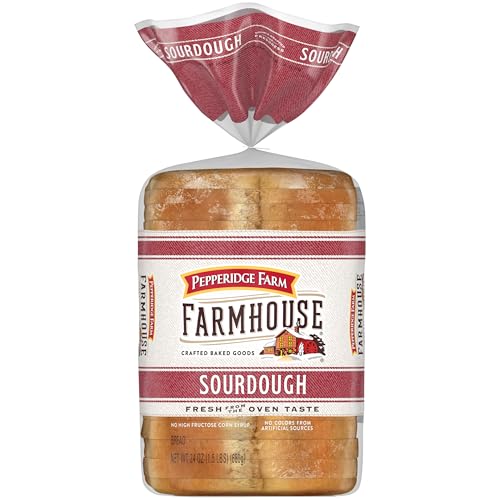
Pepperidge Farm Farmhouse Sourdough 24 Oz

The Sourdough School Gut-Friendly Bread
The Details Behind The Selections
This cookbook lands squarely in the small-batch camp, so recipes are scaled for one or two people rather than a full bakery output. That framing alone rescues beginners from the half-loaf-in-the-fridge-for-a-week problem. The author leans into a zero-waste philosophy (meaning recipes designed to use up every bit of your starter rather than tossing the excess), which suits gluten-free bakers who already pay a premium per loaf of flour.
Inside you’ll find a mix of sweet and savory directions, from quick discard crackers to longer-fermented artisan rounds. Schedule notes are baked into each recipe, so you know when to mix, when to stretch, and when to walk away. Compared to the wider-ranging Homemade Bread: 70 Recipes for Artisan Sourdough, this one is narrower but more forgiving for new hands.
Why It Works Well
- Portion sizes match one or two eaters, cutting down on wasted starter and finished bread.
- Discard-focused recipes stretch a single feeding into multiple bakes, lowering your overall flour cost.
- Built-in timelines remove the guesswork from bulk fermentation, which helps beginners avoid over-proofed loaves.
- Mix of sweet and savory keeps a small household from getting bored by week three.
Things To Consider
- The recipe count is modest, so experienced bakers may outgrow it within a few months.
- Gluten-free coverage is general rather than deep, so you may need a dedicated GF guide alongside it.
Who It Suits Best
Solo or two-person households baking for everyday toast and sandwiches, especially those new to fermentation.
Consider Something Else When
You want a strictly gluten-free deep dive, where Gluten-Free Sourdough Mastery 5-in-1 delivers more targeted recipes.
Seventy recipes is a generous spread for the price of a single cookbook, and Serge Daniels structures them so a baker can move from plain country loaves to seeded heritage styles without buying a second book. The instructions are written for home kitchens rather than pro setups, and the ingredient list stays accessible at standard grocery stores. Compared to the tighter Super Sourdough by James Morton, this title trades precision for breadth.
Step-by-step photos accompany most recipes, which matters more than it sounds when you’re trying to judge whether your dough has hit the right “windowpane” stage. You’ll also get a solid primer on building and maintaining a starter from scratch, useful if your last attempt died on the counter. The book doesn’t dwell on gluten-free swaps, so plan to pair it with a dedicated GF reference for that crossover.
Useful Strengths
- Seventy recipes cover everyday loaves, holiday breads, and pizza doughs without repetition.
- High-quality photos help you visually confirm hydration and crumb structure at each stage.
- Starter maintenance section answers the “is mine still alive?” question most beginners hit by day five.
- Ingredient lists lean on pantry staples, so you won’t be hunting for rare flours on a Tuesday night.
Honest Caveats
- Gluten-free adaptations are limited, requiring you to source supplemental guidance.
- Recipe variety can feel scattered for someone who just wants to nail one perfect loaf first.
Made For
Home bakers who want one book that handles weeknight loaves, weekend projects, and pizza night in rotation.
Look Elsewhere When
You need a science-first deep dive into fermentation chemistry, where Sourdough by Science goes much further.
MaryJane Butters writes from a farmstead perspective, leaning into whole grains, foraged flours, and the kind of bread that feels like it came from a stone hearth rather than a suburban oven. The book treats the starter itself as a living culture, with longer ferments and rustic shaping techniques. It sits apart from more clinical guides like Sourdough by Science in voice and pacing.
Recipes skew toward the open-crumb, blistered-crust style that takes practice to execute well. You’ll spend more time on each bake, but the payoff is a loaf with real character. The trade-off is accessibility: ingredients like einkorn and emmer may require a mill or specialty supplier, and gluten-free bakers will need to interpret rather than follow the recipes directly.
Everyday Perks
- Heritage grain focus gives your weekly bake a more complex, nutty flavor profile.
- Long-fermentation approach often improves digestibility for sensitive stomachs.
- Rustic shaping techniques add a satisfying, handmade look to the finished loaf.
Worth Noting
- Specialty flours can be hard to source and pricey, especially outside major metros.
- Recipes assume patience, with timelines that don’t fit a rushed weeknight schedule.
Best Suited To
Bakers drawn to slow-food traditions and willing to source unusual grains for the right flavor.
Skip It When
You need a weeknight-friendly approach, where Pepperidge Farm Farmhouse Sourdough Bread delivers ready-to-eat convenience.
James Morton is well known in the baking world for breaking intimidating techniques into plain English, and this book applies that same clarity to sourdough. The structure walks you from flour selection through shaping, with troubleshooting callouts that answer questions before you finish asking them. It functions as both a starter manual and a long-term reference.
The book assumes a standard home oven, so you won’t need a Dutch oven or a baking stone to get solid results. Recipes include a mix of rustic boules and more structured pan loaves. Compared to the broader Homemade Bread: 70 Recipes for Artisan Sourdough, this one goes deeper on fewer bakes, which suits a methodical learner.
What Makes Sense
- Troubleshooting callouts catch common problems like dense crumb or gummy interior before they ruin a bake.
- Standard home equipment is all you need, avoiding the gear-buying spiral other guides can trigger.
- Clear progression from simple loaves to more advanced shaping builds real skill over time.
Points To Note
- Recipe count is smaller than broader cookbooks, so variety comes slower.
- Gluten-free bakers will need to translate flour ratios using a dedicated GF resource.
The Right Fit
Methodical first-timers who want one trustworthy book to return to as their skills grow.
A Better Fit Elsewhere
You want a gut-health-led approach, where The Sourdough School by Vanessa Kimbell leads the category.
Karyn Lynn Newman brings a PhD-level lens to fermentation, explaining how wild yeasts and bacteria interact with flour proteins at each stage. The book reads like a friendly lab notebook, with graphs and clear explanations of why a dough behaves the way it does. For gluten-free bakers, the science section on alternative flours is genuinely useful.
Recipes are fewer than in broader cookbooks, but each one is annotated with the reasoning behind the ratios. You’ll learn to adjust hydration and fermentation time based on your specific flour blend, not just follow a formula. Compared to the recipe-heavy Homemade Bread: 70 Recipes for Artisan Sourdough, this title trades volume for depth.
Standout Benefits
- Clear fermentation science helps you troubleshoot by understanding the cause, not just the symptom.
- Alternative flour discussion supports gluten-free bakers working with non-wheat bases.
- Annotated recipes teach the “why” behind hydration and timing, making future bakes easier to adapt.
Some Limits To Know
- Dense science content can feel academic for bakers who just want a quick loaf tonight.
- Recipe variety is narrower than cookbook-style competitors in this roundup.
Key Specs
Who Should Grab It
Bakers who like to know the reason behind each step and want to adapt recipes confidently later.
Another Choice May Suit
You want all-in-one breadth, where Sourdough Mastery 15 in 1 covers traditional and gluten-free in one volume.
Sirena Simonds packs a lot into this single volume, threading traditional wheat-based sourdough alongside gluten-free adaptations so a mixed-diet household can use the same reference. The recipe count is generous, and the inclusion of discard recipes means you get practical mileage out of every starter feeding.
The structure treats starter maintenance as its own chapter before moving into breads, desserts, and zero-waste methods. That’s a useful order for someone who wants to understand the culture first and pick recipes second. Compared to the focused Gluten-Free Sourdough Mastery 5-in-1 by the same author, this version gives you breadth but slightly less depth in the gluten-free niche.
Real-World Strengths
- 197 recipes cover loaves, desserts, and discard uses without needing a second cookbook.
- Images for every recipe remove the guesswork when comparing your dough to the expected look.
- Combined traditional and gluten-free sections suit households with mixed dietary needs.
- Zero-waste framing helps reduce flour and starter waste over months of regular baking.
Where It May Fall Short
- Gluten-free depth is lighter than what a strictly GF baker might want long-term.
- The sheer volume can feel overwhelming on a first read.
Feature Snapshot
Whose Shelf It Belongs On
Households baking for both gluten-free and traditional eaters who want one comprehensive reference.
Where A Sibling Pick Shines
You want stricter gluten-free focus, where Gluten-Free Sourdough Mastery 5-in-1 narrows the lens further.
This is the dedicated gluten-free counterpart to Simonds’s broader 15-in-1 book, and the focus shows in how thoroughly it addresses alternative flours. If you’ve struggled with dense, crumbly loaves made from rice or sorghum flour, this guide is built for that specific problem set. Every recipe assumes a gluten-free kitchen from the start.
The five-in-one structure separates starters, breads, desserts, discards, and a general success section, so you can read the chapter that matches tonight’s bake. Compared to the wider Sourdough Mastery 15 in 1, this one is leaner but goes deeper on the gluten-free quirks. The trade-off is fewer total recipes.
A Few Highlights
- Every recipe is designed gluten-free from the ground up, no conversion math required.
- Starter chapter addresses how alternative flours ferment differently from wheat.
- Discard recipes give you practical use for the teff, millet, or sorghum starter you maintain.
Trade-Offs To Consider
- Fewer total recipes than the broader 15-in-1 title.
- Assumes you’re committed to gluten-free baking rather than dabbling.
Perfect Match For
Bakers with a strict gluten-free household who want purpose-built recipes instead of converted ones.
Swap It Out When
You bake for mixed diets and want everything in one book, where Sourdough Mastery 15 in 1 covers both.
Not every sourdough moment needs a 24-hour ferment, and that’s where a ready-to-eat loaf earns its place. Pepperidge Farm’s farmhouse-style sourdough skips the starter and the wait, giving you a soft slice that toasts well and holds up under sandwich fillings. It’s a practical backup for the nights your starter isn’t ready.
The ingredient list skips high-fructose corn syrup and artificial colors, which puts it a step ahead of many mainstream sandwich breads. The 24-ounce loaf size suits a household that goes through bread in a few days. The honest read is that this isn’t a substitute for homemade, but it fills the gap when you simply need bread on the counter.
Useful Highlights
- Ready-to-eat format works for weeknight dinners and school lunches without planning ahead.
- Cleaner ingredient profile than many mainstream sandwich loaves.
- Soft crumb and mild tang pair well with both savory and sweet toppings.
What To Weigh
- Not a true long-fermented sourdough, so the depth of flavor differs from a homemade loaf.
- Contains wheat, so it isn’t suitable for a gluten-free household.
Quick Facts
Who Will Love This
Households that want the convenience of a pre-baked loaf for sandwiches and toast between homemade bakes.
Reach For A Different Pick When
You need a true gluten-free option, where Gluten-Free Sourdough Mastery 5-in-1 covers that need directly.
Vanessa Kimbell centers the book on the connection between fermentation and digestion, framing sourdough as a tool for better gut health rather than just a baking project. The Kindle format makes it easy to reference at the counter with messy hands, since the screen stays clean and the search function finds chapters fast. It’s a different reading experience from a coffee-table cookbook.
Recipes emphasize long, slow ferments that improve the digestibility of grains, which matters for people with sensitive stomachs. The approach works for many gluten-free bakers who tolerate naturally fermented alternative flours better than commercial gluten-free products. Compared to the science-led Sourdough by Science, this one tilts toward wellness and practical application.
Notable Gains
- Gut-health focus gives bakers with sensitive digestion a clear reason to choose sourdough over quick breads.
- Long-fermentation recipes are designed to be more digestible for everyday eating.
- Kindle format keeps the book searchable and easy to reference mid-bake.
Practical Considerations
- Gluten-free coverage is general, so dedicated GF bakers may need to pair it with another resource.
- Wellness framing can feel heavier than a pure cookbook approach.
Feature Rundown
Built With In Mind
Bakers who care about how fermentation affects digestion and want a reference tailored to that goal.
Not Your Match When
You want a hands-on coffee-table cookbook, where Wild Bread: Sourdough Reinvented feels more like a kitchen companion.
Choosing The Right Gluten Free Sourdough Resources
Flours That Actually Work
Gluten-free sourdough leans on blends rather than single flours, and the blend matters more than any one ingredient. A mix of brown rice, sorghum, and tapioca tends to give you structure, while psyllium husk adds the elasticity that gluten would normally provide. The trade-off is hydration: these flours absorb water differently than wheat, so recipes need adjusted ratios. Beginners usually do better with a tested blend than improvising on the first bake.
Fermentation Takes Longer
Without gluten to trap gas, the dough needs more time for the starter to develop flavor and lift. Most gluten-free sourdough recipes call for 12 to 24 hours of bulk fermentation, sometimes longer. That longer window fits a weekend rhythm better than a weeknight schedule, and it’s worth planning around.
Starter Care Differs
A gluten-free starter behaves a little differently from a wheat-based one, and many bakers keep a separate culture fed on rice or sorghum flour. The culture tends to rise less dramatically, so visual cues alone can mislead. Smell and timing become more reliable signals than the classic “doubled in size” rule.
Ready-To-Eat Has Its Place
Not every slice needs to be homemade. A pre-baked loaf like the Pepperidge Farm farmhouse option gives you a backup for busy weeks or for households with mixed eaters. Pairing one cookbook with one ready-to-eat loaf is a realistic setup for most kitchens.
Key Considerations Across These Picks
Where Shoppers Go Wrong
The most common slip-up is buying a beautiful general sourdough book and assuming the recipes translate directly to gluten-free. They usually don’t, and the result is a flat, gummy loaf. A second mistake is skipping the starter chapter and jumping straight to bread, which leaves you guessing when a dough behaves differently from the photos. Reading the first third of whichever book you choose pays off on every bake after.
Where The Extra Money Goes
The broader multi-pack cookbooks cost more than slim beginner guides, and the difference shows up in recipe count, photography, and troubleshooting depth. For a household baking two or three times a week, the larger investment recovers its value within a few months of avoided flour waste. A casual baker, though, may find a tighter guide covers everything they need.
Frequently Asked Questions
Can you make sourdough without gluten at all?
Yes, but the texture and rise differ from wheat-based loaves. Using a blend of gluten-free flours plus a binder like psyllium husk gets you closer to traditional structure.
How long does a gluten-free starter take to activate?
Most gluten-free starters show reliable activity within 5 to 7 days, sometimes a bit longer in cool kitchens. Feeding on a 12-hour schedule helps the culture establish itself.
Do you need a Dutch oven for gluten-free sourdough?
A Dutch oven helps trap steam and supports a better rise, but you can achieve a decent crust using a baking stone with a pan of water on the lower rack. It’s a useful upgrade, not a requirement.
Is gluten-free sourdough easier on digestion?
Many bakers with sensitive stomachs report better tolerance with long-fermented sourdough, though individual results vary. The extended fermentation breaks down some of the compounds that can cause discomfort.
How should you store gluten-free sourdough?
A cotton bread bag or paper wrapping at room temperature works for two to three days. Slicing and freezing extends the life to several weeks, and most loaves toast well straight from the freezer.
