

A great Alfredo sauce can rescue a tired Tuesday, but the shelf is crowded with jars that promise creaminess and deliver something closer to chalk. You want a sauce that pours smooth, clings to pasta, and tastes like actual Parmesan, not a powdered impression of one. This roundup looks at pantry staples, dry mix packets, and a few specialty sauces that lean into bolder flavors for when plain Alfredo starts to feel predictable.
The Main Contenders

Knorr Creamy Alfredo Pasta Sauce Mix 1.6 oz, 24PK
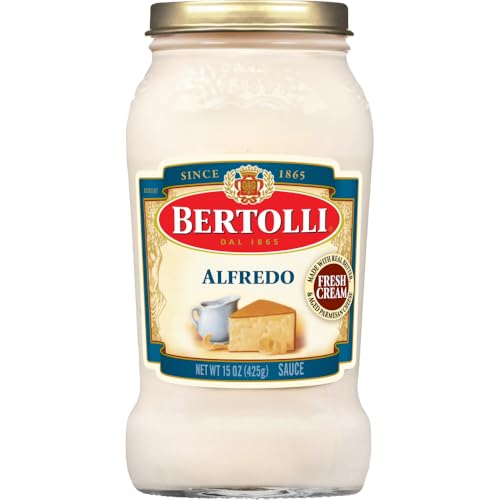
Bertolli Classic Alfredo Sauce with Aged Parmesan 15 oz

Ragu Classic Alfredo Sauce with Real Cheese 16 oz

Bertolli Alfredo Sauce with Garlic and Parmesan 15 oz
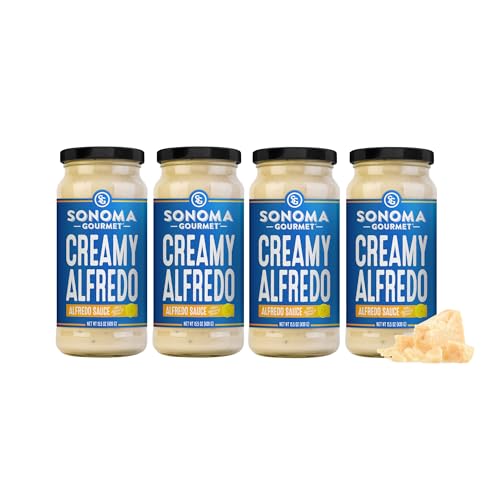
Sonoma Gourmet Creamy Alfredo Pasta Sauce 15.5 oz (Pack of 4)
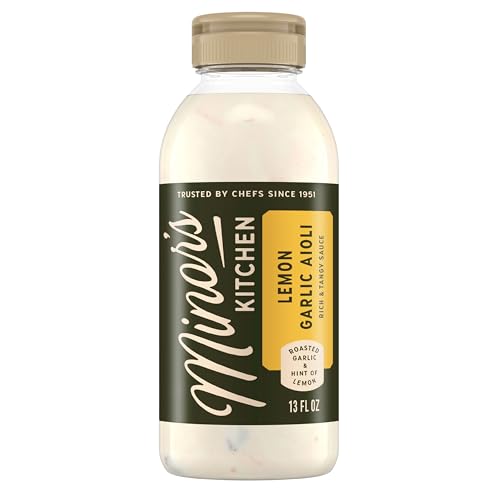
Minor’s Kitchen Lemon Garlic Aioli 13 oz

Minor’s Kitchen Spicy Chili Truffle Sauce 13 oz

Minor’s Kitchen Creamy Korean BBQ Sauce 13 oz

Minor’s Kitchen American Smokehouse Sweet and Spicy Sauce 13 oz
A Closer Look At Each Pick
Dry sauce mixes live in their own corner of the pantry aisle, and Knorr’s Alfredo packet has held that corner for years. Each 1.6 oz envelope whisked with milk and butter yields about 1.75 cups of sauce in roughly six minutes, which makes it a natural fit for a single-pan pasta night or a quick casserole base.
Where this format wins is shelf life and portion control. Apartment dwellers without much storage can tuck a flat of 24 packets into a single drawer and pull one out for lunch. The mix leans on Parmesan, basil, garlic, spinach, and parsley, and home cooks have used it as a shortcut base for lobster bisque and creamy vegetable bakes. Compared with the jarred sauces later in this list, the tradeoff is real dairy, which most cooks will need to add themselves for body and richness.
Practical Advantages
- Each packet makes roughly 1.75 cups of sauce, sized for a standard box of pasta.
- Cooks in about six minutes, ideal for tight weeknight windows.
- Pantry-stable format that sidesteps jar rotation and fridge crowding.
- Works as a base for non-pasta dishes like lobster bisque, cream soups, and casserole binders.
Things To Consider
- You supply the milk and butter, so final richness depends on what you stir in.
- Flavor skews lighter than a slow-cooked dairy sauce, which some palates will read as thin.
Key Specs
Who It Suits Best
Stockpilers, dorm cooks, and anyone who needs a flexible Alfredo base without a dedicated fridge shelf.
Consider Something Else When
Cooks who want a finished sauce straight from the jar will find Bertolli Classic Alfredo Sauce with Aged Parmesan a more convenient pour-and-heat option.
Bertolli’s classic jar sits in the middle of the Alfredo shelf for a reason. The ingredient list reads short: aged Parmesan, real butter, and fresh cream, with nothing extra padding the label. That restraint is the whole pitch, and it’s the kind of bottle you can keep on rotation for last-minute pasta.
Heating is simple and forgiving, which matters on a busy night. A gentle warm-up in a saucepan keeps the emulsion (the stable blend of fat and water that gives Alfredo its silky look) intact, while a hard boil can cause the dairy to break and turn the sauce grainy. The 15 oz size feeds a family of four with enough left over for a next-day bake. The catch is that this is a workhorse, not a showpiece, and Alfredo purists who want slow-simmered depth will likely find it a touch straightforward.
The Case For It
- Short ingredient list built around aged Parmesan, butter, and cream.
- 15 oz jar covers a standard pasta dinner for four with leftovers.
- Works as a base for Alfredo tortellini, primavera, and flatbread toppings.
- Holds up under gentle reheating when stirred back into hot pasta.
Trade Offs
- Less complex than a slow-simmered homemade sauce, so flavor depth is modest.
- High dairy content means leftovers only keep a few days refrigerated once opened.
Whose Shelf It Belongs On
Busy households and weeknight pasta cooks who want a familiar Alfredo they can pour, warm, and serve without extra steps.
Look Elsewhere When
Clean-label shoppers focused on ingredient sourcing will find Sonoma Gourmet Creamy Alfredo Pasta Sauce a better match for their priorities.
Ragu’s classic jar leans into the family-dinner end of the Alfredo category, where the goal is a mild, creamy sauce that lets other ingredients shine. The 16 oz bottle is a step up from the standard 15 oz, which helps when you’re cooking for a hungry table or stretching a meal into a casserole the next day.
The sauce combines cream with real Parmesan and Romano cheese, a blend that gives it a rounder, slightly sharper finish than a single-cheese Alfredo. For picky eaters, the mildness is the point, and you can punch it up with cracked pepper, lemon zest, or a handful of greens. The honest read is that the flavor profile skews simple, which works for kids and weeknight pasta but won’t impress anyone chasing complex restaurant-style Alfredo.
Benefits That Matter
- Real Parmesan and Romano cheeses provide a rounder cheese flavor than single-cheese sauces.
- 16 oz size covers generous portions or a next-day casserole.
- Mild profile plays well with broccoli, chicken, and kid-friendly additions.
- Affordable staple widely stocked in mainstream grocery aisles.
Points To Note
- Flavor is mild by design, so adventurous palates may want to add herbs or pepper.
- Lower Parmesan content than premium jars, which shows in the depth of the finish.
Feature Snapshot
Made For
Family cooks running a rotation of casseroles, baked ziti, and weeknight chicken Alfredo for mixed-age palates.
Skip It When
Cooks who want a more layered, aged-Parmesan-forward profile will get more from Bertolli Alfredo Sauce with Garlic and Parmesan.
The garlic-spin of Bertolli’s Alfredo is the jar most home cooks reach for when plain Alfredo starts to feel like a repeat offense. Aged Parmesan forms the base, and the added garlic brings a savory backbone that pairs naturally with grilled chicken, shrimp, and roasted vegetables. It’s the same 15 oz format as the classic, so swapping between the two in your cart is easy.
In a weeknight setting, this jar earns its keep by skipping the step of mincing and sautéing garlic separately. The sauce is creamy enough to coat fettuccine but robust enough to stand up to proteins with their own seasoning. The trade-off is that the garlic is fairly present, so anyone with a sensitive palate or a date-night dinner in mind may want to dial back rather than build on it.
Points In Its Favor
- Garlic-forward profile skips the mincing and sautéing step.
- 15 oz jar matches the classic Bertolli format for easy meal planning.
- Works across chicken, shrimp, and roasted vegetable preparations.
- Built on the same aged Parmesan base as the classic jar.
Honest Caveats
- Garlic level is noticeable, which may overpower delicate proteins like sole or scallops.
- Once opened, the jar should be used within a few days due to its dairy base.
Quick Facts
Best Suited To
Home cooks who want built-in garlic flavor and a sauce that holds its own against seasoned proteins.
Another Choice May Suit
Anyone planning a delicate seafood Alfredo will likely prefer the milder Ragu Classic Alfredo Sauce as a starting base.
Sonoma Gourmet sits at the cleaner end of the Alfredo shelf, where the label is short and the ingredient priorities are clear. The cream and aged Parmesan do the heavy lifting, with no sugar added, no seed oils, and no eggs in the formulation. For shoppers who read labels before they read prices, that focus is the main reason to pick this jar.
Cooking with it feels close to working with a from-scratch dairy sauce. The texture is rich, and the cheese flavor holds up when the sauce is reduced on a hot pan. The pack-of-four format makes sense for households that go through a jar a week, but it is a larger commitment than a single bottle. Compared to the Bertolli jars, you trade brand familiarity for ingredient transparency.
What Earns Its Place
- Real cream and aged Parmesan form the core of the recipe.
- No sugar added, no seed oils, and egg-free formulation.
- Pack of four suits regular Alfredo households and small dinner parties.
- Clean-label approach appeals to ingredient-conscious shoppers.
Potential Drawbacks
- Premium positioning typically costs more per ounce than mainstream jars.
- Refrigeration after opening and shorter shelf life once open require planning.
Core Details
Perfect Match For
Clean-label cooks, host-and-hostess menus, and anyone willing to pay a bit more for a short, readable ingredient list.
Where Another Pick Suits Better
Budget-focused shoppers who just need a serviceable Alfredo will find the Ragu Classic Alfredo Sauce a more economical pantry option.
Stepping outside the Alfredo jar, the Minor’s Kitchen lineup opens with a lemon garlic aioli that functions as a sauce, dip, or drizzle. The flavor profile sits in Mediterranean territory: roasted garlic with a citrus lift, designed to brighten rather than blanket the food underneath. It is not an Alfredo, but it earns a spot on this list because home cooks often reach for a creamy condiment to serve alongside pasta or grilled proteins.
The 13 oz squeeze bottle is sized for repeat use, and the bright profile works as a dip for pita and vegetables, a sauce for grilled fish, or a finishing dollop on a Mediterranean plate. The honest read is that this aioli is more of a complement than a substitute, so shoppers looking strictly for pasta sauce will be better served by the earlier jarred picks.
The Practical Payoff
- Bright lemon-garlic profile lifts grilled proteins and vegetables.
- Versatile format works as dip, drizzle, or sandwich spread.
- 13 oz bottle covers multiple meals and small gatherings.
A Few Limitations
- Not a traditional Alfredo, so it does not substitute for jarred pasta sauce.
- Citrus-forward flavor may clash with rich cream-based pasta dishes.
Right Fit For
Mediterranean-cooking households and anyone who wants a versatile creamy condiment to keep next to the Alfredo jar.
Swap It Out When
Cooks planning a classic pasta night will find Bertolli Alfredo Sauce with Garlic and Parmesan a more on-target option.
The Spicy Chili Truffle bottle is the boldest item in this roundup, built on Calabrian chiles, a touch of truffle, and a finishing hint of garlic and lemon. The heat shows up first, then the earthy truffle settles in, giving the sauce a layered finish that works as a drizzle over pasta, a finishing sauce for proteins, or a pizza topper.
Because the flavor runs hot and aromatic, a little goes a long way, and the 13 oz bottle tends to stretch across many meals when portioned carefully. The honest caveat is that this is a finishing sauce, not a base sauce, so substituting it for a traditional Alfredo will not deliver the same creamy, mild profile. Cooks chasing truffle flavor on a budget will appreciate what this bottle delivers for the format.
Standout Benefits
- Calabrian chiles paired with truffle create a layered, aromatic finish.
- Functions as drizzle, finishing sauce, or pizza topping.
- Bold flavor means a small portion covers a full plate.
Some Limits To Know
- Heat level may be too assertive for kitchens cooking for sensitive palates.
- Not a swap-in for a traditional creamy Alfredo base.
Feature Card
Who Should Grab It
Adventurous home cooks who want to layer truffle aroma and chili heat into pasta, pizza, or grilled vegetables.
Reach For A Different Pick When
Anyone planning a classic Alfredo with mild flavors will find Bertolli Classic Alfredo Sauce with Aged Parmesan a better starting point.
Minor’s Creamy Korean BBQ sauce lives in a different aisle from classic Alfredo, but it rounds out this list for shoppers who want one bottle that handles grilled proteins, rice bowls, and roasted vegetables. The build combines ginger and toasted sesame with a touch of sweet soy, and the creamy base keeps it from reading as a thin glaze.
As a finishing sauce for bulgogi-style beef or chicken thighs, it works straight from the bottle with a quick warm-up. On rice bowls, it doubles as a sauce and a dressing when thinned with a splash of rice vinegar. The trade-off is that the sweetness leans forward, so anyone avoiding added sugar will want to taste first before committing it to a savory stir-fry.
A Favorable Mix
- Ginger and toasted sesame give it a familiar Korean-inspired profile.
- Creamy texture works as a sauce, drizzle, or bowl base.
- 13 oz bottle covers multiple meals across the week.
Points To Watch
- Sweetness is noticeable, so a small taste test helps with savory applications.
- Distinctly different from a traditional Alfredo, so it does not double as a pasta sauce.
Built With In Mind
Grillers and bowl-builders who want a creamy, umami-rich sauce that travels well from kitchen to patio.
Where A Sibling Pick Shines
Cooks planning a creamy pasta night will be better served by Ragu Classic Alfredo Sauce, which is designed for that job.
The American Smokehouse bottle pulls from a few regional traditions at once, leaning on Carolina tang and Southern sweetness to build a versatile backyard BBQ sauce. The sweet-spicy balance is the main story, and the bottle is built to be passed around the table alongside ribs, pulled pork, or smoked chicken.
Outside the grill, the sauce makes a confident glaze on roasted vegetables and a flavorful stir-in for baked beans. The honest read is that sweetness is the dominant note, and anyone who prefers a dry-rub-forward profile will want to brush it on lightly rather than drown the protein. For cookouts and casual entertaining, it earns a spot in the rotation.
Notable Gains
- Carolina tang paired with Southern sweetness hits a balanced sweet-spicy profile.
- Works as a glaze, dipping sauce, or stir-in for beans and slaws.
- 13 oz bottle covers a typical backyard cookout.
What To Weigh
- Sweetness leads the flavor, so lighter brushing suits dry-rub lovers.
- Not designed as a pasta sauce, so it sits outside the Alfredo use case.
The Right Fit
Grillers and hosts building a backyard menu who want one sauce that can glaze, dip, and dress across multiple proteins.
A Better Fit Elsewhere
Anyone looking for a traditional cream-based pasta sauce will be better served by Bertolli Classic Alfredo Sauce with Aged Parmesan.
Choosing the Right Alfredo Sauce for Your Kitchen
Alfredo sits in a small category, but the differences between jars matter once you start cooking. The right pick depends on how often you cook it, who is at the table, and how much you care about the ingredient list on the back of the jar.
Cheese Quality and Real Dairy
The single biggest quality cue is whether the jar leans on real cheese and real cream or builds the body with thickeners and milk product. Sonoma Gourmet Creamy Alfredo and Bertolli Classic Alfredo both list aged Parmesan and cream near the top, which gives them a rounder, less starchy finish. Cheaper jars tend to cut cheese with Romano and rely on stabilizers (ingredients like starches and gums that keep emulsions from separating) to fake richness, which works fine in a casserole but flattens on a simple fettuccine.
Flavor Add-Ons and Protein Pairings
A plain Alfredo is a blank canvas, and the flavored jars on this list are designed to save a step. Bertolli’s garlic-Parmesan jar works best with chicken or shrimp, where the garlic echoes the seasoning you would add anyway. Ragu’s classic version is mild enough to play with broccoli and kid-friendly proteins, while Minor’s spicy chili truffle is a finishing sauce for cooks who want to layer heat and aroma at the table.
Pantry Format and Storage
Format is a quiet but real decision. Knorr’s dry mix packets are shelf-stable for months and ideal for small kitchens, while jarred sauces need refrigerator space and need to be used within a few days of opening. Pack sizes also matter: Sonoma’s pack of four works for regular cooks, and a single 15 oz jar is the right commitment for a household that only makes Alfredo once a month.
Key Considerations Across These Picks
Pitfalls Shoppers Hit
The most common mistake is reading “Alfredo” on the front and assuming the jars are interchangeable. The flavored and finishing sauces on this list, including the Minor’s Kitchen bottles, are designed for drizzling or complementing dishes, not for replacing a traditional creamy Alfredo base. Pairing matters: a lemon garlic aioli on a fettuccine will taste jarring next to a rich cream sauce, but it works beautifully on grilled fish or vegetables.
When Paying More Pays Off
The price gap between a basic jar and a clean-label option like Sonoma Gourmet comes down to ingredient sourcing and shorter formulations. If you cook Alfredo often, the upgrade typically shows up in how the sauce reduces on a hot pan and how well the cheese flavor holds up after reheating. For occasional cooks, the mainstream jars from Bertolli and Ragu deliver solid weeknight results at a friendlier cost, and the saved budget can go toward better pasta or fresh Parmesan to finish the plate.
Frequently Asked Questions
How long does jarred Alfredo sauce last after opening?
Once opened, jarred Alfredo sauce should be refrigerated and used within three to five days, since the dairy base has no preservatives to extend its life. Keep the lid sealed tight and reheat only the portion you plan to serve to limit temperature cycling.
Can Alfredo sauce be frozen for later use?
Cream-based Alfredo sauces do freeze, but the texture often turns slightly grainy when thawed because the dairy solids separate. For best results, freeze in small portions and reheat gently while whisking to bring the sauce back together.
What’s the best way to reheat Alfredo without breaking it?
Warm Alfredo over low heat and stir often, avoiding a hard boil. A splash of milk or cream helps loosen the sauce if it tightens up during reheating, and adding it to hot pasta rather than reheating it solo helps the sauce emulsify again.
How much Alfredo sauce do you need per pound of pasta?
Most cooks plan on about one cup of sauce per four ounces of dry pasta, which means a 15 oz jar covers roughly a one-pound box with a little left over. Hearty add-ins like chicken or vegetables can absorb extra sauce, so lean toward slightly more than less.
Are dry Alfredo mixes a good substitute for jarred sauce?
Dry mixes like Knorr’s packets work well when you want shelf-stable flexibility and don’t mind adding milk and butter yourself. The flavor is lighter than a jarred sauce, so they shine as a base for casseroles and cream soups rather than as a finishing pour over fettuccine.
