

A caprese salad lives or dies by its acid. Three ingredients, all the room in the world to show off, and a single bad drizzle can flatten the tomato or bully the mozzarella. Picking the right balsamic matters more than most home cooks realize. This lineup covers the full range, from syrupy aged bottles meant to be poured in tiny ribbons, to dense glazes ready to streak across a plate, to a clean white option that won’t muddy the look of a pale buffalo mozzarella. Every pick here is sourced from Modena, where the real stuff comes from, and each one earns its place for a different reason.
The Picks In Brief

Giusti 3 Gold Medals Balsamic Vinegar of Modena IGP

Due Vittorie Oro Gold Balsamic Vinegar of Modena IGP

FONDO MONTEBELLO Aged Balsamic Vinegar of Modena

FONDO MONTEBELLO Aged Balsamic Glaze

FONDO MONTEBELLO Balsamic Vinegar of Modena IGP
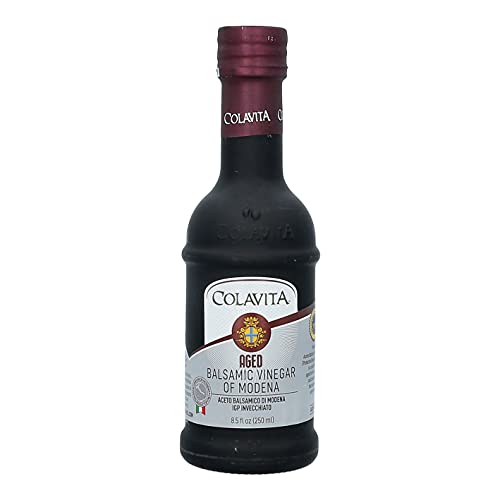
COLAVITA Aged Balsamic Vinegar

Colavita Balsamic Glaze
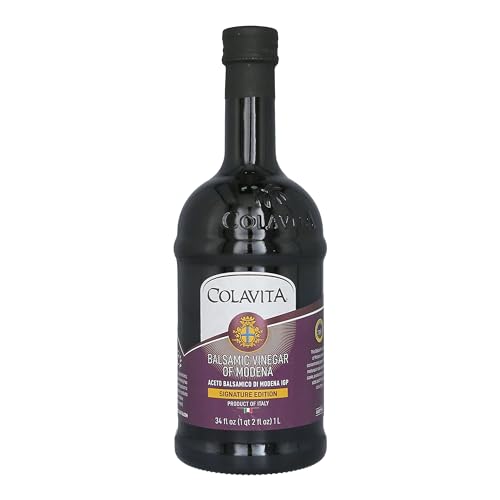
Colavita Balsamic Vinegar IGP
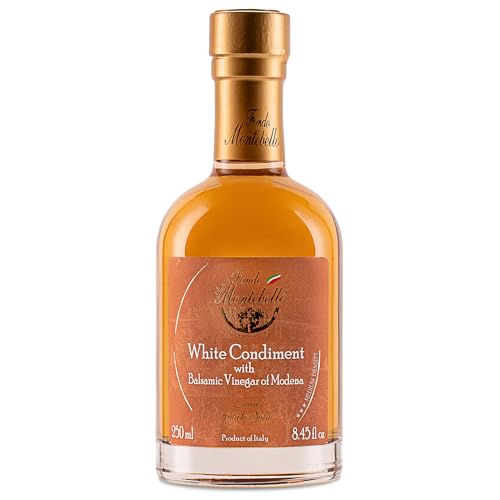
FONDO MONTEBELLO White Balsamic Vinegar of Modena
More On The Choices That Made The List
Giusti is the kind of bottle you reach for when the caprese is the whole show. It carries the IGP designation, a protected Italian certification confirming the vinegar was produced in Modena under traditional methods, and pours in a glossy, deep brown ribbon that clings to a spoon before letting go. The flavor lands on notes of plum jam, dried red fruit, honey, and a quiet hint of vanilla, with enough body to season tomatoes without thinning out the cheese.
You taste the maturity here. Compared to thinner grocery bottles, this one has weight and roundness, so a few drops is genuinely enough. The trade-off is that a single 8.45 fl oz bottle does not last long once a family gets used to it, and the price tag reflects the pedigree.
A Few Strong Suits
- IGP-certified Modena origin confirms regional authenticity and traditional production
- Thick, syrupy texture lets a small drizzle coat tomato and mozzarella without pooling on the plate
- Layered flavor profile of plum, red fruit, honey, and vanilla adds depth to plain caprese
- Glossy, dark presentation looks restaurant-grade when drizzled in thin lines
Things To Consider
- Smaller 8.45 fl oz format runs out fast for households that use balsamic daily
- Premium positioning costs more per ounce than mid-range alternatives like the Colavita picks below
Made For
Home cooks hosting dinner parties who want a single bottle that does the heavy flavor lifting on a caprese course.
Consider Something Else When
Shoppers who cook caprese every week and want a longer-lasting 33.8 oz format will get more mileage from the Colavita Balsamic Vinegar IGP.
Due Vittorie Oro Gold is the Italian best-seller for a reason. The vinegar starts as a reduction of Trebbiano and Lambrusco grapes, both traditional Modena varieties, then ages in barrels to develop that signature density. A natural acidity around 6% keeps the flavor smoother than many of the sharper commercial options, and the IGP seal on the label backs the regional claim.
For caprese, the texture is the story. The vinegar sits on a slice of tomato rather than running off, and a small pour carries real plum and fig character without going cloying. The pack-of-two format also means you keep one on the counter and one in storage, which suits a household that finishes a bottle in a month.
A Favorable Mix
- Smoother 6% acidity profile is easier on the palate than sharper commercial balsamics
- Trebbiano and Lambrusco grape base delivers authentic Modena fruit character
- Pack-of-two format means a backup bottle is always on hand
- Extra-dense body reduces the amount you need per plate
Points To Note
- All-natural ingredient list is appealing, but no single barrel-aging timeframe is specified on the listing
- Pack-of-two represents a higher upfront cost than single-bottle picks like the Giusti above
Key Product Details
Right Fit For
Caprese fans pairing aged or smoked mozzarella who want smoother acidity that won’t fight the cheese.
Look Elsewhere When
Shoppers who want a thicker, ready-to-drizzle glaze without reducing vinegar on the stove should reach for the FONDO MONTEBELLO Aged Balsamic Glaze.
FONDO MONTEBELLO’s aged version pulls in juniper and oak barrel notes that the standard release doesn’t lean into. The result is a sweet and tangy balance with a faintly resinous, almost herbal undertone, the kind of flavor that cuts through a fat slice of summer tomato without flattening the fruit. The 250 ml size matches what most people will finish in a couple of months of regular use.
Compared to the Giusti at the top of this list, this one reads as more rustic. The plum and red-fruit character is still there, but the juniper adds a savory edge that some caprese eaters love and others find unexpected. You may find it a touch less round than the Due Vittorie Oro Gold if you prefer softer acidity.
Where It Delivers
- Juniper and oak barrel aging brings a savory edge that complements ripe tomatoes
- Thick, syrupy body means a little product goes a long way on the plate
- Plum jam and vanilla notes add a subtle sweetness that pairs with fresh basil
- Modena origin and traditional aging reinforce authenticity
Honest Caveats
- Herbal juniper character isn’t everyone’s cup of tea, so first-timers may want to sample a smaller bottle first
- Bottle is glass, so storage near the stove or sink calls for a bit of care to avoid thermal shock or knocks
Who Should Grab It
Curious cooks who like their caprese to have a savory, layered twist rather than straight sweet-and-sour balance.
Another Choice May Suit
Shoppers who prefer a clean, smooth pour without herbal notes will find the Due Vittorie Oro Gold more approachable.
This is balsamic in its most convenient form: a pre-reduced, high-density glaze that pours like warm honey. FONDO MONTEBELLO has cooked the vinegar down for you, so the texture clings to the back of a spoon and lays down a clean ribbon across tomato slices without you having to simmer anything on the stove. The flavor stays in the same family as the aged vinegar above, just more concentrated and a touch sweeter.
For caprese, the appeal is speed. Open the bottle, streak the plate, done. The trade-off shows up in the ingredient list, since glazes typically add a small amount of sugar or thickener to keep the consistency stable in the bottle, and a 16.9 fl oz option exists for those who go through it faster.
Bright Spots
- Pre-reduced density means no stovetop simmering required before drizzling
- Sweet-tangy balance lands cleanly on caprese without an extra bottle of vinegar on the side
- Works equally well on grilled meats, roasted vegetables, and even vanilla ice cream
- Available in 8.45 fl oz and 16.9 fl oz formats to match household use
Points To Keep In Mind
- Sweetness runs higher than traditional balsamic, so it can clash with very tart tomatoes
- Squeezable bottle format is convenient, but plastic can stain from prolonged contact with the dark vinegar
Best Suited To
Busy home cooks who want a caprese to look plate-ready in under a minute without babysitting a reduction on the stove.
Skip It When
Cooks who prefer the drier, sharper profile of a true aged vinegar should keep the Giusti 3 Gold Medals on hand instead.
Where the aged FONDO MONTEBELLO leans on juniper and oak, this IGP version of theirs ages in chestnut, oak, and cherry wood barrels. The wood trio delivers a noticeably different aromatic: plum and black cherry on the front, sweet spices underneath, and a warm, almost woody finish. The texture is thick and creamy enough to use straight from the bottle.
This is the bottle for caprese nights where you want the vinegar to read as a real ingredient, not just acid. You may find the cherry wood note pulls the flavor toward a more dessert-leaning profile, so pairing with a very ripe, sweet tomato is the sweet spot. It is also where a buffalo mozzarella’s delicate tang can really sing.
Reasons It Performs
- Triple-wood barrel aging (chestnut, oak, cherry) creates a more layered wood-spice profile
- Plum, black cherry, and sweet spice notes bring complexity to a simple caprese
- Thick, creamy texture lets the vinegar sit on the tomato slice without sliding off
- IGP certification confirms Modena regional authenticity
Worth Noting
- Cherry wood note leans slightly sweet, which may not suit caprese built on very tart tomatoes
- Glass bottle is heavier than plastic alternatives and needs a stable spot in the pantry
Feature Snapshot
Who It Suits Best
Home cooks treating caprese as a feature course and looking for a vinegar with a layered, almost wine-like aromatic.
Reach For A Different Pick When
Cooks who want a sweet-and-sour crowd-pleaser without woody notes will find the COLAVITA Aged Balsamic Vinegar more straightforward.
Colavita’s aged balsamic is the bottle most American kitchens already know. It pours thinner than the syrupy Italian imports at the top of this list, which means it spreads quickly across a plate and disappears into vinaigrettes without a fight. The flavor is balanced rather than bold, leaning sweet with a quiet acidic snap at the end.
For caprese beginners, this is a low-risk starting point. It won’t fight a delicate mozzarella, and a few drops is enough to dress a slice of tomato. You may find the body too thin for the dramatic ribbon-style plating the Giusti or the FONDO MONTEBELLO glazes deliver.
Practical Advantages
- Balanced, approachable flavor works on caprese without overwhelming other ingredients
- Affordable positioning makes it an easy choice for a first bottle of aged balsamic
- Versatile enough for vinaigrettes, marinades, and roasted vegetables
- Widely available, which makes reordering simple
Trade Offs
- Thinner body means the vinegar runs more than drizzles, so a heavy hand can water down the plate
- Less aromatic complexity compared to the wood-aged picks above
Perfect Match For
Beginners building a pantry with one reliable bottle that covers caprese plus a dozen other weeknight uses.
Where A Sibling Pick Shines
Cooks chasing a more dramatic, plate-staining drizzle will find the FONDO MONTEBELLO Aged Balsamic Glaze a better match for that style.
Colavita’s glaze uses the same Modena-sourced vinegar as their larger bottle above, just pre-reduced to a thick, squeezable consistency. The plastic bottle is the practical move here, since you’ll be gripping and tilting it over plates rather than carefully pouring from glass. A 29.5 fl oz two-pack and 32 fl oz format are also listed for higher-volume kitchens.
The flavor lands sweet with a low tang, which means it works especially well with ripe summer tomatoes that already carry natural sugar. You may find the sweetness tipping toward dessert territory on a less ripe tomato, in which case a thinner traditional vinegar is the better fit.
Features That Help
- Plastic squeeze bottle makes plating faster and reduces the risk of shattered glass on the kitchen counter
- Multiple format options (8.5, 29.5, and 32 fl oz) match households of different sizes
- Sweet-tangy balance pairs well with ripe tomatoes and fresh basil
- Pre-reduced texture eliminates stovetop cooking time
Some Limits To Know
- Higher sweetness than traditional balsamic, which may not suit very tart tomatoes
- Squeezable plastic can discolor over time from contact with the dark vinegar
Whose Shelf It Belongs On
Entertainers plating caprese for guests who want a polished look without a stovetop reduction step.
A Better Fit Elsewhere
Cooks who want a less sweet, more savory caprese drizzle should reach for the Giusti 3 Gold Medals instead.
For households that use balsamic the way some use olive oil, this 33.8 oz format is the answer. Colavita ages it in wooden casks and uses a higher proportion of cooked grape must (the slow-cooked grape juice that gives balsamic its sweetness and body) to deliver a smoother, velvety texture even at the larger volume.
For caprese, the IGP certification gives this bottle the regional credentials of the Italian imports, while the larger size means you can pour freely without rationing drops. You may find the body a touch lighter than the smaller Giusti bottle, but the consistency is still sauce-friendly enough for a clean drizzle.
The Good Stuff
- 33.8 oz format suits households that cook caprese and other Italian dishes several times a week
- IGP certification confirms Modena origin and traditional production standards
- Higher cooked grape must content creates a smooth, velvety texture
- Wooden cask aging adds moderate complexity compared to unaged commercial balsamic
Worth Bearing In Mind
- Large format means the bottle can sit for months once opened, so flavor freshness depends on how quickly you use it
- Heavier glass bottle needs a secure spot in the pantry and a steady hand while pouring
Quick Technical Notes
Built With In Mind
Families and frequent entertainers who burn through a smaller bottle in a few weeks and want fewer reorders.
Swap It Out When
Solo cooks who only make caprese occasionally will leave a 33.8 oz bottle sitting too long and should pick the 8.45 fl oz COLAVITA Aged Balsamic instead.
White balsamic is the secret weapon for anyone plating caprese for a camera or a guest. FONDO MONTEBELLO blends grape must, wine vinegar, and traditional balsamic, then skips the long barrel aging that darkens the color. The result stays clear and transparent, so it seasons a plate without leaving brown streaks across pale buffalo mozzarella or white heirloom tomatoes.
The flavor is delicate, more floral than fruity, with a quiet sweet-and-sour finish. You may find it a touch thin compared to the aged balsamic on this list, so it works best as a finishing touch rather than a starring ingredient. The bottle is a thoughtful pick when the visual presentation matters as much as the taste.
Good Reasons To Consider
- Clear color preserves the visual contrast between white mozzarella and red tomato
- Delicate floral and sweet-sour balance enhances caprese without dominating it
- Works equally well on seafood and white meats, adding range beyond just caprese
- Modena production origin keeps it in the same family as the darker balsamics on this list
Trade-Offs To Consider
- Flavor is lighter than aged balsamic, so it reads as subtle on the plate
- Glass bottle is breakable and needs a stable storage spot away from the sink
Who Will Love This
Food stylists, photographers, and home cooks plating caprese for guests where the visual contrast matters.
Not Your Match When
Cooks who want bold, syrupy balsamic character should reach for the Giusti 3 Gold Medals instead.
What Matters Most When Choosing a Balsamic for Caprese
A caprese salad leaves no room for a vinegar that bullies the ingredients. The tomato, the mozzarella, the basil, and a drizzle of olive oil should each speak, and the balsamic is there to tie them together rather than compete for the spotlight. A few attributes matter more than the rest.
Acidity level matters more than price. A vinegar in the 5% to 7% acidity range typically delivers enough tang to season a tomato slice without making the cheese pucker. Higher acidity reads as harsh on delicate buffalo mozzarella, while lower acidity can come across as flat. The Due Vittorie Oro Gold at 6% is a useful reference point if you have a sensitive palate.
Texture changes how a caprese eats. Thin vinegars run across the plate and water down the tomato, while dense, syrupy bottles hold their shape and let you streak the plate like a restaurant. The glazes in this list, including the FONDO MONTEBELLO and Colavita glaze options, exist because the texture does real work in a finished plate.
IGP certification confirms a Modena origin. The protected designation requires the vinegar to be made in Modena from local grape must, with a defined production method. It’s the simplest way to filter out bottles that just look like balsamic but skip the regional tradition. The Giusti, Due Vittorie Oro Gold, and Colavita IGP picks all carry the label.
Wood aging adds character, but not every palate wants it. Oak, cherry, chestnut, and juniper each shift the flavor in a different direction. Cherry and oak tend to read warm and round, juniper brings a savory edge, and chestnut can feel mineral. If you have only ever had supermarket balsamic, start with a softer wood profile before jumping to the juniper-aged FONDO MONTEBELLO.
Color matters when the plate matters. A dark balsamic drizzled over a bright green basil leaf and a white mozzarella adds visual weight. A white balsamic keeps the contrast clean and lets the colors do the work. The white option at the bottom of this list is the right pick when the look of the plate is the point.
Things Worth Knowing Before You Buy
Common Buying Slip Ups in This Category
A bottle labeled “balsamic” can be almost anything on the shelf. Some products are little more than wine vinegar with caramel color and a splash of sugar, which works for a quick weeknight salad but falls flat on a caprese where the ingredients are bare. Filtering by IGP certification, as several picks on this list do, narrows the field to genuine Modena production.
A second trap is the thin syrup trap. Some bottles look glossy in the store but pour like water, and a heavy hand drowns the tomato rather than seasoning it. Reading the description for words like “thick,” “creamy,” or “aged in wood” usually signals more body.
A third mistake is buying a 33.8 oz format for a once-a-month caprese habit. Large bottles save money per ounce but only if you actually use the vinegar. A solo cook who makes caprese twice a month is better served by an 8.45 fl oz bottle, while a family that eats Italian food weekly can use the larger Colavita IGP with confidence.
Where The Extra Money Actually Goes
The jump from a $5 supermarket bottle to a $25 imported balsamic is not just about branding. Higher-tier bottles age longer in wood, use a higher proportion of cooked grape must, and skip the caramel color or thickener shortcuts that cheaper products rely on. The result is a vinegar that tastes layered rather than one-noted, and that holds its shape on a plate rather than running.
For caprese specifically, the upgrade often shows up in how little you need. A few drops of the Giusti 3 Gold Medals or the triple-wood-aged FONDO MONTEBELLO IGP goes further than a heavy pour of a thinner vinegar, so the cost per plate often works out close to a cheaper bottle. The real return shows up in the experience, though, and whether the caprese feels like a course or a chore.
Frequently Asked Questions
What’s the difference between balsamic vinegar and balsamic glaze for caprese?
A traditional balsamic vinegar is fermented and aged, with a flavor that runs tangy, sweet, and complex. A balsamic glaze is balsamic vinegar that’s been cooked down with a small amount of sugar or thickener to reach a syrupy, plate-ready consistency. For caprese, traditional vinegar gives you more flavor control, while a glaze gives you faster, more dramatic plating.
Does IGP certification matter when buying balsamic for caprese?
IGP, which stands for Indicazione Geografica Protetta, is a European protected designation confirming the vinegar was produced in Modena under traditional methods. It doesn’t guarantee a specific taste, but it does guarantee regional authenticity and a defined production standard, which keeps you clear of bottles that only look like balsamic.
Can I use balsamic glaze straight from the bottle on caprese?
Yes, a glaze is designed to be used straight. A thin streak across the tomato and mozzarella, finished with a basil leaf and a drizzle of olive oil, is the classic approach. A heavier pour can overwhelm the cheese, so a small squeeze is usually the right starting point.
How long does an opened bottle of balsamic vinegar stay good?
An opened bottle of traditional balsamic vinegar typically stays flavorful for one to three years if stored in a cool, dark place with the cap sealed. A balsamic glaze is best used within a few months of opening since the added sugar and reduced water content can shift over time. Glass bottles tend to preserve flavor longer than plastic.
Is white balsamic a good choice for caprese?
White balsamic works well for caprese when the visual presentation matters. The clear color keeps the contrast between red tomato and white mozzarella clean, and the lighter, more floral flavor doesn’t fight a delicate buffalo mozzarella. Darker aged balsamics still win on flavor depth, so the white option is a styling choice as much as a taste choice.
