

A great salad dressing starts with a great vinegar, and not all balsamics behave the same way once they hit the greens. Some bring mellow sweetness, others arrive with sharp tang or jammy depth that can take over a delicate mix. The picks below cover a range of styles, from a small organic apple-based option to a bulk 33.8 oz bottle for heavy weekly use, so you can match the bottle to the way you actually cook. Each one is sized for real kitchen habits, and the guide that follows explains what separates a weekday pour from a finishing drizzle.
Your Options, Compared

Ritrovo Selections Organic Balsamic Vinegar 6.78 fl. oz. (Apple)

Giusti 3 Gold Medals Balsamic Vinegar of Modena IGP (8.45 fl oz)

Due Vittorie Oro Gold Barrel Aged Balsamic Vinegar of Modena IGP (Pack of 2)
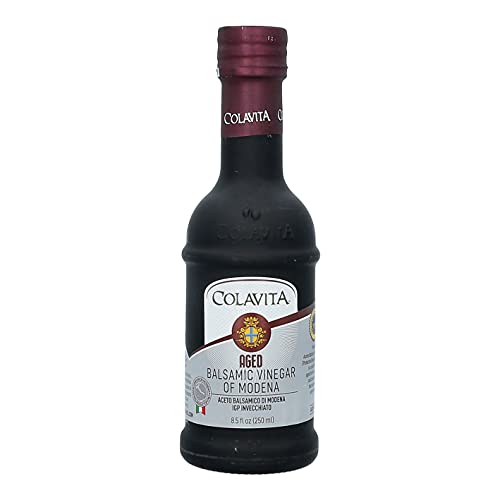
Colavita Aged Balsamic Vinegar (8.5 oz)

Colavita Balsamic Glaze (8.5 fl oz, Plastic Bottle)
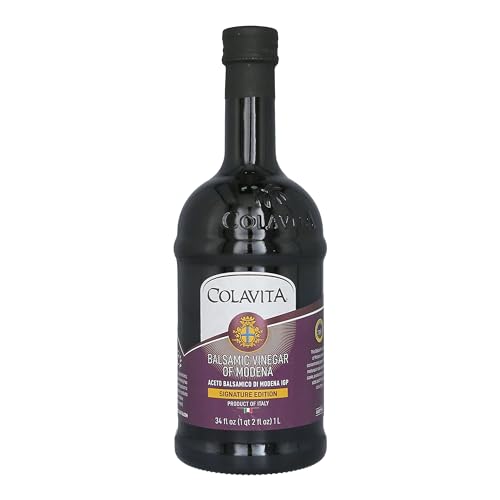
Colavita Balsamic Vinegar IGP (33.8 oz)

Dress It Up Sesame Tahini Salad Dressing (10 oz)
Why These Options Stand Out
Fruit-forward vinegars earn their spot in late-summer salads, and this Ritrovo bottle leans into that lane. It’s a 6.78 fl oz (200 ml) organic balsamic finished with apple, so the profile skews softer and rounder than a straight grape reduction. The pour is gentle, which makes it forgiving on delicate greens like butter lettuce or mâche where a sharper balsamic can feel aggressive.
Where it really lands is on fruit-forward plates: a spinach bowl with strawberries, a shaved fennel and pear salad, or even roasted sweet potatoes where the apple note amplifies the caramelization. If you mostly cook simple weeknight salads, this bottle is more of a specialty player than an everyday pour, so the small size makes sense.
Strengths Worth Knowing
- Apple finish pairs naturally with fruit and root vegetable salads, cutting the need for extra sweeteners in the dressing.
- Compact 6.78 fl oz size keeps it fresh through regular use before flavor dulls.
- Organic profile appeals to shoppers reading labels closely for sourcing.
- Lower-intensity pour feels balanced on delicate greens without masking other toppings.
Honest Caveats
- Smaller bottle means more frequent repurchasing for households that dress salads daily.
- Apple note can read as dessert-like for shoppers expecting a traditional grape balsamic.
- Less versatile for cooked reductions where a deeper, jammier profile usually performs better.
Who It Suits Best
Home cooks building seasonal fruit salads, cheese boards with apple pairings, or anyone who prefers a softer, sweeter balsamic character.
Look Elsewhere When
For a traditional aged Modena profile with jammy depth, the Giusti 3 Gold Medals offers a more classic pour.
Giusti is the kind of bottle that sits on the counter more than the pantry shelf. This 8.45 fl oz Modena IGP balsamic carries the three gold medals branding, and the pour is what you want when tomatoes are in season: a glossy, almost syrupy thread that lands on a caprese without flattening the mozzarella. The IGP designation is your shorthand for a regulated Modena origin, which gives some structure to what you’re pouring.
Compared to the apple-driven Ritrovo that opened the list, this is a different mood entirely. It’s a finishing balsamic first, meaning a small drizzle on a composed plate, with notes that lean toward plum and cooked grape. On a plain green salad, you’d want to cut it with oil and a touch of Dijon to keep it from overpowering, since the density wants to lead rather than blend.
Bright Spots
- Thick, glossy texture works as a finishing drizzle without needing reduction on the stove.
- Modena IGP origin offers a documented production standard for shoppers who care about provenance.
- Multi-pack availability (packs of 1, 2, and 4) helps if you go through it quickly or want to gift a bottle.
Points To Keep In Mind
- Higher density means a small bottle goes further but also makes accidental overpour easy on vinaigrettes.
- Premium positioning pushes the cost per ounce above everyday options, so heavy daily cooks may want a working bottle and this as the special one.
Made For
Caprese plates, strawberry and tomato salads, and cooks who want one bottle dedicated to finishing rather than mixing.
Swap It Out When
For big-batch vinaigrettes where you want value-priced volume, the Colavita Balsamic Vinegar IGP (33.8 oz) is a more practical workhorse.
The Due Vittorie Oro Gold comes in a pack of two 8.45 fl oz bottles, which is a clue about how it’s meant to be used. This is a barrel-aged Modena IGP balsamic with extra density, and the second bottle is essentially your insurance against running out mid-recipe. If you split one between the pantry and the dining room table, the second never feels wasteful.
On a warm grain salad with farro, roasted peppers, and torn basil, this balsamic holds its own against oil and citrus without disappearing. Compared to the lighter, more aromatic Giusti from earlier, the Oro Gold has a deeper, more concentrated sweetness, so it can carry heavier vegetables like grilled radicchio or sweet potato cubes where a thinner vinegar would get lost.
Notable Gains
- Pack-of-two format reduces the chance of finishing a prized bottle before guests arrive.
- Extra-dense body holds up in composed salads with roasted vegetables or grains.
- IGP Modena certification anchors the bottle in a regulated production category.
Practical Considerations
- Higher density means the second bottle can sit a while once opened, so storage in a cool, dark cabinet helps preserve flavor.
- Pack-of-two format may be more than casual cooks actually need in a reasonable window.
Best Suited To
Home cooks building hearty salads with roasted vegetables or grains who want enough supply to last a full season of cooking.
Reach For A Different Pick When
For a tighter, single-bottle starter in the same Modena IGP family, the Colavita Balsamic Vinegar IGP (33.8 oz) gives more flexibility per dollar.
Colavita’s 8.5 oz aged balsamic is the bottle most people reach for without thinking. It carries enough wood-aged character to behave well in a vinaigrette, yet it isn’t so dense that you feel stingy pouring it. The size is friendly for a couple or a small household where salad happens a few times a week, not nightly.
What separates it from the more premium Due Vittorie Oro Gold and the fruit-leaning Ritrovo from earlier is its middle-of-the-road profile. It plays nicely with almost any green, accepts a hit of maple syrup in a winter dressing, and won’t argue with a sharp pecorino. The aged character shows up mostly as a soft roundness, not as a sharp, wine-like edge, which is what you want in a daily driver.
What Makes Sense
- Versatile pour handles vinaigrettes, marinades, and pan glazes without needing recipe adjustments.
- Modest 8.5 oz size keeps a single bottle in regular rotation, which helps preserve flavor over time.
- Aged profile adds depth without the heavier price tag of a top-tier Modena.
Small Caveats
- Smaller bottle runs out faster for big households that dress several salads a week.
- Some shoppers find it less expressive than single-origin Modenas for finishing plates.
Key Features
Right Fit For
Couples and small families who want one reliable balsamic for daily salads, marinades, and the occasional pan reduction.
Not Your Match When
For a thick, ready-to-pour drizzle that skips the mixing step, the Colavita Balsamic Glaze is the easier finishing option.
A balsamic glaze is balsamic vinegar that’s been cooked down with a touch of sweetener until it coats the back of a spoon, and this Colavita bottle skips that step for you. The 8.5 fl oz plastic squeeze format is the giveaway: it’s built for direct plate work, not stovetop reduction. If you’ve ever tried to recreate a thick drizzle on a caprese and ended up with a watery mess, this bottle exists to solve that exact problem.
On a composed salad of arugula, sliced pear, walnuts, and shaved parmesan, the glaze lands in clean ribbons rather than puddling at the bottom. The plastic bottle is lighter than glass, which matters if you carry a plated lunch, but it also means you’ll want to keep it out of prolonged direct sunlight. Compare this to the Colavita Aged Balsamic Vinegar reviewed earlier: that one is your mixing base, while this glaze is the finishing touch.
Positive Points
- Pre-reduced texture saves stovetop time and avoids the usual overcooking risk.
- Squeeze bottle format gives more control over portioning than a pour spout.
- Plastic construction keeps the bottle light for packed lunches and picnics.
- Works as a quick plate finisher for both savory and sweet dishes.
Trade-Offs To Consider
- Plastic bottle may not suit shoppers who prefer glass for long-term pantry storage.
- Pre-sweetened profile means less control over sugar content in your dressing.
- Not a substitute for a working balsamic when building a vinaigrette from scratch.
Feature Snapshot
Whose Shelf It Belongs On
Busy home cooks who plate composed salads often enough that mixing reductions from scratch feels like extra work.
Consider Something Else When
For a more traditional vinegar that lets you build your own dressing, the Colavita Aged Balsamic Vinegar is the better foundation.
This is the bottle for people who actually cook. The 33.8 oz Colavita IGP Modena carries the same regulated origin as the smaller Colavita aged bottle but in a much bigger format, and it’s aged in wooden casks for a more layered profile. If your household goes through vinaigrette by the quart, the math on this format works out cleaner than constantly replacing 8 oz bottles.
The trade-off is real, though. Once opened, a 33.8 oz bottle sits around longer, and balsamic does slowly lose vibrancy with air exposure. Most owners pour into a smaller cruet for daily use and keep the big bottle sealed in a cool cabinet. On a grilled steak salad with charred corn and shaved red onion, this bottle handles the acid without disappearing behind the smoke, which a thinner vinegar would.
What Stands Out
- Large 33.8 oz format lowers the cost per ounce for heavy weekly use.
- IGP Modena certification confirms a regulated Italian origin standard.
- Wooden cask aging adds depth that holds up against grilled or roasted ingredients.
Factors To Consider
- Bigger bottle means slower turnover, so decanting into a smaller cruet for daily use is widely recommended to preserve flavor.
- Bulk format may be more than a single-person or occasional cook realistically uses before flavor fades.
Quick Facts
Who Should Grab It
Families and frequent home cooks who dress salads several times a week and want one dependable IGP Modena to lean on.
Where Another Pick Suits Better
For a single-bottle starter in a smaller kitchen, the Colavita Aged Balsamic Vinegar (8.5 oz) keeps things simpler.
The Dress It Up Sesame Tahini isn’t a balsamic vinegar itself, but it earns its spot on a balsamic-friendly list because it’s a ready-to-pour salad dressing that uses vinegar in its base. At 10 fl oz, it sits in a narrow 4 x 2 x 2 inch bottle that fits a refrigerator door without crowding, and the sesame-tahini profile brings a savory, nutty counterweight that balsamic alone can’t deliver.
On a Mediterranean-style chopped salad with cucumber, tomato, chickpeas, and feta, this dressing rounds out the plate without needing additional oil or acid. The honest read is that it’s a different product category from the vinegars above, so it works best as a complement to, not a replacement for, a working bottle of balsamic. If you regularly build Mediterranean grain bowls, the format saves real weeknight time.
Well-Handled Touches
- Compact 4 x 2 x 2 inch bottle fits easily in a refrigerator door.
- Tahini and sesame notes add savory depth that pure balsamic-based dressings lack.
- Ready-to-pour format removes the measuring and whisking step before dinner.
Points To Note
- Not a balsamic vinegar, so it doesn’t replace the core bottles in this list for vinaigrette mixing.
- Sesame-forward profile pairs less naturally with Italian-style salads where you want the balsamic to lead.
Key Attributes
Perfect Match For
Mediterranean grain bowl fans and meal preppers who want a fast, savory dressing alongside their working balsamic.
A Better Fit Elsewhere
For a true balsamic-led Italian salad experience, the Giusti 3 Gold Medals stays closer to the flavor direction most people picture.
How To Match A Balsamic To The Way You Actually Eat Salads
The best balsamic for your kitchen depends less on prestige and more on what you’re pouring it onto. Finishing vinegars, the kind that sit in a cruet and get drizzled over composed plates, want higher density, brighter Modena character, and a smaller bottle that you cycle through quickly. Working vinegars, the ones you whisk into a vinaigrette every Tuesday, want a more moderate density that blends with oil without needing sweetener added separately.
Think about texture first. A syrupy, jammy balsamic is a finishing tool and behaves poorly when mixed into a thin dressing, because the oil separates faster. A more medium-bodied aged balsamic accepts an emulsified vinaigrette cleanly. If your salads tend toward the latter, an everyday 8 to 8.5 oz bottle like the Colavita Aged tends to hit the right balance, while a thick glaze or dense Modena IGP is the move when you’re plating.
Size matters more than people expect. Big bottles cost less per ounce but lose vibrancy the longer they sit. Most home cooks do well with one 8 to 8.5 oz daily bottle and, optionally, one specialty bottle for finishing. If you cook for a crowd or build weekly meal prep, the 33.8 oz Colavita IGP makes more sense than constantly replacing small bottles.
Finally, decide whether you want a traditional grape balsamic or a flavored pour. The Ritrovo apple option brings fruit-forward sweetness that pairs with late-summer produce, while standard Modena profiles stay neutral enough for any season. Buying two smaller bottles, one neutral and one flavored, is often a better move than one large bottle that tries to do both jobs.
Quick Notes For Anyone Comparing These Bottles
Mistakes Worth Dodging
The most common error is buying a finishing balsamic with the plan to mix it into vinaigrettes. Dense, syrupy vinegars break emulsions faster because they lack the water content a lighter vinegar has. Reach for a denser bottle when you’re drizzling, and a more moderate bottle when you’re whisking. The other trap is opening a 33.8 oz bottle and pouring from it every day. The repeated air exposure dulls the flavor within weeks, so decanting into a small cruet and resealing the main bottle keeps both working.
Don’t confuse price per bottle with price per use, either. A premium 8.45 fl oz bottle used sparingly can outlast a cheaper 16 oz bottle poured freely, so the real cost is in how many salads it covers, not what the shelf sticker says.
What Separates Premium From Basic
Premium Modena IGP bottles earn their position through origin certification, longer cask aging, and stricter grape must content. That aging is what gives the Giusti 3 Gold Medals and the Due Vittorie Oro Gold their deeper, jammy sweetness without added sugar. Basic balsamic vinegars are still solid products, but they usually lean sharper and thinner, so they shine in vinaigrettes where you’re building flavor with oil, mustard, and seasonings anyway.
The upgrade is worth paying for when you want one bottle to lead a plate on its own. For everyday dressings where balsamic is one note among many, a working bottle like the Colavita Aged or the larger 33.8 oz IGP gives you the same category without the premium.
Frequently Asked Questions
What’s the difference between balsamic vinegar and balsamic glaze?
Balsamic vinegar is the liquid base. Balsamic glaze is that vinegar cooked down with a sweetener until it’s thick enough to coat a spoon, which is why a glaze like the Colavita squeeze bottle pours in ribbons rather than droplets.
Is IGP Modena worth the higher cost?
IGP (Indicazione Geografica Protetta) confirms the vinegar comes from Modena, Italy under regulated production standards. It’s a useful quality signal if you care about origin, though everyday aged balsamics can still perform well in vinaigrettes.
How long does an opened bottle of balsamic stay good?
Most opened bottles hold their character for one to three years stored in a cool, dark cabinet, but flavor dulls gradually. Smaller bottles and frequent use are your friend if you want consistent taste.
Can I use balsamic vinegar on salads without oil?
You can, though the flavor will read sharper. A small drizzle of oil, a pinch of salt, and a touch of mustard helps the vinegar coat the greens and rounds out the acid.
Which balsamic works best for a caprese salad?
A thick, syrupy Modena with deep cooked-grape notes, like the Giusti 3 Gold Medals, is a strong match because it complements ripe tomatoes without needing reduction.
