

A good balsamic vinaigrette does more than coat lettuce. It pulls together a grain bowl, rescues a plate of roasted vegetables, and turns a basic sandwich into something that actually tastes intentional. The catch is that supermarket shelves are crowded with bottles that all promise tangy depth and end up tasting like flat sweet-and-sour. Pulling a few standouts from the noise matters more than the brand on the label.
The five bottles below cover the bases most home cooks actually need: a sweet-leaning bulk option, a dependable restaurant-style Italian, a true balsamic for vinaigrette purists, a creamy Caesar for when you want richness, and a Parmesan ranch for dipping. Pick the one that matches how you cook, and ignore the rest.
The Picks In Brief

Chef Tim’s Sweet Balsamic Vinaigrette 32 oz Pack of 2

Olive Garden Signature Italian Dressing, 16 fl. oz.
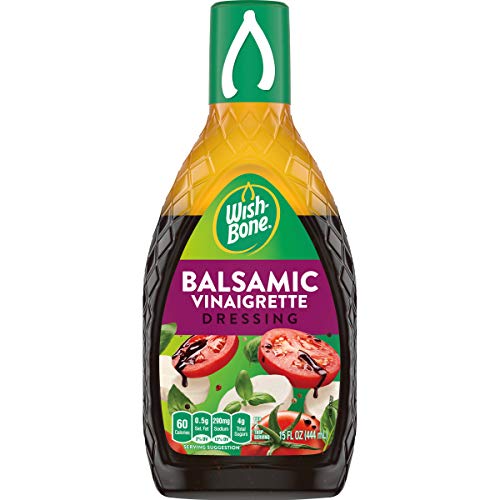
Wish-Bone Balsamic Vinaigrette Salad Dressing, 15 fl. oz.

Olive Garden Classic Caesar Dressing, 16 fl. oz.

Olive Garden Parmesan Ranch Dressing & Dip, 16 fl. oz.
More Details On Our Top Picks
This is the bottle you reach for when one salad a week isn’t going to cut it. Two 32-ounce containers give a household serious mileage, and the formula leans sweet rather than sharp, which is exactly what most weeknight salad eaters prefer.
The ingredient list stays short, built around olive oil and aged balsamic vinegar of Modena (the Italian-style balsamic aged in wooden barrels, which gives it that mellow sweetness). It also pulls double duty as a marinade, which matters when one product has to do many jobs in a busy kitchen.
What Earns Its Place
- Generous two-bottle format keeps you stocked through months of regular use.
- Sweet-leaning profile flatters basic greens without needing extra seasoning.
- Functions as both a dressing and a marinade for chicken, fish, or vegetables.
- Olive oil base instead of cheaper seed oils, which matters if you read labels.
- Short ingredient list appeals to shoppers avoiding long additive panels.
Things To Consider
- The sweetness is front and center, so it won’t suit anyone craving a sharp, peppery finish.
- Two large bottles take up meaningful fridge space once opened.
Key Specs
Who Will Love This
Large households and weekly meal-preppers who want one bottle to handle salads and marinades without constant repurchasing.
Look Elsewhere When
Wish-Bone Balsamic Vinaigrette fits better for shoppers who want a sharper, more peppery vinaigrette in a smaller bottle.
This is the bottle people buy because they already know the flavor. It leans toward the Italian restaurant experience rather than a sharp vinaigrette, so it covers salads, pasta sides, and drizzling on caprese without missing a beat.
The 16-ounce size is a manageable middle ground, smaller than Chef Tim’s bulk jugs but enough to last a few weeks. The dressing avoids high fructose corn syrup and artificial flavors, which addresses the main reason some shoppers avoid bottled dressings in the first place.
Reasons It Performs
- Built around Italian spices, oil, and vinegar for a recognizable restaurant-style profile.
- Works across salads, pasta salads, and as a sandwich drizzle.
- Cleaner formula without high fructose corn syrup or artificial flavors.
- Single 16-ounce bottle is approachable for one- or two-person households.
Worth Noting
- It is an Italian-style dressing, not a balsamic vinaigrette, so flavor expectations need to match the bottle.
- You may find the seasoning leans saltier than homemade versions, especially on delicate greens.
Best Suited To
Casual home cooks who want a familiar, restaurant-style Italian flavor for everyday salads and pasta sides.
Consider Something Else When
Chef Tim’s Sweet Balsamic Vinaigrette suits shoppers who specifically want a true balsamic profile in a larger format.
Wish-Bone’s balsamic vinaigrette is the bottle that delivers exactly what its name promises, without swinging too sweet or too sharp. It is the workhorse option in this list and pairs naturally with the more indulgent choices later on.
Built around balsamic vinegar, a herb blend with cracked black pepper, and extra virgin olive oil, it lands firmly in the everyday vinaigrette category. No high fructose corn syrup or artificial flavors show up in the formula, which keeps it competitive against more boutique labels.
Why It Works Well
- Balanced balsamic profile suits both simple greens and grain bowls.
- Cracked black pepper adds a gentle bite that lifts roasted vegetables.
- Extra virgin olive oil base supports a cleaner ingredient story.
- Functions equally well as a marinade for chicken or shrimp.
Points To Keep In Mind
- The 15-ounce bottle runs out faster than larger bulk options like Chef Tim’s, so frequent users repurchase often.
- The herb and pepper notes are restrained, which may leave spice lovers wanting more.
Feature Snapshot
Perfect Match For
Everyday vinaigrette drinkers who want a balanced, peppery bottle that handles both salads and quick marinades.
Swap It Out When
Olive Garden Signature Italian Dressing is a better fit for those wanting a softer, herb-forward Italian flavor instead of a true balsamic.
Stepping away from vinaigrettes for a moment, this Caesar earns its place because creamy dressings round out a fridge the way olive oil finishes a pan. It comes loaded with real parmesan cheese, red wine vinegar, and lemon, the trio that gives a Caesar its backbone.
It is more than a salad topper. The formula pulls cleanly into a chicken marinade, a sandwich spread, or a dip for roasted potatoes, which makes it a flexible second bottle alongside the balsamic options earlier on the list.
Practical Pluses
- Real parmesan cheese gives the dressing noticeable savory depth.
- Lemon and red wine vinegar add the bright acidity a Caesar needs.
- Multi-purpose format works as a marinade, spread, or dip beyond salad duty.
- No high fructose corn syrup, artificial flavors, or artificial colors.
Honest Caveats
- Creamy dressings separate faster than vinaigrettes once they sit, so a quick shake before pouring is part of the routine.
- The parmesan profile is pronounced, which can overwhelm delicate greens if you are not generous with mix-ins.
- Not a true balsamic vinaigrette, so it complements rather than replaces picks 1 and 3.
Right Fit For
Caesar salad loyalists and home cooks who want one creamy dressing to cover marinades, sandwiches, and dipping.
Where Another Pick Suits Better
Wish-Bone Balsamic Vinaigrette is the right call when you specifically want a lighter, vinaigrette-style bottle for daily salads.
This is the bottle you keep in the door shelf for wings, pizza slices, and trays of raw vegetables. It thickens up like a dip rather than a pourable dressing, which is the main reason it earned a spot on a list that started with vinaigrettes.
The base uses real parmesan cheese alongside the ranch herbs, so the flavor leans savory and cheesy rather than purely herby. It holds up well to sturdy dippers like chicken tenders and breadsticks without thinning out the way standard ranch tends to.
A Strong Showing
- Thick, dip-friendly consistency that clings to wings, pizza, and vegetables.
- Real parmesan adds a savory, cheesy note that distinguishes it from standard ranch.
- No high fructose corn syrup, artificial flavors, or artificial colors.
- Works as both a dressing and a dip, reducing the number of bottles you need open.
Trade Offs
- The thickness can be too heavy on a simple green salad, so it plays a supporting role rather than a daily dressing.
- Cheese-forward flavor limits pairing with delicate foods like poached fish.
At A Glance
Built With In Mind
Entertainers and casual snackers who want a thick, cheesy ranch that handles wings, pizza, and vegetable trays.
Reach For A Different Pick When
Olive Garden Classic Caesar Dressing is a better match for shoppers who want a creamy dressing that still works on a tossed salad.
What Matters When Choosing a Bottled Dressing
The first thing worth deciding is whether you want a true vinaigrette or a creamy option. Vinaigrettes use oil and vinegar as the base, so they taste brighter and pour thinner, which makes them the natural partner for green salads and grain bowls. Creamy dressings rely on dairy or cheese and lean toward richer, heavier meals, sandwiches, and dipping. Mixing one of each in the fridge covers most weeknight cooking without much overlap.
Next, look at the oil. Olive oil and extra virgin olive oil give a cleaner, slightly peppery base. Cheaper seed oils like soybean or canola are common in mass-market dressings and are fine, but they mute the flavor. If you are picky about cooking oils, a short ingredient list that names olive oil is worth the small premium.
Sweetness level is more personal than people admit. Some bottles lean sweet because of added sugar or honey, while others stay sharp with balsamic tang and cracked pepper. The sweet end of the spectrum flatters kids and casual salad eaters. The sharper end rewards anyone who likes vinaigrette that fights back a little.
Finally, check for high fructose corn syrup and artificial colors. They show up in plenty of mainstream dressings, and avoiding them is often the single biggest reason shoppers swap a familiar bottle for something else. A short, recognizable ingredient list usually means a more honest product, and the picks above all clear that bar.
Smart Considerations Across These Picks
Common Shopping Slip Ups
The most common misstep is grabbing a bottle purely because the label says “balsamic” without checking what kind. Some so-called balsamic dressings lean almost entirely on sugar and caramel color, with barely a trace of real balsamic vinegar. Reading the ingredient list, especially the first three items, tells you more than the front of the bottle ever will.
Where The Extra Money Goes
Higher-tier bottled dressings usually spend the extra cost on better oil, real cheese, or genuine aged balsamic rather than on flavor shortcuts. The payoff shows up in how the dressing holds up on a plate: a clean olive oil base carries flavor without leaving a slick, while real parmesan delivers the savory note you actually want from a Caesar. The upgrade is worth it for anyone who keeps a bottle open most weeks, but for occasional use, a mid-range option does the job.
Frequently Asked Questions
How long does an opened bottle of balsamic vinaigrette stay fresh?
Most opened balsamic vinaigrettes keep well in the refrigerator for about one to three months, though you should always trust your nose and eyes first. Creamy dressings like Caesar or Parmesan ranch generally have a shorter window and benefit from a tighter seal between uses.
Can balsamic vinaigrette be used as a marinade?
Yes, balsamic vinaigrette works well as a marinade for chicken, pork, shrimp, and firm vegetables. The acid helps tenderize while the oil carries flavor, though you should avoid leaving delicate proteins in the marinade for more than 30 minutes to prevent the acid from changing the texture.
Is balsamic vinaigrette gluten free?
Most balsamic vinaigrettes are naturally gluten free because the core ingredients are vinegar, oil, and seasonings. That said, it is always worth checking the label for any added thickeners, soy, or flavorings that may contain gluten.
What is the difference between balsamic vinegar and balsamic vinaigrette?
Balsamic vinegar is the aged Italian condiment on its own, intense and syrupy. Balsamic vinaigrette blends that vinegar with oil, seasonings, and sometimes a touch of sweetener to make a ready-to-pour salad dressing.
Can creamy dressings like Caesar be frozen for later use?
Freezing creamy dressings is generally not recommended because dairy-based sauces tend to separate and turn grainy once thawed. Vinaigrettes handle the freezer better, though you may notice slight texture changes after defrosting.
