

A great balsamic glaze pulls double duty in the kitchen. It finishes a caprese with a sweet tang, glosses grilled peaches, and turns roasted veggies into the kind of side dish people ask about. The catch is that bottles vary wildly, from delicate white condiments to thick, syrupy reductions built for dramatic plating.
This roundup looks at nine options worth knowing about, mixing traditional aged vinegars from Modena, ready-to-use glazes, organic picks, and a few white balsamic choices for cooks who want a lighter touch. Use it to find the bottle that matches how you actually cook.
The Leading Options At A Glance

Ritrovo Selections Organic Turmeric Balsamic Vinegar 6.78 fl. oz.

Colavita White Balsamic Vinegar, 17 Fl Oz (Pack of 6)

Nonna Pia’s Classic Balsamic Glaze IGP Certified 8.45 oz (Pack of 2)

Fondo Montebello Aged Balsamic Vinegar of Modena 8.45 fl. oz.

Fondo Montebello Aged Balsamic Glaze 8.45 fl. oz.

Colavita Balsamic Glaze 8.5 fl. oz. Plastic Bottle
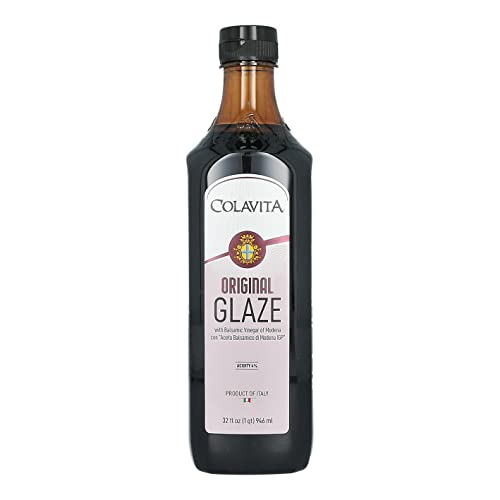
Colavita Balsamic Glaze 32 fl. oz. Bulk Bottle

Colavita Organic Balsamic Vinegar Squeeze Bottle 8.5 oz
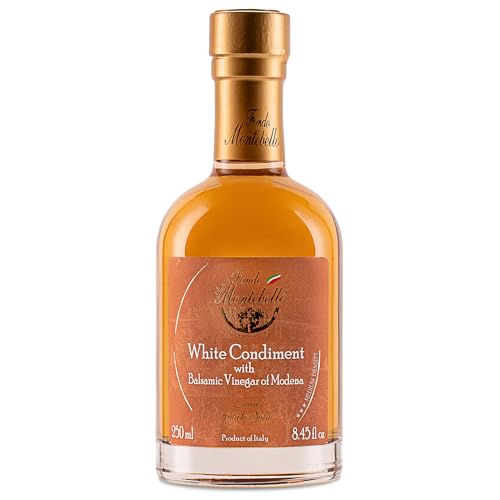
Fondo Montebello White Balsamic Vinegar of Modena 8.45 fl. oz.
Meet The Standout Selections
This Ritrovo Selections bottle breaks the standard balsamic mold. Rather than the usual dark reduction, it layers oak barrel aged vinegar with organic turmeric extract, a combination that gives every drizzle a faint golden tint and a subtle earthy edge.
The 200 ml format works well for curious cooks who want to experiment without committing to a full-size bottle. USDA organic certification means both the grape must and the turmeric meet strict growing standards, and the flavor lands in a sweet zone with a mild bitter finish.
Where It Excels
- USDA certified organic, covering both grape must and turmeric sourcing
- Oak barrel aging adds depth that plain supermarket vinegars lack
- Small 200 ml size suits adventurous tasters who rotate flavors often
- Works beyond salads, including ceviche, fish, and even cocktail mixers
Small Caveats
- The turmeric note can read as unfamiliar to anyone expecting classic balsamic
- Smaller format means frequent replacement for heavy daily users
Whose Shelf It Belongs On
Cooks who build meals around whole ingredients and want a glaze with a distinct personality rather than a quiet all-purpose one.
Look Elsewhere When
You want a thick, ready-to-drizzle syrup, in which case the Fondo Montebello Aged Balsamic Glaze offers a more traditional finish.
White balsamic sits apart from its darker cousin. It skips the long barrel aging that creates that familiar brown color, so it stays pale and clear while keeping a softer, fruitier character. Colavita imports this version from Italy and offers it in a six-bottle case, which is unusual for a pantry item.
The pack format targets households or small businesses that go through vinegar steadily. The 6% acidity gives it enough backbone for vinaigrettes without overwhelming delicate proteins like poached chicken or white fish.
Practical Advantages
- Imported from Italy for cooks who value origin labeling
- Clear color preserves the visual integrity of pale salads and seafood
- Multi-bottle pack keeps pantries stocked for months at a time
Trade Offs
- Lacks the deep, caramelized notes of aged dark balsamic
- Bulk sizing takes up shelf space and may not suit small kitchens
Key Product Details
Right Fit For
Busy households and small catering operations that need a reliable imported vinegar without reordering constantly.
A Better Fit Elsewhere
If you want a single decorative bottle rather than six, the Colavita Organic Balsamic Vinegar Squeeze Bottle 8.5 oz is easier to fit in a smaller fridge door.
Nonna Pia’s positions itself around one specific credential: IGP certification. That stamp, Indicazione Geografica Protetta, means the balsamic vinegar of Modena inside follows regulated production methods tied to the Modena region in Italy. For cooks who care about provenance, that alone sets this glaze apart from generic supermarket alternatives.
Available in 8.45 fl. oz. bottles, sold as a two-pack, the glaze comes ready to drizzle. The thick, velvety texture clings to roasted vegetables, grilled chicken, or even a wedge of ripe melon. The two-bottle format works well for households that want a backup ready in the pantry.
What Stands Out
- IGP certification offers a level of authenticity that uncertified glazes cannot match
- Slow-simmered for a thick consistency that holds shape on the plate
- Non-GMO and gluten-free formulation suits most dietary preferences
- Two-pack format extends the time between repurchases
Honest Caveats
- Thicker texture can overwhelm very delicate dishes like fresh berries
Who It Suits Best
Home cooks who finish dishes at the table and want a glaze that holds its visual impact without thinning out.
Skip It When
You want a thin, pourable vinegar for deglazing pans, in which case the FONDO MONTEBELLO Aged Balsamic Vinegar of Modena offers more versatility for cooking.
Traditional balsamic production revolves around wood, time, and temperature swings. This Fondo Montebello bottle leans into that heritage by aging in both juniper and oak barrels, which adds a layered fruit-and-spice profile you won’t find in quick-aged commercial vinegars. The 8.45 fl. oz. (250 ml) bottle strikes a middle ground between tasting-bottle size and full pantry size.
Unlike thicker glazes, this is a pourable vinegar. That flexibility matters if you reduce it further on the stove or whisk it into a vinaigrette. Compared to the Nonna Pia’s Classic Balsamic Glaze, which comes ready-thickened, this one lets you control the final consistency yourself.
Notable Upsides
- Juniper and oak barrel aging creates complex plum, honey, and vanilla notes
- Pourable consistency works for both finishing and reducing
- Modena production ties to recognized Italian balsamic tradition
- Balanced sweet and tangy profile suits multiple cuisines
Worth Bearing In Mind
- Requires reduction time on the stove if you want a thick glaze
- Flavor depth is wasted on dishes that mask the vinegar with heavy sauces
Feature Snapshot
Best Suited To
Cooks who enjoy building flavor from scratch and want a base vinegar they can reduce to glaze or use as-is.
Consider Something Else When
You want a ready-made syrup right out of the bottle, in which case the Fondo Montebello Aged Balsamic Glaze delivers that texture without any stovetop work.
The “high density” label on this Fondo Montebello glaze refers to its syrupy body, which sits well above a standard balsamic reduction. That thickness comes from extended cooking down of the vinegar, concentrating the natural sugars and acids into a glossy, spoonable sauce.
For cooks who care about presentation, a little ribbon of this glaze over burrata or roasted carrots looks more deliberate than a thin vinegar splash. The 8.45 fl. oz. bottle is a good size for households that finish a bottle within a few months of opening.
Well-Handled Touches
- High-density texture creates clean, defined drizzle lines on the plate
- Balanced sweet-tangy profile works for savory and sweet uses alike
- Creamy mouthfeel coats ingredients without thinning into a puddle
Points To Note
- Thick consistency can clog narrow pour spouts over time
- Less versatile for recipes that need a liquid vinegar base
Quick Facts
Made For
Cooks who finish dishes at the table and want a glaze that looks as good as it tastes.
Another Choice May Suit
You mainly cook savory pan sauces rather than plating, in which case the pourable FONDO MONTEBELLO Aged Balsamic Vinegar of Modena handles that work more easily.
Colavita’s balsamic glaze comes from the same Italian source as many of their vinegar products, made with balsamic vinegar of Modena that has been cooked down into a thick, drizzly consistency. The 8.5 fl. oz. plastic bottle is lighter than glass, which makes it easier to handle during rushed weeknight cooking.
For a household that reaches for a glaze multiple times a week, plastic also reduces the risk of a shattered bottle near the stove. The flavor leans sweet-tangy, the profile that most grocery shoppers expect from a classic balsamic.
Advantages To Know
- Crafted in Italy with Modena balsamic vinegar as the base
- Thick texture holds on grilled meats, cheeses, and roasted vegetables
- Plastic bottle weighs less than comparable glass options
- Balanced acidity works in vinaigrettes when thinned with oil
Some Limits To Know
- Plastic packaging may not appeal to cooks who prefer glass for pantry aesthetics
- Smaller bottle size requires more frequent repurchasing for heavy use
Who Should Grab It
Home cooks who want a reliable, easy-pour glaze for salads and weeknight dinners without paying for premium tier.
Where A Sibling Pick Shines
You cook for a crowd, the Colavita Balsamic Glaze 32 fl. oz. Bulk Bottle gives you more volume per order.
Most balsamic glazes ship in 8 oz. bottles, which is fine for casual home use. Colavita’s 32 fl. oz. version is aimed at a different customer entirely: people who go through a lot of glaze, whether that’s a busy household, a meal prep cook, or a small commercial kitchen.
The same sweet-tangy Italian base applies here, free of trans fats and starches, so the consistency stays smooth rather than gelatinous. The trade-off, of course, is that a bottle this size takes up real shelf space and needs to be used before it loses its punch.
Features That Help
- Large 32 fl. oz. volume reduces how often you need to reorder
- Smooth texture without added starches or thickeners
- Versatile flavor for salads, pasta, pizza, and grilled proteins
Worth Noting
- Bulk size means longer time between uses, so freshness matters more
- Takes up significant pantry or fridge space after opening
At A Glance
Perfect Match For
Larger households and small foodservice operations that want a dependable Italian glaze in volume.
Not Your Match When
You only use a drizzle here and there, the Colavita Balsamic Glaze 8.5 fl. oz. Plastic Bottle is easier to finish before quality drops.
This Colavita squeeze bottle does something most balsamic packaging ignores: it gives you a controlled stream. The flip-top nozzle helps you lay down thin ribbons over a plate of mozzarella or zig-zag patterns on a flatbread without picking up a spoon.
Inside, the glaze carries USDA organic certification, built around balsamic vinegar of Modena with no synthetic additives. For households that already pay attention to organic labels on the rest of their pantry, this fits the same routine.
Everyday Advantages
- USDA certified organic for clean-ingredient households
- Squeeze bottle design enables controlled plating without utensils
- Modena balsamic base aligns with traditional Italian production
Practical Considerations
- Squeeze openings can clog if the glaze sits unused for weeks
Best Suited To
Cooks who value organic sourcing and want a clean squeeze-and-finish format for plating.
Consider Something Else When
You want a stronger aged character, the FONDO MONTEBELLO Aged Balsamic Vinegar of Modena delivers more depth from juniper and oak aging.
White balsamic occupies a specific corner of the pantry. The clear color comes from skipping the long barrel aging that turns traditional balsamic brown, leaving a lighter, fruitier profile that won’t darken a plate of sliced tomatoes or a fillet of poached fish.
This Fondo Montebello bottle is a “white condiment,” meaning it blends grape must, wine vinegar, and balsamic vinegar of Modena for a balanced sweet-sour finish. The 8.45 fl. oz. (250 ml) format fits comfortably next to your other cooking vinegars.
The Good Stuff
- Clear appearance preserves the visual appeal of light-colored dishes
- Blended base keeps the flavor balanced without being sharp
- Complements delicate proteins like seafood, oysters, and white meats
Trade-Offs To Consider
- Lower aging means less of the deep caramel character of dark balsamic
- Not a good substitute when a recipe specifically calls for a thick, dark reduction
Who Will Love This
Cooks preparing seafood, fruit salads, or any dish where the visual contrast of a clear vinegar matters as much as the flavor.
Reach For A Different Pick When
You want that classic dark, syrupy reduction over a steak, the FONDO MONTEBELLO Aged Balsamic Glaze brings the deeper notes that white balsamic cannot.
What To Weigh Before Choosing Balsamic Vinegar Glazes
Texture And Form
Glazes and vinegars are not interchangeable. A pourable aged vinegar, like the FONDO MONTEBELLO Aged Balsamic Vinegar of Modena, gives you control. You can reduce it for a syrup, whisk it raw into a vinaigrette, or splash it on a pan. A pre-thickened glaze, like the Nonna Pia’s Classic or the Fondo Montebello Aged Balsamic Glaze, arrives ready to drizzle but limits how you cook with it. Pick your texture based on whether you finish dishes or build them from the first sauté.
Flavor Depth And Aging
Barrel aging in woods like oak or juniper is what gives traditional balsamic its layered character. Bottles that mention aging, like the Fondo Montebello options, tend to taste richer than quick-aged supermarket versions. White balsamic skips this step for a lighter profile. The honest read is that for finishing dishes where flavor matters most, a longer-aged product usually earns its place.
Bottle Format And Use Volume
The 8 to 8.5 fl. oz. range covers most households. Colavita’s 32 fl. oz. bulk version targets a different customer, restaurants or meal prep cooks. Smaller specialty bottles like Ritrovo Selections’ 200 ml format suit cooks who want to explore without committing to a large pour. Storage also matters: a thick glaze in a plastic squeeze bottle fits a fridge door better than a tall glass bottle with a narrow neck.
Key Considerations Across These Picks
Where Shoppers Go Wrong
A common misstep is assuming all balsamic glazes are interchangeable with aged balsamic vinegar. They are not. Glazes have been cooked down, often with added sugar or thickeners, and they lack the pourable versatility of a true vinegar. If you want to deglaze a pan or build a reduction, a pre-made glaze will not behave the way you expect. Read the bottle to confirm whether you are buying a vinegar or a finished sauce.
Another pitfall is ignoring the impact of color. White balsamic exists specifically because some cooks want a clear, mild acidity that won’t darken fish or pale salads. If you only stock dark balsamic, you may find yourself skipping vinegar on dishes where it would otherwise shine.
What The Higher Tier Buys
Premium balsamic options cost more because of time, wood, and origin. Aging in oak or juniper barrels, Modena certification, and organic sourcing all add steps to production. The result is a more complex flavor profile, layered fruit, honey, and spice rather than a single sweet-tangy note. For finishing a dish where the glaze is the focus, that depth is worth the upgrade. For everyday salad dressing, a standard bottle does the job without straining the wallet.
Frequently Asked Questions
What is the difference between balsamic vinegar and balsamic glaze?
Balsamic vinegar is a liquid, often aged in wood barrels, with a pourable consistency. A balsamic glaze is balsamic vinegar that has been cooked down with sugar or other ingredients until it reaches a thick, syrupy texture suitable for drizzling.
How long does an opened bottle of balsamic glaze last?
Most opened balsamic glazes stay good for several months when stored in a cool, dark place. Refrigeration can extend freshness, especially for organic versions without added preservatives, but always check for changes in color or smell.
Can balsamic glaze be used in cooking, or only for finishing?
You can use glaze in cooking, but it burns easily due to its sugar content. It works best as a finishing touch added at the end, or stirred into a warm sauce off the heat. For high-heat cooking, a pourable aged vinegar is more forgiving.
Is white balsamic the same as white wine vinegar?
No. White balsamic is made from grape must, like traditional balsamic, but skips the long aging that creates the dark color. White wine vinegar comes from fermented white wine and has a sharper, more one-dimensional acidity. They are not interchangeable in most recipes.
Does IGP certification matter for balsamic glaze?
IGP, or Indicazione Geografica Protetta, ties the product to specific Italian production standards and regional sourcing. It offers assurance about origin and method, but an uncertified glaze can still taste excellent. Certification matters most to cooks who value provenance and traditional methods.
