

A good bottle of balsamic turns weeknight cooking into something you actually look forward to. The trouble is that the grocery shelf is packed with options ranging from thin and harsh to syrupy and almost candy-like, and the labels rarely explain the difference.
This guide narrows things down. You’ll find everyday workhorses, glazes built for finishing, a white balsamic for delicate dishes, and a couple of premium picks worth splurging on. Each one was chosen for a specific job in your kitchen, from salad dressings to seared meats.
A Fast Comparison Of The Options

Villa Manodori Balsamic Vinegar

Ritrovo 6 yr. Balsamic Vinegar 250 ml
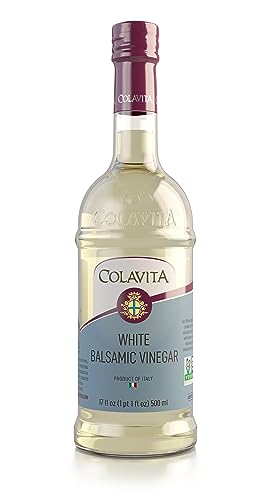
Colavita White Balsamic Vinegar 17 Fl Oz
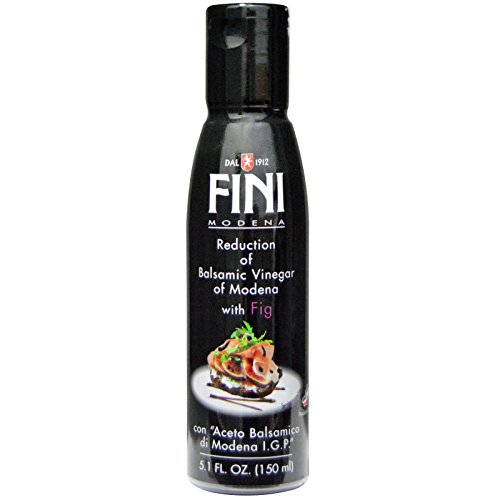
Fini Balsamic Vinegar Reduction Fig 5.1 oz

Roland Foods Balsamic Vinegar Glaze of Modena 27 oz

Pompeian Gourmet Balsamic Vinegar 16 fl oz

Due Vittorie Oro Gold Balsamic Vinegar of Modena IGP 250 ml

Kirkland Signature Organic Balsamic Vinegar 1 Liter
A Breakdown Of The Leading Choices
Villa Manodori sits in a different lane from the supermarket giants. This is an artisan balsamic produced in small lots, and you can taste the patience in every spoonful. The texture sits somewhere between a traditional balsamic vinegar and a syrupy reduction, which means it plays both roles in your kitchen.
Use it for finishing dishes where you want the flavor front and center. A few drops over strawberries, a drizzle on grilled chicken, or a small pour next to fresh mozzarella all let the complexity shine. Compared to Pompeian’s everyday workhorse below, this one delivers far more depth per splash, though it costs considerably more per ounce.
What Pays Off
- Rich, layered flavor that stands in for both vinegar and glaze
- Small-batch production shows in the texture and aroma
- A little goes a long way, stretching value over many meals
- Works equally well on sweet and savory dishes
- Impressive on a cheese board or as a host gift
Worth Noting
- The dense consistency can feel sticky in standard salad dressings
- Premium pricing makes casual use feel wasteful
- The narrow bottle neck can be tricky to measure precisely
Feature Snapshot
Right Fit For
Home cooks who want a showpiece balsamic for finishing dishes and entertaining, where every drop needs to count.
Where Another Pick Suits Better
For high-volume weeknight cooking, Kirkland Signature Organic Balsamic Vinegar delivers a more practical format at a friendlier cost.
Ritrovo leans into the slow-aging side of balsamic. Six years in wood softens the acidity and pulls out caramelized fruit notes that younger vinegars simply can’t match. The decorative bottle is a thoughtful touch if you plan to leave it on the counter rather than hide it in a cabinet.
This vinegar behaves well in two distinct roles. Mix it with a mild olive oil for a salad dressing that doesn’t need much else, or use it as a marinade for meats where you want a glossy, slightly sweet crust. The 250 ml format is small enough to use before it loses its punch, which matters more with aged balsamics than with grocery-store versions.
What Earns Its Place
- Six-year aging brings genuine complexity to the pour
- Decorative bottle suits display and gifting
- Plays nicely with mild olive oils for quick dressings
- Small format encourages use before quality fades
Points To Note
- Premium price per milliliter compared to supermarket staples
- Decorative bottle can be awkward to store in a standard cabinet
Built With In Mind
Food lovers who appreciate a barrel-aged pour and want a bottle that earns a place on the counter or as a thoughtful gift.
Look Elsewhere When
Pompeian Gourmet Balsamic Vinegar is a more practical pick for daily salad dressings and marinades on a tight budget.
White balsamic is the secret weapon for dishes where a dark vinegar would muddy the color. Colavita’s version keeps the gentle sweetness of a traditional balsamic but stays pale, so your fish, rice, and light salads look as good as they taste. The light, fruity profile also plays well with white meats and cream-based sauces.
At 6% acidity, the flavor stays balanced rather than sharp, which matters when you’re dressing delicate ingredients. A pack-of-six format means you can keep one in the pantry and one near the stove without rationing. For anyone building a more thoughtful home kitchen, this fills a gap the darker vinegars can’t.
Notable Upsides
- Preserves the color of pale proteins and grain dishes
- Imported from Italy with consistent quality
- Six-bottle format stretches value over months of use
- Light sweetness pairs with a wide range of white sauces
Honest Caveats
- Lacks the caramelized depth of aged dark balsamics
- Glass bottles add weight if you like to decant
- Bulk format may be more than occasional cooks need
Whose Shelf It Belongs On
Home cooks who frequently prepare fish, chicken, or rice dishes and want a vinegar that won’t discolor the plate.
Skip It When
Roland Foods Balsamic Vinegar Glaze of Modena makes more sense for those who want a thick, dark finish on grilled vegetables and proteins.
Fini’s fig-infused reduction is less of a cooking ingredient and more of a finishing move. The thick, syrupy texture clings to cheese, fruit, and roasted vegetables in a way that thin vinegars cannot. Squeezed from the bottle, it draws instant attention to whatever it touches.
The 5.1-ounce squeeze bottle keeps things tidy, and the fig note adds a quiet sweetness that pairs beautifully with salty cheeses or roasted nuts. It’s the kind of condiment that turns a simple cheese board into something worth photographing. Compared to the larger Roland Foods glaze below, this one is a smaller, more focused bottle for when you want personality over volume.
Why It Works Well
- Fig infusion adds dimension beyond plain balsamic
- Ready-to-use reduction saves stovetop time
- Squeeze bottle design keeps portions clean
- Stands out on a cheese board or dessert plate
Worth Bearing In Mind
- Small bottle size means it disappears quickly with frequent use
- Fig sweetness may clash with savory mains like grilled steak
- Specialty flavor limits everyday versatility
Feature Snapshot
Who Should Grab It
Entertainers and home cooks who love building cheese boards, dessert plates, and fruit-forward appetizers with a finishing touch.
Consider Something Else When
Roland Foods Balsamic Vinegar Glaze of Modena fits better when you need a larger, plainer reduction for everyday drizzling.
Roland Foods built this glaze for cooks who reach for balsamic often. The 27-ounce format is unusually generous, which means frequent drizzlers won’t be rationing drops. The texture lands in classic balsamic reduction territory, thick enough to coat the back of a spoon without turning into candy.
What sets it apart is the sweet-tart balance. It pulls in both directions without leaning too far into either, so it works on bruschetta, grilled vegetables, and even a spoon over ice cream. The Modena origin gives it credibility in a category where provenance matters. For anyone tired of tiny bottles that vanish in a week, this is a relief.
What Stands Out
- Large 27-ounce format for frequent finishing use
- Authentic Modena balsamic as the base
- Balanced sweet-tart profile suits sweet and savory dishes
- Thick enough for plating without running off the food
Trade-Offs To Consider
- Large bottle takes up real shelf or fridge space
- Lacks the fig or specialty flair of Fini’s reduction
- Plain profile may feel repetitive for adventurous palates
Feature Snapshot
Who Will Love This
Home cooks and entertainers who drizzle balsamic on bruschetta, grilled vegetables, and roasted meats several times a week.
Reach For A Different Pick When
Fini Balsamic Vinegar Reduction Fig is the better fit when you want a more distinctive, fig-forward flavor on smaller cheese plates.
Pompeian is the kind of vinegar that quietly anchors a busy kitchen. The sweet and tangy profile works across dressings, marinades, and pan sauces without overpowering the rest of the plate. The pack-of-two format means you can keep one at the stove and one in the pantry.
What makes it a reliable everyday option is the consistency. You know exactly what you’re going to get every time you open the cap, which removes guesswork from weeknight cooking. Compared to artisan picks like Villa Manodori, it trades complexity for predictability, and most weeknight cooks will happily make that exchange. It also pairs naturally with Pompeian’s olive oils if you want a one-brand pantry.
Everyday Advantages
- Balanced sweet-tangy profile suits a wide range of dishes
- Two-bottle pack keeps your pantry stocked longer
- Predictable flavor removes trial-and-error from weeknight cooking
- Works as a base for vinaigrettes, marinades, and reductions
Points To Keep In Mind
- Lacks the aged depth of premium Italian balsamics
- Lighter body means reductions take longer to thicken
- Common flavor profile won’t surprise adventurous palates
Made For
Busy home cooks who want a dependable, versatile balsamic for daily dressings, marinades, and quick pan sauces.
A Better Fit Elsewhere
Due Vittorie Oro Gold is worth the splurge for special-occasion finishing where the flavor should really stand out.
Due Vittorie Oro Gold comes with the kind of provenance that serious balsamic fans look for. The IGP certification is a protected Italian designation, meaning it meets specific standards for production region and method. Built from Trebbiano and Lambrusco grapes and aged in oak barrels, the result is a dense, smooth vinegar with a 6% acidity that feels gentle rather than sharp.
The cork pourer adds a small but meaningful touch, giving you more control over portions than a standard cap. Use it sparingly on dishes that deserve the spotlight, like a ripe tomato salad or a drizzle over vanilla ice cream. It costs more than a typical bottle, but the depth and certification justify the splurge for anyone who treats balsamic as a finishing ingredient rather than a cooking liquid.
The Good Stuff
- IGP certification confirms authentic Modena production
- Barrel aging in oak builds smooth, layered flavor
- Cork pourer delivers clean, controlled portions
- Lower acidity feels gentle on the palate
Some Limits To Know
- Premium price makes casual cooking feel extravagant
- Dense texture can overwhelm lighter salads
- Cork pourer requires careful cleaning to avoid residue
Feature Snapshot
Best Suited To
Food enthusiasts who treat balsamic as a finishing ingredient and want certified Italian provenance for special dishes.
Where A Sibling Pick Shines
Kirkland Signature Organic Balsamic Vinegar is the smarter choice for everyday volume and value.
Kirkland’s organic balsamic is the no-fuss workhorse of the bunch. A full liter means you’re not running to the store every other week, and the organic certification offers some peace of mind for households that read labels carefully. The flavor profile leans clean and balanced, which makes it easy to build dressings without tweaking.
You won’t get the aged complexity of a Modena IGP vinegar, and that’s okay. This bottle is about steady, reliable performance at a value price, which is exactly what most weeknight cooks need. For vinaigrettes, marinades, and pan reductions, it does the job without demanding attention. The tall bottle is the main storage quirk, so plan a spot on a pantry shelf before you bring it home.
The Case For It
- Generous 1-liter format stretches far for big households
- Organic certification matters for label-reading shoppers
- Balanced flavor works in dressings, marinades, and reductions
- Strong value compared to single-bottle artisan picks
Practical Considerations
- Flavor lacks the depth of barrel-aged or IGP options
- Tall bottle needs dedicated pantry shelf space
- Some cooks find the body thinner than expected
Feature Snapshot
Who It Suits Best
Large households and budget-conscious home cooks who want a steady supply of organic balsamic for everyday cooking.
Swap It Out When
Due Vittorie Oro Gold is a smarter pick for special-occasion finishing where aged depth and IGP certification matter.
How To Choose The Right Bottle For Your Kitchen
Balsamic vinegar varies more than most shoppers realize. The differences come down to aging, acidity, sweetness, and intended use, and understanding those helps you avoid bottles that look similar but behave very differently in recipes.
Aging And Density
Traditional balsamic gets its complexity from time in wood barrels. Younger vinegars tend to be thinner, sharper, and better suited to cooking where they’ll be mixed with other ingredients. Older vinegars develop a syrupy texture and a deeper sweetness that works best as a finisher. For weeknight cooking, a moderately aged bottle covers most needs without breaking the budget. Reserve the heavy-hitters for plating.
Acidity And Flavor Balance
Acidity is the sharpness you feel at the back of your tongue. Most balsamics land between 4% and 7%, with lower numbers tasting rounder and higher numbers tasting brighter. Around 6% is a comfortable middle ground that works in dressings without overwhelming delicate ingredients like fish or fresh mozzarella. The white balsamic in this list sits in that zone and proves how much acidity affects color and pairing.
Color And Pairing
Dark balsamic adds visual contrast to salads and grilled meats but can muddy pale dishes. White balsamic solves that problem by skipping the dark caramelization step while keeping the gentle sweetness. A red sauce, a tomato salad, or seared steak benefits from a dark pour. A delicate fish dish, a rice pilaf, or a cucumber salad calls for the white version instead.
Format And Format Goals
Glazes and reductions are pre-thickened, which saves you stovetop time and gives you cleaner plating control. They cost more per ounce but reduce waste. Standard vinegars give you more flexibility to build a dressing, a marinade, or a reduction from scratch. Most home cooks benefit from keeping one of each, and the picks above cover both ends of that spectrum.
What To Watch For Before You Click
Pitfalls Shoppers Hit
The biggest trap is buying a “balsamic” expecting the syrupy depth of an aged Italian product and getting a thin, sharp liquid with caramel coloring. Read the ingredient list closely. Short, recognizable ingredient lists usually signal a more authentic product. Long lists with added sugar, thickeners, and coloring suggest a more industrial blend. Also, don’t assume IGP or DOC labeling is decorative. These certifications are tied to specific regions and production methods, and they cost more for real reasons.
The Case For Spending Up
Higher-tier bottles earn their price through aging, grape selection, and certification. Aged balsamic develops complexity that cheap versions can’t replicate, even when sugar and thickeners are added. For finishing dishes where the vinegar stands alone, that complexity is the whole point. For volume cooking, a value pick like the Kirkland liter or Pompeian gourmet gets the job done without the splurge. The honest read is that most cooks benefit from a small premium bottle for finishing and a larger workhorse for daily cooking.
