

A great baguette starts with the flour in the bowl, not the oven. The right protein level, milling style, and wheat variety shape everything from crust blister to that open, airy crumb you can see daylight through. Home bakers chasing real bakery character need to understand what their flour actually brings to the dough, because the difference between a pale, dense stick and a shattering baguette lives almost entirely in that bag. This lineup covers the flours worth your counter space, from stone-milled heritage grains to versatile all-purpose blends that handle a busy week of bread and pizza alike.
A Quick View Of The Lineup
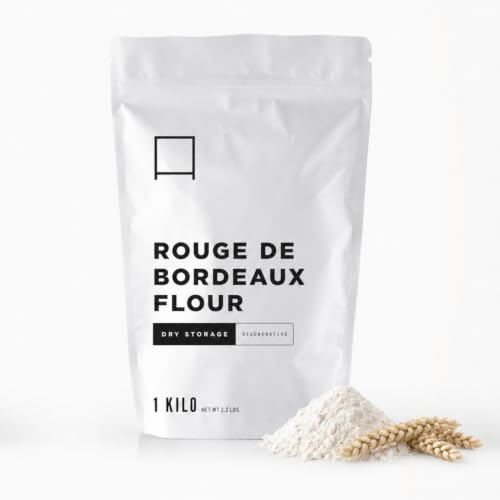
Dry Storage Rouge de Bordeaux Bread Flour 1 Kg 2.2 lb
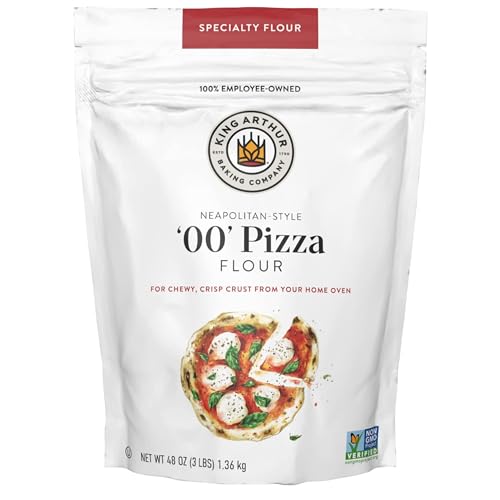
King Arthur 00 Pizza Flour, 3 lb Bag

King Arthur Organic Medium Rye Flour 3 lb
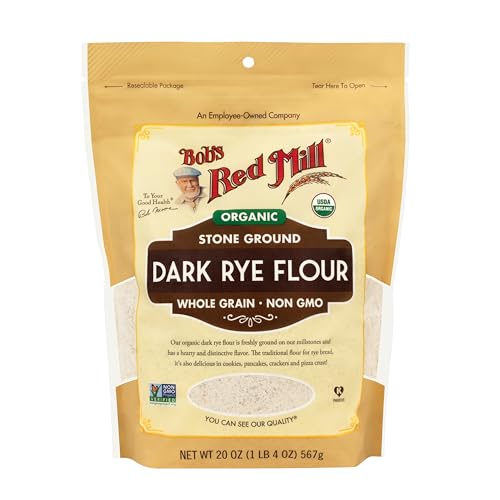
Bob’s Red Mill Organic Dark Rye Flour 20oz

Antimo Caputo Chef’s Flour 2.2 LB (Case of 10)
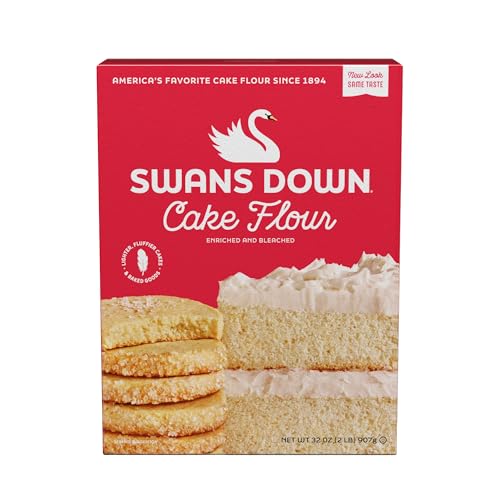
Swans Down Regular Cake Flour 32oz

King Arthur Bread Flour, Unbleached, 5 lb

Dry Storage Functional Flour 1 Kg 2.2 lb

Dry Storage Yecora Rojo Bread Flour 1 Kg 2.2 lb
The Strengths Of Each Pick
Rouge de Bordeaux is a heritage French wheat variety, meaning it’s an older cultivar kept alive for flavor rather than industrial yield, and it has the kind of grain-forward depth that turns a plain baguette into something you’d expect from a corner boulangerie. Stone milling (grinding between large millstones rather than steel rollers) keeps the bran and germ intact, so the flour carries more aroma and produces dough that browns aggressively in a hot oven.
Bakers reaching for genuine baguette character will find this flour rewarding. It performs in sourdough, lean hearth loaves, and rustic cookies, and the 1 kg / 2.2 lb bag suits a home kitchen that bakes weekly without crowding the pantry.
Notable Gains
- Heritage Rouge de Bordeaux wheat brings earthy, rustic aroma you simply don’t get from commodity bread flour
- Stone-milled texture contributes to open crumb structure and the deep, crackly crust bakers chase
- Versatile across baguette, sourdough, and cookie recipes, so one bag handles multiple projects
- Smaller 2.2 lb pack size keeps flour fresh, which matters for stone-milled products with their natural oils still present
Things To Consider
- Heirloom wheat flavor is assertive, so it can overpower delicate pastries or mild sandwich loaves
- Stone-milled flour typically has a shorter shelf life once opened, and most bakers report using it within a few months for peak aroma
Right Fit For
Bakers chasing authentic French baguette flavor who bake often enough to use a small bag before it stales.
Where Another Pick Suits Better
For a more neutral, high-protein flour that doubles as a weekly workhorse, the King Arthur Bread Flour is the better fit.
King Arthur’s 00 pizza flour is milled from American-grown wheat to Italian “00” standards, where the “00” designation refers to the finest grind level on the Italian flour scale, finer than standard all-purpose. The texture is what enables the spotted, leopard-patterned char on a Neapolitan crust when your oven runs at full heat. Bakers blending flours for baguette work sometimes pull a small percentage from a bag like this to fine-tune texture without sacrificing protein content.
Where it shines is the high-heat pizza oven or home deck oven pushing 500 degrees and up. The 3 lb bag is a manageable size for occasional pizza nights, and the flour stores cleanly in a sealed container for months.
Real-World Strengths
- Proprietary blend of hard and soft wheats gives the strength for long fermentation while staying tender
- Ultra-fine 00 grind produces the smooth, elastic dough and signature spotting on pizza crusts
- Non-GMO Project Verified, 100% American-grown wheat appeals to shoppers tracking sourcing
- Available in a 3 lb single bag or a 6 lb two-pack for slightly more frequent pizza bakers
Worth Noting
- Specifically tuned for pizza, so it may not deliver the same open crumb bakers want in a classic baguette
- Some users find the grind fine enough to clump in humid kitchens, so airtight storage helps
Made For
Home pizzaiolos baking at high heat who want an Italian-style 00 grind without imported flour.
A Better Fit Elsewhere
For a heritage wheat that leans more toward traditional baguette character, the Dry Storage Rouge de Bordeaux is a stronger match.
Rye behaves differently from wheat at the dough stage, and this medium rye flour sits in the middle of the rye spectrum, lighter than dark rye but with more body and bran than white rye. Bakers rarely use it as a stand-alone baguette flour; it shines in small percentages added to a wheat dough for deeper flavor and aroma. Think of it as a finishing touch, not the lead instrument.
The organic, US-grown pedigree and 3 lb size make it easy to keep on hand for blended loaves, rye-heavy cookies, or the occasional quick bread. Pair it with the King Arthur Bread Flour or the Dry Storage Functional Flour and you open up a much wider recipe range.
Everyday Advantages
- Medium rye grind hits the sweet spot between pale white rye and assertive dark rye, blending smoothly into wheat doughs
- 100% US-grown and milled, with Non-GMO Project Verified status for bakers watching sourcing
- Useful in rye bread, cookies, brownies, and quick breads, so one bag covers more than just bread projects
- Available in 3 lb single, two-pack, or four-pack configurations depending on how often you bake
Honest Caveats
- Rye flour is low in gluten-forming protein, so using too much in a baguette formula will leave you with a flat, dense loaf
- The strong flavor and color will visibly tint lighter doughs, so a small percentage goes a long way in pale baguettes
Best Suited To
Bakers building complex, layered flavors who blend rye with a stronger bread flour rather than bake it solo.
Look Elsewhere When
For a strong wheat-forward baguette flour that can carry a recipe on its own, the Dry Storage Yecora Rojo Bread Flour pulls more weight.
Bob’s Red Mill stone-grinds this dark rye on traditional millstones, the slow, cool process that keeps the natural oils and bran in the flour rather than burning them off. Dark rye brings a deeper color, heavier aroma, and bolder flavor than medium rye, which makes it the go-to for German-style rye breads, pumpernickel-style loaves, and rich, dense cookies. In a baguette context, it works as a small-percentage accent for bakers who want the visual and flavor impact without rebuilding their entire formula.
The 20 oz bag is a useful size for a baker who only pulls rye out occasionally. A pantry this size won’t go stale before you’ve had a chance to experiment, and Bob’s Red Mill is a name most cooks already trust.
What Works In Its Favor
- Stone-ground from premium organic rye berries, preserving bran, germ, and endosperm for richer nutrition and flavor
- Dark rye depth makes it the strongest-flavored option in this list, ideal for pumpernickel loaves and dark rye blends
- Compact 20 oz bag fits small pantries and reduces the risk of the flour going stale before you use it
- Trusted brand with a long track record in whole-grain baking, so the milling consistency is reliable
Trade Offs
- Too strong to use as a primary baguette flour; you may find the flavor overwhelming at more than 20–30% of total flour weight
- Lower gluten-forming protein means it can weaken dough structure quickly, so blending is essential for any bread with real rise
Who Should Grab It
Anyone baking dark, dense rye loaves or adding bold flavor accents to wheat doughs on a regular basis.
Swap It Out When
For a more versatile rye that works in lighter blends, the King Arthur Organic Medium Rye Flour is a smoother fit.
Antimo Caputo is a name you’ll find in Neapolitan pizzerias, and the Chef’s Flour is the workhorse variety, milled in Italy from soft wheat to a fine 00 texture. This listing arrives as a case of ten 2.2 lb bags for 22 lb total, which is a serious commitment in flour terms. The soft wheat and fine grind give the dough a long, stretchable window that holds up under cold fermentation, useful for pizza but also for tender breads and fresh pasta.
The case format suits anyone running a home pizzeria setup, teaching a class, or feeding a large family. Smaller households will find 22 lb a lot to keep fresh, so the bulk approach works best when you actually go through the flour.
The Case For It
- Ten-bag case format spreads the cost over more flour and suits heavy-use kitchens
- Soft Italian 00 wheat supports long, cold fermentation, giving you flexibility on schedule
- Multipurpose across pizza, bread, and fresh pasta, so the case never sits idle
Some Limits To Know
- 22 lb total is overkill for a small household, and the flour may age past peak freshness before you finish it
- Soft wheat means lower protein, so a pure Caputo baguette may lack the chew and structure of high-protein French-style flour
- Storage space for ten separate bags is real, since flour keeps best in airtight containers, not the original packaging
Who Will Love This
Frequent pizza bakers, instructors, or large households who can rotate through 22 lb of flour in a few months.
Consider Something Else When
For a single-bag baguette flour that punches above its weight, the Dry Storage Yecora Rojo Bread Flour is more focused.
Swans Down is the opposite end of the protein spectrum from bread flour, milled from soft American winter wheat for cakes, cookies, and tender pastries. Cake flour has roughly 7–9% protein, compared to 12%+ in bread flour, which means much weaker gluten formation and a much softer, more delicate crumb. Used straight, it will not give you a baguette. Used as a small percentage in a dough, it can soften the interior of a baguette and lighten the texture.
For most baguette bakers, this is a specialty bag, not a primary one, but it’s the right tool when you also bake layer cakes and want consistent, reliable results.
The Value In It
- Soft winter wheat milling produces the fine, silky texture that defines a tender cake crumb
- No added baking powder or salt, so recipes control the leavening precisely
- 32 oz pack and 4-pack options cover both casual and regular cake bakers
What To Weigh
- Too low in protein to form baguette structure, so it should not be the main flour in any bread project
- Soft wheat can clump in humid storage, so an airtight container is a worthwhile add-on
Key Specs
Whose Shelf It Belongs On
Home bakers who alternate between tender cakes and yeasted breads and want one trusted cake flour on hand.
Reach For A Different Pick When
For a flour that can carry a baguette on its own, the King Arthur Bread Flour is the more useful bag.
King Arthur’s unbleached bread flour is the bag most American home bakers reach for first, and for good reason. It’s milled to a higher protein level than typical national brands, which means stronger gluten development, taller loaves, and a more open crumb in baguette work. Unbleached means the flour hasn’t been chemically whitened, so the natural wheat color and a bit more flavor come through.
The 5 lb bag covers a busy baking household, and the consistency from bag to bag is the kind of predictability that makes recipe development easier. You can scale formulas confidently knowing the protein content won’t surprise you.
The Upside
- Higher protein than most national bread flour brands, supporting taller rise and stronger gluten network
- Unbleached, so the flour keeps more of its natural wheat color and a touch more flavor
- Available in 32 oz and 80 oz pack sizes, fitting both small and heavy-use kitchens
- Consistent milling makes it a dependable choice for repeat recipes and recipe scaling
Points To Note
- Not stone-milled, so it lacks the rustic aroma and open crumb of heritage options like the Rouge de Bordeaux
Feature Snapshot
Perfect Match For
Home bakers who want a predictable, high-protein flour they can rely on for weekly bread and pizza work.
Another Choice May Suit
For a more flavorful heritage wheat, the Dry Storage Rouge de Bordeaux Bread Flour is the better match.
Dry Storage designed this as a true all-purpose bread flour, blending at 11.3% protein, which is high enough to develop real gluten but flexible enough to handle pizza dough, pastry, and sourdough starter. For a household that bakes across categories during the week, a single bag that does it all is genuinely useful. The organic composition and clean milling also support lively fermentation in sourdough work.
Versus the King Arthur Bread Flour above, this one leans slightly more versatile and slightly less specialized. Versus the Yecora Rojo, it’s a softer, more forgiving dough, easier for newer bakers to handle.
Advantages To Know
- 11.3% protein lands in the sweet spot for bread, pizza, pastry, and sourdough from a single bag
- Organic composition supports active fermentation, helping build open crumb and crust color in long-fermented doughs
- Balanced extensibility means doughs stretch without tearing, easier for newer bakers to shape
- Clean milling and organic sourcing appeal to bakers who track ingredient origin
Less Ideal Details
- At 11.3% protein, it sits below the high-tier bread flours for pure baguette chew and structure
- Smaller 1 kg bag may run out quickly in a busy baking household
Spec Overview
The Right Fit
Bakers who rotate between bread, pizza, and pastry during the week and want one bag that handles all of it.
Where A Sibling Pick Shines
For more focused baguette performance at higher protein, the Dry Storage Yecora Rojo Bread Flour is the stronger pick.
Yecora Rojo is a modern wheat variety that bakers have embraced for its combination of strong dough structure and a flavor profile that sits between commodity bread flour and the more rustic heritage grains. The Dry Storage version is positioned as a chef-tested option for sourdough, pizza, and artisan bread, and it does best in higher-hydration doughs where extensibility matters, meaning how far the dough can stretch without tearing.
Compared to the Dry Storage Rouge de Bordeaux earlier in the list, this one trades heritage wheat aroma for a more powerful protein structure. The result is a more reliable rise and an easier shaping window, which newer bakers tend to appreciate.
Benefits That Matter
- High protein content supports strong rise and an open, well-developed crumb
- Extensibility shines in high-hydration sourdough and pizza doughs, where weaker flours tear
- Clean, modern wheat flavor that pairs well with long fermentation without overpowering
- Versatile across artisan bread, pizza, and naturally leavened projects
Potential Compromises
- Modern wheat variety, so it doesn’t deliver the same earthy depth as the Rouge de Bordeaux heritage flour
- Smaller 1 kg bag is fine for weekly baking but may run short for a household baking multiple loaves a week
Feature Rundown
Built With In Mind
Bakers working with high-hydration sourdough and long-fermented doughs who want a modern, reliable protein source.
Not Your Match When
For the most pronounced heritage wheat aroma, the Dry Storage Rouge de Bordeaux Bread Flour is the better fit.
How To Choose A Flour That Actually Bakes A Better Baguette
Baguette baking looks simple: flour, water, salt, yeast. The flour choice quietly decides almost everything else. Protein content drives gluten development, which is the network of stretchy proteins that traps gas and gives the loaf its rise and chew. Higher protein bread flours produce taller, more open baguettes with the kind of interior pull-apart that defines a great loaf. Lower protein flours give a tighter crumb and a more tender bite, which works for rolls but flattens out a long baguette.
Milling style is the second big lever. Stone-milled flours (ground between large millstones, the older traditional method) keep more of the bran and germ, which means more flavor and aroma, and often a more rustic, open crumb. Steel-roller milled flours, the modern industrial standard, give a more consistent, predictable product but lose some of the grain-forward depth. For most home bakers, both styles work, but the choice shows up clearly in finished flavor.
Wheat variety matters more than most people expect. Modern bread wheats like Yecora Rojo are bred for high protein and reliable performance. Heritage varieties like Rouge de Bordeaux carry more aromatic compounds, which produce a more complex, grain-forward loaf. Neither is universally better, but they bake differently and pair with different hydration levels.
For most home bakers, a flour in the 11 to 13 percent protein range gives enough strength for baguette work while staying manageable to shape. Beginners benefit from a versatile flour that forgives slightly under- or over-mixed dough, while experienced bakers often want the sharper, more directional performance of a higher-protein or heritage wheat. Storage matters too: keep flour in a cool, dry, airtight container, and use it within a few months for peak aroma.
What Sets These Picks Apart At A Glance
Where Shoppers Go Wrong
The most common baguette flour mistake is reaching for all-purpose flour and expecting baguette results. All-purpose works for many things, but its protein level typically sits around 10 to 11 percent, which produces a tighter, less open crumb. A second slip is buying in bulk without a plan to use it. Stone-milled and heritage flours lose aroma faster than commodity flours, so a 22 lb case of Caputo, for instance, only makes sense for a household that actually bakes through it. Finally, shoppers often overlook the impact of wheat variety, choosing by protein number alone, when the difference between a heritage wheat and a modern bread wheat shows up in flavor as much as structure.
When Paying More Pays Off
Premium baguette flours cost more per pound, and the difference shows up in three places. First, flour with higher protein gives a more open crumb and stronger rise, so you get more loaf per bag. Second, stone-milled and heritage flours carry more aroma and flavor, which transforms a plain baguette into something with real character. Third, single-origin or specialty flours tend to mill in smaller batches with more attention to consistency, so the bag-to-bag variation is lower. For bakers who bake weekly and care about results, the upgrade pays back in better texture, better flavor, and more reliable outcomes.
Frequently Asked Questions
What Protein Level Works Best For Baguettes?
A protein level between 11 and 13 percent typically gives the best balance of strength and extensibility for home-baked baguettes, supporting a tall rise and open crumb without making the dough too tough to shape.
Can All-Purpose Flour Replace Bread Flour For Baguettes?
All-purpose flour works in a pinch, but its lower protein usually produces a tighter crumb and less rise, so the baguette comes out closer to a soft sandwich loaf than a classic French stick.
What Is Stone-Milled Flour And Why Bakers Choose It?
Stone-milled flour is ground between large millstones rather than steel rollers, which keeps more of the bran, germ, and natural oils in the flour, producing a more aromatic, flavorful bake and often a more open crumb.
How Should Baguette Flour Be Stored At Home?
Baguette flour keeps best in an airtight container in a cool, dry pantry, and stone-milled or heritage flours are best used within a few months of opening to capture peak aroma and freshness.
Is It Worth Buying A Case Of Flour?
A case format, like the 22 lb Caputo bundle, is worth it for households baking multiple loaves or pizzas a week, but smaller households often see better results from smaller bags they can rotate through faster.
