

The right flour turns a good loaf of ciabatta or a round of focaccia into something memorable, and the wrong one leaves you chewing through a dense, crumbly brick. Italian baking leans on a few specific protein levels and milling styles that all-purpose flour simply cannot match. Whether you chase leopard-spotted pizza crusts, chewy pan loaves, or airy focaccia that bubbles in the oven, this roundup helps you pick the bag that fits your kitchen and your skill level.
The Shortlist At A Glance

Mulino Caputo 00 Pizzeria Flour 1kg (Pack of 4)

Anthony’s Vital Wheat Gluten 4 lb
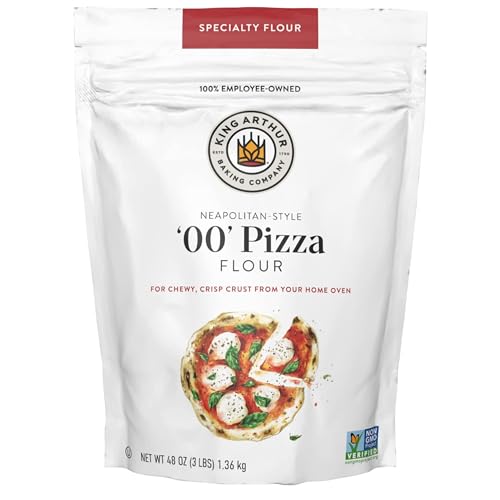
King Arthur 00 Pizza Flour 3 lb

Antimo Caputo Chef’s Flour 22 lb Case

King Arthur Bread Flour 5 lb

Bob’s Red Mill Vital Wheat Gluten 20 oz

King Arthur Measure for Measure Flour 3 lb

King Arthur Gluten-Free Bread Flour 2 lb

King Arthur Gluten-Free All-Purpose Flour 24 oz
Inside Each Recommended Option
Neapolitan pizza has its own language, and flour is the first word. The “00” label refers to the finest grind Italian millers produce, finer than standard all-purpose, which gives dough a smooth, almost silky feel when you stretch it. Mulino Caputo has been milling in Naples for generations, and their Pizzeria blend is tuned for the high-heat, short-bake style that produces those charred, leopard-spotted crusts at home.
Coming in a pack of four 1-kilo bags, this option suits a household that bakes pizza more than once a month. Compared to the domestic King Arthur 00 reviewed later, this one leans softer, which can make cold-fermented doughs a little trickier to handle but rewards a ripping-hot oven with serious oven spring.
Positive Takeaways
- Authentic Italian “00” grind produces a notably smooth, elastic dough that stretches thin without tearing.
- Soft wheat profile delivers the tender, foldable cornicione that defines Neapolitan-style pizza.
- Four 1-kilo bags keep flour fresh longer than a single large sack in humid climates.
- Widely available for a specialty import, with predictable stock across seasons.
- Works well for quick same-day doughs, since the protein level forgives shorter fermentation windows.
Trade Offs
- Lower protein than a bread flour means slower rise in cold ferments, so plan extra cold time if you want deeper flavor.
- Soft texture can frustrate beginners who expect the firm, pull-apart dough of higher-protein American flours.
Who It Suits Best
Anyone with a pizza steel or stone that runs 500 degrees and above, who wants a true Neapolitan-style crust and is willing to master slightly wetter dough.
Where Another Pick Suits Better
For classic pan loaves and rolls, the King Arthur Bread Flour 5 lb carries more protein and gives a chewier, taller crumb in a home oven.
Vital wheat gluten is the isolated protein extracted from wheat flour, sold as a fine powder you stir into a recipe to raise its overall protein content. A tablespoon or two added to a softer 00 flour stiffens the dough, sharpens the rise, and gives you a chewier finished crumb without changing the flavor much. Anthony’s ships it in a generous 4-pound tub that suits anyone baking Italian loaves weekly.
This is a supporting player rather than a standalone flour, so it lives next to one of the wheat bags in this roundup rather than replacing it. Pair it with the Mulino Caputo 00 if you want Neapolitan flavor with better structure, or with the King Arthur 00 if you chase leopard spots in a home oven that runs cooler than a wood-fired deck.
Everyday Wins
- 4-pound tub stretches across many baking sessions, lowering the per-loaf cost of gluten supplementation.
- Neutral flavor profile blends into almost any dough without altering the taste of the finished bread.
- Versatile enough to also enrich seitan and other wheat-meat projects, which helps justify the shelf space.
Points To Note
- Not a finished flour on its own; using it solo yields a tough, rubbery dough that lacks structure for bread.
- Dry powder can clump in humid pantries, so a sealed container or oxygen absorber helps preserve freshness over time.
Right Fit For
Home bakers who already own a softer flour and want to push protein higher for chewy ciabatta or better crumb in low-hydration doughs.
Swap It Out When
Reaching for a stand-alone bag, the King Arthur Bread Flour 5 lb delivers a similar high-protein payoff without the extra mixing step.
King Arthur’s 00 Pizza Flour borrows the Italian grind standard but mills from a proprietary blend of hard and soft wheats grown on American farms. That blend gives the bag a slightly stiffer feel than the imported Mulino Caputo Pizzeria, which can actually be a gift for first-time stretchers who tend to tear delicate doughs. At 3 pounds, the bag is a manageable size for a couple baking pizza every other weekend.
The 00 grind here still yields a notably fine crumb in the finished crust, and depending on your hydration you may find this flour forgives a little more handling than the softer Italian imports. It also offers a slight flavor advantage if you value domestic supply chains or simply want a bag you can reorder on short notice.
Well-Handled Touches
- American-grown wheat sourcing shortens the supply chain and helps avoid surprise shortages from overseas.
- Proprietary hard-and-soft blend produces a dough that holds its shape under enthusiastic stretching.
- 3-pound bag suits small households and avoids the staleness risk of a 22-pound case sitting in the pantry.
Where It May Fall Short
- Harder wheat blend can feel less tender than the classic Italian 00 in a high-heat deck oven, so expect a chewier bite.
Made For
Home bakers who want the 00 grind for pizza but prefer a more forgiving dough and a bag they can finish in a few weeks.
Not Your Match When
You run a pizza setup at full Neapolitan temperatures and want the softest possible cornicione, where the Mulino Caputo 00 Pizzeria Flour pulls ahead.
Antimo Caputo’s Chef’s Flour is the same soft-wheat 00 the Caputo family has been milling since 1924, but the case-of-10 packaging here targets the baker who treats dough like a daily ritual. At 22 pounds total, you get ten individually sealed 2.2-pound bags, which is a smart move for freshness in a household that actually finishes flour before it goes stale.
Where the imported Mulino Caputo Pizzeria leans into Neapolitan pizza specifically, the Chef’s blend stretches across pizza, bread, and pasta with a softer protein profile that rewards long, cool fermentation. If you have a chest freezer and bake focaccia, ciabatta, and pizza in rotation, this case format cuts down on reordering trips without the staleness risk of a single open sack.
A Few Strong Suits
- Ten sealed 2.2-pound bags keep the working flour fresh across months of regular baking.
- Soft 00 grind handles long, cold fermentations well, building deeper flavor in ciabatta and focaccia.
- Multi-use profile covers pizza dough, bread loaves, and fresh egg pasta from a single bag.
- 22-pound total lowers the per-pound cost compared to single-bag imports for high-volume bakers.
- Italian-milled pedigree matches the expectations of anyone who learned bread from a Roman or Neapolitan source.
Practical Considerations
- Bulk size demands pantry space, and the shipping weight can stretch a standard mailbox delivery schedule.
- Soft wheat means cold ferments need more folds or starter strength to develop structure.
Feature Snapshot
Best Suited To
Frequent home bakers rotating between pizza, focaccia, and pasta who want a steady supply of one versatile Italian flour.
Skip It When
You bake once a month, where a single 3-pound bag like the King Arthur 00 Pizza Flour keeps things simpler and fresher.
Bread flour is the workhorse of the American pantry, and King Arthur’s unbleached version carries a notably higher protein count than most national competitors. That extra gluten builds stronger doughs, taller loaves, and the kind of chewy, pull-apart crumb you want in a rustic Italian pan loaf or a tray of soft dinner rolls. The 5-pound bag fits a small cabinet without dominating the shelf.
For Italian bakers chasing a denser chew, like a Tuscan-style pane sciocco or a sturdy focaccia base, this flour trades the fine 00 texture for raw structural power. Compared to the softer 00 options earlier in this list, the grit here is more pronounced, but the rise and oven spring make that trade-off worthwhile for many home ovens.
What Earns Its Place
- Higher protein than typical national bread flours supports tall, well-structured loaves in a standard home oven.
- Unbleached, untreated grain keeps the flour’s natural color and wheat flavor intact.
- 5-pound bag balances volume with a reasonable shelf life once opened.
- Versatile across yeasted bread, rolls, and even sturdier pizza styles that benefit from extra chew.
Honest Caveats
- Coarser grind than 00 flour means it cannot replicate the silky, thin-crust feel of true Italian pizza dough.
- Higher protein can produce a tighter crumb in delicate breads like panettone, where softer flour is traditionally preferred.
Who Will Love This
Home bakers who want one reliable, widely available flour for hearty Italian loaves, rolls, and thicker-crust pizzas.
Look Elsewhere When
You want the classic Neapolitan pizza texture, where the Mulino Caputo 00 Pizzeria Flour 1kg (Pack of 4) is built for the job.
Bob’s Red Mill brings their milling reputation to vital wheat gluten, a powdered protein additive that gives softer flours the muscle they need to trap gas and rise tall. A few tablespoons stirred into whole-wheat or rye-heavy Italian recipes like panmarino or biga pre-ferments can transform a slack, sticky dough into something you can actually shape.
This 20-ounce bag is a mid-size option that beats the smaller boxes for serious weekly bakers without committing to the 4-pound tub from Anthony’s. It pairs neatly with the softer 00 flours on this list when you want a stronger final crumb without sacrificing the flavor of your base flour.
Advantages To Know
- Trusted miller brand with consistent grind and protein content batch to batch.
- 20-ounce size suits moderate-volume bakers who finish the bag within a couple of months.
- Effective at small doses, so a single bag stretches across many loaves.
Things To Weigh Up
- Per-ounce cost runs higher than the larger Anthony’s tub, so heavy users pay a premium for the smaller size.
- Not a finished flour, and adding too much can produce a rubbery, bouncy texture in delicate breads.
Perfect Match For
Bakers who mix whole-grain or rye flours into their Italian loaves and need a reliable protein boost to keep the dough manageable.
Another Choice May Suit
If you go through vital wheat gluten fast, the Anthony’s Vital Wheat Gluten 4 lb offers better value per ounce.
Measure for Measure is King Arthur’s answer to the perennial gluten-free headache of converting wheat recipes. The blend is engineered to swap cup-for-cup into standard recipes, which means you can pull an old Italian cookie or cake recipe off a family index card and reach for this bag instead. It is enriched with iron, calcium, and B vitamins to help close the nutritional gap that wheat-based flours cover easily.
For Italian-style gluten-free baking, this bag shines on the sweet and non-yeasted side of the menu: biscotti, amaretti, almond cakes, and similar treats where you need structure without the elasticity gluten provides. Yeasted breads are a different story, which is why the next pick exists.
Real Benefits
- True 1:1 substitution ratio simplifies recipe conversions without rebalancing liquid or fat.
- Added iron, calcium, and B vitamins help match the nutrition of enriched wheat flour.
- Non-GMO and Kosher certifications make it accessible for restricted diets and households.
Less Ideal Details
- Not formulated for yeasted breads, so a focaccia or pan loaf will struggle to rise the way you expect.
Feature Snapshot
Built With In Mind
Gluten-free bakers making Italian cookies, cakes, and quick breads who want a simple cup-for-cup swap from wheat recipes.
Reach For A Different Pick When
You want to bake a yeasted Italian loaf, where the King Arthur Gluten-Free Bread Flour 2 lb is purpose-built for the job.
Gluten-free bread baking is its own engineering challenge, since the protein network that traps gas in wheat dough simply does not exist. King Arthur’s Gluten-Free Bread Flour solves part of that by combining gluten-free wheat starch with sorghum flour and xanthan gum, a soluble fiber that mimics some of the binding power of gluten. The result is a yeasted Italian-style loaf that actually holds together and slices without crumbling.
This bag is tuned for yeasted recipes specifically, which sets it apart from the all-purpose Measure for Measure blend reviewed earlier. Artisan boules, bagels, cinnamon rolls, and burger buns all benefit from the protein-and-gum balance here. The 2-pound bag is on the smaller side, so heavy users may need to stock up.
What Makes Sense
- Built for yeasted doughs, with xanthan gum doing the structural work gluten normally provides.
- Sorghum flour adds a mild, slightly sweet flavor that complements Italian bread profiles.
- 1:1 replacement ratio streamlines conversions of family wheat recipes into gluten-free versions.
Factors To Consider
- Smaller 2-pound bag runs out faster than larger options, and gluten-free flours benefit from sealed storage to avoid moisture pickup.
- Contains wheat starch, so it is not suitable for anyone with celiac-level sensitivity to wheat proteins.
Whose Shelf It Belongs On
Gluten-free home bakers determined to make yeasted Italian-style breads, bagels, and rolls that actually rise and slice.
A Better Fit Elsewhere
For strictly wheat-allergic households, the King Arthur Gluten-Free All-Purpose Flour 24 oz offers a wheat-free alternative for non-yeasted baking.
King Arthur’s original Gluten-Free All-Purpose Flour leans on a blend of white rice flour, whole grain brown rice flour, tapioca starch, and potato starch, with no xanthan gum included in the bag. That absence gives you control: you add the gum yourself based on the recipe, or skip it entirely for cookies and cakes where the starches do the work. The result is a clean-tasting flour without the gritty aftertaste some gluten-free blends leave behind.
For Italian-style cooking without gluten, this bag covers flatbreads, focaccia-style quick breads, and sweet treats. Pair it with the xanthan gum and the King Arthur Gluten-Free Bread Flour 2 lb covered above, and you have a small but capable gluten-free baking pantry. The 24-ounce bag is the most compact of the gluten-free options here.
Real-World Strengths
- Multi-flour rice and starch blend produces a neutral, non-gritty base for both savory and sweet recipes.
- No xanthan gum included, so you control the texture per recipe instead of fighting a fixed blend.
- Non-GMO and Kosher certifications cover common dietary preferences.
Where It Is Less Suited
- Without added gum, yeasted Italian loaves need a recipe that includes xanthan or psyllium, or they will fall flat.
- 24-ounce bag is the smallest in this gluten-free trio, so larger bakers may find themselves reordering often.
Who Should Grab It
Gluten-free bakers who want a flexible, neutral flour for cookies, cakes, flatbreads, and recipes where they can choose their own binders.
Consider Something Else When
You mainly bake yeasted breads and want a blend with structure built in, which is where the King Arthur Gluten-Free Bread Flour 2 lb saves a step.
Choosing The Right Flour For Your Italian Bread Goals
Start with the shape of bread you actually bake. Thin-crust pizza and Roman-style pinsa benefit from a fine Italian 00 grind, which produces a tender, foldable dough that stretches without springing back. Pan loaves, dinner rolls, and Tuscan-style breads pull more from higher-protein bread flours, where the extra gluten builds the structure those shapes demand. Gluten-free bakers should match the bag to the recipe type, since yeasted and non-yeasted blends behave very differently.
Hydration matters more than people think. A flour that handles 70 percent hydration in a wood-fired pizzeria may feel slack in a home kitchen with cooler air, so adjust water gradually and trust the dough’s feel. For long, cold fermentations, a softer wheat absorbs flavor more slowly, while a higher-protein flour builds structure quickly and can over-proof if left too long.
Storage shapes your results too. Whole-grain and rice-based flours go rancid faster than refined wheat, so a sealed container in a cool pantry or freezer extends their useful life. Buying smaller bags more often beats wrestling with stale flour at the back of a bulk case, and vacuum-sealing opened bags keeps pantry moths at bay in warmer months.
Key Considerations Across These Picks
Common Shopping Slip Ups
The most frequent mistake is buying a beautiful imported 00 flour and expecting it to behave like a high-protein American bread flour. The 00 grind is finer, the protein is lower, and the dough absorbs water differently, so your old hydration percentages and knead times need adjustment. Recipe developers who share formulas built for King Arthur Bread Flour rarely translate them cleanly to a soft Italian 00, and vice versa.
Another trap is ignoring how the bag will be stored. A 22-pound case sounds like a bargain until half of it sits open in a humid kitchen and loses its baking power. Match the bag size to your actual weekly output rather than to the per-pound savings on the label.
Why Top Tier Costs More
Premium Italian 00 flours command a higher price partly because of milling technology and partly because of the soft wheat varieties they use, which grow well in specific Italian regions and are harder to source elsewhere. A bag milled in Naples from a multi-generation recipe carries heritage value that translates into a predictable performance in a hot oven, and that consistency has real value for frequent pizza bakers.
For everyday home bakers, the upgrade is worth it when you bake pizza weekly or care deeply about authentic Neapolitan texture. For occasional bakers, a domestic 00 or a higher-protein bread flour delivers more value per dollar, since the difference between a 14-dollar and a 40-dollar bag matters less when a bag lasts six months.
Frequently Asked Questions
What Is 00 Flour And Why Does Italian Bread Use It?
00 refers to the finest grind in the Italian milling system, finer than standard all-purpose flour, which produces a smooth, low-grit dough that stretches thin for pizza and rolls out evenly for pasta. Italian bakers favor it because the fine texture hydrates uniformly and bakes into a tender crumb under high heat.
Can I Substitute Bread Flour For 00 Flour In Italian Recipes?
You can, but the dough will feel stiffer and the crumb will chew more than the Italian original, since bread flour carries higher protein. For pan loaves and rolls the swap works fine, but for Neapolitan-style pizza the texture and rise will differ noticeably.
Do I Need A Separate Flour For Pizza Versus Bread?
Not necessarily, though a soft 00 shines in pizza while a higher-protein bread flour builds taller pan loaves. Many home bakers keep two bags, one 00 for pizza night and one bread flour for weekend loaves, which covers most Italian baking without overcomplicating the pantry.
How Should I Store Italian Flour To Keep It Fresh?
Keep it in a sealed container in a cool, dry pantry, and refrigerate or freeze opened bags if you bake less than once a month. Whole-grain and rice-based gluten-free flours benefit most from cold storage, since their natural oils go rancid faster than refined wheat.
Is Vital Wheat Gluten Necessary For Italian Bread Baking?
Only if your base flour is low in protein and you want a chewier, taller rise, in which case a tablespoon or two per loaf makes a clear difference. For high-protein bread flours and authentic Italian 00, gluten is rarely needed.
