

A good sourdough starts long before the starter does. The flour you reach for shapes everything from fermentation behavior to crumb structure to crust color, and picking the right bag makes the difference between a dense, flat loaf and one with an open, glossy interior. Home bakers who have wrestled with slack dough, weak rise, or bland flavor usually find that the trouble traces back to the protein content, milling style, or wheat variety in their bag.
This guide walks through nine flours that work well for naturally leavened bread, covering everything from everyday all-purpose options to stone-milled heirloom grains and high-protein artisan choices. Each pick is matched to a specific baking style, so beginners baking their first loaf and seasoned bakers chasing a deeper wheat flavor can both find a match.
An Overview Of The Picks

Wheat Montana Natural White Flour 2-Pack (5 lb Bags)
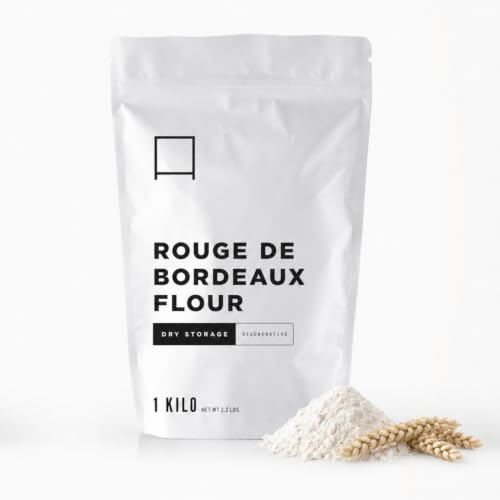
Dry Storage Rouge de Bordeaux Bread Flour 1 Kg 2.2 lb
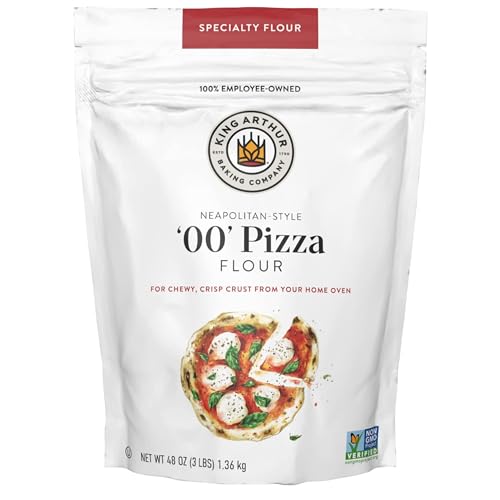
King Arthur 00 Pizza Flour 3 lb Bag

Antimo Caputo Chef’s Flour 2.2 lb (Case of 10)
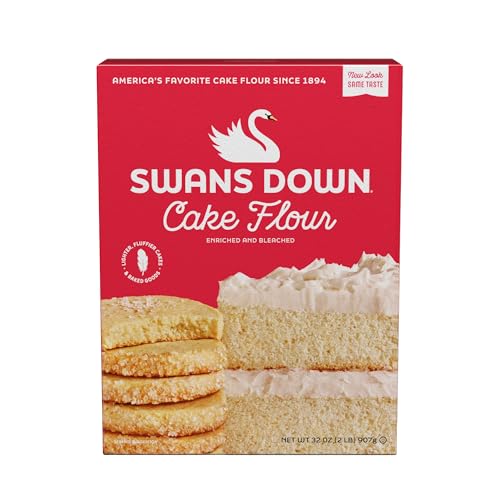
Swans Down Regular Cake Flour 32 oz

King Arthur Bread Flour Unbleached 5 lb

Dry Storage Functional Flour 1 Kg 2.2 lb

Dry Storage Yecora Rojo Bread Flour 1 Kg 2.2 lb

Anthony’s Vital Wheat Gluten 4 lb (Pack of 2)
A Closer Look At Each Pick
Wheat Montana’s all-purpose white flour lands at a useful middle ground for sourdough bakers who don’t want to commit to a specialty bag on day one. Unbleached and unbromated, it comes in a two-pack of 5-pound bags, which means the pantry stays stocked through several bake cycles without constant reordering. The resealable bag helps the flour stay fresh between loaves, which matters more for active starter keepers than most people realize.
For new bakers building their first loaf, this flour behaves predictably, hydrates cleanly, and accepts a moderate protein percentage without fighting the dough. You can run it straight for sandwich loaves or blend it with a higher-protein option down the road as your technique sharpens.
What It Does Well
- Unbleached and unbromated, so the flour keeps a natural wheat color and behaves gently with wild yeast fermentation.
- Two 5-pound bags give you 10 pounds of flour, enough for a run of two to three loaves plus starter feedings.
- Works as a clean, neutral base flour when you eventually want to blend in specialty wheats like Rouge de Bordeaux or Yecora Rojo.
- Non-GMO identity-preserved grain sourcing gives consistent protein behavior from batch to batch.
- The resealable bag is a small but practical detail that reduces the chance of pantry staleness between bakes.
Worth Noting
- As an all-purpose flour, it sits at a lower protein percentage than dedicated bread flours, so an open crumb and tall rise require technique rather than raw strength.
- For sourdough bakers chasing bold, grain-forward flavor, the neutral taste profile may read as too mild compared to a stone-milled heirloom option.
Right Fit For
First-time sourdough bakers who want a forgiving, widely available flour while they learn hydration, shaping, and timing.
Reach For A Different Pick When
Bakers chasing a deep, rustic flavor should look at Dry Storage Rouge de Bordeaux Bread Flour, which brings more wheat character from heritage grain.
Rouge de Bordeaux is a heritage wheat that French bakers have leaned on for generations, and Dry Storage’s stone-milled version leans into everything that makes this grain special. Stone milling keeps the bran and natural oils intact, which translates into a deeper aroma in the kitchen, a more colorful crumb, and a crust that caramelizes richly under heat. The 1-kilogram pouch is a manageable size for someone exploring a new wheat without committing to 25 pounds at a time.
For sourdough bakers who care as much about flavor as they do about structure, this flour feels closer to a specialty ingredient than a commodity. Pull it out when you want a Saturday loaf with a real sense of place rather than a weekday sandwich slice.
Noteworthy Benefits
- Heritage Rouge de Bordeaux wheat gives the loaf a distinct earthy, grain-forward flavor that most commodity flours cannot match.
- Stone milling preserves bran and germ oils, supporting an open crumb and a darker, well-caramelized crust.
- Works just as well for sourdough as it does for baguettes, so a single bag covers multiple weekend projects.
- The 1-kilogram size is approachable for curious bakers who want to test a new grain without buying in bulk.
Trade Offs
- Heritage wheat and stone milling typically come at a higher per-pound cost than commodity bread flour, so it works best as a special-occasion bag.
- Smaller milling means the flour may absorb water differently than the standard bread flour you are used to, so a recipe tweak is often needed on the first bake.
- Since the bran is more intact, the dough can feel heavier during shaping, which may challenge beginners still working on their hand feel.
At A Glance
Built With In Mind
Intermediate to advanced bakers chasing deep wheat flavor in a naturally leavened loaf, especially those already comfortable with high-hydration doughs.
Swap It Out When
Bakers who want a softer, more neutral crumb with less bran presence should reach for Dry Storage Functional Flour instead.
King Arthur’s 00 pizza flour is milled so fine it almost feels like cornstarch between your fingers, and that ultra-fine grind is exactly what gives Neapolitan-style crust its signature leopard-spotted char. The 3-pound bag is the right size for a baker who splits time between sourdough and pizza nights and wants a single flour to bridge both. Made from 100% American-grown wheat, it sidesteps the import logistics of Italian 00 flours while keeping a similar fineness.
Sourdough bakers who like to cross over into focaccia, pan pizza, or flatbread can stretch this bag well beyond the oven deck, which is part of what makes it so useful in a small kitchen pantry.
Points In Its Favor
- The fine 00 grind hydrates smoothly and gives a tight, chewy crumb structure under high heat.
- Non-GMO Project Verified, which matters to bakers who track ingredient sourcing beyond the price tag.
- Functions well for both naturally leavened pizza dough and lighter sourdough breads like focaccia.
- 3-pound bag is easy to store and use up before the flour loses freshness.
Things To Consider
- 00 flour typically has lower protein than a traditional bread flour, so it can struggle with a tall sourdough boule on its own.
- It shines brightest at oven-deck temperatures, so bakers without a hot home oven may not get the dramatic char it was designed for.
Who Will Love This
Sourdough bakers who split their time between loaf work and pizza nights and want a single bag that performs well for both.
Look Elsewhere When
Bakers focused on tall, structured sourdough loaves should consider King Arthur Bread Flour for stronger gluten development.
Antimo Caputo’s Chef’s Flour has been a Neapolitan pizzeria standard since 1924, and the 10-pack case delivers 22 pounds of that same flour for bakers who go through it fast. The soft wheat base gives a tender bite under high heat, and long-fermentation doughs stay workable rather than tearing. It is worth noting that the soft wheat profile lands outside the classic high-protein sourdough sweet spot, so most bakers reserve it for pizza, focaccia, and ciabatta rather than open-crumb boules.
You may find this flour particularly satisfying for cold-fermented pizza doughs, where the long rest tames the lower protein and produces an airy, flavorful crust.
What Stands Out
- Ten 2.2-pound bags give you 22 pounds total, ideal for anyone baking weekly pizza or flatbread.
- Soft Italian wheat handles long, cold fermentations without tearing or breaking down.
- Trusted by Neapolitan pizzerias for decades, so the mill consistency and quality control are well established.
- Versatile across pizza, bread, and pasta applications once the dough is hydrated properly.
Where It May Fall Short
- Soft wheat means lower protein than a traditional bread flour, so tall, structured sourdough loaves are not its strength.
- 22 pounds is a real commitment in both cost and storage, so it suits frequent bakers more than occasional ones.
Best Suited To
Frequent bakers who split sourdough work with regular pizza nights and want a single pantry staple that handles both.
Skip It When
Bakers focused on tall, open-crumb sourdough boules will find a better fit in Dry Storage Yecora Rojo Bread Flour.
Swans Down cake flour sits at the opposite end of the spectrum from bread flour. Made from soft American winter wheat, it is milled to a fine, low-protein profile that delivers tender cakes, delicate pastries, and a soft crumb in enriched doughs. On its own, it is the wrong tool for sourdough, but in the right blend, it can balance out a high-protein flour and produce a lighter, more approachable loaf.
For sourdough bakers who also bake a lot of pastries, this bag pulls double duty on the pantry shelf.
Real Benefits
- Soft winter wheat gives a very tender crumb, ideal for pastries and enriched baking.
- Free of baking powder and salt, so it behaves predictably in your own recipes.
- 32-ounce bag fits easily in a small pantry and is easy to rotate through.
- Useful as a blending flour when a high-protein bread flour feels too chewy in the final crumb.
Practical Considerations
- Low protein makes it unsuitable as a stand-alone sourdough flour; it needs to be blended with a stronger flour.
- It does not contribute meaningful structure to a long-fermented loaf, so it plays a supporting role at best.
Perfect Match For
Bakers who split their time between sourdough and pastry work and want a single soft flour to anchor the sweet side of the kitchen.
Not Your Match When
Bakers building a sourdough-only pantry should reach for Wheat Montana Natural White Flour as a more versatile all-around option.
King Arthur’s unbleached bread flour has earned its place in American home kitchens for a simple reason: it works, every time. The protein content sits higher than many national brands, which gives the gluten network extra room to build during a long sourdough ferment. The unbleached finish means the flour keeps its natural color and behavior, so your starter and your crumb read clearly during baking.
For weeknight loaves and dependable weekend bakes, this is the kind of flour that quietly becomes the house bag after a few rounds in the kitchen.
Real-World Strengths
- Higher protein content than many competing bread flours, supporting a stronger rise in naturally leavened loaves.
- Unbleached, so the flour behaves naturally with wild yeast without chemical interference.
- 5-pound bag is a manageable size that stays fresh through several bakes.
- Reliable milling consistency makes the flour a good baseline for developing and tweaking recipes.
Soft Spots
- Neutral flavor profile means it does not bring the wheat character of a stone-milled heritage flour like Dry Storage Rouge de Bordeaux.
- Higher protein can make the dough feel tight to beginners who are still dialing in their hydration levels.
Feature Snapshot
Who Should Grab It
Home bakers who want a trustworthy, consistent bread flour for routine sourdough bakes without thinking about the brand.
Where A Sibling Pick Shines
Bakers chasing bolder flavor should swap in Dry Storage Yecora Rojo Bread Flour, which brings stronger protein and a deeper wheat taste.
Dry Storage’s Functional Flour aims to be the one bag in the pantry that handles everything from sourdough to pastry without a fuss. The 11.3% protein target puts it firmly in all-purpose territory, and the organic composition gives a clean canvas for active fermentation. Doughs made with it tend to stretch and shape comfortably, which matters on a busy weeknight when the starter is ready and the oven is hot.
For bakers who want to support organic grain sourcing without giving up reliable performance, this is a sensible middle ground between commodity all-purpose flour and a single-use artisan bag.
The Case For It
- 11.3% protein strikes a balance between structure and extensibility, working well for bread, pizza, and pastry.
- Organic composition supports clean fermentation activity, which sourdough starters tend to respond to with a lively rise.
- Versatile enough to be the only flour in a small kitchen that bakes across multiple categories.
- Clean milling supports an open crumb and a well-caramelized crust on long-fermented loaves.
Points To Keep In Mind
- At 11.3% protein, it sits between bread flour and pastry flour, so very tall, structured sourdough may need a high-protein boost.
- Smaller 1-kilogram bag means you will reorder more often than with bulk bread flour.
Quick Facts
Made For
Sourdough bakers who want one versatile organic flour that can stretch across bread, pizza, and pastry without switching bags.
Where Another Pick Suits Better
Bakers after stronger rise and bolder grain flavor should consider Dry Storage Yecora Rojo Bread Flour instead.
Yecora Rojo is a modern wheat variety that serious bakers have been quietly chasing for the past few years, and Dry Storage’s version delivers it in a kitchen-friendly 1-kilogram bag. The flour leans high-protein, which gives the gluten network serious strength during a long ferment, and it handles hydration percentages that would leave lesser flours in shreds. Doughs made with it tend to stretch like taffy and hold their shape through shaping and scoring.
If you have been frustrated by slack dough or flat loaves, this is one of the more reliable specialty flours for solving that problem. For sourdough bakers chasing an open, glossy crumb, it earns its place on the shelf.
The Good Stuff
- High protein content gives the dough real backbone for tall, structured sourdough loaves.
- Handles high hydration levels, supporting the wet doughs that produce an open crumb.
- Strong fermentation performance keeps the dough lively over long, cold rises.
- Works equally well for sourdough, pizza, and other artisan bread projects.
Honest Caveats
- Strong gluten can feel intimidating to bakers who are still learning how to handle a wet, extensible dough.
- 1-kilogram bag is a smaller format than commodity bread flour, so it works best as a specialty bag rather than the house flour.
Key Product Details
Whose Shelf It Belongs On
Advanced sourdough bakers working on hydration-heavy, open-crumb loaves who want serious protein content and bold flavor.
A Better Fit Elsewhere
Bakers just starting out may find King Arthur Bread Flour a more forgiving introduction to sourdough baking before jumping to a specialty bag.
Vital wheat gluten is not a flour on its own, but it is one of the most useful supporting ingredients a sourdough baker can keep on the shelf. Anthony’s version comes in a two-pack of 4-pound bags, giving you 8 pounds of pure gluten to work with. A tablespoon or two folded into a lower-protein flour can dramatically lift the dough’s structure, which is the difference between a flat loaf and one with a confident rise and a chewy crumb.
It is also the main building block for seitan and other wheat-based meat alternatives, so it earns its keep beyond the bread oven. The two-pack format keeps the pantry well stocked, though you will want to seal the bags carefully after opening since gluten is hygroscopic, meaning it absorbs ambient moisture readily.
Positive Takeaways
- Two 4-pound bags give 8 pounds total, plenty of gluten for many rounds of bread and seitan projects.
- Lifts the protein content of lower-protein flours, transforming an all-purpose bag into a sourdough-capable one.
- Improves dough elasticity, which makes shaping and scoring cleaner and more predictable.
- Vegan and non-GMO, fitting into a wide range of dietary preferences.
Less Ideal Details
- Not a stand-alone flour, so it works as a supplement rather than a replacement for a primary baking bag.
- Gluten absorbs moisture from the air quickly, so unsealed bags can clump and require careful storage.
Who It Suits Best
Sourdough bakers working with softer or lower-protein flours who want to strengthen the dough without buying a new specialty bag every time.
Consider Something Else When
Bakers who want a complete flour solution in a single bag should reach for Dry Storage Yecora Rojo Bread Flour for built-in high protein.
What Matters When Choosing Sourdough Flour
Protein Content And Gluten Strength
Protein percentage is the single biggest driver of how a sourdough behaves. Flours in the 11% to 12% range, like Dry Storage Functional Flour, give moderate structure and work across multiple baking tasks. Flours in the 12% to 14% range, like King Arthur Bread Flour, support taller rises and chewier crumbs. Anything above that, like Dry Storage Yecora Rojo, gives serious structure for high-hydration doughs. Lower-protein flours like Swans Down cake flour are best used as a blending partner rather than a stand-alone sourdough base.
Wheat Variety And Milling Style
Modern commodity wheat gives predictable, neutral results, while heritage varieties like Rouge de Bordeaux deliver distinct flavor at the cost of a more variable bake. Stone milling preserves the bran and germ oils, producing a more aromatic flour with deeper color, while modern roller milling strips the grain down to a cleaner, more uniform product. Beginners often prefer the consistency of roller-milled flour, while bakers chasing flavor tend to gravitate toward stone-milled options.
Hydration Behavior And Fermentation
Sourdough benefits from long, slow ferments, and the right flour keeps the dough workable over that extended rise. Higher-protein flours absorb more water without turning to soup, which is why a 75% hydration dough is comfortable in Yecora Rojo but risky in a softer all-purpose flour. If you are working with a starter that runs slow or you prefer cold retard overnight, leaning toward a higher-protein bag reduces the chance of a slack, underproofed bake.
Real-World Storage And Rotation
Flour is a perishable ingredient, and how you store it shapes how it performs. Smaller bags like the 1-kilogram Dry Storage pouches and the 3-pound King Arthur 00 stay fresher through quicker rotation, while bulk options like the Antimo Caputo 10-pack or the Anthony’s gluten twin pack require airtight storage to avoid staleness. A resealable bag is genuinely useful, since oxygen exposure dulls flour performance and weakens fermentation activity over time.
Smart Picks And Common Traps
Pitfalls Shoppers Hit
Buying the cheapest bag on the shelf is one of the most common mistakes, because low-protein all-purpose flour can make sourdough baking feel harder than it actually is. Another trap is treating vital wheat gluten like a stand-alone flour, which produces a dense, rubbery crumb rather than a structured loaf. Matching the flour to the bake matters more than chasing a brand, so it helps to start with a clear idea of what you want from the loaf: tall and chewy, tender and cakey, or somewhere in between.
When Paying More Pays Off
Heritage and stone-milled flours cost more per pound because the wheat is harder to source and the milling is slower, but the flavor and aroma return is real. Rouge de Bordeaux gives a loaf a character that commodity bread flour cannot, and Yecora Rojo offers a protein punch that opens the door to high-hydration techniques. Premium flour is worth the spend when you are baking a special-occasion loaf or developing a recipe where the grain flavor is the whole point, rather than a weeknight sandwich bread where a neutral workhorse flour is perfectly fine.
Frequently Asked Questions
What Protein Percentage Is Best For Sourdough Flour?
Most sourdough bakers do well with flour in the 11.5% to 13% protein range, since that window supports a strong rise and an open crumb without making the dough hard to handle. Higher-protein options like Yecora Rojo work great for advanced bakers, while beginners usually find the 11% to 12% range more forgiving.
Can You Use All-Purpose Flour For Sourdough?
Yes, all-purpose flour like Wheat Montana Natural White works well for sourdough, especially for beginner bakers or for loaves where a softer crumb is welcome. The trade-off is a less open structure than a high-protein bread flour produces, so it is a sensible starting point rather than a final destination for many bakers.
What Is The Difference Between 00 Flour And Bread Flour?
00 flour, like King Arthur 00 Pizza Flour, is milled finer than standard bread flour and often uses softer wheat, which makes it ideal for pizza and tender breads. Bread flour like King Arthur Bread Flour uses harder wheat with higher protein, giving stronger gluten development for taller, chewier sourdough loaves.
Is Stone-Milled Flour Better For Sourdough?
Stone-milled flour, like Dry Storage Rouge de Bordeaux, preserves more of the bran and natural oils, which adds depth of flavor and a darker crumb. It behaves a bit differently in the dough, so recipes may need a small hydration adjustment, but many bakers find the flavor worth the extra attention.
Can Vital Wheat Gluten Replace Sourdough Flour?
Vital wheat gluten cannot replace flour on its own, since it is pure protein without the starch that makes a dough work. It works best as a small supplement to lift the protein content of a softer flour, giving the gluten network extra strength during a long ferment.
