
Gluten free breads can fall flat, turn gummy, or crumble apart when the pantry staples behind them aren’t pulling their weight. The right flour blend, binder, and leavener quietly do the heavy lifting, turning a sandwich loaf, a stack of pancakes, or a quick loaf of banana bread into something that actually tastes like real bread. This list rounds up the flours, thickeners, leaveners, seasonings, and rice-based snacks that pair naturally with a gluten free breads pantry, so home cooks and snackers can stock once and bake or crunch with confidence.
A Snapshot Of The Selections

Rylenor 10oz Xanthan Gum, Keto & Gluten Free 100% Natural Xanthan Gum for Baking

Anthony’s Blanched Almond Flour, 4 lb, Finely Ground, Gluten Free

Clabber Girl Double Acting Baking Powder, 22 Ounce (Pack of 2)
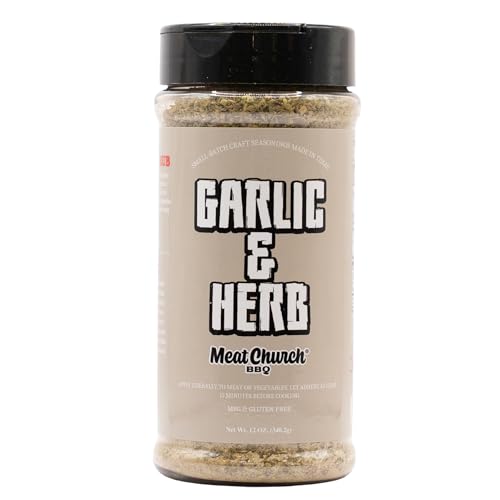
Meat Church Garlic & Herb Seasoning 12OZ

Anthony’s Organic Tapioca Flour Starch, 2.5 lb, Gluten Free

Quaker Rice Crisps, Gluten Free, 3 Flavor Sweet Variety Mix, 0.91oz Bags (Pack of 30)

Quaker Large Rice Cakes, Gluten Free, Lightly Salted + Salt Free Variety Pack, 4.47 Ounce (Pack of 6)

Quaker Large Rice Cakes, Gluten Free, 3 Flavor Variety Pack, 6 Count
Inside Each Recommended Option
Gluten free breads depend on a binder to give dough the elasticity that wheat flour provides naturally, and xanthan gum fills that role quietly. Rylenor’s 10-ounce canister delivers a single-ingredient, food-grade gum designed to dissolve smoothly into batters, sauces, and shakes without the dreaded clump that ruins a batch of pancakes.
For home bakers transitioning away from wheat, the resealable canister keeps the powder fresh between uses, and the plant-based profile slides neatly into keto, paleo, and vegan cooking without extra carbs to track. Compared to the almond flour ahead, this product doesn’t replace flour at all; it just makes the flour you already use behave better.
The Case For It
- Single-ingredient, food-grade xanthan gum with no additives
- Resealable canister protects freshness over weeks of use
- Works in baked goods, sauces, smoothies, and ice creams
- Fits keto, paleo, and vegan eating without extra carb load
Honest Caveats
- A little goes a long way, and over-measuring can leave batters gummy
- Owners commonly report the fine powder can drift if poured carelessly
At A Glance
Right Fit For
Home bakers who already stock a gluten-free flour blend and need a reliable binder to round out their gluten free breads.
A Better Fit Elsewhere
Snackers who would rather grab a ready-to-eat option should reach for the Quaker Rice Crisps Sweet Variety Mix instead, which requires no mixing at all.
Almond flour carries a lot of weight in a gluten free breads pantry, and Anthony’s Blanched Almond Flour earns its place by being unusually fine and consistent. The brown skins are removed before grinding, which leaves a lighter color and a softer mouthfeel in finished baked goods.
Made from California almonds and batch-tested to verify gluten-free status, the 4-pound bag covers weeks of cookies, quick breads, and pancakes. It pairs naturally with the Rylenor xanthan gum from the first pick, and you may find the two together handle most sweet baking needs without reaching for a third flour.
Practical Advantages
- Fine grind keeps crumb tender in muffins and quick breads
- Blanched for a lighter color and milder almond note
- Steam-pasteurized and batch-tested gluten-free
- 4-pound size covers heavy bakers over many weeks
Trade Offs
- Higher fat content means cookies can brown quickly, so bakers commonly shorten bake times
- The 4-pound bag needs cool, dry storage to prevent the natural oils from going stale
Best Suited To
Keto and low-carb home bakers building out a gluten free breads pantry centered on nut flours rather than starches.
Swap It Out When
Cooks who want a more neutral, starch-based thickener for gravies and batters will find Anthony’s Organic Tapioca Flour Starch a better match for their shelf.
A leavener is the quiet workhorse behind any tender gluten free breads loaf, and Clabber Girl’s double-acting baking powder brings a familiar name to the gluten-free shelf. Double-acting means it reacts twice, once when wet and again with heat, which helps gluten-free batters rise more reliably in the oven.
The 22-ounce twin pack covers heavy bakers and small households alike, and the pop-top can with a leveling edge keeps measuring simple. Compared to the almond flour, this isn’t a flour at all; it’s the lift that helps almond-flour and tapioca-based loaves actually puff instead of sinking.
What Makes Sense
- Gluten-free, vegan, and kosher certified for varied households
- Double-acting formula reacts with wet and dry ingredients
- Pop-top can with leveling edge simplifies measuring
Soft Spots
- Like all baking powder, it loses potency once opened, so freshness matters in long storage
- The 22-ounce can needs a dry cabinet to prevent clumping from humidity
Who Should Grab It
Everyday bakers making quick breads, biscuits, and pancakes who want a pantry-staple leavener that won’t complicate a gluten-free label check.
Look Elsewhere When
Cooks building their pantry around bold savory flavors will get more use from Meat Church Garlic & Herb Seasoning, which doubles as a finishing touch for grilled gluten-free breads.
Gluten free breads open the door to bolder toppings and rubs, and a 12-ounce shaker of Meat Church Garlic & Herb brings pit-cook flavor to a home kitchen. The blend leans on garlic and herbs, with no MSG in the mix, so it lands well on roasted vegetables, grilled chicken, and the occasional flatbread.
The generous 12-ounce size suits backyard cooks who treat seasoning like a daily tool, and the flavor profile complements the lighter almond-flour loaves covered earlier. For shoppers who mainly want a sandwich-friendly spread, the rice cake picks ahead will pair more naturally.
Bright Spots
- Garlic-forward profile with no MSG added
- Large 12-ounce shaker suits frequent grilling and roasting
- Gluten-free label suits shared kitchens with mixed diets
Worth Noting
- Garlic intensity may overpower delicate gluten free breads like a simple white sandwich loaf
- 12-ounce size is heavier than typical spice bottles, so the shaker needs a stable shelf spot
Made For
Grill and roast cooks who want a single seasoning that crosses over from meat to roasted vegetable toppings on thick gluten free breads.
Reach For A Different Pick When
Snackers wanting portable, no-prep crunch should grab the Quaker Large Rice Cakes Lightly Salted + Salt Free Variety Pack instead.
Tapioca starch is the unsung hero of a gluten free breads pantry, lending chewiness to flatbreads and glossy thickness to sauces. Anthony’s Organic Tapioca Flour Starch is USDA organic, batch-tested gluten-free, and tasteless, so it slips into recipes without adding its own flavor notes.
At 2.5 pounds, the bag covers a stretch of Brazilian cheese bread experiments, gravy thickener duty, and bubble tea nights. Compared to the almond flour, this starch doesn’t bring protein or fat; it brings structure, and that’s exactly what keeps many gluten free breads from falling apart.
Why It Works Well
- Neutral taste and odor blend cleanly into sweet and savory recipes
- USDA organic with batch-tested gluten-free verification
- 2.5-pound bag balances shelf life with quantity
- Useful for thickening, binding, and chewy bakes alike
Honest Caveats
- Owners commonly report the fine powder can clump in humid kitchens, so a sealed container helps
- Too much can make baked goods gummy, so recipes typically call for small amounts
Feature Snapshot
The Right Fit
Home bakers who want a neutral starch for sauces, gravies, and Brazilian cheese bread to round out their gluten free breads shelf.
Consider Something Else When
Sweet snackers looking for ready-to-eat crunch will get more immediate satisfaction from the Quaker Rice Crisps Sweet Variety Mix.
Not every gluten-free kitchen revolves around baking. The Quaker Rice Crisps Sweet Variety Mix brings 30 single-serve bags of caramel, apple cinnamon, and chocolate rice crisps to the pantry, sized for lunchboxes and afternoon snacks.
Built on whole-grain brown rice and free of artificial flavors, the crisps pair well with the pantry staples covered earlier when a snack break interrupts a bake. Compared to the larger rice cakes ahead, this pack trades topping space for grab-and-go convenience.
What Helps Most
- 30 single-serve bags keep portions controlled
- Whole grain brown rice base adds 11g of whole grains per serving
- Three sweet flavors rotate through a snack routine
- No artificial flavors listed on the packaging
Points To Note
- Sweet flavor profile may not suit snackers preferring savory options
- 30 small bags create more individual wrappers to manage than a single large box
Perfect Match For
Parents packing lunchboxes or commuters who want pre-portioned gluten free breads alternatives ready to grab from the cabinet.
Where Another Pick Suits Better
Snackers who want to load up their own toppings should reach for the Quaker Large Rice Cakes Lightly Salted + Salt Free Variety Pack instead.
Large rice cakes earn their place in a gluten free breads snack rotation by acting as a blank canvas for nut butter, jam, or sliced avocado. The Quaker Lightly Salted + Salt Free Variety Pack balances three lightly salted and three salt-free sleeves, giving snackers flexibility across the week.
Built on whole-grain brown rice and free of artificial flavors, these cakes hold up under toppings better than thinner, smaller rice cakes. The 4.47-ounce sleeves also keep portions generous, so you can top a couple of cakes without breaking open a second bag.
Well-Handled Touches
- Large format holds heavier toppings like nut butter and sliced banana
- Mix of lightly salted and salt-free sleeves covers varied tastes
- Whole grain brown rice base adds whole-grain content per serving
- No artificial flavors or added colors listed
Trade-Offs To Consider
- Plain cakes need toppings to feel like a satisfying snack on their own
- Larger cakes can crumble if broken by hand, so a knife works better
Best Suited To
Snackers who like to build their own toppings and want a sturdier base for spreads than smaller rice cakes offer.
Skip It When
Shoppers craving built-in flavor should pick up the Quaker Large Rice Cakes 3 Flavor Variety Pack, which comes pre-flavored.
For snackers who would rather skip the topping step, the Quaker Large Rice Cakes 3 Flavor Variety Pack delivers White Cheddar, Caramel Corn, and Apple Cinnamon across six sleeves, with two bags of each flavor. The whole-grain brown rice base keeps the ingredient list short, and the large cake format holds up nicely in lunchboxes.
Compared to the plain lightly salted + salt-free pack, this option trades the topping flexibility for built-in flavor. The honest read is that this pack works best in households where family members want different flavors without opening multiple boxes.
Reasons It Performs
- Three flavors cover both sweet and savory cravings
- Large cake format handles dips and spreads without crumbling
- Gluten-free label keeps it aligned with a dedicated pantry
Worth Bearing In Mind
- Built-in flavors mean added sodium and sugars compared to plain rice cakes
- Pre-flavored cakes leave less room for nut butter or jam layering
Who Will Love This
Snackers with mixed taste preferences in a household who want a single box that satisfies sweet, savory, and cheesy cravings.
Not Your Match When
Home bakers building out a baking pantry should circle back to Anthony’s Blanched Almond Flour for a foundational gluten free breads ingredient.
Choosing The Right Gluten Free Breads Pantry
Start With The Base Flour
The first decision is which flour to anchor a gluten free breads pantry around. Almond flour brings protein, fat, and a tender crumb, which works beautifully in cookies, muffins, and quick breads. Tapioca starch contributes chewiness and structure, which helps loaves hold their shape and sauces reach a glossy finish. Most home bakers eventually stock both.
Build Out The Binder And The Lift
Gluten-free flours don’t form elastic networks on their own, so binders and leaveners quietly carry the workload. Xanthan gum adds the stretch that wheat flour provides naturally, while double-acting baking powder delivers rise in two stages. Without these two, even the best flour can produce dense, flat loaves.
Round Out With Savory And Snack Options
Pantry staples don’t stop at flour. A versatile seasoning like the Meat Church blend opens the door to grilled flatbreads and savory toasts, while rice cakes and rice crisps handle the snack slot without triggering gluten cross-contamination. A balanced shelf usually pairs a baking base with a ready-to-eat option, so the pantry covers both project bakes and everyday crunch.
Key Considerations Across These Picks
Common Shopping Slip Ups
Gluten-free labels vary in rigor, and shoppers can get tripped up by vague claims. Always look for batch-tested certification on flour and starch products rather than relying on marketing language alone. Another trap is underestimating how quickly specialty flours go stale in warm kitchens, so plan on smaller bags and sealed containers if storage is limited.
Where The Extra Money Goes
Premium gluten-free flours cost more because of the sourcing and testing behind them. Organic certification, batch-level gluten testing, and steam-pasteurization all add production steps that justify the higher shelf price. The trade-off shows up in consistency, since rigorously tested flours behave more predictably in recipes, and for serious bakers that reliability is often worth the upgrade.
Frequently Asked Questions
What Is The Best Flour For Beginners Trying Gluten Free Breads?
Blanched almond flour is often the easiest starting point, because it behaves predictably in cookies, muffins, and quick breads without a steep learning curve. Adding a small amount of xanthan gum helps mimic the elasticity that wheat flour provides.
Do I Need Xanthan Gum For Every Gluten Free Bread Recipe?
Not every recipe calls for it, but recipes using only nut flours or rice flour usually need a binder to avoid a crumbly result. A teaspoon per cup of flour is a common starting ratio for tender loaves.
Can I Use Regular Baking Powder In Gluten Free Breads?
Baking powder is typically gluten-free, but the risk is shared manufacturing lines. For dedicated gluten-free kitchens, a clearly labeled can from a trusted brand keeps cross-contamination concerns off the table.
Are Rice Cakes A Good Substitute For Gluten Free Bread?
Rice cakes work well as a base for toppings like nut butter, hummus, or sliced avocado, but they don’t replace sandwich bread in a structural way. For sandwiches, look for actual gluten-free loaf breads made with rice or nut flours.
How Should I Store Gluten Free Flours And Starches?
Most benefit from cool, dry, sealed storage in glass or BPA-free plastic containers. Refrigeration helps nut-based flours stay fresh longer, while starches do well in a pantry as long as humidity stays low.
