

Most weekday lunches live or die by the bread holding them together. Pick a loaf that’s too dense and your turkey sandwich turns into jaw duty, but choose something too processed and you undermine the whole meal. The right sandwich bread should disappear into the experience while still bringing fiber, real grains, and clean ingredients to the table.
This roundup focuses on options that work for real households, including classic soft loaves, heartier whole wheat, and gluten-free choices for sensitive eaters. Each pick was reviewed for ingredient quality, slice texture, and how it holds up under a spread, a stack of deli meat, or a slice of avocado. There’s a fit here for school lunches, work-from-home desk snacks, and weekend brunch spreads alike.
The Picks In Brief

Nature’s Own Butterbread Sandwich Bread 20 oz Loaf

Nature’s Own Honey Wheat Sandwich Bread 20 oz Loaf

Nature’s Own 100% Whole Wheat Sandwich Bread 20 oz Loaf

Sara Lee Honey Wheat Sandwich Bread 20 oz Loaf

Sara Lee Butter Bread Sandwich Bread 20 oz Loaf

Happy Campers Buckwheat Molasses Gluten Free Bread 17.4 oz (2 pk)
Happy Campers Buckwheat Molasses Gluten Free Bread 17.4 oz (4 pk)
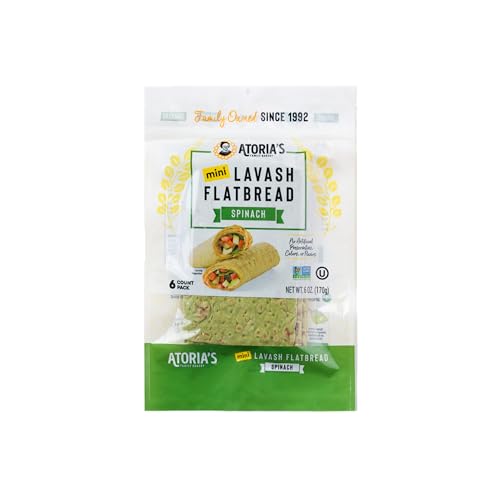
Atoria’s Family Bakery Mini Spinach Lavash Flatbread 8 Pack

Happy Campers Gluten Free Bread Variety Pack (4 pk)
The Details Behind The Selections
Nature’s Own Butterbread is the loaf most folks picture when they think of a classic American sandwich slice. It’s built around wheat flour with a touch of real butter folded into the recipe, which gives the crumb a softer bite than a plain white bread. The updated ingredient list keeps things shorter than older formulations, leaning on the basics instead of a long additive stack.
You’ll find it easy to stack with cold cuts, cream cheese, or a smear of jam without the slice tearing apart. For families packing lunches on autopilot, the soft texture and mild flavor rarely cause complaints from picky eaters.
What It Does Well
- Soft, pillowy texture that holds together under sandwich fillings
- Short ingredient list with no artificial colors, flavors, or preservatives
- Non-GMO Project Verified for shoppers who track that label
- Touch of real butter adds flavor without overpowering the bread
Things To Consider
- White-bread base means less fiber than the whole wheat option in this list
- Sliced loaves tend to go stale quickly once opened, so plan to use within a few days
Feature Snapshot
Who It Suits Best
Households that want a soft, kid-friendly loaf and care about avoiding artificial additives.
Where Another Pick Suits Better
Shoppers chasing serious whole grain fiber will get more from Nature’s Own 100% Whole Wheat Sandwich Bread instead.
Nature’s Own Honey Wheat swaps the butter for a drizzle of honey, which gives each slice a faint sweetness without veering into dessert territory. The base is still soft sandwich bread, so the eating experience stays familiar. If you regularly pack peanut butter and jelly, this is the loaf most kids ask for first.
The ingredient panel skips artificial preservatives, artificial colors, artificial flavors, and high fructose corn syrup. That makes it a reasonable middle ground between indulgent white bread and a heavier whole grain option.
Useful Strengths
- Mild honey flavor that pairs naturally with PB&J or honey ham
- No artificial preservatives, colors, or flavors
- No high fructose corn syrup in the formula
- Soft crumb that’s easy to slice for smaller appetites
Worth Noting
- Allergen note: contains wheat and soy, and is made on shared equipment with other allergens
- Lower fiber count than a true whole wheat option
Right Fit For
Parents building lunchboxes and anyone who likes a lightly sweetened wheat slice for breakfast toast.
Look Elsewhere When
Strict whole grain eaters should pick the Nature’s Own 100% Whole Wheat Sandwich Bread instead.
Nature’s Own 100% Whole Wheat tackles the common complaint that whole grain bread tastes too dense or too earthy. The recipe leans on expeller pressed canola oil, which is a mechanical extraction method that skips chemical solvents, helping the crumb feel lighter and taste smoother. For shoppers who want a true whole wheat slice that still feels like sandwich bread, this lands the brief.
It’s an easy swap for the butterbread or honey wheat version, and the non-GMO verification carries over here too. Expect a deeper, nuttier slice that holds up to mustard, hummus, or sliced avocado without going soggy.
The Good Stuff
- 100% whole wheat delivers meaningful fiber per slice
- Expeller pressed canola oil keeps the flavor clean and smooth
- Non-GMO Project Verified and free from artificial colors, flavors, and preservatives
- Updated recipe uses fewer ingredients than earlier versions
Trade Offs
- Heartier texture can feel dry without spreads or moist fillings
- Stronger whole wheat flavor may not appeal to kids used to softer loaves
Quick Facts
Made For
Adults and older kids who want real whole grain fiber without giving up sandwich-style softness.
Swap It Out When
Gluten-free households will get a better fit from the Happy Campers Buckwheat Molasses Gluten Free Bread.
Sara Lee Honey Wheat sits in a similar lane to the Nature’s Own honey wheat loaf, leaning on real honey for a touch of sweetness. Where it differs is the Sara Lee heritage: the brand is a familiar name in American pantries, and the formula skips artificial colors and artificial flavors entirely. If you like a slice that pulls double duty for sandwiches and French toast, this one earns its keep.
The profile is also low fat and cholesterol free, which lines up with light, everyday eating habits. Slices come soft and uniform, so they stack neatly in a lunchbox without much fuss.
A Few Strong Suits
- Made with real honey for a gentle, natural sweetness
- No artificial colors or flavors in the formula
- Low fat and cholesterol free for light-eating households
- Versatile for both savory sandwiches and sweet French toast
Honest Caveats
- Standard sandwich loaf fiber, so don’t expect whole grain levels
- Honey flavor is subtle, which can feel muted next to sweeter options
Best Suited To
Shoppers who want a soft honey wheat slice that’s equally at home in a packed lunch or on a brunch spread.
Reach For A Different Pick When
Anyone tracking Non-GMO certification may prefer Nature’s Own Honey Wheat Sandwich Bread instead.
Sara Lee Butter Bread is the kind of loaf that makes a basic piece of toast feel like a treat. Real butter is baked right into the crumb, which gives the slice a richer, more rounded flavor than a plain white bread. It also has zero grams of trans fat per serving, while staying low fat and cholesterol free.
Versatility is the real strength here. You can use it for school sandwiches, breakfast toast, avocado toast, or an afternoon snack with jam, and the soft, fluffy crumb cooperates with all of the above. For households that go through a loaf a week, the 20 oz size covers the basics.
Points In Its Favor
- Real butter delivers a richer flavor than plain white bread
- Zero grams of trans fat per serving
- Low fat and cholesterol free for everyday eating
- Works equally well for sandwiches, toast, and snacks
Points To Note
- White-bread base, so fiber content is modest
- Soft slices can compress under very wet fillings like tomato-heavy sandwiches
Who Will Love This
Anyone who wants a buttery, comforting loaf that handles the full range of breakfast and lunch duties.
Not Your Match When
Strict whole grain shoppers should pivot to Nature’s Own 100% Whole Wheat Sandwich Bread for more fiber.
Happy Campers Buckwheat Molasses steps in for shoppers who need a gluten-free option without falling back on empty starches. The loaf is built around whole grain buckwheat, an ancient grain that’s actually unrelated to wheat, along with sunflower, flax, and millet seeds. Buckwheat brings an earthy, slightly nutty backbone that pairs naturally with sweet and savory fillings alike.
The two-pack ships fresh and stays good refrigerated for about two weeks or frozen for up to six months, so smaller households can pace themselves without waste. A touch of molasses adds gentle sweetness that balances the hearty grains.
What Pays Off
- Made with whole grain buckwheat plus sunflower, flax, and millet
- Free from the nine major allergens, including wheat and dairy
- Preservative-free formula
- Refrigerator-friendly for roughly two weeks, freezer-friendly for six months
Some Limits To Know
- Denser crumb than wheat-based sandwich bread, so toasting helps in many recipes
- Smaller 17.4 oz loafs may run out fast for larger families
Spec Overview
Perfect Match For
Gluten-free shoppers in one- or two-person households who want a hearty, grain-forward sandwich bread.
A Better Fit Elsewhere
Larger families may prefer the Happy Campers Buckwheat Molasses Gluten Free Bread 4-pack for fewer reorders.
The 4-pack version of the Happy Campers Buckwheat Molasses Bread is the same loaf, just doubled up. The format is genuinely useful for gluten-free households that go through bread faster, because the freezer-friendly storage window means you can keep extras tucked away without sacrificing freshness. It’s a simple way to cut down on reorder frequency.
The recipe still centers on buckwheat, sunflower, flax, and millet, with no preservatives and no major allergens. If you bake avocado toast or build lunchbox sandwiches daily, this bundle keeps the pantry stocked.
The Upside
- Larger bundle reduces reorder frequency for active households
- Same whole grain, allergen-friendly formula as the 2-pack
- Freezer-stable for up to six months when sealed
- Works for both sweet and savory toppings
A Few Limitations
- Heavier up-front buy compared to the 2-pack
- Buckwheat flavor is pronounced, so it’s not a swap-in for plain white bread taste
Built With In Mind
Gluten-free families who want to keep a steady supply on hand without reordering every week.
Consider Something Else When
Shoppers who want flavor variety in one order should look at the Happy Campers Gluten Free Bread Variety Pack.
Atoria’s Family Bakery Mini Spinach Lavash flips the sandwich bread idea on its side. Lavash is a thin, traditional flatbread traced back to Mesopotamian baking, and this version folds spinach into the dough for a subtle vegetable note and a touch of color. Eight packs of six sheets deliver 48 wraps in total, which is generous for meal preppers.
Use them as wraps, roll-ups, pinwheels, or thin pizza bases, and you’re set for a week’s worth of lunches. The brand skips artificial preservatives and flavors, leaning on a clean, straightforward ingredient list.
A Strong Showing
- Spinach-infused dough adds mild vegetable flavor and visual appeal
- Eight packs of six sheets give you 48 wraps for meal prep
- Versatile for wraps, pinwheels, thin pizzas, and lunchbox roll-ups
- No artificial preservatives or flavors in the formula
Possible Compromises
- Thin sheets can tear when overstuffed, so lighter fillings work best
- Flavor profile is milder than a hearty grain bread, which may not satisfy cravings for a classic sandwich slice
Whose Shelf It Belongs On
Home cooks who want one flexible flatbread for wraps, snacks, and creative lunchbox ideas throughout the week.
Where A Sibling Pick Shines
Anyone craving traditional sandwich slices should pick the Sara Lee Butter Bread Sandwich Bread instead.
Happy Campers Variety Pack is the easiest way to test the brand without committing to a single flavor. The bundle includes four loaves: white whole grain, cinnamon raisin, buckwheat molasses, and hemp. Each one brings a different grain profile to the table, which keeps gluten-free lunches from feeling repetitive by Wednesday.
All four loaves are free from the nine major allergens and are made without preservatives, so the ingredient list stays short. Prebiotic fiber and plant-based protein show up across the lineup, which is a meaningful upgrade over rice-flour-heavy gluten-free options.
Advantages To Know
- Four distinct flavors cover sweet and savory needs in one order
- Free from the nine major allergens, including gluten and dairy
- Prebiotic fiber and plant-based protein across the lineup
- Preservative-free and shipped fresh for storage flexibility
Details To Watch
- Loaf sizes vary from 11 to 17.4 oz, so plan portions accordingly
- Some flavors lean dense, and toasting brings out the best texture
The Right Fit
Gluten-free households that want to keep breakfast toast, sandwich slices, and snack options stocked with one order.
Skip It When
Shoppers who already know they love buckwheat molasses can save by ordering the 4-pack of that single flavor.
What To Weigh Before Picking Up A Loaf
Reading The Ingredient Panel
A shorter ingredient list almost always signals a cleaner loaf, especially when you recognize most of the entries. Look for terms like “whole wheat flour” or “expeller pressed oil” instead of vague “enzymes” or long chemical names, and flag any loaves that lean on high fructose corn syrup, artificial colors, or artificial flavors. For households tracking sourcing, Non-GMO Project Verified, USDA Organic, or similar third-party labels provide an extra layer of confidence.
Matching Bread To Filling
The bread you pick should match what you actually put between the slices. Heavier, moist fillings like tomato and avocado need a sturdier slice, while dry fillings like turkey and cheese work fine with a softer loaf. For wraps and roll-ups, thin lavash or flatbread handles the job better than sliced bread, since the bend won’t crack the crumb.
Gluten-Free Realities
Going gluten-free means adjusting expectations around texture and storage. Most gluten-free loaves are denser than wheat bread, and many benefit from a light toast before eating. Storage is also tighter, so smaller bundles or freezer-friendly options help reduce waste. Look for allergen-friendly loaves made with whole grains like buckwheat, millet, or hemp for more fiber and protein.
Portion Size And Household Needs
Loaf size, slice count, and bundle format all affect how often you reorder. A single 20 oz loaf covers about a week’s worth of lunches for one or two people, while a 4-pack makes more sense for larger families or gluten-free households that want to freeze extras. Multipacks also tend to reduce per-loaf waste if you can pace usage through the freezer.
Key Considerations Across These Picks
Pitfalls Shoppers Hit
One common slip is buying by brand familiarity alone and ignoring the actual ingredient panel. Two loaves that look similar on the shelf can have very different sugar, fiber, and additive profiles, so a quick read of the back of the bag is worth the extra minute. Another trap is assuming “wheat” and “whole wheat” are the same thing: only 100% whole wheat delivers the full grain, including the fiber-rich bran and germ.
Where The Extra Money Goes
Stepping up to a specialty loaf, like a gluten-free or ancient grain option, often costs more because the grains themselves are pricier and the formulas avoid shared production lines for allergen safety. Premium options also tend to use shorter, cleaner ingredient lists and ship fresh rather than sitting on a shelf for weeks. The upgrade pays off when those details match your household’s needs, especially for sensitive eaters, and matters less if a basic soft loaf is all you actually use.
