

The bread aisle can feel like a quiet puzzle. You want more fiber, but the loaves promising whole grains sometimes taste like cardboard, and the soft, satisfying ones hide refined flour. Sorting through that noise is the whole point of this guide. These nine picks cover the real range: seeded sandwich loaves, sprouted grain breads, and lower-carb tortillas that pull their weight on a high-fiber plate. You’ll find everyday options, low-carb swaps for wraps, and a few flatbreads worth keeping stocked. The goal is helping you pick a loaf or wrap that fits how you actually eat, not just what looks wholesome on the label.
The Leading Options At A Glance

Dave’s Killer Bread Good Seed Organic Bread, 27 oz Loaf

Arnold Whole Grains Oatnut Bread, 24 oz Loaf

Food For Life Ezekiel 4:9 Organic Bread, 24 Ounce

Basil Flour Tortilla Wraps 8″ 6 Pack Case

Nature’s Own Butterbread Non-GMO Bread, 20 oz Loaf

Nature’s Own Honey Wheat Sandwich Bread, 20 oz Loaf

Olé Xtreme Wellness High Fiber 10″ Flour Tortillas 6 Count (Pack of 4)

Olé Xtreme Wellness Variety Flavors 8″ Flour Tortillas 8 Count (4 Pack)
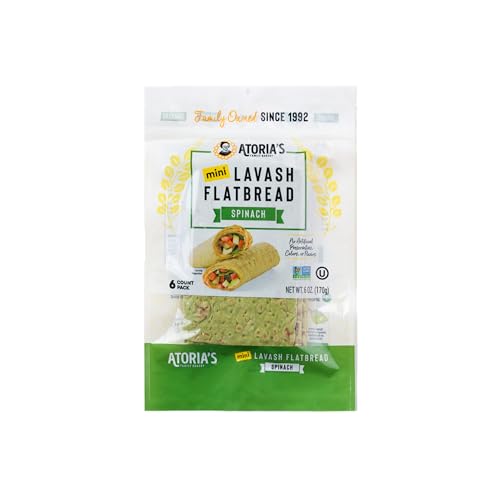
Atoria’s Family Bakery Mini Spinach Lavash Flatbread 8 Pack
A Deeper Look At The Lineup
The Good Seed loaf from Dave’s Killer Bread is the kind of seeded sandwich bread that earns a permanent spot on the counter. Each slice packs 5 grams of protein, 3 grams of fiber, and 14 grams of whole grains, plus 440mg of ALA omega-3 from the seeds scattered across every cut. You’ll find it lands well for lunchbox builds, avocado toast, and quick egg sandwiches when you want a little more staying power than plain wheat offers.
It’s USDA organic and non-GMO project verified, and the ingredient panel skips high-fructose corn syrup along with artificial preservatives. For households balancing a kid’s PB&J habit with a parent’s desire for better grains, this loaf tends to be the compromise that actually tastes good. The 27-ounce size is generous for families burning through sandwiches all week.
Notable Gains
- Three grams of fiber per slice, plus 5 grams of protein, makes a noticeably more filling sandwich than white bread.
- Seeds baked right into the crumb add texture and a toasty flavor without the gritty chew of some grain breads.
- USDA organic and non-GMO verified, with no high-fructose corn syrup or artificial preservatives in the ingredient list.
- The 27-ounce loaf is a practical size for families or anyone meal-prepping sandwiches for the week.
Worth Noting
- Seeds and grains mean a denser crumb, so it won’t deliver the pillow-soft bite of a plain white loaf.
- Shelf life is shorter than mass-market sandwich bread, and owners commonly store it in the freezer to keep it from going stale fast.
Key Specs
Made For
Families and daily sandwich makers who want a hearty, seeded loaf that actually tastes good enough to replace white bread.
Where Another Pick Suits Better
Soft-bread loyalists will get a closer match from Nature’s Own Butterbread, which skips seeds for a fluffier crumb.
Arnold’s Whole Grains Oatnut brings a softer approach to fiber-rich eating. Two slices deliver 28 grams of whole grains, 4 grams of fiber, and 8 grams of protein, which is a meaningful upgrade over plain wheat without crossing into the chewy, seed-studded territory of Dave’s Killer. The oat-and-nut combination gives the crumb a slightly sweet, nutty character that works just as well for breakfast toast as it does for turkey and Swiss at lunch.
The ingredient list stays clean, with no artificial colors, flavors, or preservatives, which is a real plus for households that read every label. It packs well for school lunches because the slices hold up to spreads without crumbling. For anyone easing into whole grains from a softer bread background, this is often a comfortable middle step.
The Case For It
- Four grams of fiber and 8 grams of protein per two slices adds up quickly for a sandwich or toast habit.
- Oat and nut inclusions create a richer, slightly sweet flavor that bridges white-bread eaters and whole-grain fans.
- No artificial colors, flavors, or preservatives, which keeps the ingredient panel short and easy to parse.
- Slices tend to stay intact under spreads and wet fillings, making it lunchbox-friendly.
Trade Offs
- Contains wheat and tree nuts, so it isn’t a fit for nut-free households or anyone with a tree-nut allergy.
- The denser texture won’t please shoppers hunting for the lightest, airiest crumb on the shelf.
Who It Suits Best
Breakfast regulars and label-readers who want a softer whole-grain loaf with a touch of nuttiness and clean ingredients.
Skip It When
Nut-free kitchens should look at Food For Life Ezekiel 4:9 instead, which delivers whole grains without the tree-nut component.
Food For Life’s Ezekiel 4:9 sits in its own category. The “sprouted” part matters: the grains and legumes are germinated before baking, which changes how the body digests them and the nutrient profile they deliver. For shoppers who care about ingredient sourcing, this loaf leans fully organic and skips flour in favor of whole sprouted grains, which is a different beast from your average supermarket multigrain.
The honest read is that the dense, slightly sweet crumb and chewy texture aren’t for everyone. Toast it, and it really shines with nut butter, avocado, or a runny egg. People who like soft sandwich bread often find the density a lot, but once they pair it with strong flavors, the trade-off feels fair. For anyone rebuilding their bread routine around sprouted grains, this is the standard reference point.
Notable Upsides
- Sprouted grains and legumes offer a different nutrient and fiber package than conventional whole wheat.
- Organic ingredients throughout, with no flour-based shortcuts diluting the whole-grain content.
- Toasts beautifully, holding up to wet toppings and spreads without falling apart.
- Freezes well, which helps because the loaf tends to disappear quickly once toasted.
Points To Note
- The dense, chewy crumb is a real departure from soft sandwich bread and may take some getting used to.
- Owners commonly store it frozen because it has a shorter counter life than mass-market loaves.
Best Suited To
Health-focused eaters curious about sprouted grains who toast their bread and pair it with bold toppings.
Not Your Match When
Soft sandwich bread devotees will find a gentler transition in Dave’s Killer Bread Good Seed, which still adds fiber but keeps a friendlier crumb.
Basil flour tortilla wraps change the game for weeknight dinners. The 8-inch size is a sweet spot: large enough to wrap a real burrito or roll up a quesadilla, small enough that kids can handle them without the filling squirting out the back. The basil infusion adds a savory, slightly herbal note that pairs with everything from grilled chicken to roasted vegetables, and it skips plain flour’s blandness without crossing into specialty territory.
The 6-pack case is built for households that put wraps on rotation. You can stash extras in the freezer and pull out only what you need. For families trying to add more whole grains beyond sandwiches, these wraps give you a second format to work with during the week. They’re also handy for lunchbox pinwheels, where the basil flavor reads nicely against cream cheese and turkey.
What Stands Out
- Basil baked into the wrap adds built-in flavor, so you need fewer sauces or seasonings to make a wrap feel complete.
- 8-inch size works for both adult burritos and smaller kids’ wraps, simplifying a household’s wrap rotation.
- The 6-pack case offers a real cost-per-wrap advantage for families who use wraps weekly.
- Flexible enough to roll without cracking once warmed, which is the make-or-break test for any tortilla.
Honest Caveats
- Warming matters: cold out of the package, they can split, so a quick skillet or microwave pass helps.
- Once opened, the stack dries out faster than a sealed loaf, so resealing or freezing extras keeps the texture right.
Perfect Match For
Busy families that rotate wraps through the week and want a flavorful option that works for both kids and adults.
Look Elsewhere When
Shoppers tracking net carbs strictly should pivot to the Olé Xtreme Wellness High Fiber tortillas, which are built around lower carb counts.
Nature’s Own Butterbread isn’t trying to be a high-fiber powerhouse. It’s a soft, buttery sandwich loaf with a tight crumb and a mild flavor that kids happily eat without complaint. The recent recipe update trimmed the ingredient list, and the loaf stays non-GMO project verified with no artificial colors, flavors, or preservatives. For many households, that combination of clean label and crowd-pleasing texture is exactly the daily driver they need.
The 20-ounce size is a single-loaf format that fits smaller households or anyone who doesn’t want leftover bread going stale before they can use it. It works beautifully for grilled cheese, simple turkey sandwiches, French toast, and the kind of low-fuss breakfast toast that sets up a busy morning. It’s the loaf you keep around when whole grain options just don’t get finished in your house.
Features That Help
- Soft, buttery crumb appeals to kids and adults who prefer mild flavors over grain-forward loaves.
- Updated recipe with a shorter ingredient list makes the label easier to scan.
- Non-GMO project verified, with no artificial colors, flavors, or preservatives.
- The 20-ounce loaf is a practical size for one to two people who eat bread regularly but not in bulk.
Less-Strong Areas
- Fiber content is modest compared to whole-grain options, so it isn’t a high-fiber loaf by design.
- Soft texture means it compresses in lunchboxes more than denser whole-grain breads.
Right Fit For
Smaller households and families with picky eaters who want a clean-label, soft sandwich bread for everyday use.
A Better Fit Elsewhere
Anyone specifically chasing fiber per slice should consider Arnold Whole Grains Oatnut for a softer route into whole grains.
The Honey Wheat loaf from Nature’s Own splits the difference between a kid-friendly white bread and a more grown-up wheat option. A touch of honey lightens the flavor, and the slices stay soft enough for the youngest eaters in the house. The clean label skips artificial preservatives, colors, and flavors, and there’s no high-fructose corn syrup, which matters for parents reading every line.
It plays especially well with classic sandwich builds. Honey ham, turkey, and the everyday peanut butter and jelly all taste right on this bread because the subtle sweetness lifts those flavors. The 20-ounce size is a manageable single loaf for households that don’t burn through bread at high speed but still want something fresh and reliable for lunches and breakfast toast throughout the week.
Key Advantages
- A touch of honey adds a gentle sweetness that pairs naturally with ham, PB&J, and breakfast spreads.
- No artificial preservatives, colors, flavors, or high-fructose corn syrup, keeping the label short and recognizable.
- Soft texture holds up to kid sandwiches and lunchbox packing without crumbling on the way to school.
Factors To Consider
- Contains wheat and soy, which can matter for households managing specific allergens.
- It isn’t a high-fiber bread by design, so it works best as a daily soft loaf rather than a fiber boost.
Feature Snapshot
Whose Shelf It Belongs On
Parents stocking lunchbox staples who want a soft, lightly sweet wheat bread with a clean ingredient panel.
Reach For A Different Pick When
Shoppers with active households that finish a loaf in a day or two might prefer the larger 27-ounce Dave’s Killer Bread Good Seed format.
The Olé Xtreme Wellness High Fiber tortillas target a specific shopper: someone tracking net carbs and fiber closely, often alongside a keto or lower-carb eating pattern. Each tortilla is built around 5 grams of net carbs with 19 grams of fiber per serving, which is a major rebalancing compared to standard flour tortillas. The 10-inch size is roomy enough for a serious burrito build, and the inclusion of flaxseed and avocado oil shifts the fat and fiber profile in a more deliberate direction.
They warm up flexible and hold fillings well once heated, which is the make-or-break moment for any tortilla. Keto certification adds a layer of comfort for shoppers who care about third-party verification. For meal preppers building burrito bowls or low-carb wraps for the week, the four-pack case offers enough volume to keep things rotating without a constant re-stock trip.
What It Does Well
- Nineteen grams of fiber and 5 grams of net carbs per tortilla is a significant rebalancing versus standard wraps.
- Avocado oil and flaxseed inclusions shift the fat and fiber profile beyond plain flour.
- 10-inch size is generous for burrito-style builds without falling apart mid-roll.
Some Limits To Know
- Warming is essential: straight from the package they can crack, so a short skillet or microwave pass is part of the routine.
- Four-pack case is a larger up-front commitment, which may feel like a lot for smaller households.
Quick Facts
Built With In Mind
Lower-carb and keto households that want a generous, high-fiber tortilla for burrito nights and meal prep.
Swap It Out When
Shoppers wanting flavor variety in a smaller tortilla should check out the Olé Xtreme Wellness Variety Flavors 8-inch pack instead.
The Variety Flavors pack takes the Xtreme Wellness formula and rotates through different flavor options, so a single case keeps lunch and dinner interesting without buying four separate SKUs. The 8-inch size is a friendlier fit for smaller wraps, snack-style roll-ups, and portion-controlled burritos, and the fiber lands at 12 to 11 grams per tortilla depending on the flavor. Net carbs sit at just 3 grams, which is a meaningful step down from typical flour tortillas.
Avocado oil and flaxseed inclusions carry over from the larger high-fiber version, so the fat and fiber profile stays consistent. For households where one person wants plain and another wants something more interesting, the variety pack bridges that gap neatly. The four-pack case also gives you room to stash extras in the freezer, which helps with the shorter counter life that comes with cleaner ingredient panels.
Points In Its Favor
- Variety pack format removes the guesswork of picking a single flavor, which helps mixed households and meal prep.
- Three grams of net carbs per tortilla is among the lowest you’ll find in a soft flour-style wrap.
- Avocado oil and flaxseed are included across the flavor range, keeping the ingredient quality consistent.
Practical Considerations
- The 8-inch size is smaller than the 10-inch High Fiber version, so very full burrito builds may feel tight.
- Like most low-carb tortillas, warming before use is required to avoid cracking mid-roll.
Who Will Love This
Mixed households and meal preppers who want low-carb tortillas in multiple flavors without buying four separate packs.
Consider Something Else When
Shoppers focused on maximum fiber per tortilla should look at the Olé Xtreme Wellness 10-inch High Fiber option, which pushes fiber even higher.
Atoria’s Mini Spinach Lavash sits at the creative end of the bread spectrum. These are thin flatbreads baked in a traditional Mesopotamian style, and the spinach version folds vegetable content right into the dough. The mini format makes them ideal for lunchbox wraps, personal pizzas, and quick flatbread sandwiches, and the 8-pack of 6 sheets (48 wraps total) means you won’t run out after one meal prep session.
The all-natural ingredient list, GMO-free status, and no artificial preservatives or flavors positioning gives label-conscious shoppers a cleaner option than most flatbreads on the shelf. The thin sheets crisp up nicely in a pan or under a broiler, so they double as a pizza base when the mood strikes. For households that like the idea of wraps but want something different from a typical flour tortilla, lavash is a refreshing pivot.
A Favorable Mix
- Mini format is purpose-built for lunchbox wraps, personal pizzas, and portion-controlled snacks.
- Spinach baked into the dough adds vegetable content and color beyond plain flour wraps.
- Eight packs of six sheets (48 wraps total) covers a full meal prep stretch for a small household.
Things To Weigh Up
- Thin lavash can dry out once opened, so resealing or storing in an airtight container is part of the routine.
- The 48-sheet commitment is generous, which is great for heavy users but a lot for casual shoppers.
Essential Details
Right Fit For
Curious cooks and lunchbox packers who want a thin, vegetable-based flatbread for wraps, pizzas, and snacks.
Where A Sibling Pick Shines
Shoppers wanting a heartier wrap for burrito builds will get more structural support from the Olé Xtreme Wellness 10-inch tortillas.
What Matters Most Before Choosing High Fiber Breads
Fiber Source And Whole Grain Content
Fiber on the label tells you the number, not the story. Whole grains, seeds, sprouted grains, and added fibers like flaxseed or chicory root each contribute differently to digestion and satiety. A slice with 3 grams of fiber from whole wheat behaves differently from a tortilla with 19 grams pulled from added fibers, so it helps to glance at the ingredient list and see where the fiber is actually coming from.
For shoppers building a high-fiber routine across multiple meals, variety matters more than chasing the single highest number. Pairing a seeded sandwich bread with a fiber-rich wrap covers more ground than picking one loaf and expecting it to do everything.
Texture, Flavor, And Household Reality
Texture is the real dealbreaker. A dense, chewy Ezekiel loaf is fantastic for someone who toasts every slice, but it can sit untouched in a household that prefers soft sandwich bread. Arnold Whole Grains Oatnut offers a softer middle path, while Nature’s Own Butterbread or Honey Wheat keep the crumb light for picky eaters.
Flavor follows the same logic. Seeded loaves bring nuttiness and chew, oatnut adds a gentle sweetness, and the lavash and tortillas shift the format entirely. Picking a bread your household will actually finish before it stales is the single biggest factor in getting value from any loaf.
Loaf Size, Storage, And Freshness
Loaf size matters more than it seems. A 27-ounce Dave’s Killer loaf is great for a family of four burning through sandwiches, but for one or two people, half of it can go stale before you finish. The 20-ounce Nature’s Own loaves and smaller portion-controlled lavash packs help avoid that waste. If you do buy a larger loaf, plan to freeze what you won’t use within a few days.
Cleaner ingredient panels often come with shorter counter lives, so storage planning is part of the deal. For tortillas, warming before use is non-negotiable if you want them to roll instead of crack, and resealing opened packs keeps them pliable longer.
Carb And Allergen Considerations
For shoppers watching net carbs, the Olé Xtreme Wellness tortillas are built specifically for that pattern, with keto certification and 3 to 5 grams of net carbs per wrap. For households managing allergens, Arnold Whole Grains Oatnut contains tree nuts, and many of these loaves are manufactured on shared equipment that also processes common allergens like soy. Reading the allergen statement is just as important as the fiber number.
Smart Choices Around These Picks
Pitfalls Shoppers Hit
The most common mistake is buying a high-fiber loaf for its number and watching it sit untouched because the texture or flavor didn’t fit the household. Fiber per slice only helps if the bread actually gets eaten. The other trap is assuming all “whole grain” or “wheat” labels mean the same thing; some loaves are mostly refined flour with a small amount of whole grain added, and the ingredient list shows the difference immediately.
Another slip-up is ignoring storage. Denser, cleaner-label breads tend to stale faster than mass-market loaves, and skipping the freezer step wastes the loaf before you get the fiber benefit you bought it for.
What The Higher Tier Buys
Paying more usually buys sprouted grains, organic certification, specialty inclusions like flaxseed or avocado oil, and a longer ingredient panel you can actually pronounce. Dave’s Killer and Food For Life sit in that premium tier, and what you get in return is a more nutrient-dense slice, organic sourcing, and a cleaner label. For shoppers rebuilding their bread routine around real whole grains, the upgrade tends to pay off in how satisfying the bread feels at meals.
The upgrade is less worth it if your household consistently prefers soft, mild sandwich bread. In that case, a clean-label everyday loaf like Nature’s Own Honey Wheat is a smarter buy than a premium sprouted loaf that ends up half-eaten and eventually stale.
Frequently Asked Questions
How much fiber should you look for in a slice of bread?
Most nutrition guidance points to around 3 or more grams of fiber per slice as a meaningful contribution toward daily goals. Whole grain sandwich breads in this list range from 3 to 4 grams per slice, while the fiber-focused tortillas push that number much higher per serving.
Are sprouted grain breads better than regular whole wheat?
Sprouted grains are often easier to digest and carry a different nutrient profile than conventional whole wheat, but “better” depends on your goals. Some people find them more satisfying, while others prefer the milder flavor of traditional whole wheat loaves.
Do high-fiber tortillas taste different from regular flour tortillas?
Yes, the added fibers and lower net carb count can change the flavor and texture slightly. Most low-carb tortillas are best warmed before use so they roll without cracking, and many shoppers find a flavored variety pack helps the transition.
Can kids eat high-fiber breads?
Kids can absolutely eat high-fiber breads, though texture matters most. Seeded and sprouted loaves are sometimes too chewy for younger eaters, while softer options like Nature’s Own Honey Wheat or Arnold Whole Grains Oatnut tend to land better with kids.
How should you store high-fiber bread to keep it fresh?
Counter storage works for a few days, but most clean-label, whole grain, and sprouted loaves keep much longer in the freezer. Slice before freezing so you can pull out only what you need, and toast or warm directly from frozen.
