

Sourdough is a quiet obsession. You feed the starter, watch it rise, plan your bake day around temperature and timing, and then your flour choice quietly decides whether the crumb opens up or stays tight. Italian and Italian-style flours have earned a serious following among home bakers who want stronger gluten development, cleaner fermentation, and more flavor in the final loaf.
The shortlist below pulls together eight options worth knowing: heritage French wheats, classic 00 pizza flours, organic workhorses, and high-protein artisan blends. Each one behaves a little differently in a sourdough context, so the right pick depends on what you’re baking and how hydrated you like to work.
How The Shortlist Stacks Up
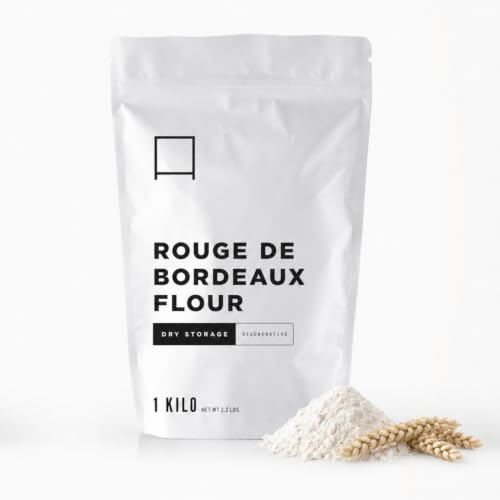
Dry Storage Rouge de Bordeaux Bread Flour 1 Kg
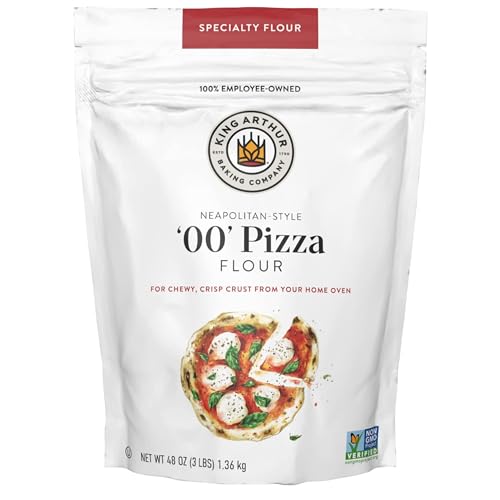
King Arthur 00 Pizza Flour 3 lb Bag

Antimo Caputo Chef’s Flour Case of 10
Antimo Caputo Chefs Flour Pack of 10

Bob’s Red Mill Semolina Pasta Flour 24 oz 2 Pack

Antimo Caputo 00 Chefs Flour Pack of 4

Dry Storage Functional Flour 1 Kg Organic

Dry Storage Yecora Rojo Bread Flour 1 Kg
Taking A Closer Look At The Options
Rouge de Bordeaux is a heritage French wheat that bakers reach for when they want something with real grain character. Stone milling, the process of grinding grain between two large stones, preserves more of the bran and natural oils than industrial roller milling, which gives the finished dough a deeper color and a more rustic aroma. In a sourdough context, that translates to loaves with a noticeably nuttier crumb and a crust that caramelizes darker in the oven.
The 1 kg (2.2 lb) bag is a manageable size for someone baking once or twice a week, and it stores easily in a cool pantry. This flour behaves best in formulas with moderate hydration, around 70% to 75%, where its flavor can come through without the dough turning slack. For bakers used to neutral all-purpose flour, the earthy profile is a clear step up in personality.
Well-Handled Touches
- Heritage Rouge de Bordeaux wheat brings genuine grain depth to the finished crumb
- Stone milling retains bran and oils, which often show up as richer aroma during bake
- Strong dough performance holds shape well in shaped boules and batards
- Modest 1 kg size is approachable for a home baker exploring heirloom wheats
Worth Noting
- Smaller package means a higher cost per bake than bulk options like the Antimo Caputo 2.2 lb bags
- Stone-milled flours tend to lose peak performance faster once opened, so finishing the bag within a few months is wise
- Coarser bran specks may show in the final crumb if you prefer a refined interior
Feature Snapshot
Right Fit For
Bakers who care more about grain flavor and rustic crumb than extreme open holes, and who bake often enough to use a small bag quickly.
Look Elsewhere When
The Dry Storage Yecora Rojo Bread Flour 1 Kg is a better match if you want a stronger gluten structure for very wet, open-crumb sourdough formulas.
King Arthur’s 00 is a finely milled American-grown wheat flour designed for pizza, but it crosses over into sourdough territory more often than people expect. The “00” refers to the Italian grading system, where 00 is the finest grind, producing a silky texture that absorbs water predictably. Sourdough bakers who want a smoother dough without giving up gluten strength often blend it with a heartier bread flour.
The 3 lb bag is a comfortable middle-ground size. It fits a few weeks of weekend pizza nights with a couple of sourdough experiments tucked in, and it comes from a brand with reliable milling consistency. The texture feels closer to pastry flour to the touch, but the protein content supports longer ferments better than typical pastry blends.
The Upside
- Fine 00 grind gives a noticeably smooth, elastic dough after mixing
- 100% American-grown wheat appeals to bakers sourcing close to home
- Non-GMO Project Verified, which matters to ingredient-conscious shoppers
- Versatile across Neapolitan-style pizza, flatbreads, and softer sourdough loaves
Trade Offs
- Lower protein than dedicated bread flours like Yecora Rojo, so it may need blending for very high hydration
- Pure 00 character is subtle in long-fermented loaves where the sour note can dominate
Who Should Grab It
Home bakers splitting their time between sourdough loaves and Friday pizza nights, who want one bag that handles both well.
Where Another Pick Suits Better
Antimo Caputo Chefs Flour Pack of 10 makes more sense for a household baking pizza every week and wanting a deeper Italian flour character at scale.
Antimo Caputo’s Chef’s Flour is the bag most home pizzaiolos reach for first. This case pack of ten 2.2 lb bags totals 22 lb, which sounds like a lot, but for a household running a weekly pizza ritual, it disappears faster than expected. The flour is milled in Italy from soft wheat, then ground to a true 00 specification.
Outside of pizza, this flour plays surprisingly well in soft-crumb sourdough loaves and enriched breads. The 00 grind keeps the texture tender, while soft wheat still carries enough structure for a controlled cold ferment. Bakers with limited pantry space should measure their storage before committing, because ten bags stacked take up real room.
Advantages To Know
- Ten-bag case pack lowers the per-bake cost substantially
- Authentic Italian 00 milling produces a silky, easy-to-stretch dough
- Soft wheat character pairs nicely with long, cool fermentations
- Established pizzeria heritage offers reassurance for traditional recipes
Honest Caveats
- 22 lb total is overkill for casual bakers who bake a few times a month
- Soft wheat 00 lacks the bite of a high-protein bread flour in rustic sourdough
- Bulk storage requires a sealed bin in a cool, dry spot to keep the flour fresh
Quick Facts
Whose Shelf It Belongs On
Active home pizzaiolos and small kitchens running a pizza oven on a regular rotation who want a steady supply of true Italian 00.
Skip It When
The Bob’s Red Mill Semolina Pasta Flour 24 oz 2 Pack is a smarter call if your sourdough work leans toward pasta, semolina breads, or supplemental texture additions.
This second Antimo Caputo listing follows the same case-pack format, ten 2.2 lb bags of the same soft wheat 00 flour, and earns a separate spot because the offering targets bakers who split their work evenly between pizza dough, fresh pasta, and lighter sourdough loaves. The dual-purpose framing is real: 00 soft wheat behaves predictably across all three.
Pasta makers will notice how cleanly the dough comes together in a stand mixer, and sourdough bakers can stretch hydration to around 70% without the dough turning fragile. The pack size remains the same 22 lb total, so the storage and freshness math carries over from the earlier Caputo entry.
Benefits That Matter
- Performs across pizza, bread, and pasta without swapping flours mid-week
- Soft wheat 00 keeps hand-stretched pizza dough calm and cooperative
- Long-fermentation friendly for sourdough experiments up to 24 hours at cool temperatures
Points To Keep In Mind
- Identical flour in a different listing, so compare the pack size and total weight before ordering duplicates
- Soft wheat lacks the chew of higher-protein artisan bread flours, which some sourdough bakers miss
Best Suited To
Home cooks maintaining a tight rotation of pizza nights, fresh pasta sessions, and weekend sourdough without juggling multiple flour bags.
Not Your Match When
The Dry Storage Functional Flour 1 Kg Organic is a stronger pick for bakers who want one organic flour that handles everything from pastry to pizza to sourdough starter in smaller quantities.
Semolina earns its spot on this list as a blending flour rather than a stand-alone sourdough base. Made from durum wheat, it has a golden color, a slightly sandy texture, and a higher protein content than most bread flours. In sourdough, semolina typically appears at 10% to 30% of the total flour weight, where it adds chew, a richer yellow crumb, and a more pronounced wheat flavor.
Bob’s Red Mill’s version comes in a 24 oz bag, and the two-pack makes sense because semolina tends to disappear in small but steady amounts. The grind is coarser than typical wheat flour, so it absorbs water differently, and it shows up in a finished loaf as a subtle granular texture that some bakers love and others prefer to mill finer.
A Few Strong Suits
- Durum wheat protein adds strength and chew when blended into sourdough
- Golden hue gives loaves a warmer, more rustic appearance
- Two-pack format keeps a steady backup bag on hand
- Versatile across pasta, semolina bread, and pizza dough
Less Ideal Details
- Not a stand-alone sourdough flour at typical hydration; needs pairing with a softer base
- Coarser grind can feel gritty in a long-autolyse dough if used at high percentages
Key Product Details
Perfect Match For
Sourdough bakers experimenting with texture, color, and durum wheat flavor who already keep a softer base flour on hand.
Consider Something Else When
Antimo Caputo 00 Chefs Flour Pack of 4 is a better fit if you want a single 00 flour you can lean on for pizza and bread without managing a blend.
This four-pack of Antimo Caputo’s 00 is the gentler entry point into Italian 00 baking. At 8.8 lb total, it’s a real commitment but still a fraction of the ten-bag options earlier in the list. The flour is the same product, soft wheat milled to a true 00 specification, just sized for someone who wants to test the waters before going bigger.
In sourdough, this 00 behaves similarly to the case pack: tender crumb, soft chew, and a sweet wheat note that holds up through a long ferment. Beginners often find it more forgiving than a high-protein artisan flour because the dough stays easy to handle during shaping.
What Pays Off
- Same trusted Antimo Caputo milling in a less intimidating pack size
- Lower commitment than the ten-bag case for new 00 bakers
- Forgiving dough handling helps build shaping confidence
A Few Limitations
- Per-bake cost runs higher than the case pack alternatives
- Soft wheat profile may feel underpowered for rustic, high-hydration sourdough
Feature Card
Made For
Curious bakers trying Italian 00 for the first time and wanting enough flour to settle into a real rhythm before scaling up.
Reach For A Different Pick When
Dry Storage Functional Flour 1 Kg Organic is the stronger choice for bakers who want a single organic bag that handles starter feeding, bread, and pastry interchangeably.
Dry Storage’s Functional Flour is the kitchen catch-all of the lineup. Blended at 11.3% protein, it lands between a pastry flour and a true bread flour, which gives it the unusual ability to handle everything from a tender pie crust to a structural sourdough loaf. The organic sourcing is a real plus for bakers who track ingredient origins.
For sourdough, the 11.3% protein supports a respectable open crumb at moderate hydration, and the flour’s clean milling helps fermentation stay active and predictable. It’s the bag you reach for when the bake plan changes midweek, and you don’t want to open a different sack for every recipe.
A Favorable Mix
- 11.3% protein balance suits bread, pizza, pastry, and sourdough in one bag
- Organic composition supports clean, active fermentation
- Extensible dough behavior makes hand-shaping easier for newer bakers
Practical Considerations
- Not a specialist flour, so extreme high-hydration formulas may need blending with a stronger bread flour
- Single 1 kg size means frequent reordering for a busy baking household
The Right Fit
Bakers who keep one bag in the pantry and switch between pastry, pizza, and sourdough on the same week without fussing over protein content.
Swap It Out When
Dry Storage Yecora Rojo Bread Flour 1 Kg is the smarter pick if you bake mostly rustic sourdough at 75% hydration or higher and want stronger gluten to support it.
Yecora Rojo is a modern wheat variety that has earned a strong following among sourdough bakers chasing a bold, open crumb. The flour has the high protein and strong gluten structure needed to handle doughs at 75% hydration and above, which is where the dramatic holes in artisan loaves come from. The grain flavor runs deeper than commodity bread flour without the rustic roughness of stone-milled heritage wheats.
The 1 kg size mirrors the other Dry Storage bags, making it easy to keep two or three on hand without a flour-bin takeover. The dough comes together tight during mixing and relaxes into a smooth, extensible mass during bulk fermentation, which is the behavior experienced bakers look for in a strong bread flour.
Useful Touches
- High protein content supports high-hydration sourdough without collapse
- Extensible dough handling makes shaping wet loaves more forgiving
- Deep wheat flavor holds its own against long, tangy fermentations
- Works equally well for sourdough and structured pizza doughs
Worth Bearing In Mind
- Smaller 1 kg bag may run out quickly for a household baking multiple loaves weekly
- Strong gluten can feel tough to mix by hand in lower-hydration formulas
Spec Overview
Who Will Love This
Sourdough bakers working with high hydration and chasing the dramatic, glossy crumb that’s hard to achieve with softer flours.
Another Choice May Suit
King Arthur 00 Pizza Flour 3 lb Bag is a better match if most of your baking is pizza and you only occasionally branch into softer sourdough loaves.
What Matters Most When Picking A Flour For Sourdough
Protein content drives sourdough performance more than any other attribute. Higher protein, generally 12% and up, supports stronger gluten networks that trap fermentation gas and produce an open, chewy crumb. Lower protein flours yield tighter, more tender loaves. For beginners, 11% to 12% is a forgiving starting range, while experienced bakers chasing dramatic holes often push toward 13% or higher.
Milling style shapes flavor and texture in equal measure. Stone-milled flours, like the Rouge de Bordeaux entry earlier, retain more bran and germ, which adds nuttiness and a darker crust. Industrial roller milling produces a finer, whiter flour that handles predictably but tastes milder. The “00” Italian classification is a fineness grade rather than a protein grade, so two 00 flours can behave very differently in the same dough.
Hydration tolerance is where flours separate themselves in real baking. A 75% hydration dough feels completely different in a soft 00 versus a high-protein Yecora Rojo. Bakers who work wet should prioritize stronger gluten; bakers who prefer lower hydration and a more uniform crumb can lean on softer options like the Antimo Caputo 00 family. Storing flour in a sealed container in a cool, dry spot helps preserve peak performance, especially for stone-milled and organic varieties.
Key Considerations Across These Picks
Mistakes Worth Dodging
Picking a flour purely on protein percentage misses half the picture. Two flours at 12% protein can behave very differently in the same dough, because extraction rate, ash content, and wheat variety all shape gluten quality. Read beyond the number and consider the wheat source, milling style, and intended hydration.
A second common slip is buying bulk flour before testing a single bag. The ten-bag Caputo case is appealing on paper, but committing to 22 lb of a flour you have never baked with can leave you stuck with an unsuitable pantry staple. A smaller four-pack or a 1 kg bag gives you room to learn the flour’s personality before scaling up.
Where The Extra Money Goes
Premium flours cost more because of tighter wheat sourcing, slower milling, and smaller production runs. Heritage varieties like Rouge de Bordeaux require specific seed stock and careful stone-milled handling. Modern high-protein wheats like Yecora Rojo demand precise protein testing to land in their target range. In both cases, the upgrade pays off when the flour’s specific character matches your bake style. For an everyday kitchen, a versatile workhorse often delivers more value per bag than a specialist flour used inconsistently.
Frequently Asked Questions
Can Italian 00 flour be used for sourdough bread? Yes, though the result leans tender rather than chewy. Italian 00 flours, like the Antimo Caputo options above, work best in softer sourdough formulas or as part of a blend with a stronger bread flour.
What protein level is best for sourdough? A range of 11% to 13% protein covers most home sourdough baking. Bakers chasing open crumbs should aim higher, while bakers who prefer a tighter crumb can work comfortably at the lower end of the range.
How should flour be stored for sourdough baking? Keep flour in a sealed container in a cool, dry place, away from direct sunlight. Stone-milled and organic flours benefit from refrigeration or freezing to extend freshness once opened.
Is semolina a good addition to sourdough? Yes, at 10% to 30% of the total flour weight, semolina adds chew, a golden crumb color, and a richer wheat note. Going higher than 30% can make the dough feel gritty in long-fermented loaves.
Do these flours work for gluten-free bakers? No, every flour in this list is wheat-based and contains gluten. Gluten-free sourdough requires entirely different flour blends built around rice, sorghum, or teff.
