

Multigrain bread sits in a weird middle ground. It promises more nutrition than white, more flavor than plain whole wheat, and more texture than anything you’ll find in a school cafeteria, yet the bread aisle rarely explains why one loaf feels right and another tastes like cardboard. Anyone trying to upgrade from basic sandwich bread knows the frustration: you grab a brown package with “multigrain” on the label, get home, and discover it’s mostly wheat flour with a sprinkle of oats for show.
This guide cuts through that. These nine loaves span the full range of what multigrain bread can be, from soft grocery store classics to dense sprouted slices and gluten-free options built around ancient grains. Each one is reviewed for the way it actually behaves in a kitchen: how it holds up in a toaster, whether it makes a sandwich that doesn’t fall apart, and which kind of eater it’ll genuinely make happy.
A Snapshot Of The Selections
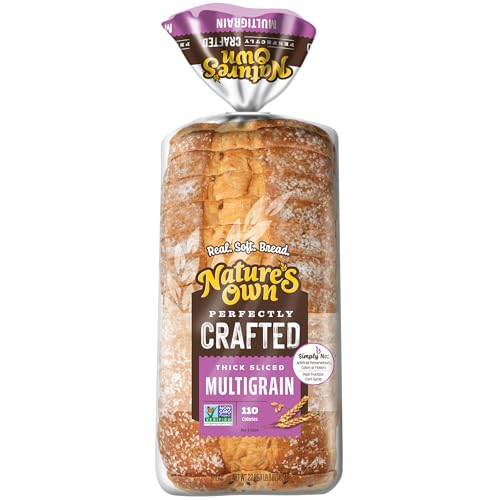
Nature’s Own Perfectly Crafted Multigrain Bread (22 oz)

Schär Gluten Free Artisan Baker Multigrain Bread (6 Pack)

365 Organic Sprouted Multigrain & Seed Bread (22 oz)

Sara Lee Delightful Healthy Multi Grain Bread (20 oz)

Bread Alone Organic Nine Mixed Grain Pullman Loaf (22 oz)

Happy Campers Buckwheat Molasses Bread (2 Pack)
Happy Campers Buckwheat Molasses Bread (4 Pack)

Schär Gluten Free Artisan Baker Multigrain Bread (6-Pack)

Happy Campers Gluten Free Bread Variety Pack (4 Loaves)
A Breakdown Of The Leading Choices
Nature’s Own built this loaf for the family that blasts through a sandwich at lunch and another at dinner. The 22-ounce size lands in the middle of the category, and the slices come thick enough to hold a stacked deli build without crumbling. It’s the kind of bread that quietly does its job in a packed lunchbox, a quick PB&J, or a slice of late-night toast with butter.
For shoppers who want multigrain flavor without anything chewy or challenging, this is the entry point. The texture leans soft rather than hearty, which means it works in a regular toaster without turning into a brick. It also plays well as a base for stronger toppings like sharp cheddar or a runny egg, where the bread doesn’t compete for attention.
Notable Gains
- Thick slices give sandwiches real structural integrity, so layering deli meat and cheese won’t squish the bread flat.
- Soft crumb works in standard toasters, a small but meaningful win for rushed mornings.
- Made without genetically modified ingredients, which matters to a growing number of grocery shoppers.
- The 22-ounce loaf size is friendly for two-person households who might leave a larger bread sitting past its prime.
Worth Noting
- The flavor stays mild, so eaters who want bold, nutty grain notes may want to look at the 365 or Bread Alone options instead.
- Shelf life is the standard grocery-store window, meaning it’ll need to be used within a week or two of opening, depending on conditions.
Who It Suits Best
Families and daily sandwich eaters who want a reliable, soft multigrain loaf that appeals to a wide range of palates, including picky eaters.
A Better Fit Elsewhere
Anyone chasing pronounced whole-grain flavor and a denser crumb will get more satisfaction from Bread Alone Organic Nine Mixed Grain Pullman Loaf.
For someone newly navigating a gluten-free kitchen, the Schär Artisan Baker line is often the first loaf that doesn’t taste like a compromise. This 6-pack ships individually wrapped 14.1-ounce portions, so you can pull one out at a time without racing to finish a sliced loaf before it goes stale. The bread itself is built around a blend that includes ancient grains and seeds, which gives it a more interesting flavor profile than basic rice-based gluten-free options.
It toasts up well, holds sandwich fillings without disintegrating, and stays closer to the texture of a soft European multigrain than to the chalky gluten-free stereotype. The trade-off shows up in the price-per-slice math, which is naturally higher than conventional bread, but the six-pack format softens that over time.
The Upside
- Individually wrapped loaves extend usable life and let you pace consumption at your own speed.
- Seeds and ancient grains deliver a real multigrain experience, not just a wheat-free imitation.
- The texture holds up under toasting, sandwich pressing, and topping-heavy meals.
Trade Offs
- Per-ounce cost runs notably higher than conventional multigrain bread, which adds up for big households.
- The flavor skews mild, so gluten-free eaters who love a robust, seedy bite may find themselves reaching for toppings to build character.
Made For
Shoppers newly exploring gluten-free eating who want an approachable, well-rounded multigrain loaf that won’t scare them off the category.
Where Another Pick Suits Better
Anyone wanting a single brand that covers several flavor moods will get more mileage from the Happy Campers Gluten Free Bread Variety Pack.
The 365 line from Whole Foods Market is built around a clean ingredient list and an emphasis on organic sourcing, and this sprouted multigrain loaf follows that playbook. The 22-ounce size matches the standard sandwich-bread footprint, so it drops into your usual routine without resizing your storage or your toaster slot. Sprouted grains (whole grains that have begun to germinate before being milled) offer a slightly sweeter, more digestible profile than their un-sprouted counterparts.
Where Nature’s Own leans soft and Sara Lee leans mild, this one leans wholesome. You’ll see and taste the seeds on every slice, which means avocado toast actually feels like a meal rather than a styling choice. It also pairs well with sharp cheeses and herbed spreads that need a sturdy base.
The Case For It
- Sprouted grains bring a different nutritional story to the table than standard multigrain loaves.
- Organic ingredient sourcing matters to shoppers who read labels closely.
- The seed content gives the slice a meaningful texture upgrade over smoother grocery-store breads.
Points To Keep In Mind
- Commonly reported as denser than typical sandwich bread, which may not please eaters expecting a soft pull-apart slice.
- Once opened, keeping it at peak texture means faster consumption or careful storage in the freezer.
Best Suited To
Health-conscious shoppers and whole-food pantry builders who want their multigrain bread to deliver on both ingredient quality and visible seed content.
Skip It When
Anyone wanting a soft, kid-friendly lunch bread will get a more cooperative loaf from Sara Lee Delightful Healthy Multi Grain Sandwich Bread.
Sara Lee built this loaf with a specific household in mind: parents packing lunches, kids eating sandwiches, breakfast toast that has to land cleanly with everyone at the table. The 20-ounce size is a touch smaller than the category standard, which makes it easier to finish before staleness becomes a problem. Each slice carries a meaningful whole-grain content without veering into the dense, seedy territory that turns off younger eaters.
For a family that wants a steady supply of mild, dependable multigrain bread, this one rarely causes friction. It’s also a smoother stepping-stone from white bread for households gradually increasing whole-grain intake, since the flavor profile stays close to the familiar side of the spectrum.
Notable Upsides
- Eight grams of whole grain per slice gives you a real daily-grain contribution without the heavy bite of artisan loaves.
- Soft crumb and mellow flavor work well for school-age palates and breakfast toast routines.
- Low-fat and cholesterol-free, which matters for shoppers tracking those specific nutritional markers.
Honest Caveats
- Texture is on the softer, more commercial end, so toast lovers who want a substantial crunch may be underwhelmed.
- Smaller loaf size means more frequent shopping trips for big families.
Perfect Match For
Parents and multi-generational households seeking a gentle, widely-appealing whole-grain bread that slots into school lunch and breakfast routines without complaints.
Look Elsewhere When
Anyone who wants visible seeds and a heartier bite will find more texture and flavor in the 365 Organic Sprouted Multigrain & Seed Bread.
Bread Alone operates more like a craft bakery than a packaged-bread brand, and that sensibility shows up the moment you pull a slice. A Pullman loaf (a square, pan-baked style with flat sides and an even crumb) gives you sandwich slices with no rounded edges, which is a small detail that matters if you’ve ever tried to balance a stacked sandwich on a curved piece of bread. The “nine mixed grain” label points to a more complex grain blend than most grocery loaves, and the organic sourcing matches the expectations of that shopper profile.
Compared to Nature’s Own or Sara Lee, this loaf brings more substance to every bite. The crumb is denser and more flavorful, and it toasts into something genuinely crunchy rather than just warm. For a sandwich enthusiast, the square format alone is a reason to keep it on hand.
Real Benefits
- Pullman-style square slicing delivers uniform sandwich pieces that stack cleanly and toast evenly.
- Nine-grain blend offers a deeper, more layered grain flavor than typical two- or three-grain loaves.
- Organic ingredient sourcing aligns with cleaner-label shoppers.
Potential Compromises
- Per-slice cost trends higher than mass-market multigrain options, which is worth weighing for tight grocery budgets.
- Availability may be limited to certain delivery windows depending on the retailer, which complicates impulse shopping.
Who Should Grab It
Sandwich builders and home cooks who want bakery-quality slices with real grain complexity, and who appreciate a square cut for layered builds.
Swap It Out When
Shoppers prioritizing soft, kid-friendly texture for lunchboxes will get a more cooperative experience from Sara Lee Delightful Healthy Multi Grain Sandwich Bread.
Happy Campers focuses on gluten-free bread built around whole grains and ancient grains (older varieties like buckwheat that have been cultivated largely unchanged for centuries), and the buckwheat molasses loaf is one of the more distinctive options in their lineup. This 2-pack is a smart entry point for someone curious about buckwheat’s earthy, slightly bitter edge without committing to a four-loaf box. The 17.4-ounce loaves are a touch smaller than standard sandwich bread but slice large enough to function as a meal base.
Buckwheat isn’t actually related to wheat, despite the name, so it’s naturally gluten-free. Combined with the molasses sweetness, the result is a loaf that reads more as a breakfast or snack bread than a plain sandwich carrier. It’s the kind of thing that turns plain butter into a conversation.
Where It Helps
- Two-loaf format lets curious shoppers test the flavor before scaling up to a larger pack.
- Free from the nine major allergens, a meaningful plus for households managing multiple sensitivities.
- Buckwheat and ancient grains deliver nutritional variety beyond standard gluten-free rice loaves.
Factors To Consider
- Buckwheat’s earthy profile is an acquired taste, and the molasses sweetness can polarize first-time tasters.
- Smaller loaf size means fewer slices per package than typical grocery bread, so plan accordingly for sandwich-heavy weeks.
Built With In Mind
Gluten-free eaters and buckwheat-curious shoppers who want to sample a smaller, allergen-free multigrain loaf before committing to a larger quantity.
Reach For A Different Pick When
Anyone who wants a broader flavor rotation in one order will get more variety from the Happy Campers Gluten Free Bread Variety Pack.
The 4-pack version of the buckwheat molasses loaf is built for steady-use households. If the 2-pack is a tasting menu, this is the subscription. You get four loaves of the same 17.4-ounce bread, each one giving you enough slices to cover breakfast toast and sandwich builds for an extended stretch. For a gluten-free household that has already decided buckwheat is part of the rotation, this format simply makes more sense than reordering every few weeks.
Storage is the practical question that comes with a 4-pack, and Happy Campers designed the loaves with that in mind. They can sit in the fridge for a couple of weeks or go into the freezer for several months, which lets you rotate through them at whatever pace your kitchen actually uses bread.
Good Reasons To Consider
- Bulk format reduces per-order shipping impact and keeps a steady bread supply on hand.
- Refrigerator life of roughly two weeks, with freezer storage extending it to several months.
- Preservative-free formulation, which is meaningful for clean-label shoppers even with a longer storage timeline.
Soft Spots
- The earthy buckwheat profile isn’t for everyone, and four loaves is a lot of commitment if your household is on the fence.
- Smaller loaf dimensions mean each package yields fewer slices than standard 20- or 22-ounce bread.
The Right Fit
Gluten-free households and buckwheat regulars who want a reliable bulk supply and have the freezer space to manage a 4-pack comfortably.
Not Your Match When
First-time buckwheat tasters should start with the Happy Campers Buckwheat Molasses Gluten Free Bread 2-pack to test the flavor first.
Schär’s 6-pack shares a lot with its 6-pack cousin reviewed earlier, but it lands in a different spot on the price-per-loaf curve, and the listing details point to a longer-standing product in the lineup. The individual 14.1-ounce loaves stay sealed until you need them, which means less wasted bread in a household that doesn’t go through a sliced loaf in a few days. The Artisan Baker line is also formulated without lactose and without preservatives, so it serves a few common dietary restrictions at once.
For a gluten-free pantry, this 6-pack behaves like a shelf-stable backup. You keep a couple of loaves in the cabinet, one in the fridge, and forget about bread shopping for a stretch. The texture falls into the same family as the other Schär entry: softer than rice-based loaves, with enough grain character to make avocado toast feel earned.
Positive Points
- Individually wrapped loaves support flexible, low-waste usage over a long timeline.
- Lactose-free and preservative-free formulation broadens dietary compatibility beyond just gluten avoidance.
- Six-loaf format is convenient for stocking a gluten-free pantry without frequent reordering.
Less Ideal Details
- Per-slice economics are higher than conventional multigrain bread, which can add up in households that eat a lot of sandwiches.
- Flavor is approachable rather than bold, so toppings usually need to do the heavy lifting for taste.
Whose Shelf It Belongs On
Gluten-free shoppers who want a long-lasting, individually wrapped multigrain loaf that covers multiple dietary needs and slots neatly into a stocked pantry.
Consider Something Else When
Anyone wanting more flavor variety in a single order will get a more interesting rotation from the Happy Campers Gluten Free Bread Variety Pack.
The Happy Campers Variety Pack solves a specific problem: a gluten-free household that doesn’t want to commit to four loaves of the same flavor. You get four different loaves in one shipment, including white whole grain, cinnamon raisin, buckwheat molasses, and hemp, with loaf sizes ranging from 11 to 17.4 ounces. That range matters for matching bread to mood, since cinnamon raisin is an obvious breakfast or snack choice, while white whole grain covers the sandwich territory.
All four loaves share the same allergen-free, preservative-free formulation, so the variety happens at the flavor level rather than the ingredient level. Storage stays simple too: refrigerator life of about two weeks, or freeze for several months if your kitchen moves at a slower pace through bread.
Where It Delivers
- Four-flavor sampler covers breakfast, lunch, and snack occasions without repeat-bread fatigue.
- Free from the nine major allergens and loaded with prebiotic fiber, appealing to clean-eating households.
- Loaf sizes vary, which actually helps portioning for households that eat bread at different rates.
Practical Considerations
- Smaller loaves mean fewer total slices than a single large pack, which may frustrate heavy sandwich eaters.
- Prebiotic fiber and plant-based protein are selling points for some shoppers and irrelevant to others, depending on nutritional priorities.
Who Will Love This
Gluten-free households and curious eaters who want to experience multiple flavors in a single order without committing to a full case of any one loaf.
A Better Fit Elsewhere
Shoppers who already know they love buckwheat molasses specifically will save money by going straight to the Happy Campers Buckwheat Molasses Gluten Free Bread 4-pack.
Choosing The Right Multigrain Bread For Your Kitchen
The first thing to look at is the grain list itself, since “multigrain” tells you only that more than one grain is present, not which ones or in what proportion. Loaves built around wheat plus a sprinkle of oats deliver a very different experience than ones anchored by sprouted grains, buckwheat, or a nine-grain blend. The denser, more flavorful options tend to use whole-kernel or sprouted grains that show up as visible texture in every slice.
Next, think about what you’ll actually do with the bread. Daily lunchbox sandwiches need soft, sturdy slices that hold up to a standard toaster. Avocado toast or open-faced meals benefit from a denser base that won’t flex under toppings. If most of your bread gets eaten within a day or two, a 20- or 22-ounce loaf makes sense. If you eat bread occasionally, individually wrapped gluten-free options keep things fresh.
Dietary needs narrow the field quickly. Gluten-free shoppers should look for certified gluten-free labels rather than just “wheat-free” wording, since some grains share processing facilities with wheat. Allergen-free households get extra value from the Happy Campers lineup, which is formulated to avoid the nine major allergens.
Finally, storage and format matter more than people expect. Bulk packs lower per-loaf cost but require freezer space, while smaller individually wrapped loaves cost more but eliminate waste. Matching format to your actual eating rhythm keeps the bread you buy from going stale before you finish it.
What To Know Before You Commit
Common Shopping Slip Ups
The biggest mistake is treating “multigrain” and “whole grain” as interchangeable. Multigrain means multiple grains are present, but those grains can be refined. Whole grain means the entire grain kernel is used, which preserves the fiber and nutrients. A loaf can be multigrain without being whole grain, and that’s worth checking on the label.
Another trap is picking the softest, mildest loaf for a household of one. Eaters who prefer a stronger grain flavor often get bored with commercial-style multigrain bread and stop eating it. A more textured, seedy option keeps the bread interesting enough to stay in the rotation.
What The Higher Tier Buys
Premium multigrain loaves generally cost more for a few specific reasons. Sprouted grains and organic sourcing both add processing steps and ingredient expense. Artisan-style baking in smaller batches produces loaves with denser crumbs and more visible grain content. Individually wrapped gluten-free options cost more because of certification, allergen-free facilities, and shorter shelf-life expectations.
The upgrade is worth it when you actually eat the bread and notice the difference. Shoppers who only toast bread once a week for a single person may not get value from a premium option, while a household that finishes a loaf every few days will.
Frequently Asked Questions
What makes a bread “multigrain”?
Multigrain simply means the loaf is made with more than one type of grain, which can include wheat, oats, barley, millet, buckwheat, flax, and others. It does not necessarily mean whole grain, since the grains used can be refined.
Is multigrain bread healthier than whole wheat?
It can be, but it depends entirely on which grains are used and whether they’re whole. A multigrain loaf built from whole, sprouted grains typically offers more fiber and nutrients than a refined whole-wheat loaf, while a multigrain loaf using mostly refined white flour offers little extra benefit.
How should I store multigrain bread to keep it fresh?
Most conventional multigrain loaves do well in a cool, dry bread box or on the counter for several days, then move to the freezer for longer storage. Gluten-free options generally last longer refrigerated or frozen, especially individually wrapped ones.
Can multigrain bread work for sandwiches and toast?
Yes, though denser loaves with seeds and whole grains tend to hold toppings better for open-faced builds, while softer multigrain loaves handle traditional sandwich stacking more comfortably. Toasting behavior varies by density, so denser loaves often need a slightly longer toaster cycle.
How is multigrain bread different from sourdough or rye?
Sourdough refers to the fermentation process that gives bread its tang, and rye refers to the dominant grain. Multigrain describes the variety of grains, not the process or the primary flour, so a multigrain loaf can technically be sourdough-fermented or include rye as one of its grains.
