

A great cup of green tea starts with the leaf. Whether you reach for it in the morning to shake off a slow brain, mid-afternoon to ease off the caffeine rollercoaster, or after dinner to wind down without the wine, organic loose leaf options deliver a fresher, more characterful cup than most bagged teas on the shelf. The nine picks below span Japanese classics, fruit-forward blends, herbal companions, and approachable samplers, so you can match the leaf to the moment.
A Side-By-Side Look

Kusmi Tea Blue Detox Loose Leaf Blend (3.5 oz)

Frontier Co-op Organic Oatstraw Green Tops 16 oz

Tiesta Tea 7 Green Teas Dry Flight Sampler

Ocha & Co. Organic Fukamushi Deep Steamed Sencha (100g)

Ocha & Co. Organic Sencha Loose Leaf (100g)
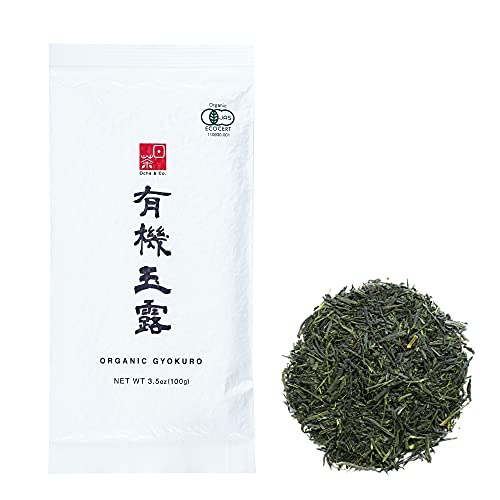
Ocha & Co. Organic Gyokuro Shade Grown (100g)

Ocha & Co. Organic Kabusecha Loose Leaf (100g)

GLDNT Organic Gunpowder Green Tea 16 oz

GLDNT Organic Sencha Loose Leaf 3.5 oz
Why These Options Stand Out
Where most entries on this list lean traditional, the Kusmi Tea Blue Detox tin pushes a fruitier direction. Green tea gets layered with mate, rooibos, rosehip, mint, and guarana, then brightened with pineapple for a cup that drinks more like a cool tropical afternoon than a Kyoto tea house. The blend is packaged in a refillable metal tin that helps the leaves hold their aroma between sessions.
Compared to the pure Japanese options further down the list, this one is built for drinkers who want a little sweetness without reaching for sugar. The included mate (a South American herb with a gentle lift) gives it a touch more body than a standard green tea infusion, which makes it a reasonable afternoon pick when coffee feels too heavy.
The Upside
- Versatile steeping: works equally well hot or poured over ice after a 3 to 4 minute steep.
- Approachable flavor profile that softens the grassy edge some newcomers dislike in pure green tea.
- Refillable, recyclable metal tin helps keep the leaves fresh once the seal breaks.
- Around 50 cups per tin gives a solid runway for daily drinkers.
Trade Offs
- Mate and guarana add a mild lift, so late-evening steeping may not suit everyone.
- Fruit-forward flavor is divisive: traditionalists will find it leans more toward a tisane than a clean green tea.
- Pineapple sweetness can fade after a few weeks once the tin has been opened repeatedly.
Feature Snapshot
Who Will Love This
Drinkers who want a green tea base with built-in fruit and a soft energy lift, especially those who split time between hot mugs and iced pitchers.
Skip It When
Tiesta Tea 7 Green Teas Dry Flight Sampler suits better when you want to taste multiple green tea styles in one box before committing to a larger tin.
The Frontier Co-op oatstraw is the odd one out in this roundup, and that’s the point. It’s not a true tea leaf at all. Cut and sifted oat straw tops brew into a gentle, grassy infusion that pairs well with green tea when you want a softer, more rounded cup, and it also works on its own as a caffeine-free evening drink.
The 16 ounce bag is sized for regular users. A teaspoon per cup is plenty, so a single pouch covers weeks of nightly steeping. The Kosher KSA certification adds a small note of confidence for shoppers who track that, and the cut-and-sifted format means it strains easily through any standard infuser.
The Good Stuff
- Large 16 oz bag suits frequent drinkers and home blenders.
- Cut and sifted texture drains cleanly through a basic mesh infuser.
- Caffeine-free profile makes it a natural pairing or standalone evening option.
- Kosher certified for shoppers who value that assurance.
Points To Keep In Mind
- Not a true green tea, so it won’t satisfy shoppers looking for classic catechin-rich Japanese or Chinese leaf.
- Flavor is mild: drinkers used to strong sencha may find it too understated on its own.
- Bulk bag requires a separate airtight container once opened to hold its grassy aroma.
Right Fit For
Anyone building a custom evening blend, or caffeine-sensitive drinkers who want a calm herbal option to rotate alongside their green tea ritual.
Look Elsewhere When
Ocha & Co. Organic Sencha is a better match when you specifically want a traditional green tea cup with classic grassy character.
Tiesta’s seven-blend sampler is the lowest-risk way to figure out what you actually like in a green tea. The set typically includes fruity options like Pineapple Blues and Peaches N Green alongside classics such as Chinese Gunpowder and Chinese Jasmine, so you’re tasting a real range of styles in a single box rather than guessing from a description.
Each pouch is sized somewhere between half an ounce and one ounce, which is just enough to brew a few cups and decide whether to commit to a full-size tin. The format keeps the cost of experimentation low and avoids the classic sampler problem of receiving seven blends you can’t open because they’re sealed in one master bag.
Practical Advantages
- Seven distinct blends cover fruity, floral, and traditional green tea styles.
- Individual sample pouches let you brew each variety without committing to a full tin.
- Helpful gateway for drinkers who aren’t sure whether they prefer sencha, jasmine, or fruit blends.
- Each pouch generally yields between six and ten cups, so you get a real sense of each flavor.
Worth Noting
- Sample sizes are small, so once you find a favorite you’ll need a follow-up purchase.
- Blend assortment can vary by run, so the exact list of seven is not always guaranteed.
- Fruity blends dominate, so purists after a pure leaf sampler may feel shortchanged.
Who Should Grab It
Curious newcomers and gift-givers who want to sample multiple green tea styles before committing to a single large tin.
Swap It Out When
Ocha & Co. Organic Gyokuro makes more sense once you’ve decided you prefer traditional Japanese leaf and want a premium single-origin experience.
Fukamushi is the heavyweight in any Japanese green tea lineup. The extra-long steaming process breaks down the leaf cells, which produces a darker green cup, a cloudier texture, and a deeper, more savory flavor than standard sencha. Ocha & Co.’s organic version keeps that intensity without losing the clean finish that makes the cup drinkable rather than heavy.
Compared to the brand’s regular Sencha (covered next), fukamushi is the bolder sibling. It’s the right pick for drinkers who find standard sencha too light and want a sencha that holds its own against a morning croissant. A 100 gram tin goes further than it looks, since fukamushi leaves are often smaller and broken from the deep steam.
Reasons It Performs
- Deep-steamed leaf delivers a richer, more savory cup than standard sencha.
- Organic certified and sourced from Japanese growing regions.
- 100 gram size covers daily drinkers for several weeks at typical servings.
- Stands up well to a slightly heavier food pairing without losing definition.
Some Limits To Know
- Smaller, broken leaf pieces can clog finer infusers, so a basket-style strainer helps.
- Flavor intensity may overwhelm drinkers new to Japanese greens.
- Cloudy cup appearance is normal but unexpected for those used to clear sencha.
Feature Snapshot
Whose Shelf It Belongs On
Sencha drinkers who want more body and umami in their cup, particularly those who pair green tea with heartier breakfasts.
Consider Something Else When
Ocha & Co. Organic Kabusecha is a better match for drinkers who want a softer, slightly sweeter Japanese green tea with a gentler finish.
Standard sencha is the most common green tea in Japan, and Ocha & Co.’s organic version is a textbook example. Sun-grown leaves give the cup a golden-green color, a gentle vegetal sweetness, and a smooth finish that doesn’t fight back. The 100 gram tin is large enough to anchor a daily ritual without running out midweek.
Think of it as the centerpiece of the Ocha & Co. lineup. The same brand’s Fukamushi (above) is its bolder relative, and the Gyokuro (further down) is the premium ceremonial upgrade. This sencha sits right in the middle: dependable, balanced, and easy to brew on autopilot.
Strong Points
- Sun-grown leaf yields a smooth, approachable flavor most newcomers enjoy.
- Organic certified and packaged in a 100 gram tin sized for regular drinkers.
- Versatile base for both hot steeping and cold brewing during warmer months.
- Clean, mild finish that pairs well with light breakfasts or mid-morning snacks.
Things To Consider
- Lacks the umami depth of shade-grown gyokuro for shoppers chasing intensity.
- Tin should be transferred to an airtight container after opening for best freshness.
Feature Snapshot
Best Suited To
Daily drinkers who want a versatile, mild Japanese green tea that works for both morning hot cups and afternoon cold brews.
A Better Fit Elsewhere
Ocha & Co. Organic Gyokuro is the better choice when you want a richer, umami-forward Japanese cup for slower weekend steepings.
Gyokuro is the slow, deliberate cousin of standard sencha. The bushes are shaded for roughly 20 days before harvest, which forces the plant to concentrate amino acids in the leaf and produces a cup with markedly more umami depth, a darker emerald color, and a sweetness that almost reads as savory. Ocha & Co.’s organic version leans into that profile without slipping into seaweed territory.
The trade-off is brewing discipline. Gyokuro prefers cooler water (around 140 to 160 degrees F rather than boiling) and shorter steeps. Treat it like a slow Sunday morning rather than a Monday desk-side pour, and it earns its premium status. The Kabusecha further down the list is a friendlier middle step if 20 days of shade feels like too much.
What Stands Out
- Shade-grown for 20 days, producing a notably umami-rich and aromatic cup.
- Deep emerald color and smooth, full-bodied mouthfeel.
- Organic certified and sourced as a single-origin Japanese green tea.
- 100 gram tin offers reasonable runway for the special-occasion steeping it invites.
Honest Caveats
- Requires cooler water and shorter steeps, which can feel fussy for casual drinkers.
- Premium leaf commands a higher per-cup cost than standard sencha.
- Umami intensity can read as marine to first-time gyokuro drinkers.
Feature Snapshot
Perfect Match For
Slow-steeper drinkers who treat tea as a ceremony and want a richer, sweeter Japanese green than everyday sencha delivers.
Where A Sibling Pick Shines
Ocha & Co. Organic Kabusecha is a softer entry into shade-grown leaf, with shorter shade time and a friendlier price per cup.
Kabusecha is the quiet middle child of the Ocha & Co. lineup. The bushes get roughly 10 days of shade, which is half the time of gyokuro but enough to push the flavor noticeably sweeter and softer than standard sencha. The result is a light green cup that drinks almost like a gentler cousin of gyokuro, with a smoother finish and less bite.
For drinkers who find sencha a touch too bright and gyokuro a touch too serious, kabusecha is the bridge. The young leaves used here also tend to brew a cleaner infusion, which matters if you’ve been frustrated by cloudy cups from deeper-steamed styles.
Good Reasons To Consider
- Sweeter and rounder than standard sencha, but lighter than full gyokuro.
- 10 days of pre-harvest shade builds umami without the intensity of longer-shaded leaf.
- 100 gram tin sized for regular daily use.
- Light green color in the cup reads as gentle rather than heavy.
Worth Bearing In Mind
- Still commands a more attentive brewing method than standard sencha.
- Less dramatic than fukamushi or gyokuro, so flavor-seekers may want a bolder option.
Feature Snapshot
Right Fit For
Drinkers who want a smoother, slightly sweeter Japanese green tea that sits between standard sencha and the heavier gyokuro profile.
Reach For A Different Pick When
Ocha & Co. Organic Fukamushi suits better when you want a deeper, more savory cup with strong green tea character.
Gunpowder green tea gets its name from the tightly rolled pellets the leaves are twisted into, which look like small dark beads before brewing. GLDNT’s organic version uses young leaves rolled tight, so they unfurl slowly in the cup and release a fuller aroma than you might expect from the compact size. The 16 ounce pouch is the largest format on this list.
It’s the right pick for offices, shared kitchens, and anyone brewing for two or more on a regular basis. The rolled format also stores well over time, which matters when you’re working through a 16 ounce supply. A short steep keeps the cup clean; a longer one pulls more body for those who want a sturdier drink.
The Practical Payoff
- 16 ounce bulk pouch offers the best per-cup value on the list.
- Rolled pellets unfurl during brewing, producing a fuller aroma and a smooth, robust cup.
- Organic certified and adaptable to both hot steeping and traditional Moroccan-style brewing.
- Compact pellets store well in an airtight container over the long haul.
Possible Compromises
- Bulk pouch lacks the airtight seal of a tin, so a secondary storage container is a smart add.
- Rolled format can be confusing for first-time loose leaf drinkers used to open leaves.
- Flavor leans bolder and more roasted than Japanese greens, so taste expectations matter.
Feature Snapshot
Best Suited To
Offices, shared households, and daily commuters who want a sizeable green tea supply on hand without paying per-tin premiums.
A Better Fit Elsewhere
GLDNT Organic Sencha is a smarter choice when you prefer Japanese-style green tea and want a more approachable introduction to loose leaf.
GLDNT’s smaller sencha is a friendly on-ramp into Japanese green tea. The leaf is processed with the Japanese steam method, which locks in the fresh grassy character and the clean green color in the cup. A 3.5 ounce pouch is enough for several weeks of weekday drinking without committing to a 100 gram tin.
Where the larger GLDNT gunpowder pouch (covered above) is built for volume, this sencha is built for ease. The smooth taste profile gives you some leeway on steep time, which matters if you’re still dialing in your water temperature and timing as a new loose leaf drinker.
Features That Help
- Steam-processed leaf preserves a clean, grassy flavor and a vivid green cup.
- 3.5 ounce size is approachable for newcomers testing the category.
- Organic certified and adaptable to both hot steeping and cold brewing.
- Smooth taste gives more flexibility on steep time, helpful for first-timers.
Less-Strong Areas
- Smaller pouch means frequent drinkers will reorder more often than with the 100 gram options.
- Flavor sits at the milder end of the sencha spectrum, which may underwhelm seasoned drinkers.
- Standard pouch benefits from being decanted into an airtight container after opening.
Perfect Match For
First-time loose leaf drinkers who want a small, forgiving Japanese green tea to learn the basics of steeping and water temperature.
Where A Sibling Pick Shines
Ocha & Co. Organic Sencha suits better once you know you like the style and want a larger, more economical organic tin for daily use.
What Matters Most Before Choosing Organic Loose Leaf Green Teas
Match the Tea Style to Your Brewing Habits
Japanese green teas split into three main families: sun-grown sencha (brighter, mildly grassy), partial-shade kabusecha (softer, sweeter), and full-shade gyokuro (deep, umami-rich). For drinkers who already have a kettle and an infuser, sun-grown sencha tends to be the most forgiving. Shade-grown leaf rewards a slower approach with cooler water. If your mornings are rushed, lean toward fukamushi or sencha and save gyokuro for weekends.
Read the Format Before You Buy
Loose leaf comes in three practical shapes: open leaf (easiest to strain, often the prettiest), tightly rolled pellets like gunpowder (compact, stores well), and broken or “fannings” from deep-steamed teas (more body, can clog fine infusers). A 100 gram tin is roughly a month’s worth for one daily drinker; a 16 ounce pouch is closer to four months. Pick the format that matches how often you’ll steep.
Think Beyond the Cup
A metal tin with a tight seal protects the leaf much better than a foil pouch once it’s been opened. Aromatic blends like the Kusmi Blue Detox hold their character longer in tin. Bulk pouches, including the GLDNT gunpowder and the Frontier oatstraw, need an inexpensive airtight container to keep the leaf from going flat within a few weeks.
Key Considerations Across These Picks
Pitfalls Shoppers Hit
One common mistake is steeping green tea with boiling water. Plain boiled water scorches the leaf and turns the cup bitter, especially with sencha and gyokuro. Another is buying a large format before trying a smaller pouch first, since the 100 gram tins and 16 ounce bags are real commitments. Finally, overlooking the steeping time on the packaging can leave a delicate gyokuro over-extracted and a fruity blend underwhelming.
What The Higher Tier Buys
Premium picks like Ocha & Co.’s Gyokuro cost more per cup because of the labor involved: shading the bushes for weeks before harvest, hand-picking the youngest leaves, and processing in small lots. The upgrade buys a deeper umami, a more aromatic cup, and a slower brewing ritual. For most daily drinkers, a steady sencha does the job. For weekend ceremonies and gifts, a shade-grown leaf earns its higher tier.
Frequently Asked Questions
How long does loose leaf green tea stay fresh?
Most organic loose leaf green teas keep their character for about six months in an airtight container, away from light, heat, and moisture. After that, the leaf loses aroma rather than becoming unsafe, just noticeably flatter in the cup.
Do I need special equipment to brew loose leaf green tea?
A basic mesh infuser or a small teapot with a built-in strainer is enough. A variable-temperature kettle helps with shade-grown teas that prefer cooler water, but it isn’t required for a satisfying cup of sencha or gunpowder.
Is loose leaf green tea stronger in caffeine than bagged tea?
Generally, yes. Loose leaf typically uses larger, less broken pieces of leaf, and the brewing ratios are often a bit higher, so the cup ends up with more caffeine. A standard sencha usually lands somewhere between black tea and coffee in caffeine content.
Can I cold brew these green teas?
Most of the picks here cold brew well, including sencha, gunpowder, and the Tiesta fruity blends. Use roughly double the leaf, steep in cold water in the fridge for six to twelve hours, and strain. Gyokuro cold brews especially well because the umami compounds extract gently in cool water.
Are organic green teas worth the extra cost?
For drinkers who care about avoiding synthetic pesticides in the leaf, organic certification offers real peace of mind. Flavor-wise, organic and conventional green tea can taste very similar when the leaf quality is matched, so the decision is really about sourcing priorities.
The Takeaway
Pick the tea style that matches your brewing rhythm, choose a format you’ll actually finish before it loses its aroma, and store it in something airtight once you crack it open. The right cup of green tea is the one that fits the way you already live, not the one with the most impressive label.
