

A good cup of matcha is less about the powder in the tin and more about the choices behind it: where the leaves were grown, how long they were shaded, how quickly they were ground and sealed. The category splits sharply between single-origin ceremonial tins for slow, contemplative sipping, and convenient everyday formats for lattes, baking, and rushed mornings. The list below covers both ends of that spectrum, so you can match the format to your routine rather than forcing a ceremonial tin into a Tuesday commute.
The Essentials At A Glance

SOKYO Ceremonial Matcha Series 30g (Shizuoka)

Akira Matcha Organic Ceremonial Sticks (25-Pack)

Kiyo Matcha Signature Grade Shuga Uji, 40g

Republic of Tea Organic Double Green Matcha Refill

Republic of Tea SuperGreen Organic Detox Blend

Aiya Sweetened Matcha To-Go Sticks, 8-Count

Encha Ceremonial Grade Organic Matcha 60g
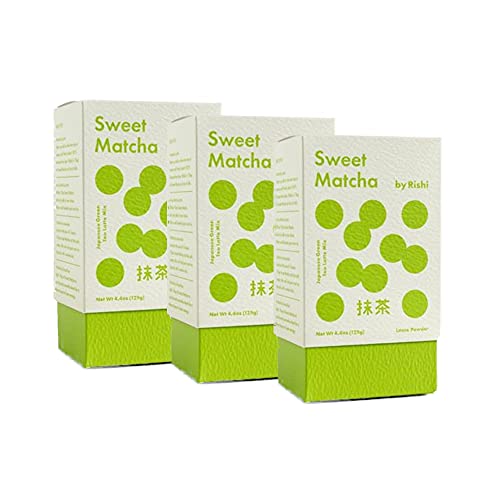
Rishi Tea Sweet Matcha Latte Powder 3-Pack

Kiyo Matcha Classic Grade Hatsumukashi Uji, 40g

Kiyo Matcha Organic Classic Chiba No Shiro, 40g
What Each Pick Brings To The Table
SOKYO’s Shizuoka entry in the ceremonial series is built for drinkers who already know what a good matcha should taste like. The leaves are sourced from Mie Prefecture, where shaded cultivation pushes the chlorophyll content high and concentrates the natural sweetness in the leaf, before the brick-furnace roast develops that floral aroma. You get a 30g tin, which is generous for the ceremonial tier and gives you room to experiment with whisk times and water temperatures without rationing every gram.
Where this differs from the Akira sticks later in the list is the format and the ceremony it expects. SOKYO is powdered loose, so a proper chasen (bamboo whisk) and a small bowl make a real difference in the cup. Most people who reach for ceremonial-grade matcha want that ritual, and this tin rewards the effort with a deep, savory-sweet profile that holds up to plain water without tasting flat.
The Upside
- Mie Prefecture sourcing gives the cup a recognizable umami depth that cheaper regions struggle to match.
- Shaded cultivation translates to a brighter green color and a smoother finish on the palate.
- The 30g tin size stretches further than most ceremonial offerings, lowering the per-cup cost over a month of daily use.
- Stone grinding preserves the fine, talc-like texture that whips into a glossy foam with minimal effort.
Worth Noting
- You will need a proper bamboo whisk and bowl, since shaker bottles tend to leave clumps with this fineness.
- Once opened, the tin should be consumed within a few weeks for peak flavor, which is faster turnover than a casual drinker may want.
Right Fit For
Drinkers who already own a chasen and treat matcha preparation as a daily ritual rather than a caffeine delivery system.
Look Elsewhere When
The Encha Ceremonial Grade Organic Matcha 60g offers a larger tin and a similar Uji-style profile for shoppers who want a more generous supply at once.
Akira solves the biggest problem with ceremonial matcha at home: freshness. Each stick holds a single 1.5g serving sealed airtight, and the powder is stone-ground in Japan just before shipping. The result is a cup that tastes noticeably brighter than a tin that has been sitting open on your counter for three weeks. For commuters, hotel-room drinkers, and anyone whose kitchen is shared with people who would not appreciate a bamboo whisk, the format is the entire point.
The ceremonial grade designation still applies here, so the leaves are first harvest and shade-grown for at least three weeks before grinding. The flavor profile leans balanced rather than aggressive, which works in your favor when you are drinking it from a thermos on a train rather than sipping it from a bowl at sunrise.
Where It Excels
- Single-serve sticks eliminate the freshness problem that plagues opened tins of ceremonial matcha.
- The 1.5g portion is pre-measured, so you get a consistent strength from cup to cup without a kitchen scale.
- Tear-and-pour format means no whisk is required; a fork in a mug works in a pinch.
- Airtight seals on every stick protect the powder from humidity during long commutes or flights.
Practical Considerations
- Sticks generate more packaging waste than a single tin, and the empty wrappers add up over a month of daily use.
- Cost per gram is higher than a bulk tin, so heavy daily drinkers may feel the difference in their wallet.
Best Suited To
Travelers and office workers who want ceremonial quality without hauling a whisk kit in their bag.
A Better Fit Elsewhere
The Kiyo Matcha Classic Grade Hatsumukashi Uji 40g is a better match for shoppers who brew at home every morning and prefer a tin over individual sticks.
Kiyo’s Signature Grade Shuga sits in an interesting middle ground. The name nods to its naturally sweeter cup, which comes from extended shading and careful leaf selection, not added sugar. Sourced from Uji, the historical heartland of Japanese matcha, it carries the slightly grassy, marine-note complexity that Uji teas are known for. The 40g tin is small enough to finish in a few weeks of daily use, which keeps the flavor profile consistent through the end.
This is the pick for someone who has already tried an entry-level matcha and wants more nuance without jumping all the way to the most expensive tier. Where the SOKYO tin earlier in this list is more about umami depth, Shuga leans into the sweeter, almost dairy-like top notes. Both are valid; they are just different directions within the ceremonial space.
The Value In It
- Uji sourcing delivers the grassy, slightly marine complexity that defines classic Japanese matcha.
- Natural sweetness makes the cup approachable even without milk or sweetener.
- Small-batch production helps maintain consistency from one tin to the next.
- The 40g size is well-matched to a two-cup-a-day routine over roughly three to four weeks.
Honest Caveats
- Sweet-leaning profile may feel one-note to drinkers who prefer the more savory, umami-heavy side of ceremonial matcha.
- Like most ceremonial tins, flavor fades once the seal is broken, so a tin this size demands steady use.
Whose Shelf It Belongs On
Intermediate drinkers moving beyond beginner flavors who want a sweeter ceremonial profile without the highest-tier pricing.
Reach For A Different Pick When
The Encha Ceremonial Grade Organic Matcha 60g is a more natural step up for those who want a larger Uji tin at a similar grade level.
The Republic of Tea’s refill pack is a different beast from the loose powders earlier in this list. It blends organic Japanese matcha powder with organic green tea leaves inside a tea bag, giving you the caffeine lift and grassy flavor of matcha without the whisking step. The 100-cup count works out to a low cost per cup, which makes it a practical option for a household that wants daily matcha without committing to a ceremony.
You will not get the same frothy, layered cup that a chasen produces from loose powder. What you do get is a clean, light, jade-colored infusion that is genuinely easy to brew: just hot water, three minutes, and the bag pulled out at the right moment. For office pantries, shared kitchens, and anyone who treats tea as a background ritual rather than the main event, that tradeoff is worth it.
Standout Benefits
- No special equipment required, which removes the biggest barrier for first-time matcha drinkers.
- The bulk count makes it one of the more economical ways to drink matcha daily over several months.
- The blend of powder and leaf delivers a balanced, less intense cup than straight ceremonial matcha.
- The bag format keeps counters clean and avoids the powder scatter that comes with loose tins.
Some Limits To Know
- You sacrifice the signature froth and umami concentration that defines traditional matcha preparation.
- Flavor is milder than loose powders, so dedicated matcha drinkers may find it too understated.
Feature Snapshot
Made For
Office pantries, shared households, and anyone who wants a low-effort daily matcha habit without investing in brewing tools.
Swap It Out When
You want a stronger ceremonial character, in which case the Akira Matcha Organic Ceremonial Sticks deliver real matcha without the equipment.
SuperGreen Detox is less of a pure matcha and more of a blended infusion. The ingredient list stacks organic green tea, organic spearmint, organic chlorella powder, and organic matcha, with a natural apple flavor rounding out the cup. The result is sweet, minty, and a touch savory, which reads as a refreshment rather than a traditional tea. It steeps like a standard bagged tea, so it slots into the same routine as the Double Green refill earlier in the list.
You should not buy this expecting a traditional matcha experience, because the chlorella and mint pull the cup in a different direction. What it offers is a different kind of value: an afternoon drink that feels like a treat without the caffeine hit of a double espresso, and a way to introduce green tea to people in your household who would not drink it on its own.
Everyday Perks
- The mint-and-apple finish makes the cup appealing to drinkers who find straight matcha too vegetal.
- Steeping instructions are simple, matching any standard bagged-tea routine.
- Blended format offers variety from the all-matcha options earlier in the list.
Less-Strong Areas
- The chlorella and mint dominate the matcha notes, so this does not satisfy someone looking for a true ceremonial cup.
- Natural apple flavor may not appeal to drinkers who prefer unflavored tea.
Who Will Love This
Drinkers who want a light, sweet, mid-afternoon pick-me-up that introduces green tea in a more approachable form.
Skip It When
The Aiya Sweetened Matcha To-Go Sticks offer a similar beginner-friendly sweetness in a more portable, traditional matcha format.
Aiya’s sweetened sticks are the easiest entry point on this list. Each stick holds a pre-sweetened, single-serving portion of ceremonial-grade matcha, individually sealed for freshness. You tear the packet, pour into hot water, stir, and you have a recognizable matcha latte in a mug. For someone who has only ever had a café version and wants to see what homemade matcha can taste like, the format removes every variable.
The trade-off is that the sugar profile is fixed, so you cannot adjust the sweetness to taste. Aiya is a long-established Japanese matcha house, and the underlying powder quality is higher than most beginner products, but the addition of sugar masks the umami that defines a traditional cup. You may find, after a few weeks, that you want to move up to an unsweetened tin.
Positive Takeaways
- The 8-count format is small enough to finish before the powder loses its brightness.
- Vegan, non-GMO, and gluten-free credentials cover common dietary preferences without extra research.
- Pre-sweetened convenience removes the need for a kitchen scale or sweetener on the counter.
Trade-Offs To Consider
- Added sugar limits your ability to taste the underlying tea, which can hold back your palate from developing.
- Single-serve sticks cost more per cup than a bulk tin, even at the entry level.
Perfect Match For
First-time matcha drinkers and travelers who want a familiar, café-style matcha experience without any equipment.
Consider Something Else When
You want to experience matcha on its own terms, in which case the Kiyo Matcha Organic Classic Chiba No Shiro offers an unsweetened entry with similar accessibility.
Encha has worked with the same certified organic farms in Uji for over a decade, and that kind of long-term sourcing relationship shows up in the cup. The leaves are first harvest, picked each spring, then shade-grown and stone-ground into a powder fine enough to feel like silk between your fingers. At 60g, the tin is double the size of most ceremonial offerings on this list, which matters if you drink matcha daily and find yourself reordering every few weeks.
This is the tin most shoppers reach for when they want one product to do the heavy lifting in their routine: traditional usucha in the morning, a thicker koicha on weekends, and a plain-water bowl whenever they want to taste the leaves without distractions. Compared to the SOKYO entry earlier, Encha is larger and slightly more forgiving on temperature, but both reward a few minutes of attention.
What Works In Its Favor
- First harvest leaves carry the brightest, most concentrated flavor of the season’s crop.
- The 60g tin is generous enough to support daily brewing for six to eight weeks per container.
- Stone grinding produces a fine texture that whips into a stable, glossy foam with a standard chasen.
- Best enjoyed with water, so the cup is a clean expression of the leaf without added sugar or milk.
Factors To Consider
- The tin should be kept refrigerated after opening to slow oxidation, which is an extra step some drinkers forget.
- Best results require a proper bowl and whisk; shaker bottles tend to leave clumps in this fineness.
Quick Facts
Who Should Grab It
Daily ceremonial drinkers and anyone ready to invest in a proper chasen and bowl as part of their morning routine.
Where Another Pick Suits Better
Travel-heavy shoppers who cannot keep a tin fresh will get more value from the Akira Matcha Organic Ceremonial Sticks’ single-serve format.
Rishi’s Sweet Matcha is a deliberately different product from the ceremonial tins earlier in the list. It blends Japanese matcha with pure cane sugar to make an instant latte base that dissolves directly into milk, hot or cold, without clumping. The 3-pack of 4.4oz tins yields roughly 30 lattes, which suits a household that runs through one or two drinks a day without wanting to weigh and whisk each cup.
You are not buying this for traditional usucha. The added sugar means it is a finished drink, not a starting point. Where it shines is in a busy morning or an afternoon break: spoon, stir, drink. The flavor leans sweet, with the matcha serving as the lead note rather than competing with dairy. For cafés and home baristas who want consistent results without a learning curve, that tradeoff is the point.
What Earns Its Place
- Pre-sweetened blend dissolves cleanly in milk, no whisk or frother required.
- Versatile across hot lattes, iced drinks, and even lemonade, depending on your mood.
- Kosher and non-GMO certifications cover common dietary considerations.
A Few Limitations
- Sugar content is fixed, so adjusting sweetness means adding more milk rather than dialing back the powder.
- This is not a traditional matcha product, so it does not suit drinkers seeking the umami depth of a ceremonial cup.
Built With In Mind
Home baristas and café owners who want a quick, consistent matcha latte base without measuring or whisking.
Not Your Match When
The SOKYO Ceremonial Matcha Series 30g is the better match for drinkers who want unsweetened, traditional preparation.
Kiyo’s Classic Grade is the company’s entry-level offering, and “hatsumukashi” in the name signals that these are first-flush leaves, the most prized pickings of the spring harvest. Sourced from Uji, the powder hits the classic grassy, slightly savory profile at a noticeably lower price than the Signature Grade Shuga earlier in this list. For a first ceremonial tin, the value proposition is hard to beat.
You will notice the cup is a touch more astringent than the higher Kiyo grades, with a brighter, more straightforward flavor. That is actually a feature for newcomers: it is easier to taste what matcha is supposed to taste like without the layered complexity getting in the way. From there, deciding whether to upgrade to the Signature or Organic Classic becomes a more informed choice.
Advantages To Know
- First-flush leaves deliver a cleaner, brighter cup than later pickings at a similar price point.
- The 40g tin is approachable for a first ceremonial purchase without feeling like a long commitment.
- Uji sourcing at this price is uncommon, since most entry tins come from less storied regions.
Small Caveats
- Flavor is more direct and slightly more astringent than Kiyo’s higher tiers, which may read as one-note to experienced drinkers.
- Like all ceremonial tins, freshness fades after opening, so a 40g tin should be used within a month.
Who It Suits Best
First-time ceremonial buyers and budget-conscious shoppers who still want first-flush quality and Uji provenance.
Another Choice May Suit
The Kiyo Matcha Organic Classic Chiba No Shiro 40g is a parallel option for drinkers who specifically want organic certification at the entry tier.
Chiba No Shiro rounds out Kiyo’s lineup as the organic-certified entry tier. The name references the white-frost appearance of the leaf surface before grinding, and the cup lives up to the brand’s reputation for balanced, versatile matcha. Umami, bitterness, and astringency all show up in measured amounts, which is exactly what you want in a daily driver that has to work in lattes, cold brew, and usucha alike.
Compared to the Classic Grade Hatsumukashi earlier, this tin brings the organic certification into the picture and shifts the flavor slightly toward a rounder, softer finish. The trade-off is the regional source moves away from Uji, which some drinkers will notice and others will not. As a workhorse tin for the morning, it punches above its weight.
What Stands Out
- Organic certification at the entry tier is a meaningful differentiator for shoppers who prioritize it.
- Balanced profile makes it equally suitable for plain water, lattes, and cold brews.
- Small-batch production supports consistency across reorders, which matters once you find a daily driver.
A Few Trade-Offs
- Source region is not the legendary Uji, so dedicated regional drinkers may want to look at the Hatsumukashi tin instead.
- Versatility is a strength, but it also means this tin will not be the most exciting cup in your collection.
Details At A Glance
The Right Fit
Daily drinkers who want a versatile, organic, workhorse tin that performs in lattes and straight preparations alike.
Not Your Match When
You specifically want Uji provenance, in which case the Kiyo Matcha Classic Grade Hatsumukashi Uji 40g is the better pick from the same brand.
What Matters Most Before Choosing Organic Matcha Powders
Grade And Harvest Timing
Ceremonial grade and culinary grade are the two big buckets most shoppers encounter. “Ceremonial” traditionally refers to leaves suitable for drinking on their own with water, while “culinary” is blended for mixing into lattes and recipes. The actual definitions vary by brand, which is why two tins labeled “ceremonial” can taste very different. First harvest leaves, often called hatsumukashi, are picked in spring and carry the brightest, most concentrated flavor. Later harvests end up in lower grades or in cooking applications.
For most shoppers, the choice comes down to how you plan to drink the matcha. Straight with water, in a small bowl, calls for ceremonial grade. As a base for daily lattes, an entry-grade ceremonial or a good culinary grade is more practical and easier on the budget.
Region And Farming Practices
Uji in Kyoto and Shizuoka are the two most recognized matcha regions in Japan, with Uji carrying the longest historical reputation. Mie, Kagoshima, and a handful of other prefectures produce excellent leaves as well, often at lower prices because they lack the brand cachet. Shade duration matters more than most shoppers realize: longer shading pushes chlorophyll and L-theanine levels higher, which translates to a sweeter, less bitter cup and a brighter green color.
Look for specifics in the product description rather than just the region name. A tin that names its prefecture, shading duration, and harvest timing is generally more transparent than one that just says “Japanese matcha.”
Format And Freshness
Loose powder in a tin is the traditional format and gives you the most control over the cup. Stick packs solve the freshness problem by sealing each serving individually, which is why frequent travelers and office drinkers gravitate toward them. Bagged matcha blends sacrifice the froth and the umami concentration but offer the lowest per-cup cost and the simplest routine.
Once opened, a tin of matcha begins to lose flavor within weeks. Refrigeration slows the process, but the practical advice is to size your tin to your actual consumption rate. A 60g tin that takes three months to finish will not taste the same at the end as it did at the start.
Key Considerations Across These Picks
Where Shoppers Go Wrong
The most common mistake is buying a large ceremonial tin on a first purchase and then struggling to finish it before the flavor fades. Matcha is perishable in a way that loose-leaf tea is not, so matching tin size to your actual drinking habit matters more than the per-gram savings. A second frequent issue is skipping the equipment: a proper bamboo whisk and a small bowl make an enormous difference in the cup, and most people who try matcha with a spoon in a mug never get a fair impression of what the powder can do.
When Paying More Pays Off
Higher-tier matchas cost more for reasons that show up clearly in the cup: first harvest leaves, longer shade time, and careful stone grinding instead of industrial milling. The upgrade is most worth it for drinkers who already know they like matcha and want to taste the difference between an entry tin and a properly shaded, single-region source. For casual drinkers, the upgrade matters less, and a well-chosen entry tin is the smarter move.
