

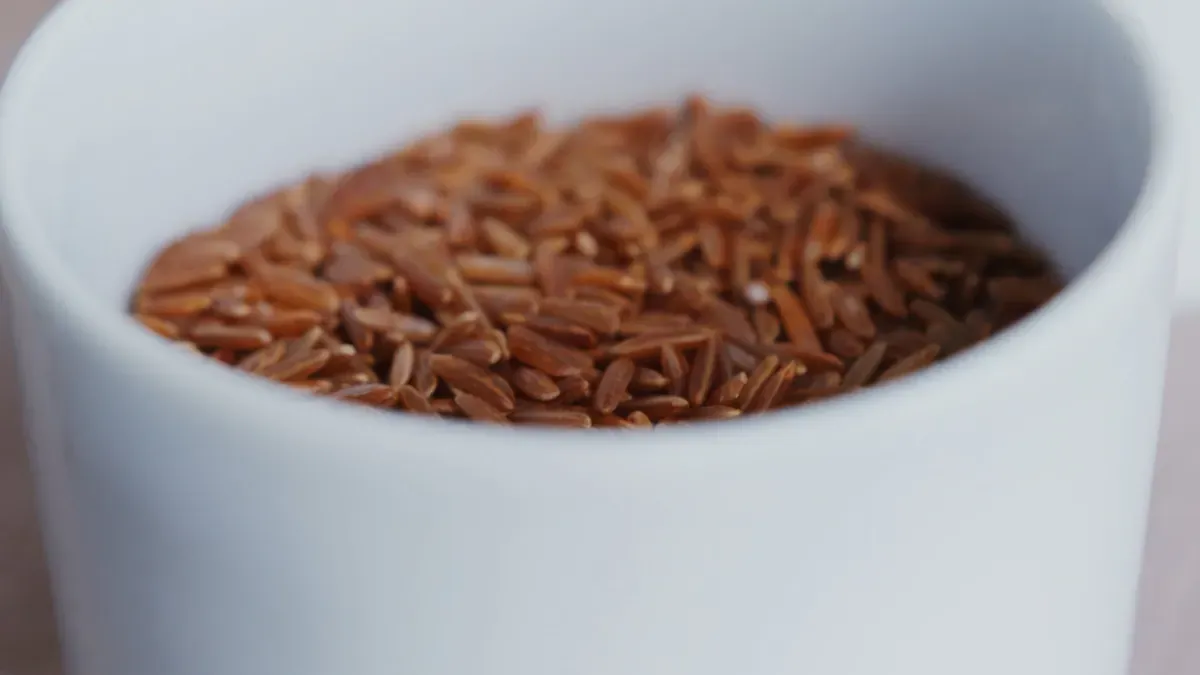
Brown rice has become a staple in many healthy diets, and for good reason! The brown rice benefits are numerous, as it is packed with nutrients that support your well-being, unlike white rice. Did you know that only 10% of rice consumed in Australia is brown? In Japan, just 2% of adults choose it over white rice. As more people recognize the health benefits of whole grains, the popularity of brown rice is on the rise.
Nutrient | Brown Rice | White Rice |
|---|---|---|
Fiber | Higher | Lower |
Magnesium | Higher | Lower |
Potassium | Higher | Lower |
Iron | Higher | Lower |
B Vitamins (B1, B3, B6, B9) | Higher | Lower |
Glycemic Index | Medium (68) | High (73) |
Calories (per cup) | 218 | 242 |
Embracing brown rice can be a delicious way to enhance your nutrition and enjoy the many brown rice benefits it offers!
Key Takeaways
Brown rice is packed with nutrients like fiber, magnesium, and antioxidants, making it a healthier choice than white rice.
Incorporating brown rice into your diet can improve digestive health by promoting regular bowel movements and preventing constipation.
Brown rice helps with weight management by keeping you full longer, stabilizing energy levels, and reducing the risk of overeating.
Choosing brown rice can lower blood sugar levels and reduce the risk of type 2 diabetes, making it a smart option for those managing their health.
Regular consumption of brown rice supports heart health by lowering cholesterol levels and reducing the risk of heart disease.
Fiber Benefits
Digestive Health
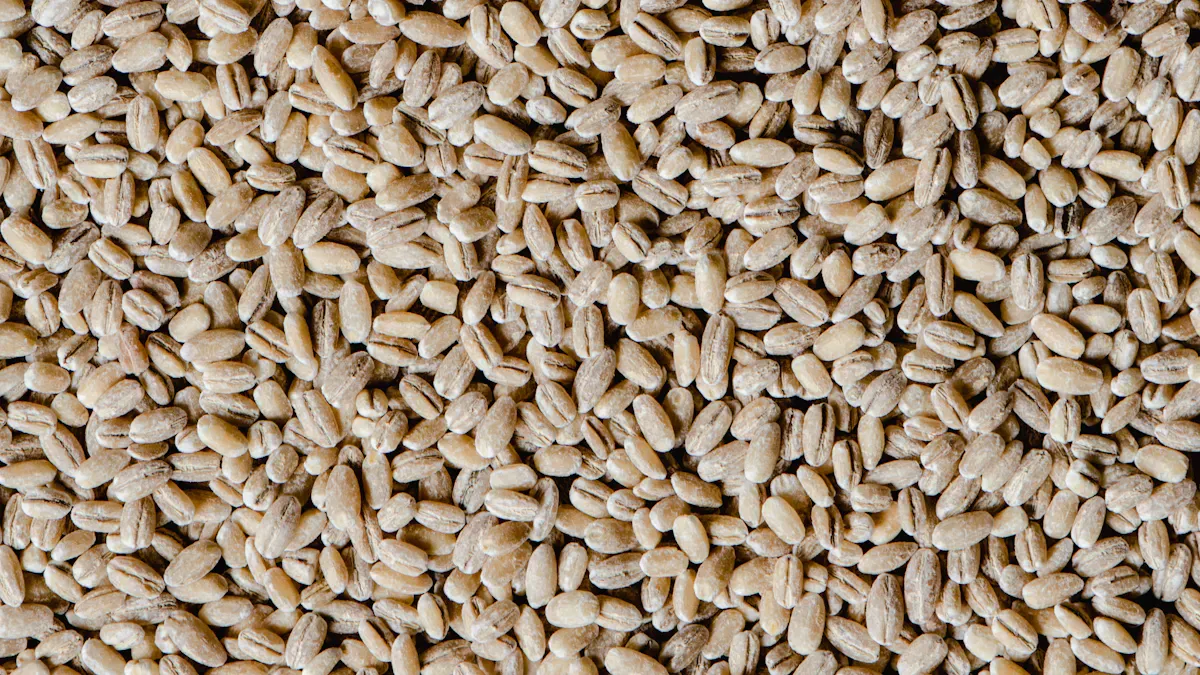
When it comes to digestive health, brown rice shines thanks to its high fiber content. Fiber plays a crucial role in keeping your digestive system running smoothly. It helps prevent constipation by adding bulk to your stool, making it easier to pass. Clinical research shows that the dietary fiber in brown rice interacts with starch and digestive enzymes, leading to slower digestion. This means your body can absorb nutrients more effectively while keeping your gut happy.
Here’s a quick comparison of fiber content in various grains:
Grain | Fiber in 16g of this Grain |
|---|---|
brown rice | 0.6 grams |
barley | 2.8 grams |
bulgur wheat | 2.9 grams |
rye | 2.4 grams |
oats | 1.7 grams |
Eating brown rice can significantly improve your bowel movements. Studies indicate that a diet rich in brown rice decreases colonic transit time, meaning food moves through your intestines more quickly. This can lead to more frequent and comfortable bowel movements.
Weight Management
If you’re looking to manage your weight, brown rice can be a great ally. Its high fiber and protein content help you feel full longer. When you eat brown rice, the fiber slows down digestion, which keeps your energy levels stable and curbs those pesky hunger pangs. This can prevent overeating and support a healthy metabolism.
A ½ cup serving of cooked brown rice contains about 1.6 grams of fiber. This fiber not only supports healthy digestion but also contributes to a greater feeling of fullness after meals. Here are some benefits of including brown rice in your diet for weight management:
It promotes a feeling of fullness.
It helps maintain stable energy levels.
It reduces the likelihood of overeating.
Incorporating brown rice into your meals can lead to better glycemic control and even lower body weight over time. Studies show that substituting brown rice for white rice can lead to reduced body fat and waist circumference, making it a smart choice for those focused on their health.
Nutritional Value
Vitamins and Minerals
Brown rice is a powerhouse of essential vitamins and minerals that contribute to your overall health. Here’s a quick look at some of the key nutrients you get from a serving of brown rice:
Mineral/Vitamin | Quantity per Serving | % Daily Value |
|---|---|---|
Calcium | 2.8 mg | 0% DV |
Copper | 93.6 μg | 10% DV |
Iron | 0.4 mg | 2% DV |
Magnesium | 36.0 mg | 9% DV |
Manganese | 884.4 μg | 38% DV |
Phosphorus | 96.4 mg | 8% DV |
Potassium | 77.5 mg | 2% DV |
Selenium | 5.3 μg | 10% DV |
Zinc | 0.7 mg | 6% DV |
These nutrients play vital roles in your body. For instance, magnesium supports muscle function, while manganese is crucial for bone health. By choosing brown rice over white rice, you’re opting for a grain that offers more nutrition.
Antioxidants
Brown rice also boasts impressive antioxidant properties. It contains various antioxidants, including flavonoids, anthocyanins, and phenolic compounds. These compounds help reduce the risk of chronic diseases like cancer and heart disease. Here are some benefits of the antioxidants found in brown rice:
They combat oxidative stress and inflammation, promoting healthy skin.
Manganese in brown rice aids in producing superoxide dismutase (SOD), an enzyme that protects your cells from damage.
Regular consumption can enhance your immune system, helping you fend off illnesses.
Incorporating brown rice into your meals not only boosts your nutrition but also supports your body’s natural defenses. So, why not make it a staple in your diet?
Blood Sugar Management
Glycemic Control
When it comes to managing your blood sugar levels, brown rice can be a game changer. Unlike white rice, brown rice has a lower glycemic index (GI), which means it causes a slower rise in blood sugar after meals. Here’s a quick comparison of the glycemic index of both types of rice:
Type of Rice | Glycemic Index |
|---|---|
Brown Rice | 68 |
White Rice | 73 |
The higher fiber content in brown rice contributes to its lower GI. This fiber helps slow down digestion, allowing your body to absorb glucose more gradually. As a result, you can enjoy more stable blood sugar levels throughout the day.
Diabetes-Friendly
If you have diabetes or are at risk, incorporating brown rice into your diet can be beneficial. Studies show that eating brown rice can significantly lower post-meal blood sugar levels, especially for those with type 2 diabetes. For instance, consuming just two servings of brown rice each week can reduce your risk of developing type 2 diabetes by 16% when you substitute it for white rice.
Here are some key benefits of brown rice for blood sugar management:
It retains its natural germ and bran, which are rich in nutrients.
Regular consumption is linked to a decreased risk of diabetes.
A study found that individuals who ate brown rice experienced lower hemoglobin A1c levels, indicating better long-term blood sugar control.
By choosing brown rice over white rice, you not only enjoy its delicious taste but also support your health and well-being. So, why not make the switch today?
Heart Health

Cholesterol Reduction
Eating brown rice can significantly improve your heart health by helping to lower cholesterol levels. Research shows that whole grains, including brown rice, can enhance your cholesterol profile. Here are some key findings:
A 2020 review of 25 studies found that whole grains can improve total cholesterol, triglycerides, and LDL cholesterol levels compared to refined grains.
A 2019 review highlighted that dietary fiber from whole foods like brown rice can lower total and LDL cholesterol. This can even enhance the effectiveness of statin therapy for those at risk of heart disease.
How does brown rice achieve these benefits? Here’s a quick look at the mechanisms involved:
Mechanism | Effect on Cholesterol |
|---|---|
Regulation of lipid metabolism | Decreases triglyceride, total cholesterol, and LDL-C levels; increases HDL-C levels |
Modulation of gut microbiota | Enhances cholesterol elimination-related gene expression |
Influence of bioactive compounds | Upregulates cholesterol elimination genes and downregulates cholesterol synthesis genes |
Heart Disease Prevention
In addition to lowering cholesterol, brown rice can help reduce your risk of heart disease. Studies indicate that higher consumption of brown rice is linked to a significantly lower risk of coronary heart disease (CHD). For example, a prospective cohort study found that the pooled hazard ratio for brown rice consumption was 0.79, suggesting a protective effect against heart disease.
By incorporating brown rice into your meals, you not only enjoy its delicious taste but also support your heart health. So, why not make it a regular part of your diet? Your heart will thank you!
Energy Boost
Sustained Energy
Brown rice is an excellent source of energy, thanks to its high carbohydrate content. Carbohydrates are your body’s primary fuel source, and brown rice provides them in a healthy way. It contains about 76% carbohydrates, which means you get a steady release of energy throughout the day. This slow release helps you avoid those pesky energy crashes that often come with refined grains. Here’s a quick look at the carbohydrate content from various studies:
Source | Carbohydrate Content (%) |
|---|---|
Kumar et al. (2016) | 76.2 |
Saleh et al. (2013) | 76.0 |
Eggum (1979) | 74.8 |
By choosing brown rice, you ensure that your body has the fuel it needs to keep going strong.
Physical Performance
If you’re active or looking to improve your physical performance, brown rice can be a game changer. The complex carbohydrates in brown rice provide lasting energy, making it a great choice before workouts. Eating brown rice can help you maintain your stamina during exercise, allowing you to push through those tough workouts.
Plus, the fiber in brown rice aids in digestion, ensuring that your body absorbs nutrients efficiently. This means you get the most out of your meals, which is crucial for recovery and muscle growth. Whether you’re hitting the gym or going for a run, brown rice can support your fitness goals.
Incorporating brown rice into your meals is simple. You can enjoy it as a side dish, mix it into salads, or even use it as a base for stir-fries. With its versatility and health benefits, brown rice is a smart choice for anyone looking to boost their energy levels and enhance their physical performance.
In summary, brown rice offers numerous health benefits, from improving digestive health to supporting heart health and managing blood sugar levels. By adding brown rice to your meals, you can enjoy these advantages while savoring its nutty flavor and chewy texture.
Here are some simple ways to incorporate brown rice into your diet:
Use short-grain brown rice as a base for curries and stir-fries.
Add it to soups for a healthy carb boost.
Create a rice bowl with beans, salsa, and greens.
Try making stuffed bell peppers with brown rice and ground beef.
With its versatility, brown rice can easily fit into your daily meals. So why not give it a try? Your body will thank you! 🌾
FAQ
What is the difference between brown rice and white rice?
Brown rice is a whole grain that retains its bran and germ, making it richer in nutrients and fiber. White rice, on the other hand, has been milled and polished, removing these beneficial parts.
How can I cook brown rice?
To cook brown rice, rinse it under cold water. Combine one cup of brown rice with two cups of water in a pot. Bring it to a boil, then reduce heat, cover, and simmer for about 45 minutes until tender.
Is brown rice gluten-free?
Yes! Brown rice is naturally gluten-free, making it a great option for those with gluten sensitivities or celiac disease. You can enjoy it safely as part of a gluten-free diet.
How often should I eat brown rice?
You can include brown rice in your diet several times a week. Aim for variety by pairing it with different vegetables, proteins, and spices to keep your meals interesting and nutritious.
Can I store cooked brown rice?
Absolutely! Store cooked brown rice in an airtight container in the refrigerator for up to 4-6 days. You can also freeze it for longer storage, making meal prep easier!