

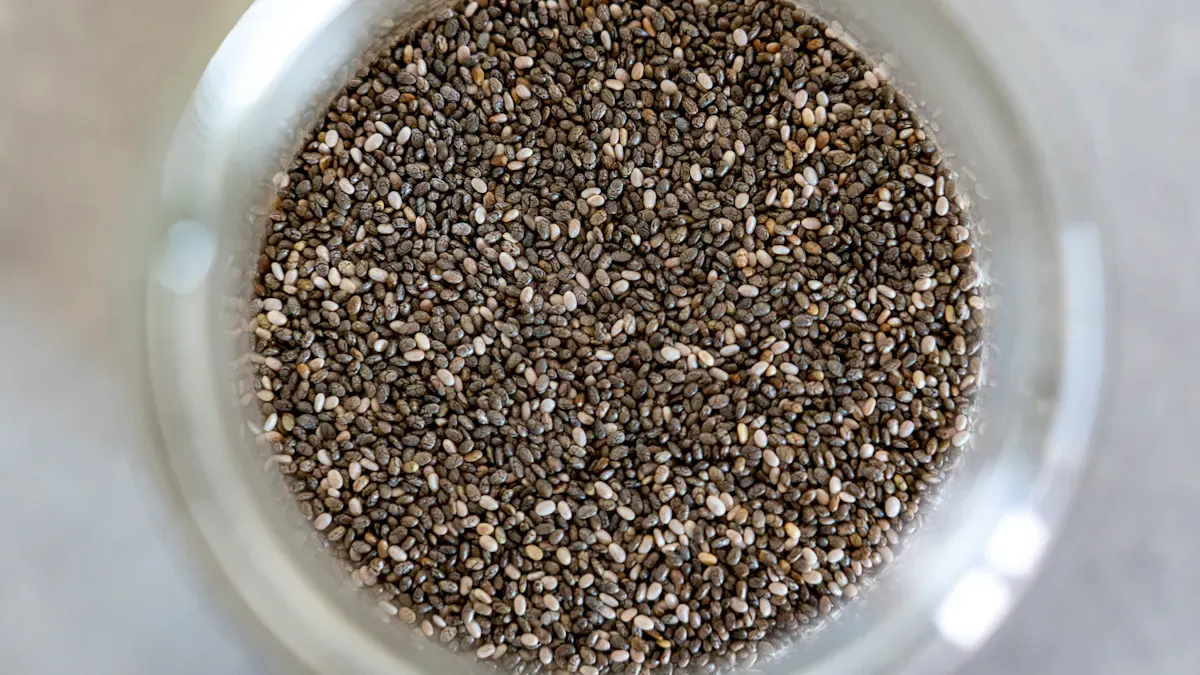
Chia seeds have taken the health world by storm, becoming a staple in many diets due to their numerous Chia Seeds Benefits. With a market value of USD 1.25 billion, their popularity is driven by their impressive nutritional profile. Packed with omega-3 fatty acids, fiber, and protein, these tiny seeds can significantly enhance your overall health. Have you ever thought about how daily chia seed consumption could transform your meals and well-being, thanks to the incredible Chia Seeds Benefits?
Key Takeaways
Chia seeds are nutrient-dense, offering omega-3 fatty acids, fiber, and protein to boost your health.
Regular consumption of chia seeds can improve digestive health by supporting gut bacteria and regular bowel movements.
Chia seeds help manage blood sugar levels, reducing spikes after meals and aiding in diabetes management.
Incorporating chia seeds into your diet can promote heart health by lowering cholesterol and blood pressure.
Chia seeds can aid in weight loss by keeping you full longer, helping you control your appetite.
Nutrient-Dense Superfood
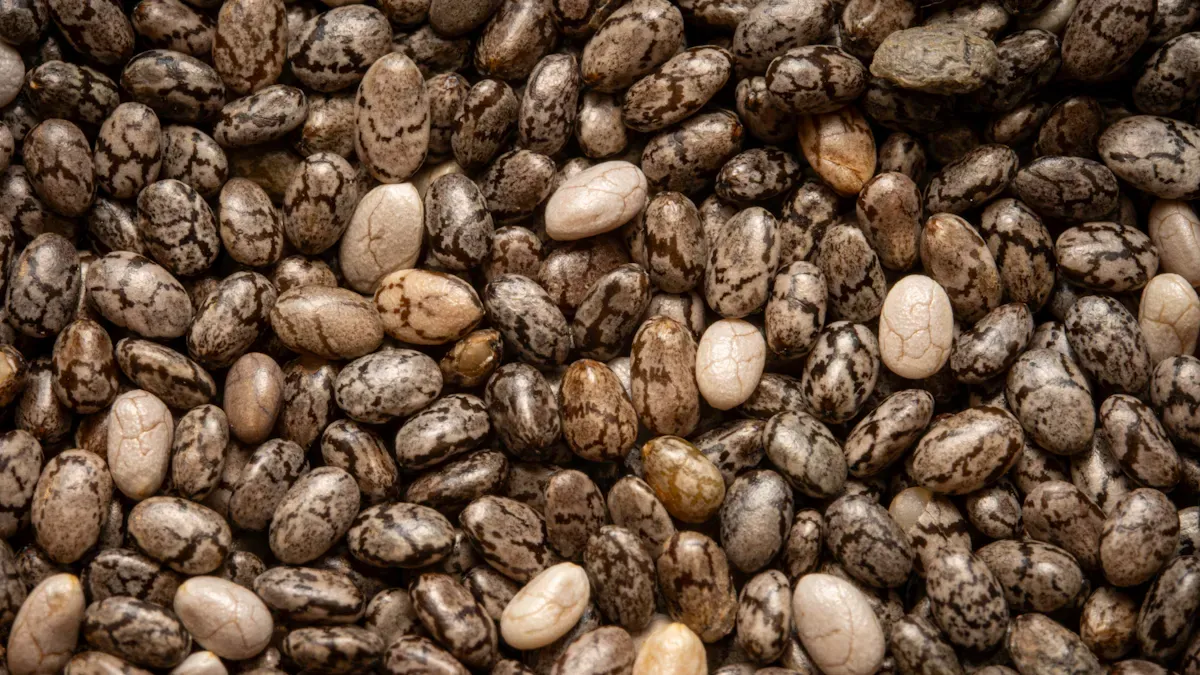
Chia seeds are a powerhouse of nutrition, making them a fantastic addition to your daily diet. These tiny seeds pack a punch with their impressive nutrient profile. Let’s dive into two of their standout features: omega-3 fatty acids and fiber.
Omega-3 Fatty Acids
Chia seeds are a rich source of omega-3 fatty acids, specifically alpha-linolenic acid (ALA). In fact, about 60% of the oil in chia seeds consists of these healthy fats. This makes them one of the best plant-based sources of omega-3s available. Including chia seeds in your diet can help support heart health, reduce inflammation, and even improve brain function. Compared to other superfoods like flaxseeds and salmon, chia seeds offer more ALA, fiber, and protein per gram, making them highly nutritious.
High in Fiber
When it comes to fiber, chia seeds shine brightly. Each serving contains over 9 grams of fiber, which is crucial for maintaining digestive health. Fiber helps keep your bowel movements regular and supports the growth of beneficial gut bacteria. It also aids in nutrient absorption, ensuring your body gets the vitamins it needs.
Here’s a quick look at the nutritional value of chia seeds per serving:
Nutrient | Value |
|---|---|
Calories | 58 |
Fats | 4g |
Saturated fats | 0.4g |
Trans fats | 0g |
Cholesterol | 0mg |
Sodium | 2mg |
Carbs | 5g |
Net carbs | 1g |
Fiber | 4g |
Sugar | – |
Protein | 2g |
Calcium | 76mg |
Iron | 1mg |
Potassium | 49mg |
Copper | 0.1mg |
Folate (B9) | 6μg |
Magnesium | 40mg |
Manganese | 0.3mg |
Phosphorus | 103mg |
Selenium | 7μg |
Thiamine | 0.1mg |
Vitamin C | 0.2mg |
Vitamin E | 0.1mg |
Zinc | 1mg |
With their abundant dietary fiber, chia seeds not only help you feel fuller longer but also play a role in weight management. So, if you’re looking to boost your health, consider adding these nutrient-dense seeds to your meals!
Digestive Health Benefits
Chia seeds offer impressive digestive health benefits that can enhance your overall well-being. By incorporating these tiny seeds into your diet, you can support your gut immunity and help regulate blood sugar levels.
Supports Gut Immunity
Did you know that chia seeds can play a significant role in maintaining a healthy gut? Their high fiber content is a key factor. Chia seeds contain both soluble and insoluble fiber, which nourishes beneficial gut bacteria. This fiber acts as a prebiotic, promoting the growth of good bacteria like Lactobacillus and Bifidobacterium.
Here are some ways chia seeds support gut immunity:
They help reduce inflammation in the gut, thanks to their omega-3 fatty acids.
Antioxidants in chia seeds protect gut cells from oxidative stress.
The fermentation of soluble fiber in the colon leads to the production of short-chain fatty acids (SCFAs), which support gut lining integrity.
When you consume chia seeds regularly, you not only improve your digestion but also create a healthier environment for your gut bacteria to thrive.
Reduces Blood Sugar Spikes
If you’re looking to manage your blood sugar levels, chia seeds can be a game-changer. Studies show that consuming chia seeds can help reduce blood sugar responses after meals. When you eat chia seeds, they absorb liquid and form a gel-like substance. This slows down digestion and helps prevent rapid increases in blood glucose levels.
Here’s how chia seeds can help you manage blood sugar:
A study indicated that consuming 25 grams of chia seeds can lead to reduced blood sugar spikes after a high-sugar snack.
When you combine chia seeds with yogurt, the protein and fat in yogurt further slow carbohydrate digestion, enhancing glucose regulation.
By adding chia seeds to your meals, you can enjoy their health benefits while keeping your blood sugar levels in check.
Heart Health and Blood Sugar Regulation
Chia seeds offer fantastic benefits for your heart health and help regulate blood sugar levels. Let’s explore how these tiny seeds can make a big difference in your life.
Lowers Cholesterol
Including chia seeds in your diet can significantly lower cholesterol levels. Research shows that chia seeds can reduce triglycerides and LDL cholesterol while boosting HDL cholesterol, the “good” kind. Here’s a quick look at some findings:
Benefit | Description |
|---|---|
Omega-3 Fatty Acids | Chia seeds are rich in omega-3 fatty acids, which help block calcium and sodium channel dysfunctions, potentially preventing hypertension. |
Blood Pressure | Regular consumption can lower systolic blood pressure by up to 6 mmHg. |
Cholesterol Levels | Studies indicate that chia seeds can increase HDL cholesterol levels by an average of 5.75 mg/dL. |
By adding chia seeds to your meals, you can promote heart health and reduce the risk of heart disease.
Benefits for Diabetics
If you have diabetes, chia seeds can be a valuable addition to your diet. They help regulate blood sugar levels and improve insulin sensitivity. Here’s how:
Chia seeds contain 11.9 grams of carbohydrates and 9.8 grams of fiber per one-ounce serving, which can help manage blood sugar.
The fiber in chia seeds is not digested like other carbohydrates, contributing to better blood sugar control.
Regular consumption may lower blood sugar and improve insulin sensitivity.
In fact, a study found that participants with type 2 diabetes who included chia seeds in their diet experienced greater weight loss and reduced waist circumference. This can lead to better overall health and improved management of diabetes.
Incorporating chia seeds into your daily routine can support your heart and help you maintain stable blood sugar levels. So why not give them a try?
Support Weight Loss
Chia seeds can be a fantastic ally in your weight loss journey. Their unique properties help curb your appetite and support weight management. Let’s explore how these tiny seeds can make a big difference.
Feel Fuller Longer
One of the most significant chia seeds benefits is their ability to help you feel fuller for longer. When you consume chia seeds, they absorb liquid and expand in your stomach, forming a gel-like substance. This process can slow down digestion and keep you satisfied.
Chia seeds are high in fiber, with nearly 10 grams in just two tablespoons. This fiber content fills your stomach and promotes the release of hormones that signal fullness. As a result, you may naturally reduce your calorie intake throughout the day.
Studies show that chia seeds can absorb up to 12 times their weight in liquid. This means they take up space in your stomach, which can help prevent excessive hunger and support weight loss efforts.
By incorporating chia seeds into your meals, you can enjoy a feeling of fullness that lasts longer, making it easier to stick to your weight management goals.
Aids in Detoxification
Chia seeds also play a vital role in detoxification and metabolic health. Their unique composition supports your body in eliminating toxins and maintaining a healthy digestive system. Here’s how:
Component | Health Benefit |
|---|---|
Fiber | Reduces blood glucose levels and provides bulk to stool. |
Polyphenols | Protects pancreatic beta cells from inflammation. |
Antioxidants | Protects against cell damage, potentially reducing cancer risk. |
Omega-3 fatty acids | May lower heart disease risk and improve cardiovascular health. |
Soluble fiber | Lowers LDL cholesterol and aids in digestion. |
Chia seeds are hydrophilic, meaning they absorb water and help keep you hydrated. This property aids digestion and promotes regular bowel movements. Additionally, their rich antioxidant content helps combat oxidative stress and reduce inflammation in your body.
Incorporating chia seeds into your daily routine can support your weight loss efforts while also promoting overall health. So why not give them a try? You might find that these tiny seeds make a big impact on your journey to a healthier you!
Easy Ways to Use Chia Seeds
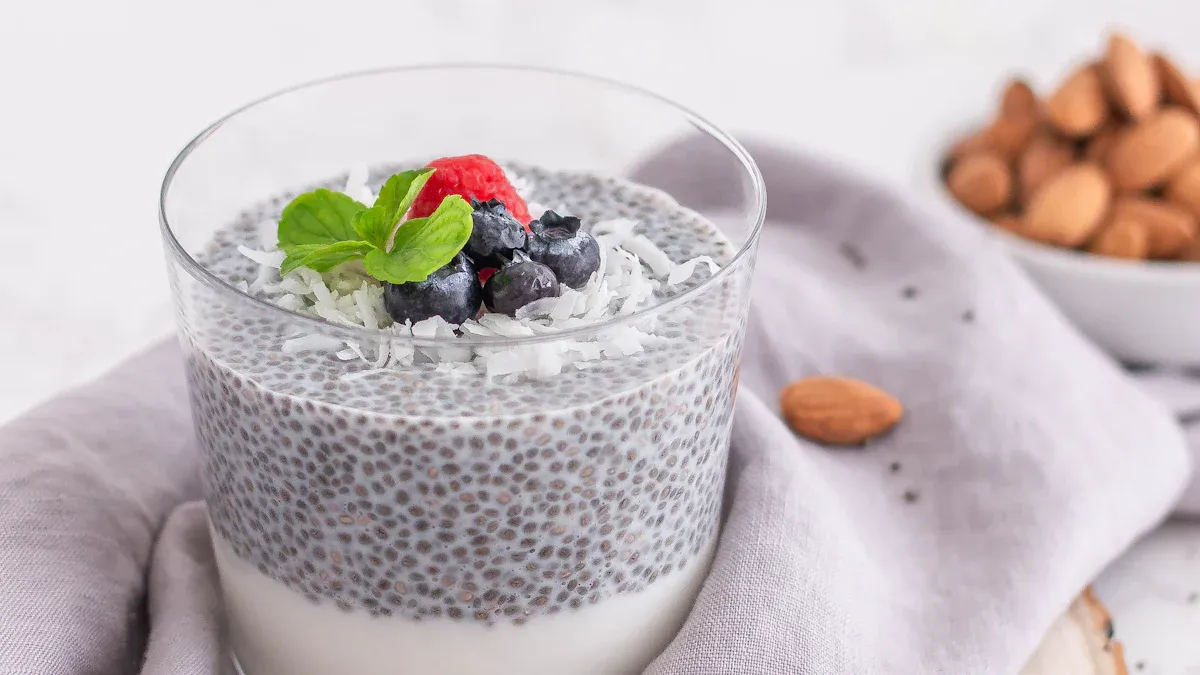
Incorporating chia seeds into your daily meals is simple and fun! Here are some easy preparation methods to maximize their nutritional benefits.
Simple Preparation Methods
You can prepare chia seeds in various ways to enhance your dishes. Here’s a quick overview:
Method of Preparation | Description |
|---|---|
Soaking | Soak chia seeds to form a gel, which can thicken stews or gravies. |
Egg Substitute | Soak 1 tablespoon of chia seeds in 3 tablespoons of water to replace one egg in recipes. |
Adding to Oatmeal | Stir in 1 tablespoon of whole or ground chia seeds into prepared oatmeal. |
Chia Pudding | Mix chia seeds with liquid and let soak longer for a thicker pudding-like texture. |
Smoothie Addition | Soak chia seeds before adding them to smoothies for enhanced nutrition. |
Chia seeds can absorb up to 12 times their weight in liquid, making them perfect for keeping baked goods moist. Their mild flavor allows you to add them to smoothies, juices, yogurt, and oatmeal without altering the taste.
Versatile Recipe Ideas
Now that you know how to prepare chia seeds, let’s explore some delicious recipe ideas:
Chia Seed Muffins: These muffins add crunch and fiber to your breakfast.
Chia Seed Crackers: A simple snack made by mixing chia seeds with water and flour.
Pumpkin Chia Pudding: A nutritious treat with autumn flavors, perfect for breakfast or dessert.
Berry Smoothie Bowl: A refreshing smoothie served in a bowl, topped with your favorite fruits and nuts.
Vegetable Fritters: Use chia seeds as an egg substitute to bind ingredients for a tasty dish.
You can also prepare chia water by soaking chia seeds in water for a refreshing drink. With so many options, you can easily incorporate chia seeds into your meals and enjoy their numerous health benefits!
Chia seeds are a fantastic addition to your diet, offering numerous health benefits. Here’s a quick recap of their advantages:
Highly nutritious, packed with fiber, protein, and omega-3 fatty acids.
Loaded with antioxidants that protect your cells.
Support weight loss by keeping you full longer.
Lower your risk of heart disease with their heart-healthy properties.
Promote bone health with essential nutrients.
By incorporating chia seeds into your daily meals, you can enjoy these benefits and improve your overall health. Remember, small dietary changes can lead to significant health improvements. So why not start today? Your body will thank you!
FAQ
What are chia seeds?
Chia seeds are tiny, nutrient-rich seeds from the Salvia hispanica plant. They are packed with omega-3 fatty acids, fiber, protein, and antioxidants, making them a popular superfood for enhancing overall health.
How do I store chia seeds?
Store chia seeds in a cool, dry place, preferably in an airtight container. They can last up to two years if kept away from moisture and sunlight. Refrigeration can extend their shelf life even further.
Can I eat chia seeds raw?
Yes, you can eat chia seeds raw! They can be sprinkled on salads, added to smoothies, or mixed into yogurt. Just remember to drink plenty of water, as they absorb liquid and expand in your stomach.
How many chia seeds should I eat daily?
A typical serving size is about 1 to 2 tablespoons (15-30 grams) per day. This amount provides a good balance of nutrients without overwhelming your digestive system.
Are there any side effects of eating chia seeds?
Chia seeds are generally safe for most people. However, consuming them in large amounts may cause digestive issues like bloating or gas. Start with small servings and increase gradually to see how your body reacts.
