

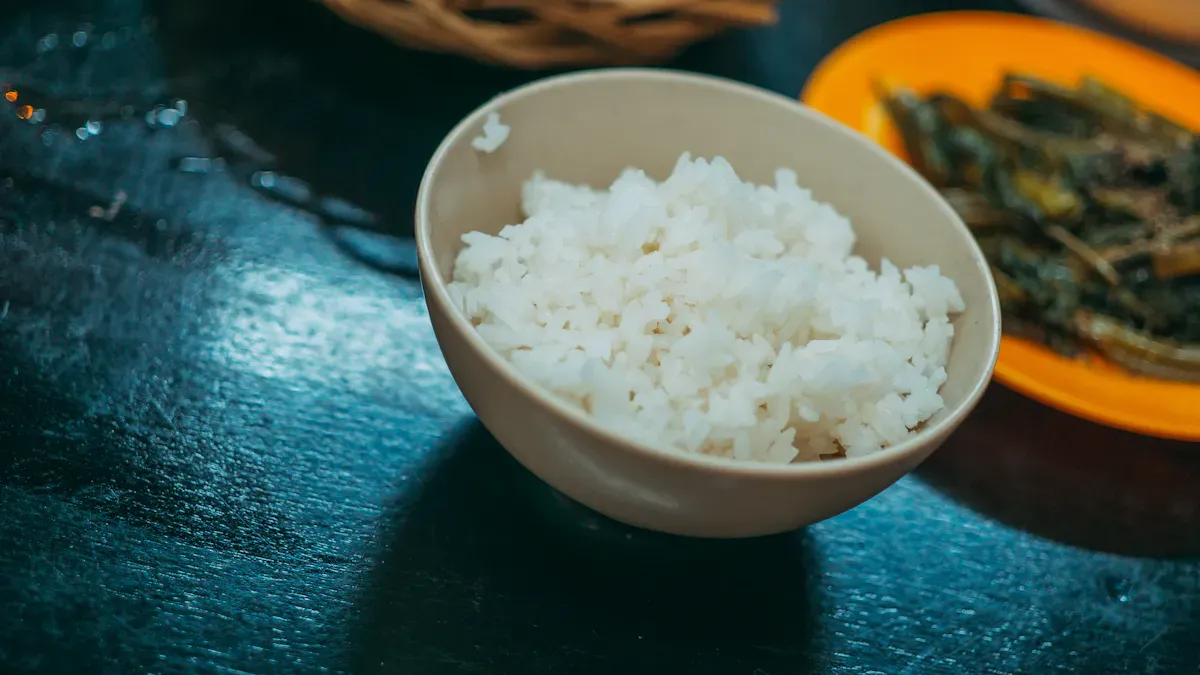
You’ve probably faced the frustration of cooking rice perfectly, only to have it turn out sticky or mushy. It’s a common problem! The texture of rice can truly elevate your meal. Soft and fluffy rice not only tastes great but also complements your dishes perfectly. Fortunately, you can use simple techniques to ensure you are cooking rice perfectly every time.
Key Takeaways
Rinse your rice before cooking to remove excess starch. This simple step helps achieve fluffy, non-sticky rice.
Measure the water accurately based on the type of rice you are using. The right water-to-rice ratio is crucial for perfect texture.
Let your rice rest for 5 to 10 minutes after cooking. This allows steam to redistribute, resulting in a light and fluffy texture.
Rinse Rice
Why Rinsing Matters
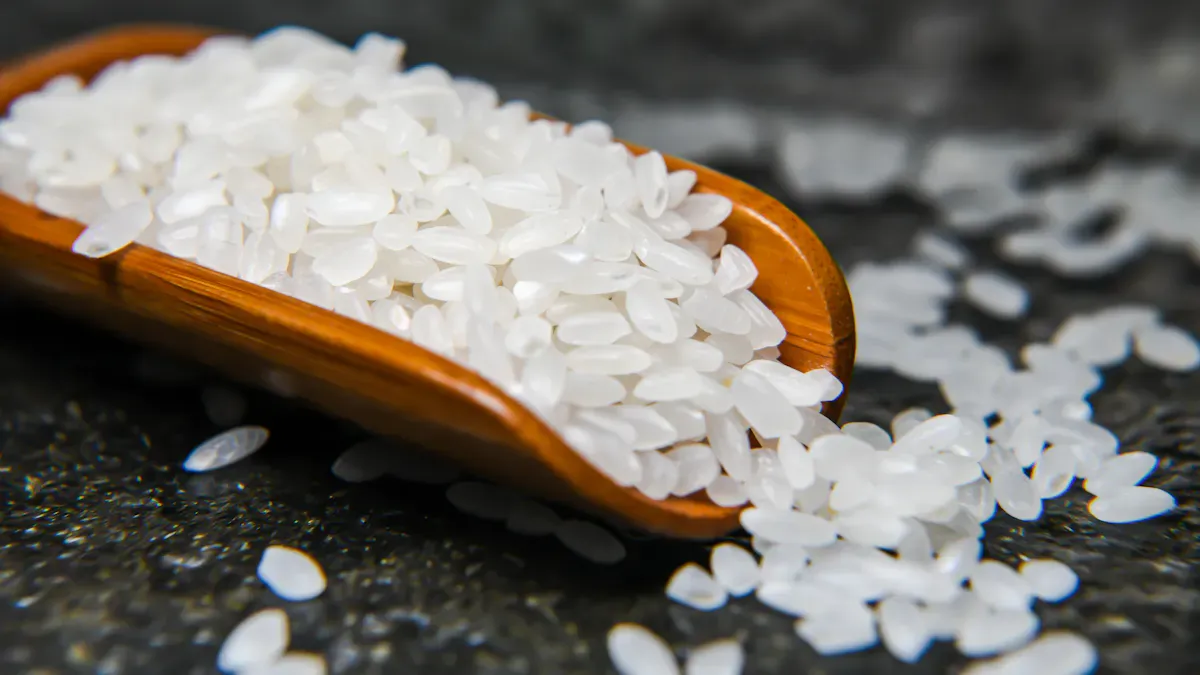
Rinsing rice is a crucial step that many cooks overlook. When you rinse rice, you remove excess starch that can make your rice sticky and clumpy. This simple action helps achieve that fluffy texture you crave. Plus, rinsing eliminates dust and any unwanted materials, especially if you buy rice in bulk. While rinsing is generally beneficial, be cautious. Excessive rinsing can wash away some water-soluble B vitamins often added to polished enriched white rice.
Interestingly, different cultures have unique approaches to rinsing rice. For example, the Red Yao of China ferment rice over several days to create nutrient-rich water that enhances hair strength. In Japan, people collect the starchy water from washed rice to improve hair smoothness. These practices show that rinsing rice can have benefits beyond cooking!
How to Rinse Properly
To rinse rice effectively, follow these simple steps:
Measure Your Rice: Start by measuring the amount of rice you plan to cook.
Place in a Bowl: Transfer the rice to a large bowl or fine-mesh strainer.
Add Water: Fill the bowl with cold water, enough to cover the rice completely.
Swirl Gently: Use your hand to swirl the rice around in the water. This action helps release the excess starch.
Drain and Repeat: Carefully drain the water, then repeat the process 2-3 times until the water runs clear.
By rinsing your rice properly, you set the stage for perfectly fluffy grains that will elevate your meals.
Measure Water Accurately
Water-to-Rice Ratio
Getting the right water-to-rice ratio is essential for cooking rice perfectly. If you use too much water, your rice can become mushy. Too little water can leave it undercooked. Here’s a handy table to help you find the right ratio for different types of rice:
Type of Rice | Water-to-Rice Ratio |
|---|---|
Long-grain white rice | 1.75 cups |
Jasmine rice | 1.5 cups |
Basmati rice | 1.5 cups |
Brown rice | 2.25 cups |
Short-grain rice | 1.2 cups |
Tip: If you’re cooking at high altitudes, remember to reduce the water by about 10-15%. This adjustment helps account for the lower boiling temperature of water.
Measuring Tools
Using the right tools can make a big difference in achieving that perfect rice to water ratio. Here are some tools you might consider:
Measuring Cups: Standard measuring cups are great for accuracy. They help you measure both rice and water precisely.
Digital Scale: For those who want to be extra precise, a digital scale can measure rice by weight, ensuring you get the exact amount needed.
Rice Cooker: Many rice cookers come with their own measuring cups and water lines, making it easy to get the right ratio every time.
Understanding how different cooking methods affect heat transfer can also impact your measurements. For instance, stovetop cooking may require slight adjustments compared to using a rice cooker.
By measuring accurately, you set yourself up for success in cooking fluffy rice every time!
Cooking Method for Fluffy Rice
Stovetop vs. Rice Cooker
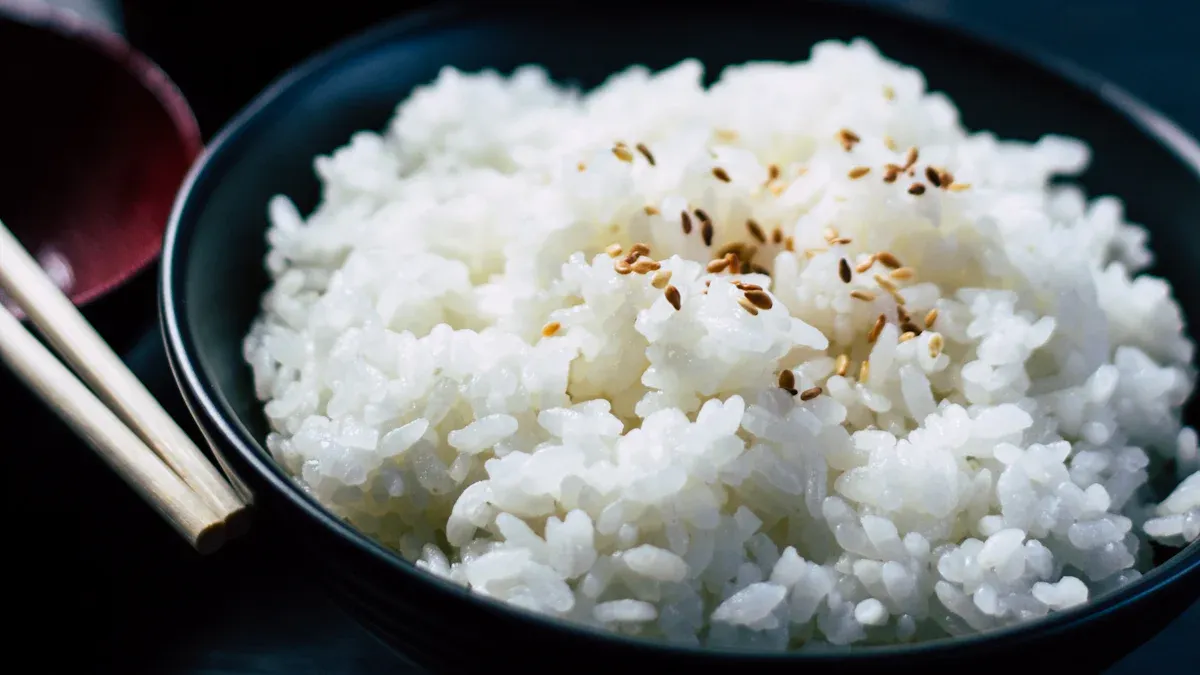
When it comes to cooking rice perfectly, you have two main options: the stovetop or a rice cooker. Each method has its perks and drawbacks. Here’s a quick comparison:
Advantage | Description |
|---|---|
Convenience | A rice cooker automates the cooking process, so you don’t need to monitor it constantly. |
Consistent Results | It delivers perfectly cooked rice every time without guesswork. |
Versatility | You can cook various grains and even steam vegetables or make soups in a rice cooker. |
Time and Energy Savings | Rice cookers allow for hands-free cooking and use less energy than leaving a stovetop burner on. |
Better Flavor and Texture | A rice cooker produces fluffy rice with even cooking and no burnt bottoms. |
Low Maintenance | Many rice cookers have non-stick pots for easy cleanup. |
Cost Considerations | They come in various price ranges, making them accessible for different budgets. |
However, if rice isn’t a regular part of your diet, you might find that stovetop cooking works just fine.
Cooking at Low Simmer
Regardless of the method you choose, cooking at a low simmer is key to achieving fluffy rice. When you cook rice at a high boil, it can lead to uneven cooking and a sticky texture. Instead, bring your water to a gentle simmer after adding the rice. This allows the grains to absorb moisture evenly, resulting in that perfect rice you desire.
So, whether you’re using a rice cooker or the stovetop, remember to keep the heat low. This simple adjustment can make a world of difference in your rice’s texture!
Let It Rest
Importance of Resting
After you finish cooking rice, don’t rush to serve it right away. Letting it rest is a crucial step that many people skip. This resting period allows steam to redistribute throughout the rice, which helps achieve that light and fluffy rice you desire. When you let the rice sit, it finishes cooking evenly, ensuring that each grain has the right texture.
Here’s why resting matters:
The resting period is essential for steam redistribution.
This process leads to a more uniform moisture distribution within the rice grains.
You’ll achieve a consistent texture as a result.
Resting Time
So, how long should you let your rice rest? The recommended time is between 5 to 10 minutes. This short wait can make a big difference! Here’s a quick guide:
Resting Time | Effect on Rice |
|---|---|
5 minutes | Allows some moisture to settle |
10 minutes | Achieves optimal fluffiness |
After turning off the heat, cover the pot and let it sit. This simple step ensures that your rice will be fluffy and delicious when you serve it. Remember, patience pays off in the kitchen!
Fluff with a Fork
Fluffing Technique
Fluffing rice is a simple yet essential step to achieve that light and airy texture. Once your rice has rested, grab a fork. Gently insert the tines into the rice and lift it. Use a light hand to separate the grains without mashing them. This technique helps keep your rice fluffy and prevents clumps.
Here’s a quick guide to fluffing rice:
Wait for the Resting Period: Let the rice sit for 5 to 10 minutes after cooking.
Use a Fork: Avoid using a spoon, as it can break the grains and create a sticky mess.
Lift and Separate: Gently lift the rice with the fork, allowing the grains to fall back into the pot.
Mistakes to Avoid
When fluffing rice, you want to avoid a couple of common mistakes. First, using a spoon instead of a fork can lead to broken grains and clumpy rice. Remember, the fork’s tines are perfect for separating the grains gently.
Another mistake is not allowing the rice to rest before fluffing. If you skip this step, the rice may become sticky or pasty. The resting period allows moisture to redistribute evenly, making it easier to fluff without creating a mess.
By following these tips, you’ll ensure your rice turns out fluffy and delicious every time! 🍚
Add Flavor
Using Broth or Spices
Enhancing the flavor of your rice can take your meal to the next level. Instead of using plain water, try cooking your rice in broth. Whether it’s chicken, vegetable, or beef broth, it adds a rich and savory depth that plain water simply can’t match. Broths are made by simmering meat and herbs, or they can come from stocks that use aromatics and bones. This method not only boosts the taste but also improves the texture of the rice, making it more enjoyable to eat.
You can also add spices and sautéed vegetables to build layers of flavor. Think about tossing in some onions, garlic, or even a pinch of cumin or turmeric. These ingredients can transform your rice into a flavorful side dish that complements your main course beautifully.
Timing for Flavor Addition
When should you add these flavoring ingredients? It’s best to add broth instead of water right from the start. This way, the rice absorbs all those delicious flavors as it cooks. If you’re using spices or vegetables, sauté them in a bit of oil before adding the rice and broth. This step helps release their essential oils, enhancing the overall flavor profile.
By timing your flavor additions correctly, you’ll create rice that’s not just a side dish but a star on your plate! 🌟
Avoid Overcrowding
Cooking in Batches
When cooking rice, you might think that cramming it all into one pot saves time. However, overcrowding can lead to uneven cooking. If you pack too much rice into your pot or rice cooker, some grains may end up undercooked while others become mushy. Instead, consider cooking in batches. This way, each grain gets the attention it deserves, resulting in fluffy rice every time.
Space Matters
Space plays a crucial role in how rice cooks. When rice has room to expand, it absorbs water evenly. If you overcrowd the pot, the rice can clump together, leading to a sticky mess. A good rule of thumb is to fill your pot or rice cooker no more than halfway with rice. This allows enough space for the grains to swell and separate properly.
If you’re cooking for a crowd, don’t hesitate to make multiple batches. It might take a little longer, but the payoff is worth it. You’ll end up with perfectly cooked rice that enhances your meal instead of detracting from it. Remember, a little patience goes a long way in the kitchen! 🍚
Experiment with Rice Varieties
Types of Rice
When you cook rice, experimenting with different varieties can lead to exciting flavors and textures. Here are some popular types of rice and what you can expect when you cook them:
Rice Variety | Texture Description |
|---|---|
Basmati rice | Long, slender grains; separate grains when cooked. |
Jasmine rice | Moist, soft texture; pleasant floral aroma. |
Long grain white | Lighter, fluffier texture; cooks quickly. |
Arborio rice | Creamy texture due to high starch content. |
Parboiled rice | Improved texture; retains some vitamins and minerals. |
Sushi rice | Soft, sticky texture; used for sushi and rice balls. |
Each type of rice brings its unique qualities to your dishes. For instance, basmati rice is perfect for pilafs, while jasmine rice pairs beautifully with Thai dishes.
Cooking Times
Cooking times can vary based on the rice variety you choose. Here’s a quick guide to help you get it right:
Rice Type | Liquid Ratio | Cooking Time |
|---|---|---|
Basmati Rice | 1¾ cups water to 1 cup rice | 15 to 18 minutes |
Jasmine Rice | 2 cups water to 1 cup rice | 15 to 18 minutes |
Short-Grain Rice | 1½ cups water to 1 cup rice | 15 to 18 minutes |
Black Rice | 1.75 cups water to 1 cup rice | 30 to 35 minutes |
Using a rice cooker can simplify this process. Just follow the water-to-rice ratios, and you’ll have perfectly cooked rice every time. Remember, the key to fluffy rice lies in knowing your variety and adjusting your cooking times accordingly!
Cooking rice perfectly involves several key techniques that can transform your meals. From rinsing to resting, each step plays a vital role in achieving fluffy rice. Many home cooks have found success with these methods, noting how they’ve overcome previous struggles.
Try these techniques and see what works best for you! Have you discovered any tips or tricks? Share your experiences with us!
FAQ
How do I know when my rice is done cooking?
Check the rice after the recommended cooking time. If the water is absorbed and the grains are tender, it’s ready!
Can I use a rice cooker for different types of rice?
Absolutely! A rice cooker works well for various rice types, including brown, jasmine, and basmati. Just adjust the water ratio accordingly.
What should I do if my rice turns out sticky?
If your rice is sticky, you may have used too much water or not rinsed it enough. Next time, try rinsing and measuring carefully.
