

A bread machine takes the labor out of mixing, kneading, and proofing, but the flour you feed it decides everything that comes out of the pan. A weak all-purpose blend gives you a flat, dense loaf. A high-protein bread flour gives you the rise and chew you actually want. The right pick depends on whether you’re chasing sandwich slices, rustic whole grain, Neapolitan-style pizza, or a soft pull-apart crumb.
The list below covers the flours that pair well with automatic bread makers, from finely milled 00 pizza flour (which works beautifully for lean loaves) to heritage whole wheat, organic bread blends, and specialty grains like barley and buckwheat for blending. Each pick has a real strength, a real trade-off, and a clear best-fit scenario, so you can match the bag to the way you actually bake.
The Essentials At A Glance
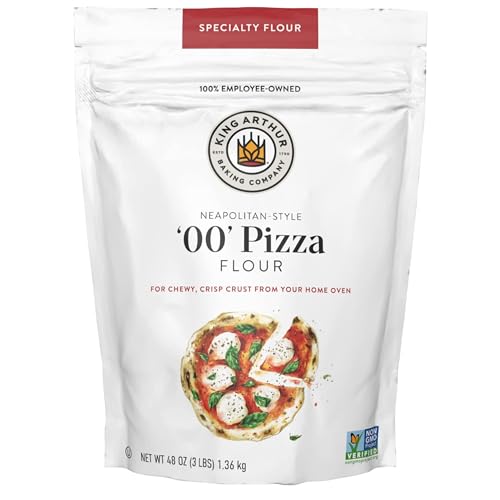
King Arthur 00 Pizza Flour 3 lb Bag

Antimo Caputo Chef’s Flour 22 lb Case

Sunrise Heritage Organic Bread Flour Blend 5 lb

Sunrise Heritage Organic White Flour 5 lb

Sunrise Heritage Organic Whole Wheat Flour 5 lb
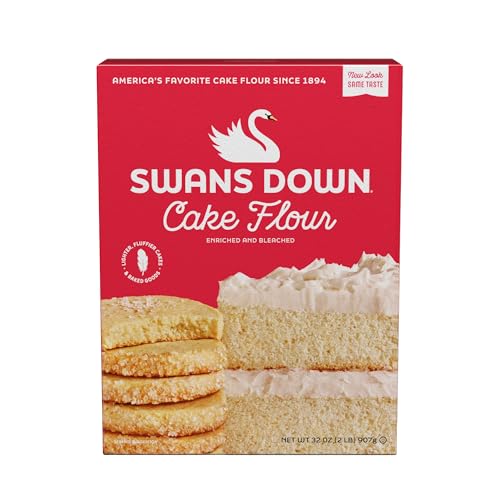
Swans Down Regular Cake Flour 32 oz

Fairhaven Mill Fine Ground Whole Wheat Bread Flour 5 lb

Fairhaven Mill Whole Grain Barley Flour 5 lb

Fairhaven Mill Organic Buckwheat Flour 5 lb
Why These Options Stand Out
King Arthur’s American-grown 00 flour is one of the most versatile bags you can keep on a bread-machine shelf. The “00” label refers to a very fine Italian-style grind, which behaves differently from regular bread flour even though the protein content lands in a similar range. Doughs come out silkier, absorb water a little more eagerly, and shape into tight rounds for focaccia, ciabatta, or lean white loaves without tearing.
If your machine runs a basic white-bread cycle, this flour will surprise you with the crust and crumb it pulls off. It also doubles as a strong pizza flour for weekend projects, so you can split a single bag between two routines. Compared with the imported Antimo Caputo on this list, this one trades some old-world character for a slightly tighter gluten structure that holds up well in a machine paddle.
Everyday Advantages
- Ultra-fine 00 grind that hydrates evenly in machine mixing
- Strong enough for chewy sandwich bread, gentle enough for pizza
- 3 lb bag is a manageable size for solo bakers
- Non-GMO verified, milled from 100% American wheat
Things To Consider
- Priced higher per pound than basic all-purpose
- Not ideal for tall sandwich-pan loaves without a bit of vital wheat gluten
Feature Snapshot
Made For
Home bakers who want one bag that covers lean white loaves and weekend pizza dough without a second purchase.
Skip It When
You bake tall sandwich bread every week; the Sunrise Flour Mill Heritage Organic Bread Flour Blend brings more protein for higher rise.
Antimo Caputo’s Chef’s Flour is a soft-wheat 00 that has been the Neapolitan pizza standard for decades, and this listing comes as a 10-pack case totaling 22 pounds. The same flour that produces a chewy, leopard-spotted pizza crust also handles long, cool fermentation in a bread machine, so a slow dough cycle turns out a tender crumb with a thin, crackly crust on lean loaves.
The trade-off is straightforward: 22 pounds is a commitment. You need a cool, dry pantry spot and a heavy bin, because once opened, the smaller 2.2 lb bags inside the case keep reasonably well but won’t last forever. If you bake weekly, the case pays for itself; if you bake monthly, stick with a smaller American-grown option like the King Arthur 00 above.
What Pays Off
- Authentic Italian soft-wheat 00 with a long fermentation track record
- Case of 10 resealable 2.2 lb bags keeps each portion fresh
- Low ash content, which translates to a clean, pale crumb
Trade Offs
- Bulk case needs serious storage space and a metal or food-grade bin
- Lower protein than typical bread flour, so it can struggle on tall enriched doughs
Right Fit For
Pizza enthusiasts and small home kitchens that bake multiple loaves or pies a week and want one large, dependable supply.
Consider Something Else When
You bake only occasionally; the King Arthur 00 Pizza Flour offers a smaller 3 lb format that won’t sit open in your pantry.
Sunrise’s Heritage Organic Bread Flour Blend uses pre-1950s heritage wheat varietals, which is a meaningful shift from modern hard red wheat. The flavor is mildly nutty and the crumb is noticeably softer, while the protein still pulls enough gluten to give sandwich loaves a clean rise in a basic machine cycle. People with mild wheat sensitivity often report that heritage flours sit better than modern hybrids, though this is an anecdotal report, not a medical claim.
The blend behaves like a hybrid between an all-purpose and a traditional bread flour, so it works for everything from buttermilk loaf to cinnamon rolls. The bag has a golden-cream color thanks to the heritage wheat, and you’ll see flecks of bran that read as rustic without crossing into full whole-wheat territory. You may find a 5 lb bag finishes faster than expected if you bake for a family.
Points In Its Favor
- Heritage wheat for a softer crumb and gentler flavor
- High enough protein for tall sandwich loaves
- Organic and unbleached, no additives
- Versatile across sweet and savory recipes
Honest Caveats
- Priced notably above commodity bread flour
- Slightly lower rise than a pure hard red spring bread flour on enriched doughs
Feature Snapshot
Best Suited To
Sandwich-loaf bakers who want organic ingredients and a softer crumb than standard bread flour delivers.
A Better Fit Elsewhere
You push for the tallest possible pan loaf; the Fairhaven Mill Fine Ground Whole Wheat Bread Flour packs more protein for aggressive rise.
Sunrise’s Heritage Organic White Flour is the brand’s answer to a clean, versatile all-purpose. It is also milled from pre-1950s heritage wheat, so it carries the same softer flavor profile as the bread blend above, just in an all-purpose protein range. That makes it a sensible everyday bag for households where the bread machine handles everything from white loaves to dinner rolls to quick breads.
For bread-machine bakers, this flour sits in a flexible middle ground. Sandwich loaves will be a touch shorter than with a dedicated bread flour, so for very tall pan loaves you’ll want the Sunrise bread blend or Fairhaven’s whole wheat bread flour instead. As a companion bag, it earns its place for pizza dough, focaccia, and softer sweet loaves where a tender crumb matters more than height.
Key Advantages
- USDA organic and grown without glyphosate
- Kosher certified, non-GMO
- All-purpose versatility across bread, pizza, and pastries
- Heritage wheat adds gentle, nutty flavor
Points To Note
- Not optimized for tall, enriched sandwich loaves
- Premium pricing compared to standard all-purpose
Feature Snapshot
Whose Shelf It Belongs On
Busy home cooks who want one organic bag that handles weeknight bread, weekend pizza, and a batch of muffins without swapping flour.
Where A Sibling Pick Shines
Your priority is lofty sandwich bread; the Sunrise Flour Mill Heritage Organic Bread Flour Blend is dialed for higher rise.
Sunrise’s Heritage Organic Whole Wheat Flour is milled from red hard wheat using a finer grind than commodity whole wheat, which matters more in a bread machine than you’d think. The smaller bran particles hydrate more evenly, so the loaf rises without the heavy, brick-like crumb that turns people off whole wheat. The heritage-wheat base also keeps the flavor on the gentler side.
Sunrise ships the bag with a 10-day milling window, which is one of the shortest on the market and a real freshness signal. Whole wheat goes stale faster than white flour, so buying closer to the mill date pays off in aroma and rise. If you bake 100% whole wheat, this bag performs; for a softer sandwich-style crumb, blend it 50/50 with the Sunrise Heritage White Flour on this list.
Real-World Strengths
- Fine grind for smoother dough and even rise
- Heritage red wheat, organic and unbleached
- Short 10-day milling window for fresh delivery
- Strong nutty flavor without bitterness
Where It May Fall Short
- Won’t hit the same volume as white flour loaves
- Premium pricing for the heritage milling process
Feature Snapshot
Perfect Match For
Whole-grain devotees who want real whole wheat flavor without the heavy crumb of supermarket brands.
Look Elsewhere When
You mostly bake lean white loaves; the King Arthur 00 Pizza Flour is built for that routine.
Swans Down Regular Cake Flour is a soft-wheat, low-protein flour that has been a pantry staple for American bakers for over a century. It contains no baking powder or salt, so it stays neutral in the bread machine and won’t react unpredictably with yeast. In a bread machine, that means a soft, tender crumb suited to sweet breads, dinner rolls, and lighter sandwich loaves where height matters less than texture.
Using cake flour in a bread machine is an intentional choice rather than the default. Most lean, crusty loaves need bread flour or a 00 like the King Arthur on this list. Cake flour earns its place for brioche-style loaves, soft white sandwich bread, or enriched doughs where a pillowy crumb is the goal. You’ll also find a 4-pack option if you bake sweet loaves often enough to want backup bags on hand.
Real Benefits
- Soft winter wheat, ultra-low protein
- No added leavening or salt, predictable in yeast doughs
- Trusted American brand with consistent milling
- Affordable per pound
Some Limits To Know
- Not suitable for chewy, crusty breads on its own
- Loaves will be shorter and denser than bread flour loaves
Right Fit For
Sweet-bread and soft-roll bakers who want a tender, cake-like crumb from the bread machine.
Swap It Out When
You bake crusty white or whole-wheat loaves; the Sunrise Flour Mill Heritage Organic Bread Flour Blend has the structure those recipes need.
Fairhaven Mill is a small Washington-state mill that sources Buck Pronto hard red wheat from regional farms and stone-grinds it to a finer consistency than commodity whole wheat. That extra milling care shows up at the bread machine: doughs hydrate faster, the paddle doesn’t leave dry pockets, and finished loaves have a tighter crumb than you usually get from a 100% whole wheat formula.
The flour is certified organic and non-GMO, which is becoming table stakes for serious home bakers. The fine grind also means the loaf slices more cleanly without the gritty texture that turns some people off whole wheat. Depending on your machine’s whole-wheat cycle, you may need to add a tablespoon of vital wheat gluten to push the rise further, since whole wheat is heavier than white flour.
A Few Highlights
- Stone-ground to a silky, even consistency
- Regional hard red wheat, certified organic
- Higher protein supports strong rise in whole-wheat loaves
- Cleaner crumb than commodity whole wheat
Potential Drawbacks
- Smaller mill, so availability can fluctuate
- Priced above mass-market whole wheat options
Who Will Love This
Whole-wheat bakers who want a serious rise without compromising on a clean, organic ingredient list.
Another Choice May Suit
You want heritage-wheat flavor; the Sunrise Flour Mill Heritage Organic Whole Wheat Flour leans into softer, nuttier flavor notes.
Fairhaven Mill’s Whole Grain Barley Flour isn’t a stand-alone bread flour, and that’s the point. It’s a specialty bag meant for blending into multigrain loaves, where a small percentage of barley flour boosts fiber, adds a gentle sweetness, and produces a softer, more tender crumb. Most bread machine bakers use 10-25% barley flour alongside a higher-protein bread flour.
Barley brings a mild, slightly earthy flavor that pairs well with honey, oats, and dark crusts. It’s a good fit for anyone who wants to add variety to a routine whole-wheat loaf without leaving the bread-machine workflow. Used solo, though, barley flour lacks the gluten strength to trap the gas yeast produces, so plan on pairing it with bread flour or whole wheat bread flour for any machine cycle.
Well-Handled Touches
- Whole-grain barley, certified organic and non-GMO
- Adds fiber and a gentle, sweet flavor to blends
- Compatible with most bread machine multigrain settings
Less Ideal Details
- Cannot be used as a 100% flour in a standard bread machine cycle
- Barley flavor is subtle, so heavy-handed use can read as flat
Built With In Mind
Multigrain enthusiasts who like to customize blends and add depth to a basic whole-wheat loaf.
Not Your Match When
You want a single bag for everyday white or whole-wheat bread; the Fairhaven Mill Fine Ground Whole Wheat Bread Flour works solo out of the box.
Fairhaven Mill’s Organic Buckwheat Flour is naturally gluten-free, which makes it a useful specialty bag even though it isn’t a wheat-based bread flour. The name is misleading: buckwheat is a seed, not a wheat relative, and it carries more protein, fiber, and B vitamins than many whole-grain flours. In a bread machine, it works best as part of a gluten-free blend rather than as a solo ingredient.
The flavor is earthy and a little nutty, which holds up well in dark, seeded loaves and in recipes with honey, molasses, or dried fruit. Use buckwheat for 20-40% of the total flour, paired with another gluten-free option, or follow a dedicated gluten-free bread recipe that calls for binders like xanthan gum. A 2 lb bag is also available if 5 pounds feels like a big commitment.
What It Does Well
- Naturally gluten-free, certified organic
- More protein and fiber than most whole-grain flours
- Distinct earthy flavor for dark, hearty loaves
- Useful across both bread and pancake batters
A Few Limitations
- Cannot be used 100% in a standard wheat-based machine cycle
- Strong flavor that can overpower mild recipes
Who Should Grab It
Gluten-free households and adventurous bakers building custom flour blends for bread, pancakes, and crackers.
Reach For A Different Pick When
You want a primary bread flour; the Sunrise Flour Mill Heritage Organic Bread Flour Blend is purpose-built for that role.
How To Match Flour To Your Bread Machine Routine
Protein content is the single most important number to track, even though most bags don’t print it prominently. Bread flour usually sits between 12 and 14 percent protein, all-purpose lands closer to 10 to 11 percent, and cake flour drops to around 7 to 9 percent. Higher protein gives the gluten network more strength to trap gas during a long machine rise, which is what produces tall loaves and an open crumb.
Next, weigh grind. Fine-milled 00 and fine-ground whole wheat hydrate evenly in a machine paddle, while coarse whole wheat can leave dry pockets and dense bottoms. Heritage and stone-milled flours tend to grind finer for the same reason. If your machine has a preheat or soak cycle, finer grinds benefit most because they absorb water quickly.
Finally, look at the rest of your routine. Lean white loaves and pizza call for 00 or high-protein bread flour. Sweet enriched doughs and soft rolls want lower-protein or cake flour. Whole-wheat, multigrain, and gluten-free blends only work when you match the flour to a corresponding machine setting. Match the bag to the cycle, and the bread machine does the rest.
Key Considerations Across These Picks
Where Shoppers Go Wrong
The most common mistake is reaching for whatever’s on the grocery shelf and expecting a bakery result. All-purpose flour works, but it produces a shorter, denser loaf because the gluten network can’t trap as much gas. The other trap is using coarse-grind whole wheat straight from a big-box bag, which can leave the loaf gummy in the middle even after a full bake cycle. Choose a bag that names the protein level, grind style, or both, and run it on the matching machine setting.
Where The Extra Money Goes
Premium flours on this list charge more for traceable sourcing, finer milling, or heritage wheat. The upgrade shows up in flavor, in how evenly the dough hydrates, and in how cleanly the loaf slices. The real question is how often you bake. Daily bakers feel the difference in every loaf. Monthly bakers may not. Pick the bag whose price matches your actual routine, not the routine you wish you had.
Frequently Asked Questions
What protein level works best in a bread machine? Bread flour with 12 to 14 percent protein produces the strongest rise for sandwich loaves. All-purpose at 10 to 11 percent works for softer rolls and sweet breads, while cake flour at 7 to 9 percent is best for very tender, low-rise loaves.
Can I use 00 pizza flour in a bread machine? Yes. 00 flour hydrates evenly and produces a chewy, well-structured crumb. For tall pan loaves, blend it with a small amount of vital wheat gluten to push the rise higher.
Is heritage wheat easier to digest? Many home bakers report that pre-1950s heritage wheat feels gentler on the stomach than modern hybrid wheat, but this is an anecdotal report, not a medical guarantee. Anyone with a diagnosed wheat sensitivity should consult a clinician rather than self-experimenting.
How long does whole wheat flour stay fresh? Whole wheat flour typically keeps for 3 to 6 months in a cool, sealed container. White flour lasts longer, around 6 to 12 months. Buying smaller bags and using them quickly produces better loaves than letting a large bag sit for half a year.
Can I blend flours in the bread machine? Most bread machines handle blends well, especially when you measure each flour by weight. A 50/50 mix of bread flour and whole wheat is a common starting point, and adding 10 to 20 percent barley or buckwheat flour gives multigrain character without breaking the crumb structure.
