

French bread rewards patience, a hot oven, and, most of all, the right flour. The wrong bag turns a hopeful boule into a dense brick. The right one gives you crackling crust, a custard-soft crumb, and a flavor that smells like a Saturday morning bakery. After sorting through a crowded shelf of artisan options, workhorse all-purpose blends, and a few specialty helpers, this shortlist covers the bases: a heritage French wheat for purists, high-protein workhorses for chewy baguettes, softer Italian-style flours for lean doughs, and even a couple of kitchen multi-taskers for when you want one bag that does it all.
The Main Contenders
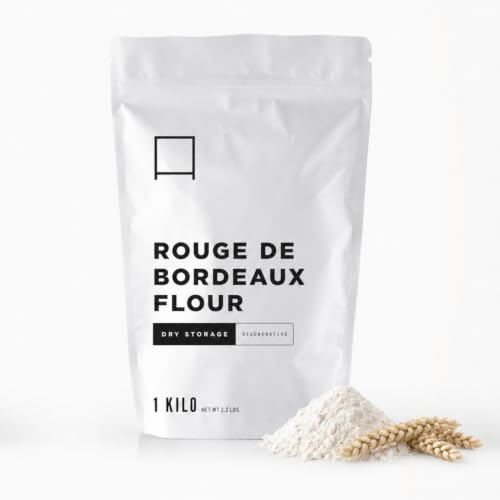
Dry Storage Rouge de Bordeaux Bread Flour 1 Kg

Anthony’s Vital Wheat Gluten 4 lb
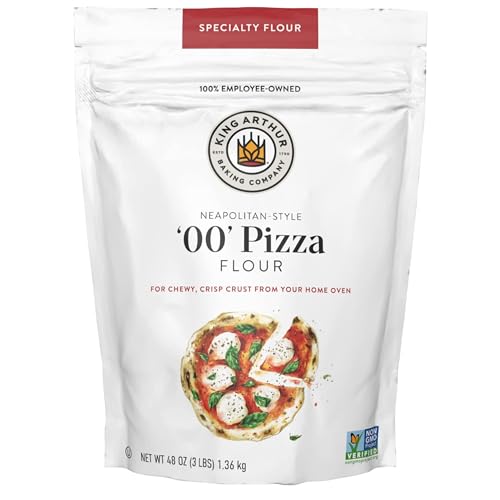
King Arthur 00 Pizza Flour 3 lb

Antimo Caputo Chef’s Flour 2.2 lb (Case of 10)
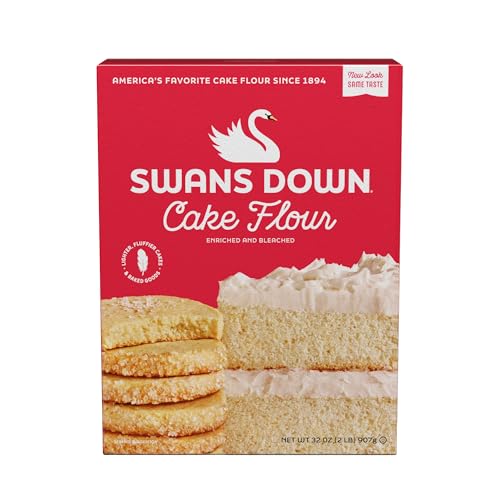
Swans Down Regular Cake Flour 32 oz

King Arthur Bread Flour Unbleached 5 lb

Gold Medal All Purpose Flour 3 lb

Dry Storage Functional Flour 1 Kg

Dry Storage Yecora Rojo Bread Flour 1 Kg
A Deeper Look At The Lineup
Rouge de Bordeaux is a heritage French wheat that experienced bakers keep on their radar for one reason: flavor. Stone milling (a slow process that grinds grain between rotating stones instead of steel rollers) keeps more bran and natural oils intact, so your baguette carries that earthy, slightly nutty aroma that defines a proper boulanger loaf.
For a home cook pulling off a Saturday-morning bake, the payoff shows up in the crust, where a deeper caramelization forms than with roller-milled flours. If your goal is traditional baguette character rather than a soft sandwich panini, this is a strong starting point in the lineup.
What Works In Its Favor
- Heritage Rouge de Bordeaux wheat gives a grain-forward flavor and rustic aroma that standard bread flours rarely match.
- Stone-milled process preserves bran and oils, contributing to open crumb and a deeply caramelized crust.
- 1 kg / 2.2 lb bag is approachable for a few bakes without committing to a bulk order.
- Versatile across baguettes, sourdough, cookies, and general artisan bread work.
Worth Noting
- Stone-milled flours spoil faster once opened, so plan to use the bag within a few weeks or freeze portions.
- Coarser texture may behave differently in a stand mixer compared to roller-milled flours; expect a small learning curve.
Who It Suits Best
Home bakers chasing traditional French baguette character who want heritage wheat in the bag and don’t mind a slightly different feel under their hands.
Where Another Pick Suits Better
Anthony’s Vital Wheat Gluten is a better fit for bakers wanting to strengthen an existing flour rather than start with a single heritage blend.
Vital wheat gluten is essentially the protein extracted from wheat, separated from the starch. It isn’t a flour on its own, but mixed into a softer flour, it lifts protein content and gives dough the chew and snap that French bread needs.
If you’ve ever pulled a baguette that looked fine but tore flat in the middle, the fix was almost certainly protein. Anthony’s 4 lb bag gives you a long-running supply for batch after batch, and it stirs into all-purpose or lower-protein flours without complaint.
Standout Benefits
- Lifts the protein percentage of softer flours so lean doughs can hold their shape during long rises.
- Generous 4 lb supply handles many months of weekly bakes for a single home kitchen.
- Plays nicely with the heritage and all-purpose flours on this list as a custom blend base.
Trade Offs
- Too much added gluten makes dough tight and bucky; expect to recalibrate recipes the first few tries.
- Not a finished flour, so it requires pairing with another bag on the shelf.
Feature Snapshot
Made For
Bakers who like to control their own blends and want stronger baguettes without buying a new specialty flour every month.
Skip It When
Gold Medal All Purpose Flour is a better fit for anyone who wants a single grab-and-go bag with no extra blending step.
00 flour is the Italian classification for flour ground to a very fine texture, finer than typical all-purpose. King Arthur’s version uses American-grown wheat, milled to that soft, almost powdery spec, and is built for lean doughs (formulations with no added fat or sugar, the kind French bread calls for).
In French bread, 00 behaves differently than a standard bread flour. The crumb tends toward tender rather than chewy. Bakers who want a delicate baguette crumb or who split their flour across pizza night can lean on this bag, though it isn’t the strongest choice for traditional crusty loaves.
A Few Strong Suits
- Very fine milling gives a smooth, elastic dough that handles thin shaping well.
- 3 lb bag fits a small pantry without crowding other flours.
- Milled from American-grown, non-GMO wheat, which matters for some kitchens.
Honest Caveats
- Lower protein than dedicated bread flour, so traditional baguette volume may be modest.
- Best as a complement to a higher-protein flour for French bread workhorses.
Key Specs
Right Fit For
Curious bakers who like fine-crumb experiments and split their week between French loaves and Italian-style doughs.
Consider Something Else When
King Arthur Bread Flour is the better match for someone whose priority is a traditional chewy baguette with maximum oven spring.
Caputo’s Chef’s Flour is an Italian-style 00 from a mill family that’s been grinding soft wheat since 1924. This case of 10 packs gives you 22 lb total, which lands somewhere between a home baker’s dream and a small pizzeria’s pantry.
For French bread, this is a soft-wheat pick, so the dough behaves more like a Neapolitan pizza base than a chewy baguette. That’s a feature, not a flaw, if you want a tender crumb and long-fermentation flexibility, but it’s worth knowing before you swap it in for a traditional bread flour recipe.
Everyday Perks
- Case-of-10 format lowers the per-bag cost for high-volume bakers.
- Soft wheat 00 handles long fermentations gracefully for slow French-style rises.
- Versatile across pizza, bread, and fresh pasta in one bag.
Points To Keep In Mind
- 22 lb is a lot of flour; storage space and pantry turnover matter.
- Soft wheat produces a more delicate crumb than a traditional baguette flour.
Feature Rundown
Best Suited To
Bakers running a high-output home kitchen or feeding a family that goes through bread and dough weekly.
Look Elsewhere When
Dry Storage Rouge de Bordeaux Bread Flour is a better match for purists chasing a single-heritage French flavor rather than bulk soft wheat.
Cake flour is the softest wheat product in any kitchen, ground from soft winter wheat and stripped of much of its protein. On its own, it has no business in a French bread dough, but blended with stronger flour, it softens a crumb without going flat.
Swans Down is the long-standing American name in this category, and the 32 oz bag is the kind of second-bag addition to a pantry that comes in handy when a recipe calls for a little tenderness. You won’t reach for it weekly, but you’ll be glad it’s there.
Strengths Worth Knowing
- Soft winter wheat origin keeps flavors clean and buttery in blended doughs.
- Staple shelf-stable 32 oz size for occasional baking projects.
- Useful counterweight to a higher-protein flour for recipe adjustments.
Less Ideal Details
- Low protein makes it a poor solo choice for traditional baguette structure.
- Purely a blending flour, so you still need a primary bread flour on hand.
Who Will Love This
Bakers who already have a strong bread flour and want an option for adjusting crumb tenderness in select recipes.
Not Your Match When
Antimo Caputo Chef’s Flour makes more sense if you want one bag that does most jobs, rather than a dedicated soft-wheat specialist.
King Arthur is the kind of brand that shows up in cookbooks for a reason. Their unbleached bread flour is milled to a consistent protein level (the percentage that determines how much gluten a dough can develop) that bakers can lean on bake after bake, and the 5 lb bag covers most home kitchens for a stretch.
For French bread, this is the dependable choice: high enough in protein to build structure in a baguette, predictable enough to remove one variable when you’re dialing in hydration or shaping. Compared to the heritage Dry Storage Rouge de Bordeaux, you give up some flavor depth in exchange for consistency.
A Few Highlights
- Reliable, high-protein performance that supports classic baguette rise.
- Unbleached, with no additives that can interfere with long fermentations.
- 5 lb bag suits regular bakers without forcing a bulk commitment.
Where It May Fall Short
- Clean, neutral flavor lacks the earthy depth of heritage wheat flours.
Feature Overview
Whose Shelf It Belongs On
Bakers who bake French bread most weekends and want a flour they don’t have to think twice about.
Another Choice May Suit
Dry Storage Yecora Rojo Bread Flour suits sourdough bakers who want extra protein and stretch for high-hydration doughs.
All-purpose flour is the kitchen’s middle child, capable but rarely celebrated. Gold Medal’s 3 lb resealable bag is a low-stakes starting point for someone baking French bread for the first time, or for a household that needs one bag to cover cookies, roux, and the occasional baguette.
The honest read: this won’t give you the chewy crumb of a dedicated bread flour or the open hole structure of a heritage wheat. It will give you an edible baguette, and for a beginner, that’s plenty.
Well-Handled Touches
- Versatile across baking, dredging, thickening, and bread work.
- Resealable bag keeps the flour fresh between bakes.
- Approachable price point and wide availability.
Some Limits To Know
- Lower protein than bread flour, so baguettes may be softer and less chewy than ideal.
- No specialty flavor to lean on; results are clean but not distinctive.
Perfect Match For
Beginners and casual bakers who want one dependable bag that handles both French bread and everyday cooking.
Where A Sibling Pick Shines
King Arthur Bread Flour is a better match once you start chasing a more traditional baguette with stronger rise and chew.
Functional Flour is Dry Storage’s organic all-purpose blend, positioned at 11.3% protein, which puts it between a typical all-purpose and a bread flour. For a household baking French bread alongside pizza, pastry, and sourdough, the flexibility is the point.
In practice, that middle-ground protein handles most lean doughs well, with enough strength for baguette structure while still feeling forgiving during shaping. The organic composition also tends to support active fermentation, which helps with starter-fed sourdough.
The Practical Payoff
- 11.3% protein bridges all-purpose ease and bread-flour structure.
- Organic composition supports active fermentation in sourdough work.
- One bag covers bread, pizza, pastry, and starter maintenance.
Room For Improvement
- Not as chewy as a dedicated high-protein bread flour on demanding baguettes.
Who Should Grab It
Home bakers who want one organic bag that handles French bread and beyond, without managing three specialty flours.
Reach For A Different Pick When
Gold Medal All Purpose Flour is a friendlier match for those prioritizing cost and widespread availability over an organic blend.
Yecora Rojo is a modern wheat variety that’s gained traction with artisan bakers for one main reason: it stretches. A high-protein bread flour that still feels extensible (dough that pulls rather than snaps back during shaping) is exactly what a high-hydration sourdough or pizza dough wants, and Yecora Rojo is built for that.
For French bread, this flour leans toward a more open crumb and a deeper wheat flavor than a standard bread flour, with the kind of strength that holds a tall baguette shape in a hot oven. It pairs especially well with longer, cooler ferments.
The Case For It
- High protein supports strong rise and open crumb structure in baguettes and sourdough.
- Notable extensibility helps with shaping wet, slack doughs without tearing.
- Modern heritage variety with bolder wheat flavor than commodity bread flours.
What To Weigh
- Bold flavor may surprise anyone used to neutral commercial bread flours.
- Small 1 kg bag means frequent bakers will reorder often.
Built With In Mind
Sourdough enthusiasts and confident bakers who want a high-protein flour that handles high hydration and long fermentations.
A Better Fit Elsewhere
Dry Storage Functional Flour is a softer landing for those wanting organic flexibility over maximum protein punch.
What Matters When Picking Flour For French Bread
Protein content drives most of the experience. Higher protein gives you stronger gluten (the elastic network that traps gas during rising, in the range of roughly 11–13%), which translates to chewy crumb, taller oven spring, and a baguette that holds its shape. Lower-protein flours (around 8–10%) bake tender, fine-crumbed loaves and work nicely as blending partners.
Stone-milled flours retain more bran and natural oils, which adds flavor depth but shortens shelf life once opened. Heritage varieties like Rouge de Bordeaux bring earthy character that commodity flours can’t replicate, but they cost more per bake.
For sourdough specifically, look for a flour that supports active fermentation. Organic and clean-milled options tend to behave well with wild yeast, while bleached or heavily processed flours can slow starter activity.
Storage and turnover matter more than most bakers expect. Specialty flours lose aroma quickly once the bag is opened, and flour that smells flat will bake flat. Buy what you’ll use in a few weeks, or freeze portions in airtight containers.
Key Things To Watch Across These Picks
Mistakes Worth Dodging
Buying the cheapest all-purpose flour and expecting baguette results is the most common stumble. All-purpose works in a pinch, but the crumb will lean soft and the crust will be less dramatic. If French bread is your goal, reach for a higher-protein option.
Another trap is ignoring hydration. Higher-protein flours absorb more water, so a recipe that works with one bag may need recalibration with another. A dough that feels too sticky isn’t always wrong: high-hydration doughs are often the most rewarding.
Where The Extra Money Goes
Premium flours cost more because of the wheat itself. Heritage and modern specialty varieties are grown in smaller volumes, milled with care, and often stone-ground to preserve oils and flavor. That work shows up in the aroma of your kitchen and the flavor of the final crumb.
For most home bakers, the upgrade is worth it once you’ve baked a few loaves with commodity flour and know what you want to fix. Beginners may want to start with a reliable all-purpose and graduate to a heritage or specialty bag once the basics feel solid.
Frequently Asked Questions
What protein percentage is best for French bread flour?
Bread flour in the 11.5–13% protein range gives French bread the structure and chew it needs. Lower-protein flours work, but the loaves will be more tender than traditional.
Can I use all-purpose flour for French bread?
Yes, though expect a softer crumb and less oven spring than a dedicated bread flour. For a closer result, blend all-purpose with a small amount of vital wheat gluten to lift the protein content.
Do I need a special flour for sourdough French bread?
Sourdough benefits from flours that support active fermentation, often organic or minimally processed. A high-protein bread flour handles long, cool fermentations well and produces an open crumb.
How should I store specialty flour?
Keep opened flour in a cool, dry, airtight container. Stone-milled and heritage flours are best used within a few weeks or frozen in portions to preserve aroma and freshness.
Is 00 flour a good choice for French bread?
Italian 00 flour is finely milled and produces a tender crumb. It works for lean doughs but typically has lower protein than bread flour, so it suits a softer baguette style rather than a chewy traditional one.
