

Have you ever struggled to make your omelette fluffy? You’re not alone! Achieving the perfect texture isn’t just about what you cook with; it’s also about how you cook. The right technique and fresh ingredients play a huge role in making your omelette fluffy. In this post, you’ll discover some amazing secrets that can elevate your omelette game. Get ready to impress with the best omelets you’ve ever made!
Key Takeaways
Use fresh eggs for the best fluffiness. Fresh eggs have a lower pH, which helps create a light texture.
Add water instead of milk to your egg mixture. Water makes the omelette fluffier by creating steam as it cooks.
Whisk egg yolks and whites separately. This technique incorporates more air, leading to a fluffier omelette.
Rest salted eggs for 2 to 4 minutes before cooking. This allows the salt to enhance flavor and texture.
Manage heat carefully. Cook over medium-high heat to keep the omelette light and prevent overcooking.
Ingredients for Fluffy Omelettes
The Right Eggs
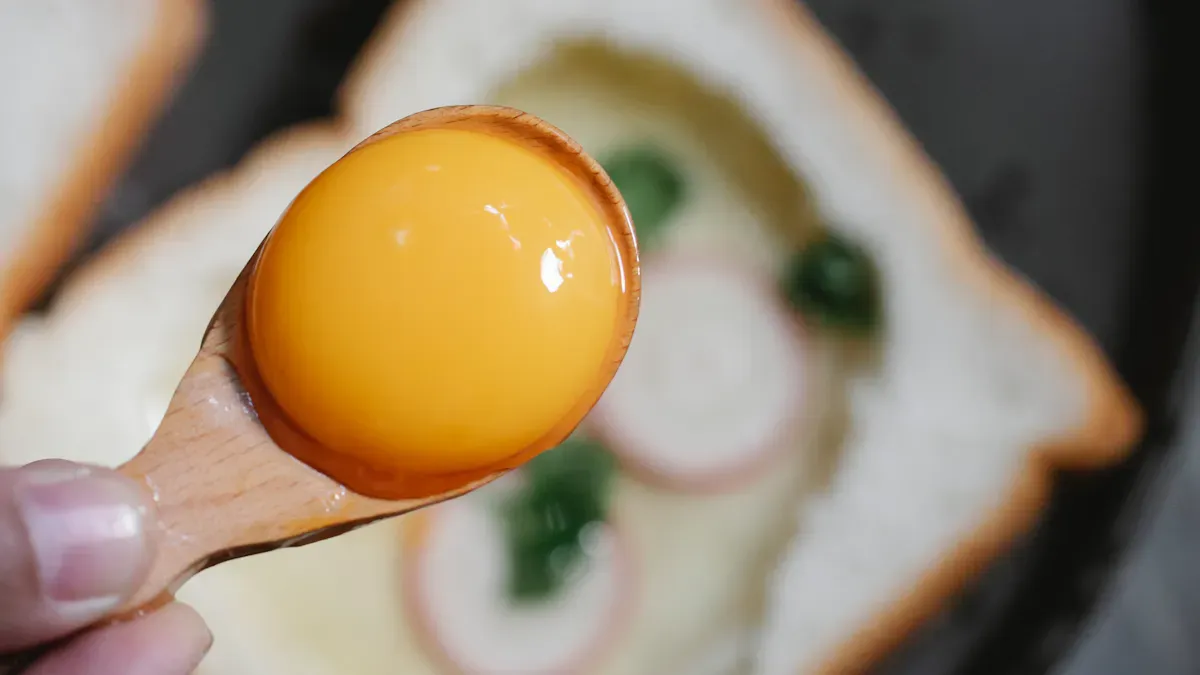
When it comes to making a fluffy omelette, the eggs you choose matter a lot. Fresh eggs are your best bet. They have a lower pH, which helps proteins interact better during cooking. This interaction is crucial for achieving that light and airy texture you want. In fact, research shows that fresh eggs can significantly improve the fluffiness of your omelette.
Here’s a quick look at how egg freshness affects your omelette:
Evidence Type | Findings | Impact on Omelette Texture and Fluffiness |
|---|---|---|
Protein Coagulation | Salt added before cooking reduces thermal aggregation threshold from 83°C to 76–78°C | Increases fluffiness by 29% and reduces chewiness by 41% |
Pre-seasoning Timing | Optimal window for seasoning is 2–4 minutes before heat application | Ensures even protein cross-linking, preventing toughness and weeping |
Egg Freshness | Fresh eggs have a lower pH affecting protein interactions | Influences texture and fluffiness during cooking |
So, always opt for the freshest eggs you can find. They’ll make a noticeable difference in your omelette fluffy.
Adding Milk or Water
Now, let’s talk about what goes in an omelet. You might wonder whether to add milk or water to your egg mixture. Here’s the scoop: water is the winner when it comes to fluffiness.
In a head-to-head competition for the fluffiest scrambled eggs, water beats milk every time. Not only have I witnessed this firsthand, but the general consensus is that if you want super fluffy eggs, you add water. Making scrambled eggs with milk has its benefits, but it weighs them down. Water, on the other hand, fluffs them up nicely. As the water evaporates during the cooking process, it “lifts” the eggs and makes them noticeably fluffier.
If you’re curious about the ratios, here’s a quick breakdown:
Water creates lighter, fluffier eggs, while milk results in a denser texture with a richer flavor.
Eggs cooked with milk tend to stick to the pan more and brown faster than those with water.
The final texture of eggs with milk is slightly less fluffy and moist, providing a bit more bite, while water keeps them lighter and fluffier.
So, if you want to make fluffy omelet, stick with water for the best results!
How to Make an Omelet Fluffy

Whisking Techniques
Whisking is one of the most important steps when you want to make an omelet fluffy. The right technique can make all the difference. Here’s how to do it:
Separate the eggs: Start by separating the yolks from the whites. This step is crucial for achieving maximum fluffiness.
Whisk the yolks: Beat the egg yolks until they turn pale and smooth. Aim for a ribbon stage, which usually takes about three to five minutes. This process helps incorporate air, making your omelet fluffy.
Use a wider whisk: A wider whisk allows you to incorporate more air quickly. The more air you add, the fluffier your omelet will be!
Whip the egg whites: Next, whip the egg whites until they triple in volume and form semi-stiff peaks. You can use a stand mixer for this, which makes the job easier.
Fold gently: Once the whites are ready, gently fold them into the whipped yolks. This technique keeps the air bubbles intact, ensuring your omelet stays light and airy.
Remember, separating the whites from the yolks and beating them separately can inflate your omelet to impressive heights.
Resting with Salt
After whisking, resting your eggs with salt is another secret to making an omelet fluffy. Here’s why it works:
Salt enhances flavor: Adding salt to your egg mixture not only boosts flavor but also helps with texture. It draws out moisture, which can lead to a fluffier omelet.
Timing matters: Let the salted eggs rest for about 2 to 4 minutes before cooking. This short wait allows the salt to penetrate the eggs, improving their structure.
Avoid over-salting: Be careful not to add too much salt. A pinch is usually enough to enhance the flavor without overpowering it.
By mastering these whisking techniques and allowing your eggs to rest with salt, you’ll be well on your way to making the best omelets. These steps are essential if you want to know how to make an omelet that’s not just fluffy but also delicious!
Tips for Making a Great Omelet
Choosing the Right Pan
The pan you use can make a big difference in your omelet’s fluffiness. Here are some tips for selecting the right one:
Materials: Go for pans made of cast iron, aluminum, carbon steel, ceramic, granite stone, or copper. Non-stick surfaces are ideal for easy cooking and flipping.
Sizes: An 8-inch pan works well for 2-3 eggs, while a 10-inch pan is better for a thinner omelet with just 2 eggs.
Pan Type: You can choose from round, rectangle, or folding-style pans. Each type has its benefits, so pick one that suits your cooking style.
Handles: Look for pans with comfortable, non-heating handles. This feature makes it easier to maneuver your omelet without burning your hands.
Heat Management
Heat management is crucial for achieving that perfect fluffy omelet. You want to cook your eggs over medium-high heat. This temperature allows the eggs to cook evenly while keeping them light and airy.
Effective heat management helps retain moisture and improves texture. When the proteins in the eggs coagulate properly, they minimize moisture loss. This prevents a runny omelet. To further enhance moisture retention, consider pre-cooking high-moisture fillings and warming your eggs before cooking.
When it comes to adding fillings, timing is everything. You should add them when the omelet is “fairly set and just a bit runny on top.” This way, your omelet stays airy while the fillings warm through.
By following these tips for making a great omelet, you’ll be on your way to creating the best omelets that are not only delicious but also perfectly fluffy!
Common Mistakes for Perfect Fluffy Omelets
Overcooking Issues
Overcooking is one of the biggest culprits behind dense omelets. When you let your eggs cook too long, they become tough and lose that creamy texture you crave. To avoid this, keep these tips in mind:
Watch the heat: Cook your omelet over medium-high heat. This helps the eggs set without becoming rubbery.
Shake the pan: Gently shake the pan to distribute uncooked eggs evenly. This ensures that everything cooks at the same rate.
Beat thoroughly: Make sure to beat the eggs well before cooking. This incorporates air, which is essential for fluffy omelet perfection.
Cooking expert Nelson Serrano-Bahri warns that overmixing the eggs can also lead to a tough texture. So, keep your whisking gentle and avoid using a hand mixer for too long.
Filling Too Early
Adding fillings too early can weigh down your omelet and ruin its fluffiness. Here’s how to get it right:
Timing is key: Wait until your omelet is mostly set but still slightly runny on top before adding any fillings. This way, the eggs can hold their shape while the fillings warm through.
Choose wisely: Opt for lighter fillings like herbs or cheese. Heavier ingredients can make your omelet dense.
Crack eggs properly: Always crack your eggs on a flat surface to avoid shell fragments. This simple step can save you from a crunchy surprise!
By avoiding these common mistakes, you’ll be well on your way to achieving perfect fluffy omelets every time. Remember, practice makes perfect, so don’t hesitate to experiment!
Now you know the secrets to making a fluffy omelet! Remember to use fresh eggs, whisk them well, and manage your heat carefully. Here’s a quick recap of what you can do:
Beat the eggs thoroughly until they are light yellow to enhance fluffiness.
Separate the yolks and whites; whisk the yolks and beat the whites until they triple in volume before combining.
Use a nonstick pan and ensure it is hot before pouring in the eggs to prevent sticking.
Don’t hesitate to experiment with these techniques. You might discover your own tricks for the perfect omelet for breakfast! Have you tried any unique methods? Share your experiences or tips in the comments below!
FAQ
What goes in an omelet for breakfast?
You can use eggs as the base. Add ingredients like cheese, vegetables, or meats for flavor. Experiment with different fillings to find your perfect diner-style omelet.
How do I prevent my omelet from sticking?
Use a non-stick pan and ensure it’s hot before adding the eggs. A little oil or butter can also help create a barrier, making flipping easier.
Can I make an omelet ahead of time?
Yes! You can prepare the filling in advance and store it in the fridge. Just cook the omelet fresh when you’re ready to eat for the best texture.
How do I know when my omelet is done?
Look for a slightly set surface with a bit of shine. The edges should be firm, while the center remains soft but not runny.
What’s the best way to fold an omelet?
Gently lift one side of the omelet over the filling, then fold the other side. Use a spatula to help guide it, ensuring a neat presentation.